Last updated: July 29, 2026
A sweat towel is the one piece of gear most lifters forget until the middle of a set, when sweat is dripping onto the bar and the bench is slick. The right towel keeps your grip solid, your bench dry, and your session moving without a trip to the water fountain to wipe down with your shirt. This guide breaks down what actually makes a sweat towel worth buying, how it compares to the gym-issued cotton version, and how to build it into your gym, home, or travel kit.
Why Your Gym Bag Needs a Dedicated Sweat Towel
In the UAE and KSA, humidity and heat push sweat output higher than most temperate-climate gyms account for. A single set of squats or a 20-minute HIIT block can soak through a shirt before you’re halfway through the session. Without a towel, that sweat ends up on shared benches, machines, and mats, which most gyms now flag as a hygiene issue during peak hours.
A dedicated sweat towel solves three problems at once. It keeps equipment dry for the next set, it keeps your hands and face dry enough to maintain focus, and it protects your skin from repeated contact with damp benches and shared surfaces. This is not a luxury add-on. It is as functional as your shoes or your lifting belt.
Microfiber vs Cotton: Which Sweat Towel Actually Performs
Most people default to whatever towel is lying around at home, usually a cotton bath towel cut down to gym size. That works, but it is not the best option once you compare it side by side with a purpose-built microfiber sweat towel.
Microfiber Advantages
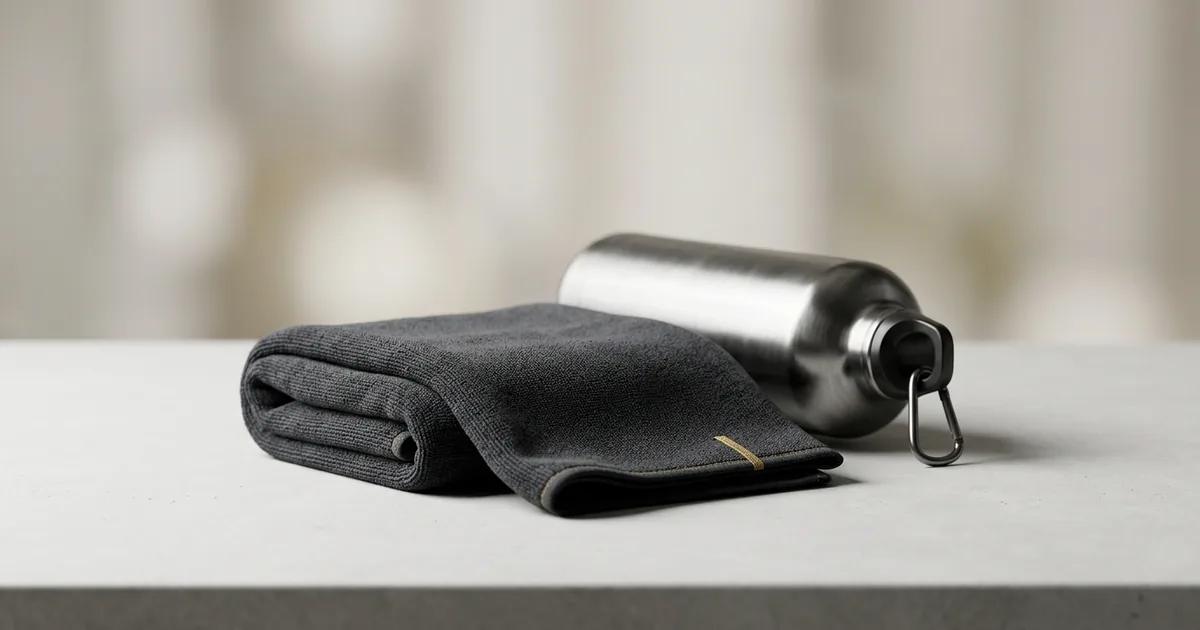
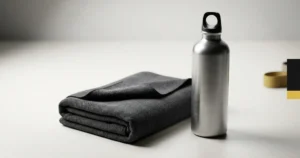
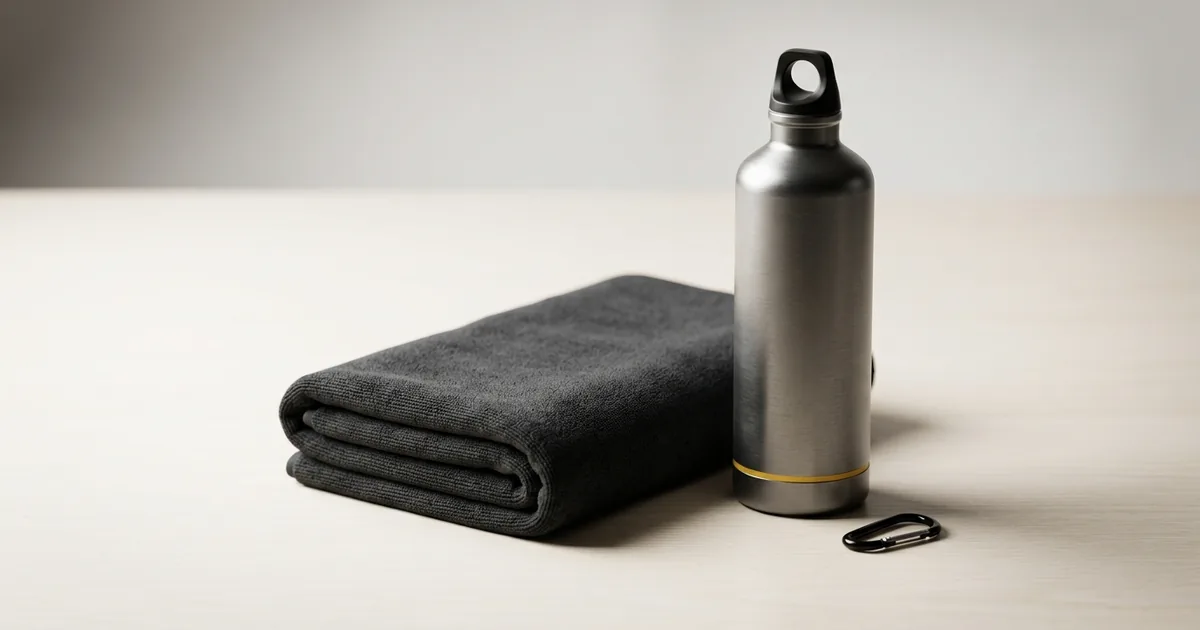
Microfiber towels are built from split synthetic fibers finer than a strand of silk. That fiber structure creates far more surface area per square inch than cotton, which means faster absorption and quicker release of moisture back into the air. In practice, a microfiber towel like the microfiber workout towel from Rigid Fitness soaks up sweat in one pass instead of three or four wipes, dries in under an hour instead of overnight, and packs down to a fraction of the size of a cotton towel. That matters when you’re carrying it in a gym bag alongside shoes, wraps, and a shaker bottle.
Microfiber is also naturally resistant to bacterial buildup because it dries faster. Damp cotton sitting in a bag for hours is exactly the environment odor-causing bacteria need. A towel that dries within the hour breaks that cycle before it starts.
Where Cotton Still Works
Cotton is not without merit. It feels softer against skin, which some people prefer for wiping down the face after a heavy set. It is also cheaper upfront and widely available. The tradeoff is weight, slower drying, and a shorter lifespan before it starts holding a musty smell no matter how often it’s washed. For anyone training more than twice a week, the extra bulk and maintenance load usually outweigh the softness benefit.
Key Features to Check Before You Buy
Not all sweat towels are built the same, even within the microfiber category. Here is what separates a towel that lasts through a training block from one that falls apart after a month.
Absorption Rate
Look for a towel with a tight, dense weave. A well-made microfiber towel should absorb visible moisture in a single wipe. If you’re testing one in-store, run a wet hand across it. If it beads up or smears instead of soaking in immediately, the fiber quality is low.
Size and Weight
A gym towel should be large enough to wipe down a bench in one motion, roughly 40cm x 80cm is a practical baseline. Anything smaller turns into a face-only towel and won’t cover shared equipment properly. At the same time, weight matters if you’re carrying it daily. A quality microfiber towel this size should weigh under 200 grams, light enough to not add noticeable bulk to a gym bag.
Dry Time
This is the most overlooked spec. A towel that takes 12+ hours to dry will still be damp the next time you reach for it, which defeats the purpose. Microfiber towels typically dry within 30-60 minutes when hung properly, which means you can use the same towel for a morning and evening session without it ever going into your bag wet.
Odor Resistance
Some microfiber blends include an antimicrobial treatment that slows bacterial growth between washes. This is worth prioritizing if you train daily or travel with limited laundry access. A towel that resists odor for 3-4 uses before needing a wash saves time and keeps your gym bag from smelling like a locker room.
Sweat Towel Use Cases: Gym, Home, Travel
The right towel setup changes slightly depending on where you’re training. Rigid Fitness gear is built around the idea that your kit should move with you, gym, home, or on the road, without losing performance.
Gym Floor Sessions
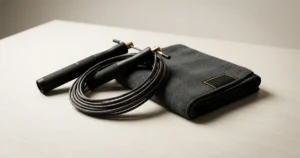
At the gym, your towel does double duty: wiping down benches between sets and keeping your hands dry for grip-heavy lifts like deadlifts and pull-ups. Keep it within arm’s reach, draped over the bench or looped through a bag strap, so you’re not walking across the floor mid-set. If your session includes cardio intervals, pair it with efficient conditioning tools. A beaded jump rope session will spike sweat output fast, and having a towel already staged means you’re not losing rest-interval time hunting for one.
Home Workouts
Home training setups often skip the towel entirely because there’s no shared-equipment pressure to wipe down after. That’s a mistake. Sweat on a yoga mat or on a vibration plate platform builds up bacteria and breaks down material faster than a quick wipe-down would prevent. Keep a towel on a hook near your training space so it’s part of the setup, not an afterthought you have to fetch from another room.
Travel and Outdoor Training
Hotel gyms and outdoor sessions are where a compact, fast-drying towel earns its keep. Cotton towels take up too much suitcase space and won’t dry between uses on a multi-day trip. A packable microfiber towel folds down to the size of a paperback and dries fast enough to be reused the next morning without smelling. This is one of the simplest upgrades for anyone who trains consistently while traveling for work or competition.
How to Care for Your Sweat Towel
A sweat towel is only as good as its maintenance. Poor care is the main reason people write off microfiber as “not that different” from cotton, when the real issue is how it’s washed and stored.
Washing
Wash microfiber towels separately from cotton items. Cotton sheds lint that clings to microfiber’s synthetic fibers and clogs the very structure that makes it absorbent. Use a mild detergent and skip fabric softener entirely, it coats the fibers and kills absorption over time. Cold or warm water is sufficient; high heat can degrade the synthetic fibers faster than expected.
Drying
Air-dry when possible. If using a dryer, low heat only. High heat is the single biggest cause of premature microfiber breakdown, it melts the fine fiber tips and reduces the surface area that gives the towel its absorption edge.
Storage
Never store a damp towel in a sealed gym bag for more than a few hours. Hang it to finish drying as soon as you’re home, even if you plan to wash it later. This single habit prevents most of the odor complaints people associate with gym towels.
Replacement Cycle
Expect a quality microfiber towel to hold performance for 8-12 months of regular use, roughly 3-5 sessions a week, before absorption starts to noticeably drop. At that point, rotate it to lower-priority use (car, cleaning) and bring in a fresh one rather than pushing a worn towel past its useful life.
Building a Complete Sweat-Ready Kit
A towel works best as part of a system, not a standalone item. Pair it with gear that matches your training style so nothing in your bag is dead weight. If you’re assembling or refreshing a kit, the fitness essentials category covers the core pieces most training sessions actually need, towels, grips, and recovery basics included. If you want to see what’s recently landed, the new arrivals section is worth a scan before your next restock, since portable gear lineups shift with demand.
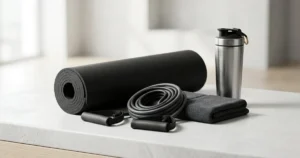
A practical baseline kit for gym, home, or travel looks like this: one microfiber sweat towel for wiping down and personal use, a compact cardio tool like a jump rope for finishing conditioning work, and one piece of recovery or activation gear such as a vibration plate for warm-ups or post-session recovery. None of it requires a locker room’s worth of space, and all of it packs into a single gym bag.
Conclusion
The best sweat towel for gym workouts is not the biggest or the softest, it’s the one that absorbs fast, dries fast, and travels light. Microfiber outperforms cotton on every practical metric that matters for regular training: speed, weight, and hygiene. Treat it as core kit, not an afterthought, wash it correctly, and pair it with gear built for the same gym-home-travel flexibility, and it will outlast several training blocks without losing performance.
Frequently Asked Questions
What is the best material for a gym sweat towel?
Microfiber is the best material for a gym sweat towel. It absorbs faster than cotton, dries within an hour, and packs down small enough for daily gym bag use without added bulk.
How often should I wash my sweat towel?
Wash a sweat towel after every 2-3 uses if it’s a quality microfiber blend, or after every single use if it’s cotton. Always let it dry fully before storing it in a closed bag to prevent odor buildup.
Can I use a regular bath towel for the gym?
You can, but it’s not ideal. Bath towels are heavier, slower to dry, and bulkier to carry compared to a purpose-built microfiber gym towel, which absorbs sweat in fewer wipes and dries fast enough for same-day reuse.
What size sweat towel should I buy for gym use?
A size around 40cm x 80cm covers most needs, large enough to wipe down a bench in one pass but compact enough to carry daily without adding bulk to your gym bag.
Does fabric softener ruin a microfiber sweat towel?
Yes. Fabric softener coats microfiber’s fine fibers and reduces absorption over time. Wash with a mild detergent only and skip softener to keep the towel performing at full capacity.