
Last updated: July 26, 2026
A skipping rope costs less than a single gym session, fits in a gym bag, and burns more calories per minute than jogging. That combination is why it remains one of the most efficient tools for fat loss, whether you train in a Dubai high-rise gym, a home setup in Riyadh, or a hotel room on a business trip. This guide breaks down exactly how skipping rope for weight loss works, how many calories it burns, how to structure a routine that actually gets results, and how to avoid the mistakes that stall progress or cause injury.
This is not a fluff piece about ‘jumping for fun.’ It is a practical breakdown built for people who want a lean, portable way to cut fat without depending on heavy gym setups.
Skipping rope is a full-body, high-intensity movement. Every jump recruits your calves, quads, glutes, shoulders, forearms, and core to stabilize rotation and impact. Because the movement is continuous and repetitive, your heart rate climbs fast and stays elevated, which is exactly the condition needed for effective calorie burn.
Skipping rope burns roughly 10-16 calories per minute depending on speed, bodyweight, and technique. That is on par with sprinting and higher than steady-state jogging, cycling, or using an elliptical at moderate intensity. A 20-minute skipping session can burn 200-300 calories, and that number climbs significantly with interval-based sessions.
High-intensity work like skipping creates excess post-exercise oxygen consumption, known as EPOC. In simple terms, your body keeps burning calories at an elevated rate for hours after you stop training as it repairs muscle and restores oxygen levels. Steady, low-intensity cardio does not trigger this effect nearly as strongly. This is one of the biggest reasons skipping rope for weight loss outperforms slow, long-duration cardio for the same time investment.
Unlike a treadmill walk, skipping demands timing, rhythm, and full-body coordination. This raises the neuromuscular demand of the workout, which keeps your brain engaged and your body working harder to maintain form, especially as fatigue sets in.
You don’t need a cardio room, a bike, or floor space beyond a two-meter radius. This makes it the most practical fat-loss tool for small apartments, hotel rooms, and outdoor spaces, which matters if consistency is your biggest obstacle.
Calorie burn depends on three factors: bodyweight, jump speed, and rest intervals. Here is a realistic breakdown for a 30-minute session at different intensities.
For comparison, 30 minutes of brisk walking burns around 150-180 calories. That gap is exactly why people switch from walking routines to rope-based cardio when their weight loss plateaus.
Weight loss is about consistent calorie deficit, but not all cardio is time-efficient. Here is how skipping stacks up against common alternatives.
Running burns a similar amount of calories per minute at high speed, but it places more repetitive impact stress on knees and hips over long durations. Skipping rope sessions are shorter and more intense, which reduces total time under joint stress while still spiking heart rate. Skipping is also weather-independent and requires zero outdoor space.
Cycling is joint-friendly but usually requires 45-60 minutes to match the calorie burn of a 20-minute rope session. If your schedule is tight, skipping delivers more return per minute invested.
A vibration plate is excellent for activating muscle fibers, improving circulation, and supporting recovery, but it is not a high-intensity cardio replacement on its own. Many Rigid Fitness customers pair short rope intervals for calorie burn with vibration plate sessions for muscle activation and lymphatic flow on rest days. Used together, they cover both sides of a fat-loss plan: intensity and active recovery.
Random skipping without structure gets diminishing returns. The routines below are built around progressive overload, meaning you increase either speed, duration, or complexity every one to two weeks.
Goal: build rhythm, footwork, and basic endurance without burning out.
Total time: roughly 12-14 minutes. Do this 3-4 times per week.
Goal: increase work-to-rest ratio and introduce variation.
Total time: 20-22 minutes. Train 4-5 times per week.
Goal: maximize calorie burn and EPOC using high-intensity intervals.
Total time: 28-32 minutes. This routine alone, done 4 times a week alongside a controlled diet, is enough to drive consistent fat loss for most people.
Week 1: 3 sessions, beginner routine, focus on form.
Week 2: 4 sessions, beginner routine, add 2 rounds.
Week 3: 4 sessions, intermediate routine.
Week 4: 5 sessions, intermediate to advanced blend, introduce interval finishers.
This structure avoids the common trap of jumping straight into high-intensity work before your calves, ankles, and shoulders adapt to the repetitive impact.
Technique determines whether skipping accelerates your results or leads to shin splints and wasted sessions. Fix these fundamentals first.
You only need 1-2 inches of clearance off the ground. Jumping higher wastes energy and increases impact stress without adding calorie burn.
The rope should be turned by rotating your wrists, not swinging your entire arms. Keep elbows close to your torso. This alone fixes 80 percent of rhythm problems beginners face.
Land softly on the balls of your feet, never flat-footed or on your heels. This protects your knees and ankles and keeps your rhythm faster and more efficient.
Keep your chest up, core braced, and eyes forward. A hunched posture restricts breathing and reduces the intensity you can sustain.
Skip on a slightly cushioned surface like rubber gym flooring or a yoga mat if you’re on tile or concrete. This reduces joint impact significantly over repeated sessions.
Not all ropes are built for fat-loss training. A tangled, poorly weighted rope breaks your rhythm and kills the intensity that drives calorie burn. For weight loss training, look for a rope with these features:
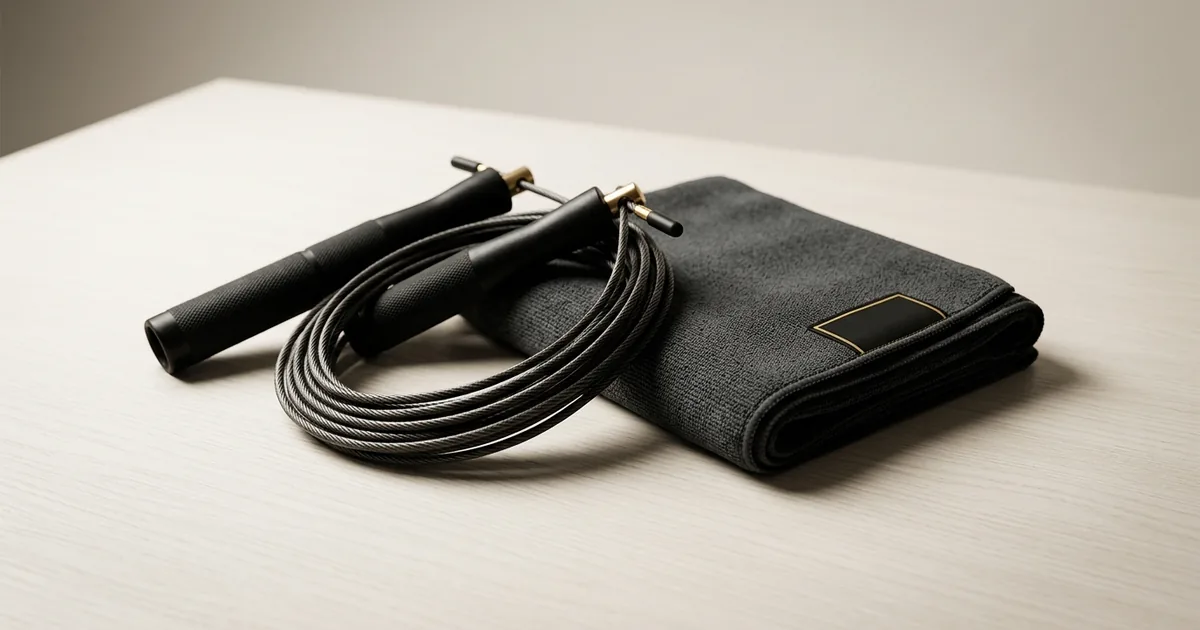
The beaded jump rope, adjustable and tangle-free, is built specifically for this kind of training. The beaded design adds slight weight for better rhythm feedback, which helps beginners find consistent timing faster than a plain PVC cable rope. Because it’s adjustable, it works whether you’re training at home, at the gym, or packing it for travel.
Skipping rope is highly effective on its own, but pairing it with the right recovery and activation tools accelerates results and keeps you training consistently.
On days you don’t skip, a few minutes on a vibration plate helps stimulate circulation and reduce muscle stiffness in your calves and shins, the two areas that take the most repetitive load from skipping. This keeps you fresh for your next high-intensity session instead of nursing sore legs.
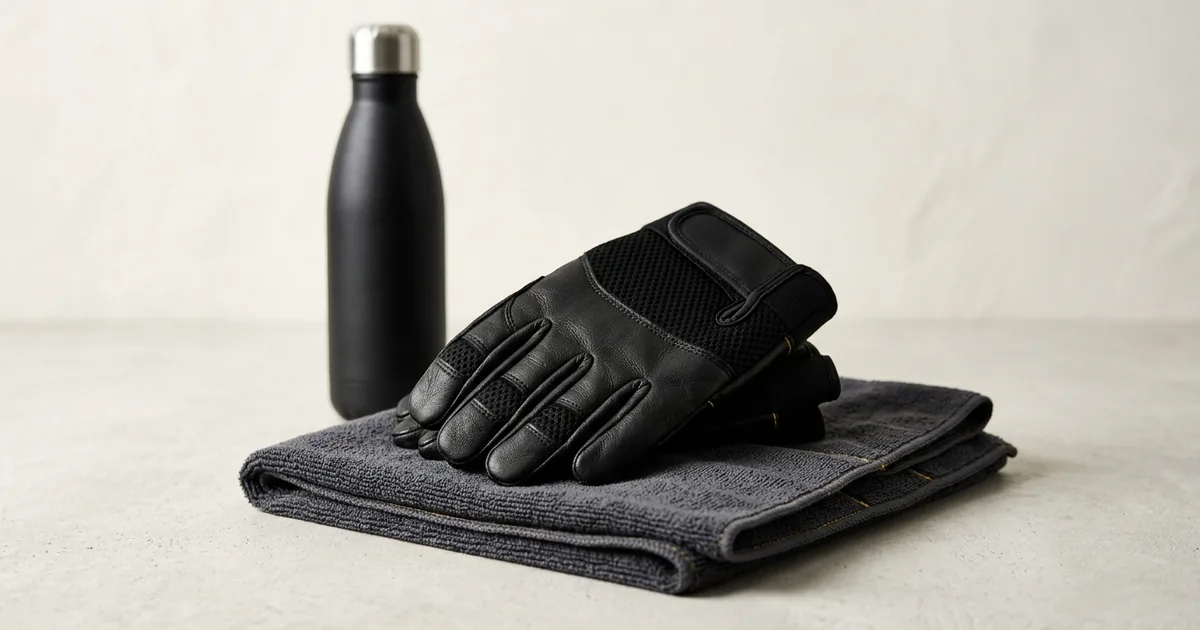
Skipping is sweat-intensive because it’s continuous, full-body work. Keeping a microfiber workout towel nearby helps you wipe grip surfaces and your face between rounds, so sweat doesn’t interrupt your rhythm or cause you to lose grip on the handles mid-interval.
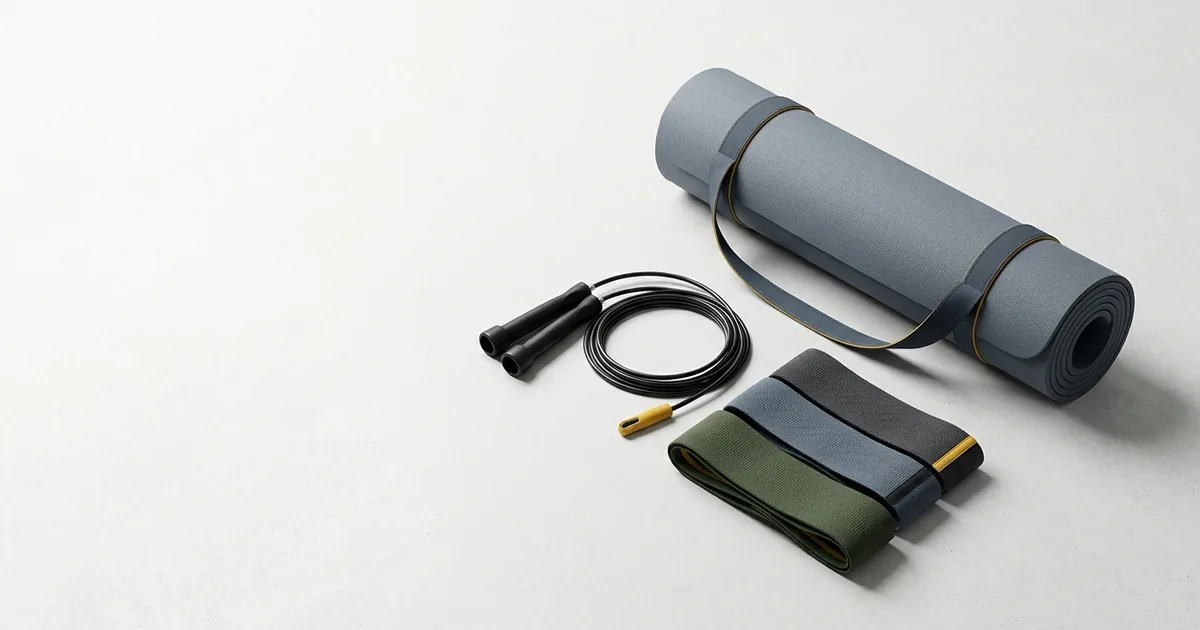
If you’re building a compact home or travel setup focused on fat loss, a jump rope, a vibration plate, and a resistance band cover cardio, activation, and recovery in a footprint smaller than a yoga mat. Browse the fitness essentials collection or check what’s newly added under new arrivals to round out a setup that travels with you.
Doing 20 minutes of slow, steady skipping burns fewer calories than 10 minutes of properly structured intervals. Intensity, not duration alone, drives the afterburn effect that makes rope training so efficient.
If you repeat the same routine for months, your body adapts and calorie burn drops. Increase speed, add rounds, or shorten rest periods every couple of weeks to keep results moving.
No amount of rope work outruns a calorie surplus. Weight loss is driven by a consistent deficit, and skipping rope is the tool that makes hitting that deficit faster and more sustainable, not a replacement for basic nutrition discipline.
Repeated impact on concrete without supportive shoes accelerates shin and joint fatigue. This is the fastest way to derail a routine through injury rather than lack of effort.
Skipping is high-impact. Without stretching, mobility work, or tools like a vibration plate to manage muscle tightness, calves and ankles tighten up, which reduces jump efficiency and increases injury risk over time.
Training burns the calories, but your plate determines whether that burn turns into visible fat loss. A few practical rules apply directly to anyone using skipping rope for weight loss:
This is a realistic 7-day structure for someone using skipping rope as their primary fat-loss tool, alongside recovery support.
This balances the high-intensity demand of rope training with enough recovery to sustain it week after week, which is what separates people who see results in a month from those who stall after two weeks.
Skipping is low-cost and highly effective, but it’s not zero-impact. People with existing knee, ankle, or lower back issues should start with very short intervals and prioritize a cushioned surface plus supportive footwear. Beginners carrying significant excess weight should also start conservatively, since impact forces are higher at greater bodyweight. In these cases, blending shorter rope intervals with lower-impact tools like a vibration plate for a few weeks builds a base before progressing into longer, faster rope sessions.
Weight loss progress isn’t only measured in kilograms. With a rope-based routine, track these markers monthly:
Improvement in these numbers often shows up before the scale moves significantly, and they’re a better indicator of whether your training is actually working.
Skipping rope for weight loss works because it combines high calorie burn, minimal space requirements, and a strong afterburn effect into one of the most portable tools available. The results come from structure: progressive routines, correct technique, a rope built for consistent rhythm, and recovery tools that keep you training week after week without breaking down. Pair a solid rope with consistent intervals, a supportive nutrition approach, and recovery tools like a vibration plate, and you have a complete, portable fat-loss system that works at home, at the gym, or on the road.
20-30 minutes of structured interval skipping, 4-5 times per week, is enough to drive consistent fat loss for most people when paired with a calorie-controlled diet. Beginners should start with 10-15 minutes and build up gradually to avoid shin and ankle strain.
Skipping rope burns a similar or higher number of calories per minute compared to running, and sessions are shorter due to higher intensity. It also requires no outdoor space and creates a strong afterburn effect, making it more time-efficient for many people.
No exercise targets fat loss in one specific area. Skipping rope burns calories at a high rate across your whole body, which contributes to overall fat loss, and belly fat typically reduces as your total body fat percentage drops through a sustained calorie deficit.
An adjustable, tangle-free rope with comfortable handles is best for beginners. Correct length prevents tripping and lost rhythm, which are the biggest reasons new skippers give up early. A beaded rope also adds slight weight that helps beginners find consistent timing faster.
Daily skipping without rest increases injury risk due to repetitive impact on calves and ankles. Training 4-5 days a week with at least one to two recovery days, supported by stretching or a vibration plate session, produces better long-term results than skipping every single day.
Last updated: September 27, 2026 A resistance band costs less than a single personal training session and fits in a
آخر تحديث: 27 سبتمبر 2026 مساحة غرفة النوم الإضافية أو زاوية من الصالة كافية لبناء روتين تمرين حقيقي، بشرط اختيار
Last updated: September 27, 2026 Typing “best gym near me” into your phone gives you a list ranked by distance,