
Last updated: November 4, 2026
The best time to exercise in UAE is not a single fixed hour, it is whichever window lets you train consistently without fighting the heat, your work schedule, or your own energy levels. Dubai and Abu Dhabi summers push outdoor temperatures past 45°C by mid-morning. Riyadh and Jeddah aren’t far behind. Add a 9-to-6 work culture and five Ramadan weeks a year, and “just go for a run after work” stops being realistic advice. This guide breaks down every practical training window across the region, tells you who each one actually suits, and shows you how to build a setup that removes the clock problem entirely.
In most countries, “best time to work out” is a question of personal preference and gym opening hours. In the Gulf, it’s a question of physiology. Heat and humidity change how your body performs, recovers, and even how safely you can train outdoors.
Once ambient temperature climbs past 35°C, your body redirects blood flow to the skin to cool itself, pulling resources away from working muscles. Heart rate climbs faster at the same effort level, perceived exertion spikes, and power output on lifts or sprints drops measurably. Humidity makes this worse because sweat stops evaporating efficiently, so your core temperature keeps rising even if you feel like you’re sweating plenty. From May through September, outdoor training in Dubai, Abu Dhabi, Sharjah, Riyadh or Jeddah between 10am and 6pm carries real heat-stress risk, not just discomfort. This is the single biggest reason indoor, climate-controlled or home training wins for most of the year in this region.
During Ramadan, fasting hours remove the option of a fed, hydrated midday or afternoon session entirely. Most residents shift to one of two windows: a short, low-intensity session before suhoor in the pre-dawn hours, or a session after iftar once food and fluids are back in the system. Outside Ramadan, daylight length barely changes in the Gulf compared to higher latitudes, so sunrise and sunset shift by only an hour or so across the year. That means your summer morning window and winter morning window are nearly identical in clock time, even though the temperature difference is enormous. Plan around the thermometer, not the calendar.
Early morning is the best outdoor window for most of the year in the UAE and Saudi Arabia. Temperatures are at their daily low, humidity is still manageable along the coast, and roads, parks and promenades are quieter.
Early training works best for people with predictable mornings, shift-free schedules, or anyone training before a 9am start. It also suits anyone who finds their willpower drops by evening after a long workday, since a completed morning session removes the decision entirely. The trade-off is sleep. If you’re cutting rest short to train at 5:30am, you’re trading one recovery input for another, and that rarely pays off long-term.
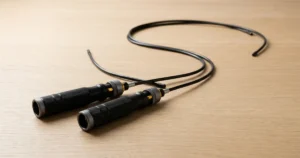
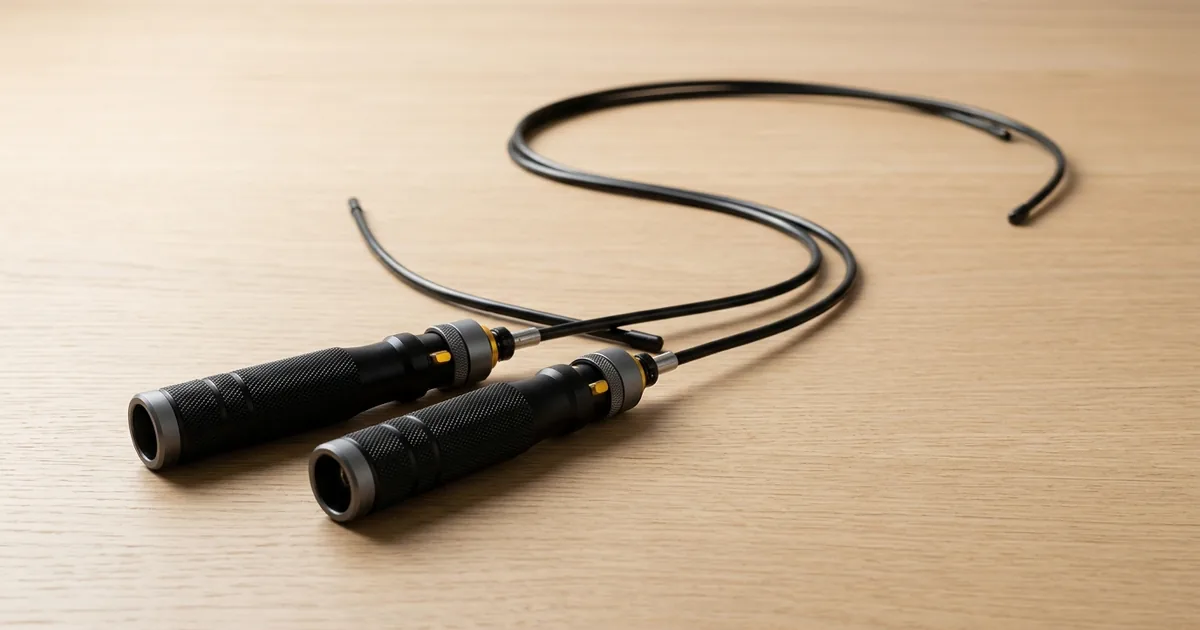
Early sessions are usually time-boxed, you’ve got a window before work, not an open afternoon. A beaded jump rope is one of the most efficient tools for this slot. Ten minutes of rope work raises heart rate faster than most warm-up routines, burns a meaningful amount of calories, and packs down small enough to keep in a gym bag or car. Pair it with a quick protein hit straight after training and before the day starts, using an electric protein shaker bottle that mixes a smooth shake in seconds without the usual clumping, so you’re not standing over a blender before a 9am meeting.
Between 10am and 5pm, outdoor training across Dubai, Abu Dhabi, Riyadh and Jeddah is a bad idea for most of the year. Pavement and sand surface temperatures can exceed air temperature by 15-20°C, UV exposure peaks, and the body’s cooling systems are already working overtime just to maintain a normal baseline. If your only available slot is midday, the answer isn’t to skip training, it’s to move it indoors completely. This is where a home setup earns its place. A short strength circuit or a low-impact session on a vibration platform delivers a real training stimulus for muscle activation, circulation and recovery without any heat exposure at all, and it fits into a 20-30 minute lunch break. For office workers in Dubai’s business districts or Riyadh’s commercial zones, this is often the only consistent window available, and it works fine once you stop trying to replicate an outdoor run indoors and instead use tools built for compact, controlled sessions.
Evening is the default choice for the majority of UAE and KSA residents, and for good reason. Temperatures start dropping after sunset, work is finished, and it’s the most socially normal time to train, whether that’s a home session, a walk along the Corniche, or a park circuit once the sun is down.
Evening training lines up with cooler air, available free time, and higher body temperature from a full day of activity, which generally means better joint mobility and lower injury risk than a cold 5am start. It’s also the most social window, families and friend groups often train together after Maghrib, especially outside the peak summer months when outdoor parks in Dubai, Sharjah and Abu Dhabi fill up again from October through April.
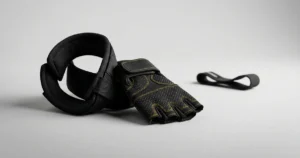
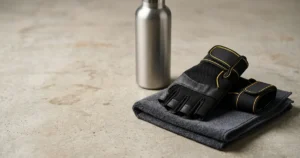
The challenge with evening training is motivation, not biology. After eight-plus hours of work and a commute, the easiest decision is always to skip the session. Reducing friction matters more here than anywhere else. Keep a kit bag ready by the door, use gear that doesn’t require setup time, and consider supportive accessories like gym gloves and lifting straps if your evening sessions involve pulling movements or longer sets, since grip fatigue tends to show up faster later in the day when your hands have already been through a full day of typing, driving and general use. A well-mixed protein shake within 30-45 minutes of finishing also matters more in the evening, since it’s your last real recovery input before overnight rest.
Shift workers, new parents, and anyone with an irregular schedule often end up training late. This window has real upsides in the UAE specifically, since temperatures are at their lowest and outdoor spaces are nearly empty. The downside is sleep disruption if the session is too intense too close to bedtime. If late night is your only realistic slot, keep intensity moderate, favor strength and mobility work over high-intensity intervals, and finish at least 60-90 minutes before you plan to sleep so your heart rate and core temperature have time to settle.
The honest answer for most people chasing the “best time” question is that the best time is whichever one you’ll actually show up for, consistently, for months. In a climate where outdoor conditions eliminate half the day for most of the year, home training is the single biggest lever for consistency. It removes commute time, removes weather as a variable, and removes the excuse of “it’s too hot” or “it’s too late to go out.”
A compact home setup doesn’t need to replicate a full facility. For most apartments in Dubai Marina, Abu Dhabi’s Reem Island, or Riyadh’s northern districts, a few portable pieces cover strength, conditioning and recovery without taking up a room. Rigid Fitness ships across the UAE in AED and into Saudi Arabia in SAR, with new arrivals added regularly, so it’s worth checking the new arrivals category before building out a full setup, since pricing and selection shift as new gear lands.
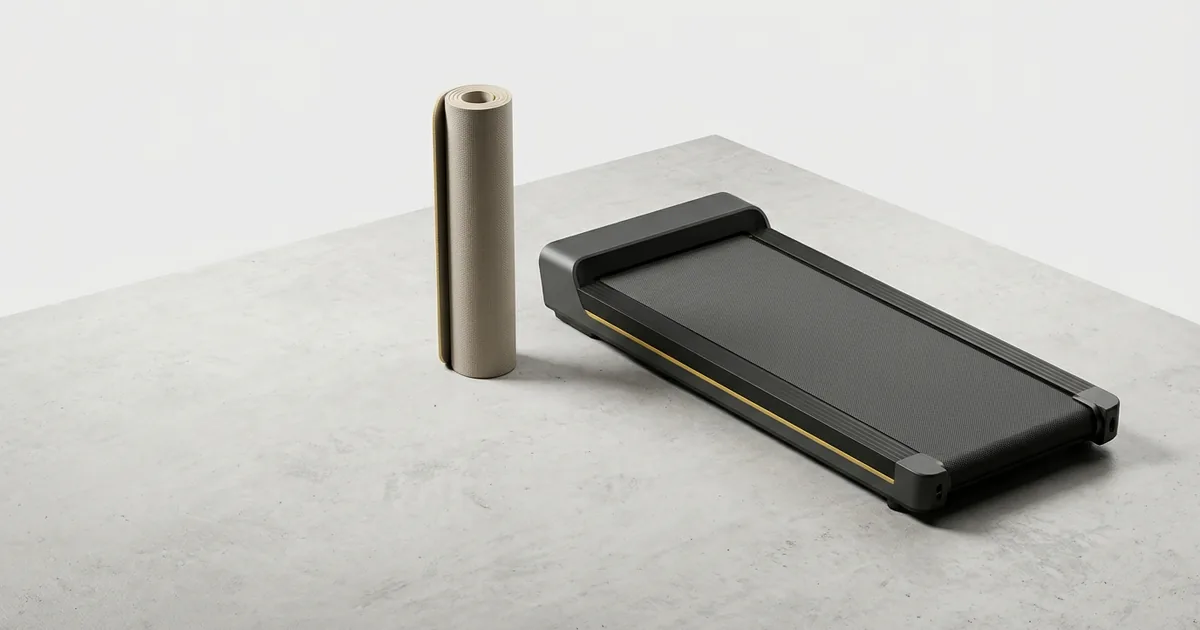
One of the most underused tools for odd-hour training is a vibration platform. It’s quiet enough for a late-night or early-morning session in an apartment without disturbing neighbors, low-impact enough to use daily, and effective for circulation, muscle activation and short recovery sessions when a full workout isn’t realistic. For anyone juggling irregular hours, shift work, or travel between Dubai and Riyadh for business, it’s one of the few tools that delivers a genuine physiological benefit in under 15 minutes regardless of what time the session happens.
The right gear changes depending on when you train, not just what muscle group you’re targeting. Matching your kit to your actual schedule is what keeps a routine running past the first two weeks.
For dawn or early-morning sessions outdoors during cooler months, prioritize gear that’s fast to set up and easy to carry. A jump rope, resistance bands, or a light dumbbell set cover a full-body session in 20 minutes without needing a car trip to a facility. Hydration matters immediately after waking, since you’re training in a mildly dehydrated state from overnight sleep, so have water ready before you start, not after.
Evening sessions tend to run longer and heavier, since energy and joint mobility are both higher later in the day. This is where grip support earns its keep. Gym gloves and straps reduce slip on pulling movements and protect calluses from building up too fast if you’re training five or six evenings a week. Pair heavier sessions with a proper post-workout shake, mixed fast with an electric protein shaker bottle so you’re not waiting around after a late session when you’d rather be winding down for the night.
If your schedule moves between Dubai, Abu Dhabi, Riyadh and Jeddah for work, consistency comes down to portability. Everything in a travel kit should fold flat, weigh little, and need zero setup. A beaded jump rope, a resistance band set, and a compact shaker bottle cover strength, conditioning and nutrition in a bag that fits in carry-on luggage, so a change in city or time zone doesn’t become an excuse to skip a week of training.
Regardless of which window you train in, hydration strategy in the Gulf climate needs to be more deliberate than in temperate regions. Sweat rates during UAE summer training, even indoors with air conditioning, run noticeably higher than in cooler climates, and electrolyte loss follows the same pattern. A few practical rules apply across every time slot: drink 300-500ml of water in the 30 minutes before training regardless of the hour, keep fluids within reach during sessions longer than 20 minutes, and treat the post-workout window as non-negotiable for both fluids and protein. A shake mixed immediately after training, rather than 40 minutes later once you’ve showered and changed, makes a measurable difference to recovery quality, which is exactly why a fast, no-mess shaker bottle matters more here than it might in a cooler climate where recovery timing is less urgent.
Below are three realistic weekly structures based on common work patterns across the region. Adjust start times by 30-60 minutes depending on your own commute and sunrise/sunset for the season.
A few patterns show up repeatedly among people who struggle to stay consistent in this climate. First, scheduling outdoor sessions for midday during summer “just this once” and ending up skipping the next three weeks after a bad experience with heat exhaustion. Second, training late at night at high intensity and then wondering why sleep quality drops, when the fix is simply shifting intensity down or finishing earlier. Third, relying entirely on outdoor conditions as the single training option, which guarantees a six-month gap every summer. The residents who train consistently year-round in Dubai, Abu Dhabi and Riyadh are almost always the ones who’ve built a home or indoor fallback, so the weather never actually decides whether training happens that day.
There’s no single best time to exercise in UAE that works for everyone, but there is a best time for your specific schedule, climate tolerance and energy pattern. Early morning suits fixed schedules and cooler training. Evening suits most working residents once temperatures drop. Midday only works indoors. And for the five or six months when outdoor conditions make most windows unreliable, a compact home setup is what keeps training going regardless of the thermometer. Build around your actual week, keep the right gear within reach, and the question of timing stops being a barrier.
Outdoor training in Dubai summer is only safe before 8am or after 7pm, once temperatures drop below the mid-30s. Between 10am and 6pm, surface and air temperatures make outdoor sessions risky, so indoor or home training is the better option from May through September.
It depends on your energy pattern. Morning training suits people with fixed early schedules and builds consistency since the decision is made before the day gets busy. Evening training suits most office workers since temperatures are cooler and joints are already warmed up from daily activity, but it requires more discipline to avoid skipping after a long day.
Shift to a short, low-intensity session before suhoor and save your main training session for 1-2 hours after iftar once food and fluids have settled. Avoid fasted high-intensity training during summer Ramadan periods since hydration reserves run too low to train hard safely.
A vibration platform works well for low-impact sessions at any hour since it’s quiet and effective in under 15 minutes. A jump rope covers conditioning in a small space, and a fast electric shaker bottle makes post-workout recovery practical regardless of what time the session ends.
Yes. Rigid Fitness ships across the UAE with pricing in AED and into Saudi Arabia with pricing in SAR. New arrivals are added regularly, so checking the new arrivals category before building a home setup is worth doing.

Last updated: November 4, 2026 Strength training does not require a rack of iron plates or a membership card. It
Looking for fitness gifts in the UAE, or gifts for gym lovers who train at home? This guide sorts our
Last updated: November 1, 2026 A digital skipping rope with counter turns a basic cardio tool into a data-driven training