
Last updated: November 4, 2026
Strength training does not require a rack of iron plates or a membership card. It requires resistance, consistency, and gear that fits the space you actually have, whether that is a Dubai Marina apartment, a Riyadh villa spare room, or a hotel room on a work trip to Jeddah. This guide breaks down exactly what strength training is, why a home-based setup works for life in the Gulf, and which gear earns a permanent spot in your corner of the room.
Strength training is any exercise that forces your muscles to work against resistance, whether that resistance comes from a barbell, a resistance band, your own bodyweight, or a vibration platform that destabilizes your muscles into working harder. It is different from cardio, which trains your heart and lungs for endurance. Strength training trains your muscle fibers, tendons, and nervous system to produce more force over time.
The outcome is not just visible muscle. Strength training improves bone density, joint stability, resting metabolic rate, and posture. It is the single most effective tool for people who sit at desks all day in Dubai offices or spend long hours in cars commuting across Riyadh, because it directly counters the muscular imbalances that desk life and driving create.
Strength training and bodybuilding overlap but are not identical. Bodybuilding optimizes for muscle size and symmetry. Strength training optimizes for force production and functional capacity. You can build visible muscle through strength training, but the end goal is performance, not just appearance. This distinction matters when you choose gear, because a home setup built for strength training prioritizes versatility and progressive resistance over mirrors and isolation gear.
Three realities shape how people in this region train: heat, commute time, and apartment living. Outdoor training is uncomfortable for at least six months of the year once temperatures climb past 40°C. Commute times in Dubai, Abu Dhabi, Riyadh, and Jeddah eat into the window people have for fitness. And a large share of residents live in apartments or compounds where space is limited and a dedicated gym room is not realistic.
A portable home strength training gear setup solves all three problems at once. It removes the commute entirely, it works regardless of outdoor temperature, and it fits in a cupboard, under a bed, or in a suitcase. This is why portable gear, not permanent machinery, is the more practical investment for most households here.
Consider a resident in Business Bay who drives 25 minutes each way to a gym, changes, trains for 45 minutes, showers, and drives back. That is close to two hours for a 45-minute session. A home strength training setup turns that same session into 50 minutes total, most days of the week. Over a year, that difference adds up to dozens of recovered hours, which is often the real reason people stop training consistently in the first place.
You do not need twenty items. A focused home strength training gear setup covers four categories: resistance tools, grip and joint support, bodyweight amplifiers, and recovery support. Each category below lists what to buy and why it matters.
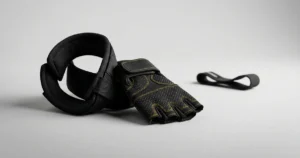
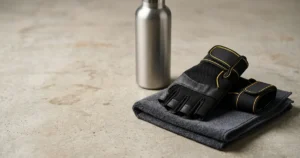
Strength training places direct load on your hands, wrists, and lower back before it ever challenges the target muscle. Weak grip or unsupported wrists will limit your progress long before your muscles do. A pair of gym gloves and lifting straps protects your palms from calluses and tears during pulling movements, and straps let you hold heavier loads longer by taking grip fatigue out of the equation. This is one of the cheapest upgrades in strength training and one of the most overlooked by beginners who train bare-handed and quit after their hands blister.
For anyone doing deadlift variations, rows, or pull-up work at home, gloves and straps are not optional accessories. They are part of the core setup, the same way a weightlifting belt is part of a powerlifter’s kit.
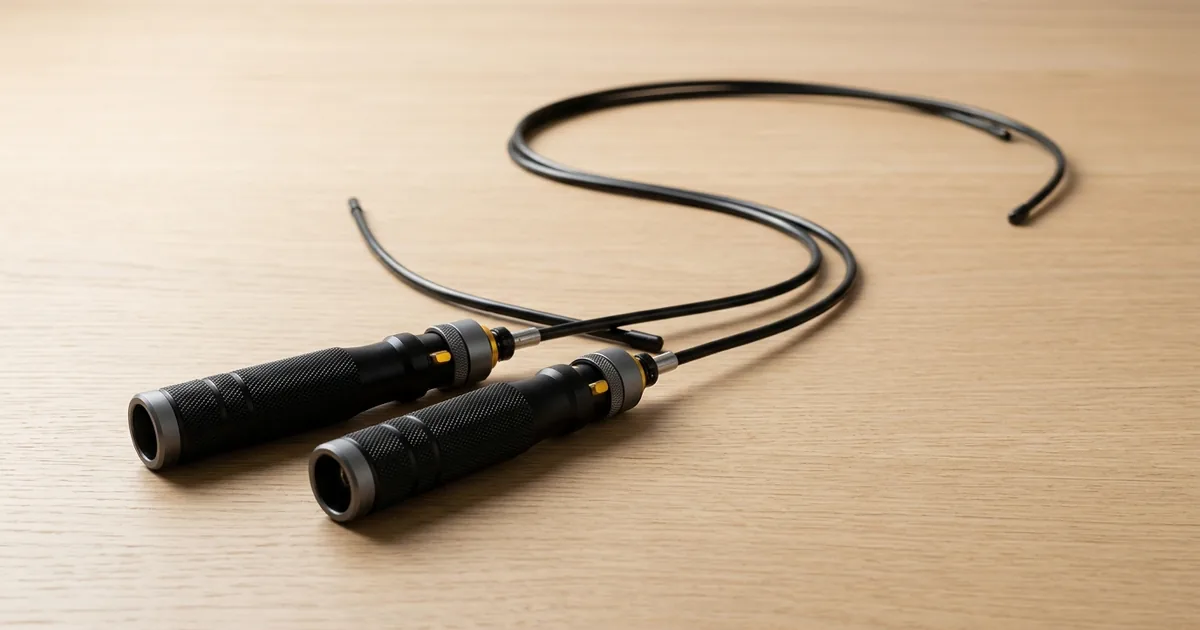
Bodyweight strength training is underrated because people assume it caps out quickly. It does not, if you use tools that increase the demand on your muscles and cardiovascular system. A beaded jump rope with adjustable, tangle-free cord is one of the most efficient strength-and-conditioning tools you can own. Skipping builds calf and shoulder endurance, reinforces coordination, and elevates heart rate fast enough to work as a finisher after a strength session or as a standalone 15-minute session on a rest day. Because it is adjustable, it works for any height, and because it is tangle-free, it does not waste your session untangling beads every thirty seconds, which matters when you are training in a compact living room.
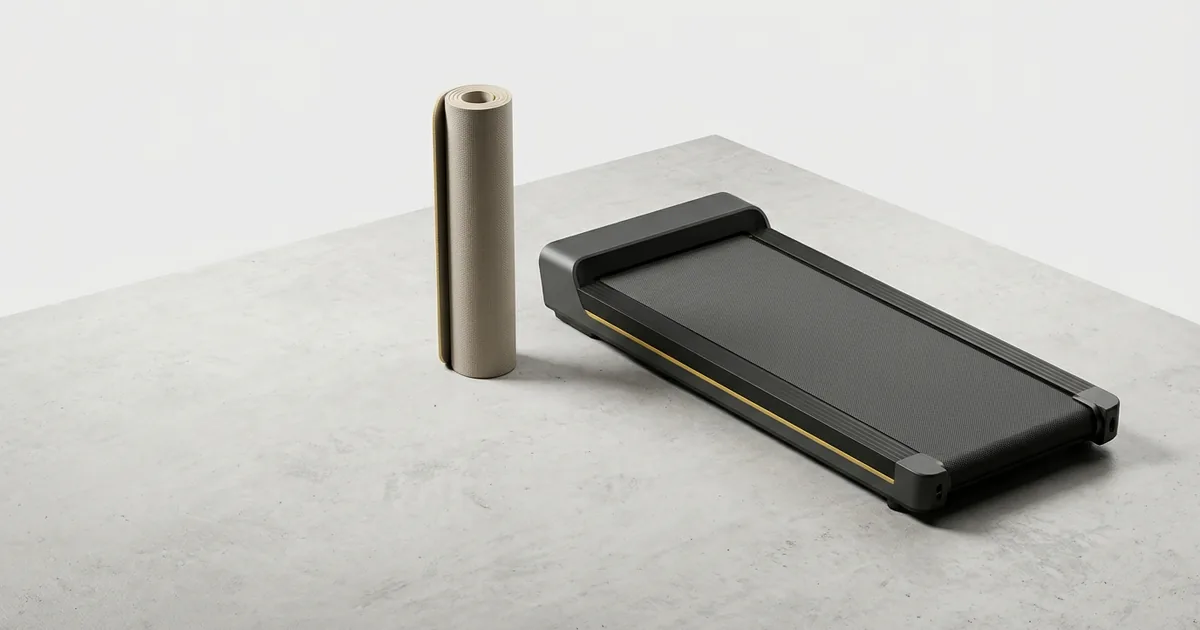
A vibration platform is the other bodyweight amplifier worth having. Standing, squatting, or holding a plank on a vibrating surface forces stabilizer muscles to fire continuously to maintain control. This increases the strength demand of basic bodyweight movements without adding external load, which is useful for people recovering from injury, older adults building bone density, or anyone who wants a lower-impact way to add intensity to squats, lunges, and core work.
Resistance bands and adjustable dumbbells remain the backbone of any serious home strength training gear collection. Bands are near-weightless, pack into a bag, and provide variable resistance that increases as the band stretches, which mimics the strength curve of many compound lifts. Adjustable dumbbells let you progress load without owning fifteen pairs of fixed weights taking up floor space. Together, these two tools cover pressing, pulling, and leg work for the vast majority of strength goals.
Strength training breaks muscle tissue down. Recovery, specifically protein intake and hydration, is what rebuilds it stronger. An electric protein shaker bottle removes the single biggest excuse people have for skipping post-workout nutrition, which is clumpy, poorly mixed shakes. A shaker that blends evenly in seconds means you actually drink your protein within the window that matters, instead of leaving a lumpy bottle in your gym bag until lunchtime. For anyone training early morning before a commute into Dubai or Riyadh, a shaker that works on the first try without manual shaking saves real time.
Gear is only useful when it sits inside a structured program. Below are three sample templates built specifically around a portable home strength training gear setup, ordered from beginner to travel-ready.
This template requires a pair of adjustable dumbbells, a resistance band, gloves or straps, and a jump rope. It takes 35 to 40 minutes per session and fits in any apartment living room.
Once the basic movement patterns feel controlled, intermediate lifters can split training into push, pull, legs, and conditioning days. This allows heavier loading per muscle group and more targeted use of the vibration platform for core and stability work, plus longer jump rope intervals for conditioning between strength blocks. A sample week looks like push (chest, shoulders, triceps), pull (back, biceps, grip work with straps), legs (squats, lunges, platform-based balance work), a conditioning day built around rope intervals, and a second upper-body day before resting.
Travel is where most home strength training plans fall apart, because people assume a hotel room cannot replicate a real session. A jump rope and a resistance band fit in any carry-on and cover an entire session: rope intervals for conditioning, banded squats and rows for strength, push-ups and planks for upper body and core. This is enough to maintain strength on a week-long trip to Jeddah, London, or anywhere else, without touching hotel gym machinery that is often outdated or occupied.
Not everyone training for strength wants the same outcome. Gear selection and program structure should shift based on the actual goal.
Strength training preserves muscle while you are in a calorie deficit, which keeps your metabolism higher than cardio-only approaches. Pairing resistance work with short jump rope intervals between sets keeps heart rate elevated and burns more total calories per session without extending workout length. A 40-minute session alternating three resistance exercises with one minute of rope work between rounds is one of the most time-efficient fat loss formats available at home.
Muscle gain requires progressive overload, meaning the resistance must increase over weeks and months. Adjustable dumbbells and thicker resistance bands allow this progression without new purchases every few months. Grip and joint support become more important here, since heavier pulling movements are where straps prevent your hands from failing before your target muscles do.
For people training simply to stay capable and injury-free into their 40s, 50s, and beyond, the vibration platform earns a bigger role. Controlled, low-impact strength and balance work on an unstable surface builds the stabilizer strength that prevents falls and joint injuries later in life, while still training major muscle groups through squats, lunges, and standing holds.
Anyone returning from injury or managing joint sensitivity benefits from bodyweight and band-based strength training before reintroducing heavier external load. The vibration platform again plays a role here, since it allows strength stimulus at lower absolute loads, which is gentler on recovering joints while still training the muscle.
Doing the same reps with the same resistance for months produces no further adaptation. Track your sessions and increase resistance, reps, or sets incrementally every one to two weeks.
Training bare-handed through heavier pulling and pressing work leads to blisters, calluses, and wrist strain that stop sessions before the target muscles are fatigued. Gloves and straps solve this cheaply and permanently.
Skipping post-workout protein because mixing a shake is inconvenient is a common, avoidable mistake. A reliable electric shaker bottle removes that friction entirely.
Bulky equipment that cannot be folded or stored becomes clutter and eventually gets abandoned. Every item in a home strength training gear setup should be chosen with storage and portability as a requirement, not an afterthought.
Beginners often try to copy advanced five-day splits before mastering basic movement patterns. Start with full-body sessions three times a week and progress from there.
Home strength training gear in the UAE spans a wide price range, and the right tier depends on how often you will train and how much space you have.
Resistance bands, a basic jump rope, and gym gloves fall into this tier. This is the right starting point for anyone unsure how consistent they will be, since the investment risk is low.
Adjustable jump ropes with better bearings, quality lifting straps, and an electric protein shaker bottle sit here. This tier is worth it once you are training three or more times a week consistently.
A vibration platform and adjustable dumbbell sets fall into this category. These are durable, long-term purchases suited to people who have already proven they will use home strength training as their primary training method, not a short-term experiment. Check the new arrivals regularly, since gear in this tier is refreshed with updated models and better pricing throughout the year.
You do not need a spare room. A 1.5 by 1.5 meter corner is enough for a full home strength training gear setup if you choose foldable and stackable items. Store resistance bands and gloves in a small drawer or hook system near the door, keep the jump rope coiled on a hook, and slide the vibration platform under a bed or sofa when not in use. Hard flooring such as tile, common in most Dubai and Riyadh apartments, works well for jump rope sessions, but a thin rubber mat protects the floor and reduces noise for downstairs neighbors, which matters in shared buildings.
If you live in a villa with more space in Riyadh or Jeddah, the same gear scales up easily, you simply have more room to add a bench or a second set of dumbbells later without needing to rebuild the entire setup.
Resistance bands degrade faster in direct sunlight and high heat, so store them away from windows during summer months. Wipe down gloves and straps after sweaty sessions to extend the material life. Jump rope bearings last longer when the rope is coiled loosely rather than wrapped tightly. An electric shaker bottle should be fully dried between uses to prevent odor buildup in the blending mechanism. None of this takes more than a few minutes a week, and it is the difference between gear lasting one year or three.
Week 1 to 2 focus on learning movement patterns: three full-body sessions a week using bodyweight and light band resistance, with 10 minutes of jump rope at the end of each session. Week 3 to 4 add adjustable dumbbells and increase one variable at a time, either reps, sets, or resistance, while introducing short vibration platform holds at the end of leg-focused days. By week five, most beginners are ready to move into a four-day split without needing any new gear beyond what they started with.
Strength training does not require a commute, a membership, or a room full of machinery. A focused set of portable gear, resistance bands, adjustable dumbbells, a reliable jump rope, grip support, a vibration platform, and a shaker bottle that actually mixes properly, covers every major goal from fat loss to longevity. Build the habit first with starter-tier gear, then invest further once consistency is proven. Whether you are training in a Dubai apartment, a Riyadh villa, or a hotel room between flights, the right gear makes strength training something you can do anywhere, on your schedule, without excuses.
Yes. Resistance bands, bodyweight movements, and tools like a vibration platform create enough progressive resistance for significant strength gains, especially for beginners and intermediate lifters. Heavier, more advanced lifters eventually benefit from adding adjustable dumbbells, but early and mid-stage progress does not require them.
A functional starter setup, including resistance bands, gym gloves, and a jump rope, typically costs under AED 300 total. Adding an electric shaker bottle and upgrading to better straps pushes the mid-tier setup closer to AED 600 to AED 800, while a vibration platform is a separate investment-tier purchase.
Three sessions a week is the minimum effective dose for most goals, with 48 hours of rest between sessions targeting the same muscle groups. Intermediate lifters often move to four or five sessions a week once recovery and technique are solid.
Both. Standing or holding positions on a vibration platform forces stabilizer muscles to work harder, which adds a genuine strength and balance training effect to bodyweight exercises like squats, lunges, and planks, in addition to its use for muscle recovery and circulation.
Light band work causes less grip strain than heavier pulling movements, but gloves still protect your hands from friction and calluses. Straps become more important once you progress to heavier dumbbells or longer pulling-based sessions where grip fatigue limits your sets before your target muscles are fully worked.

Last updated: November 4, 2026 The best time to exercise in UAE is not a single fixed hour, it is
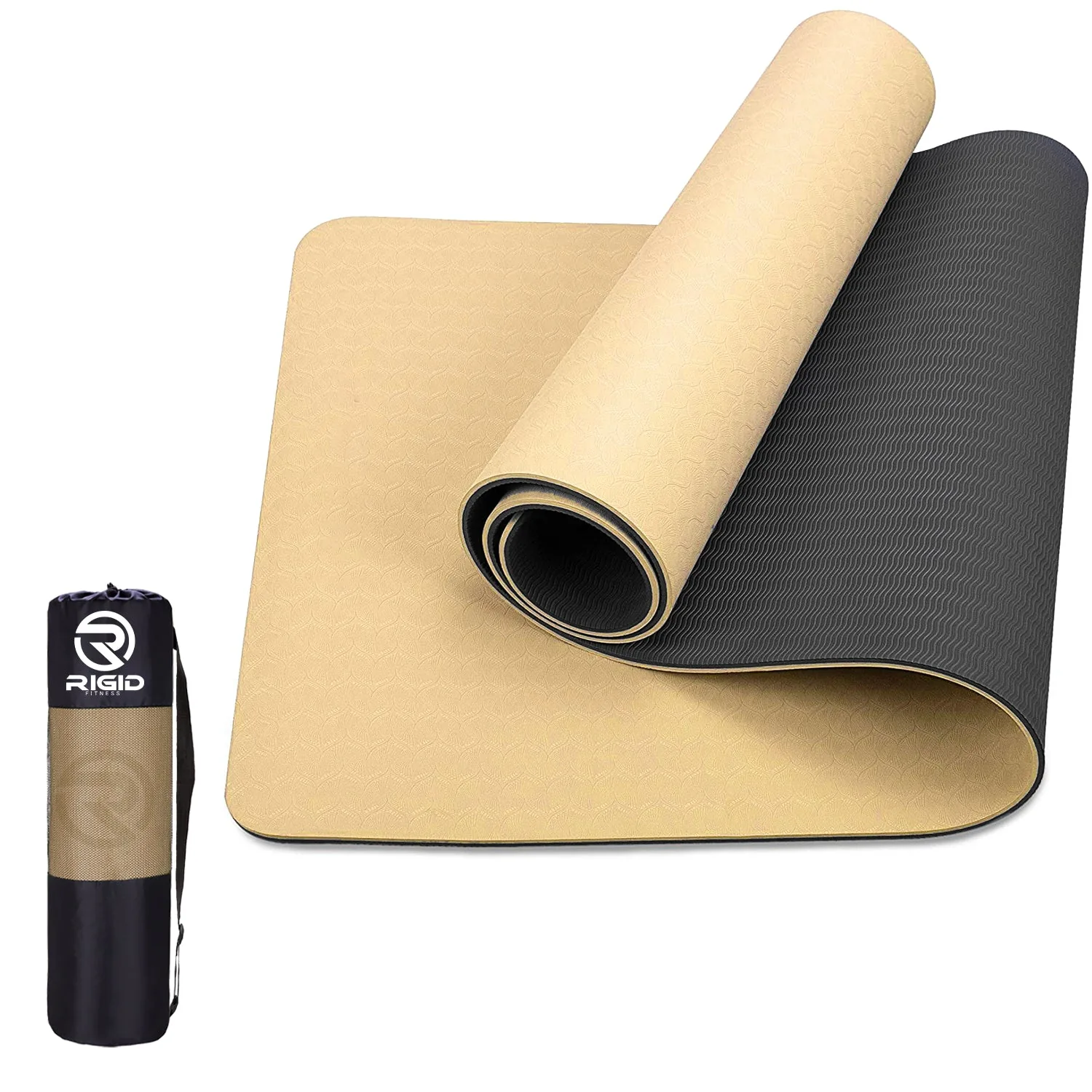
Looking for fitness gifts in the UAE, or gifts for gym lovers who train at home? This guide sorts our
Last updated: November 1, 2026 A digital skipping rope with counter turns a basic cardio tool into a data-driven training