

Last updated: November 8, 2026
A full body resistance band workout gets you a complete training session without a single plate, bar or heavy machine in sight. One set of bands, a few square feet of floor space and 30-40 minutes is enough to hit your chest, back, shoulders, arms, glutes, legs and core in one sitting. That is the entire appeal, and it is why bands have become the default travel and home training tool for people who refuse to skip a session just because they are away from a rack.
This guide breaks down why bands work, what gear you actually need, how to structure a session, and gives you ready-to-run workouts for beginner, intermediate and advanced levels. No fluff, just a system you can start using today.
Bands get dismissed as a “light” option. That reputation is outdated. The resistance curve of a band is different from a dumbbell, not weaker. A dumbbell is heaviest at the bottom of a curl and lightest at the top. A band does the opposite, tension increases as you stretch it, which means your muscles stay under load through the entire range of motion instead of coasting at the top.
With free weights, momentum can carry a rep. With a band, there is no momentum to steal, the resistance only grows the further you pull. That forces slower, more controlled reps and recruits stabilizer muscles that barely activate with a barbell. For hypertrophy and muscular endurance work, this is a real advantage, not a compromise.
Bands load the muscle without the same compressive stress a loaded bar places on the spine, hips and knees. That makes a full body resistance band workout a smart option if you are training around a joint issue, returning from injury, or simply want a lower-impact session between heavier gym days.
A single set of loop bands or tube bands with handles can load a chest press, a row, a squat, a deadlift pattern, a shoulder press, a bicep curl, a tricep pushdown and a core rotation. No other single piece of portable gear covers that much ground. That is the core reason bands sit at the center of any serious home or travel training setup.
You do not need a wall of equipment. A proper band setup is small by design. Here is what actually earns a place in your bag.
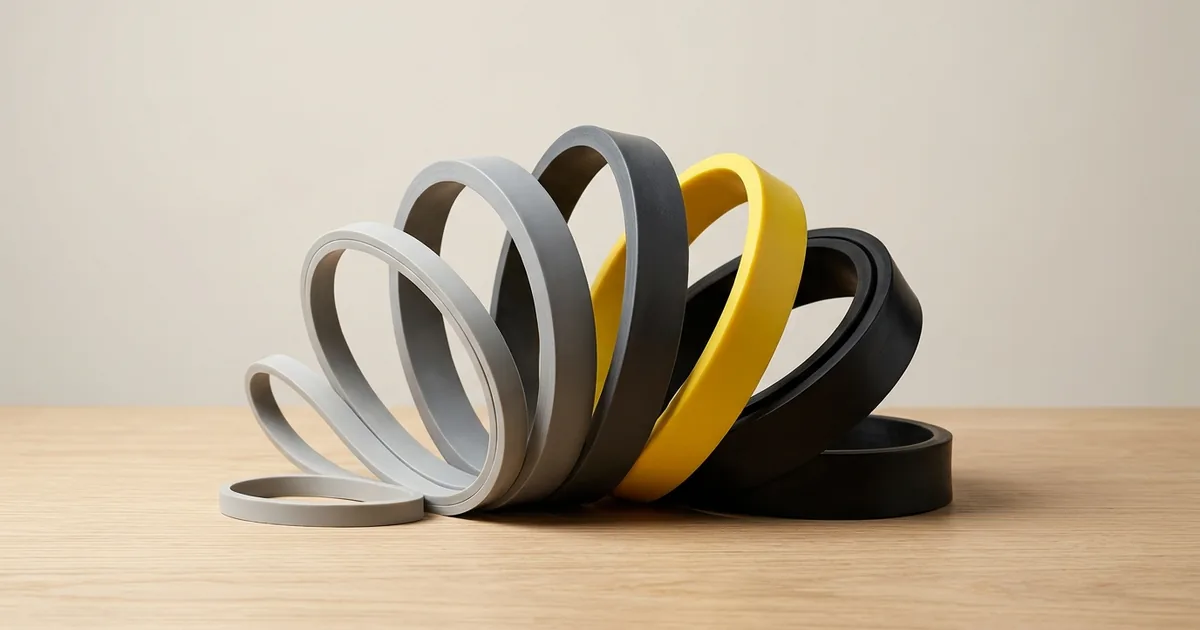
Short continuous loops, usually color-coded by resistance. Best for glute activation, lateral walks, hip work and warm-ups. Keep a light, medium and heavy loop in your kit.
These attach to a door anchor or your own feet and mimic cable machine movements, rows, presses, curls, pushdowns. This is the category that turns a band workout into a true full body session because it covers upper body pulling and pushing patterns that loop bands cannot replicate well.
Useful for shoulder prehab, rotator cuff work and finishing burnout sets. Not essential on day one, but a strong addition once your base routine is established.
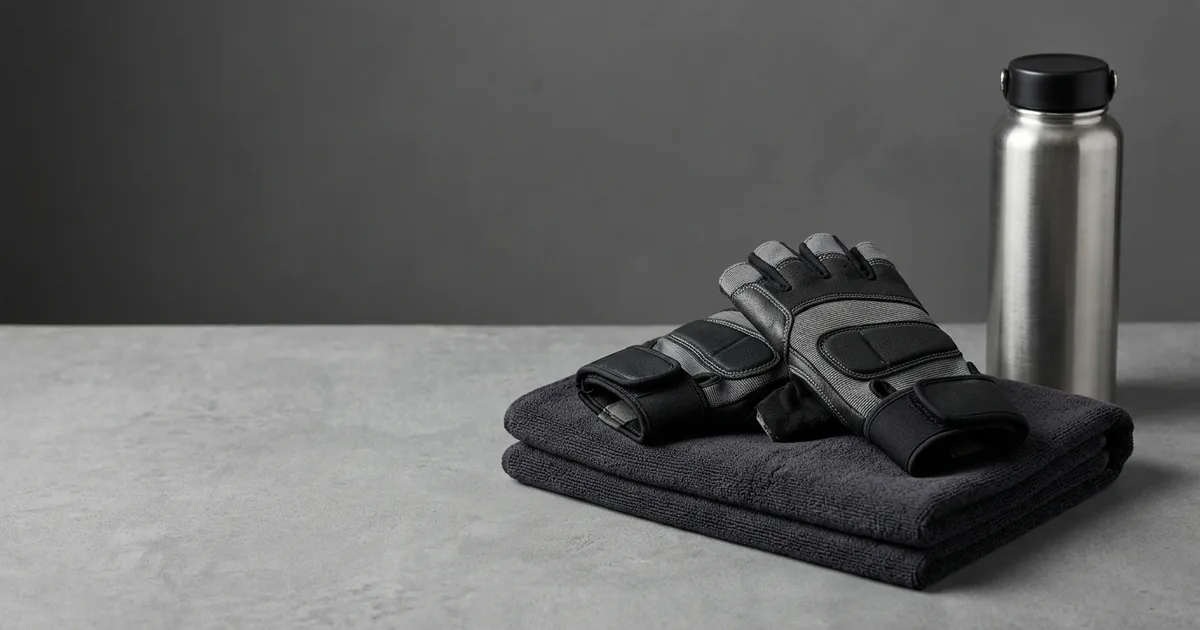
Heavier bands under tension put real strain on your hands during rows and pulldowns. A pair of gym gloves or lifting straps protects your grip and lets you finish a set on muscle fatigue instead of hand fatigue. Browse the gym gloves and straps range if your palms are the limiting factor before your muscles are.
Band quality varies a lot, cheap latex tears and loses tension fast. If you are building or upgrading a kit, check the new arrivals category for the latest resistance gear drops before committing to a set.
A good session follows a logical order, not a random list of exercises. Structure it like this every time and your results compound week over week.
Light loop band work for the glutes and shoulders. This wakes up the muscles you are about to train and primes the nervous system. Think band pull-aparts and lateral band walks at low intensity.
Squats, deadlifts and lunges under band tension. These are your biggest muscle groups, train them while you are freshest.
Chest press, rows, overhead press, lat pulldown pattern. Alternate push and pull movements to keep the session balanced and to let one muscle group recover while the other works.
Bicep curls, tricep extensions, lateral raises. Smaller muscles, lower fatigue cost, good place to add volume.
Pallof press, woodchoppers, plank rows. Core work ties the whole body together and should close out the session, not open it.
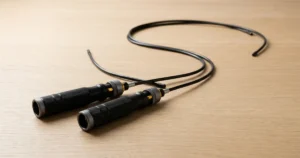
A short cardio burst keeps the session efficient instead of adding a separate cardio day. A beaded jump rope works well here because it is compact, adjustable and travels in the same bag as your bands. Check the adjustable beaded jump rope if you want a tangle-free option for interval finishers.
Focus on form and range of motion before adding intensity. Rest 45-60 seconds between sets.
Add tempo and reduce rest to 30-45 seconds. Pair push and pull exercises as supersets.
Shorten rest to 20-30 seconds, add drop sets by stepping further onto the band mid-set to increase tension, and finish every session with a cardio interval.
Use bands to add accessory volume after your main lifts, or to pre-exhaust a muscle group before heavier work. A vibration platform session before or after training also helps loosen tight muscles and can shorten your warm-up time. Look at the vibration platform if you want a faster way to prep the body before a band session or cool down after one.
A door anchor turns any room into a full station. Keep your bands, a mat and a jump rope in one bag by the door so there is zero setup friction between deciding to train and starting.
This is where bands earn their reputation. They weigh almost nothing, fit in a laptop bag, and need no anchor if you use floor-based or self-anchored movements like squats, curls and presses performed by standing on the band. A hotel room is enough space for an entire full body resistance band workout.
A band heavy enough to challenge your squat will be too light to challenge your bicep curl, and a band light enough for curls will be useless for rows. Keep at least two or three resistance levels in rotation and match the band to the muscle group.
The eccentric, or lowering phase, is where a lot of the muscle-building stimulus happens. Control the return instead of letting the band yank your arm or leg back into position.
Anchoring too high or too low changes the line of resistance and can turn a chest press into a shoulder press by accident. Match the anchor height to the exercise: chest height for presses and rows, overhead for pulldowns and tricep work, floor level for curls and deadlifts.
Bands make it easy to plateau because the resistance feels the same rep after rep. Progress by increasing reps, slowing the tempo, reducing rest time, or moving up to a heavier band. Treat band training with the same progression mindset you would apply to free weights.
Buy a set that includes at least three resistance levels, a door anchor, and either fabric handles or comfortable grips. Latex tube bands with interchangeable handles give you the most exercise variety for the lowest price point in AED, while fabric loop bands last longer for lower body work where friction against skin and clothing wears material down faster. If you train hard enough that your hands fatigue before your target muscle does, add a pair of gloves or straps to the kit so grip never becomes the bottleneck on rows, pulldowns and curls.
A full body resistance band workout fatigues the entire body at once, so recovery matters more than it does after a single muscle group split. Hydrate during the session and get a protein dose in within the hour after training to support muscle repair. An electric protein shaker bottle makes that step effortless when you are heading straight from a workout to the rest of your day, no clumping, no separate blender needed.
Sleep and light movement the next day matter just as much. A short vibration platform session or a slow walk helps clear soreness faster than sitting still, especially after a session that hit legs, back, chest and core in the same 40 minutes.
A full body resistance band workout is not a scaled-down version of a gym session, it is a complete training system built around constant tension, joint-friendly loading and total portability. Build your kit with a few resistance levels, a door anchor and solid grip support, follow a structured order from activation through to a finisher, and progress the same way you would with any other tool: more reps, less rest, heavier bands. Whether you are training in a gym, a spare room, or a hotel room on the other side of the world, the workout travels with you.
Yes. Bands provide constant tension through the full range of motion, which is a strong driver of muscle growth when you progress reps, tempo and resistance level over time. Many lifters use bands as their primary tool when travel or space rules out free weights.
Three is a practical minimum: a light band for arms and shoulder isolation, a medium band for rows and presses, and a heavy band for squats, deadlifts and glute work. A door anchor and a pair of handles complete the kit.
Three to five sessions a week works for most people, since bands are lower-impact than heavy free weight training. Beginners should start at three sessions with a rest day between each, then add frequency as recovery allows.
For the length of a trip, yes. A full set of bands covers push, pull, leg and core patterns well enough to maintain strength and conditioning until you are back to a fuller setup. Pack them with a compact jump rope for a cardio option in the same bag.
If you notice your grip failing before your target muscle on rows, pulldowns or curls, gloves or straps remove that limitation so you can push the working muscle to proper fatigue instead of stopping early because of hand strain.

Last updated: November 8, 2026 A home gym setup under AED 1000 is not about buying less, it is about
Last updated: November 4, 2026 Strength training does not require a rack of iron plates or a membership card. It
Last updated: November 4, 2026 The best time to exercise in UAE is not a single fixed hour, it is