Last updated: August 16, 2026
A sweat towel is the cheapest performance upgrade in your gym bag, and most people still get it wrong. They grab an old bath towel, a hotel-gym freebie, or nothing at all, then wonder why their grip slips on the bar or why their skin breaks out after leg day. The best sweat towel for gym workouts is not a luxury item. It is a functional piece of gear that protects your hands, your equipment access, your skin, and your training focus. This guide breaks down exactly what to look for, how to use a towel properly during training, and how to keep it clean enough to actually help you instead of hurting you.
Why Your Sweat Towel Matters More Than You Think
Sweat is not just a byproduct of effort. It is a slip hazard, a bacteria carrier, and a hygiene issue that affects everyone who shares gym benches, mats, and handles after you. A proper towel solves three problems at once.
- Grip control. Wet palms on a barbell or pull-up bar cost you reps and increase injury risk. Wiping down between sets keeps your grip consistent from the first set to the last.
- Surface hygiene. Benches, mats, and vibration plates collect sweat fast. Wiping the surface before and after use is basic gym etiquette and it protects you from whatever the last person left behind.
- Skin health. Sweat sitting on skin for an hour under gym clothing is a fast track to breakouts and irritation, especially in the UAE and KSA heat where sessions run hotter and sweat volume is higher year-round.
None of this requires an expensive solution. It requires the right towel, used consistently.
What Makes a Gym Towel “Best” – Key Buying Criteria
Not all towels perform the same under training load. Here is what actually separates a functional sweat towel from one that ends up soaked and useless by set three.
Material: Microfiber vs Cotton
Cotton towels are familiar and soft, but they are slow to absorb, slow to dry, and bulky to carry. Once a cotton towel is damp, it stays damp for the rest of your session and starts smelling by the second half of your workout.
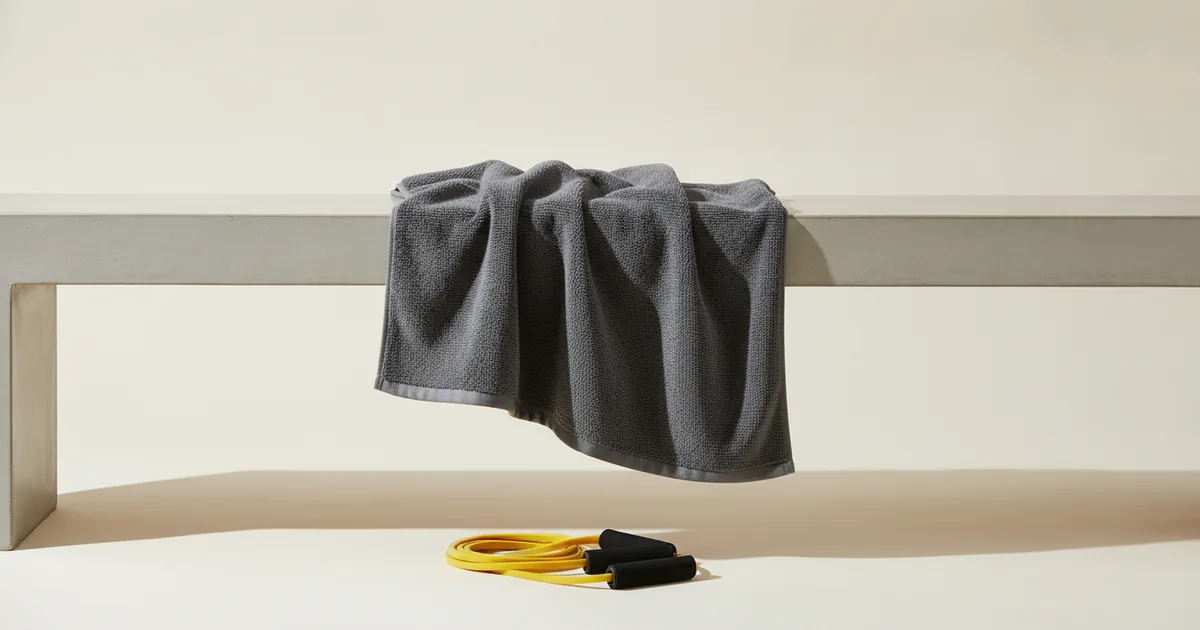
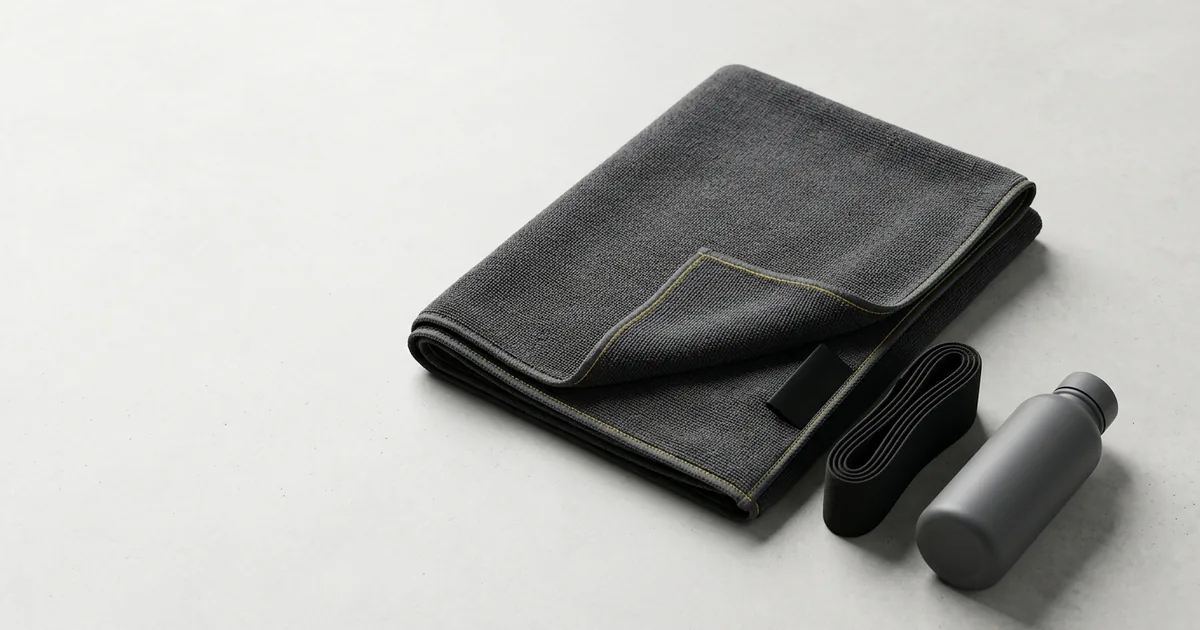
Microfiber is the better choice for anyone training seriously. It absorbs several times its weight in moisture, dries fast between wipes, and packs down small enough to fit in a side pocket or gym bag pouch. The microfiber workout towels from Rigid Fitness are built specifically for this, with a weave designed to pull sweat off skin and surfaces without leaving residue behind. If you are only upgrading one piece of gear this year, this is the one that pays off every single session.
Size and Portability
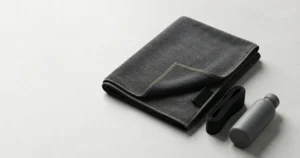
A towel that is too small forces you to keep flipping it to find a dry section. A towel that is too large becomes dead weight in your bag. The sweet spot for most training sessions is a mid-size gym towel, big enough to wipe down a bench or mat in two or three passes, small enough to fold flat and travel with you. If your training moves between gym, home, and hotel gyms on trips, portability is not optional. It is the whole point.
Absorbency and Dry Time
Absorbency is only half the equation. A towel that soaks up sweat but takes hours to dry becomes a damp, bacteria-friendly cloth by your next session. Look for quick-dry microfiber that releases moisture fast when air-dried, so it is ready to use again the next day without smelling musty.
Odor Resistance
Heat and humidity across the UAE and KSA make odor control a real factor, not a minor detail. Cheap towels trap bacteria in the fibers and start smelling after a handful of uses, even with regular washing. Quality microfiber resists this far better because the tighter weave gives bacteria less to hold onto, and it rinses clean faster in the wash.
Best Sweat Towel Types for Different Workouts
The right towel depends partly on where and how you train. Here is how to match your gear to your routine.
Gym Floor Sessions
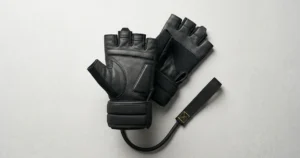
For weight room training, you need a towel that can handle repeated wipe-downs across a full session, bench, bar, handles, mats. A mid-size microfiber towel draped over your shoulder or looped through your bag strap keeps it accessible between sets without slowing you down. Pair it with a solid grip setup from the gym gloves and straps range if sweaty palms are already costing you reps on pulling movements. Dry hands plus a clean bar means your grip lasts as long as your legs do.
Home Workouts
Home training sessions often run hotter and sweatier than gym sessions because there is no air conditioning cycling through a large open floor. If you are using a vibration plate for recovery or activation work, keeping a towel within reach matters even more, since the plate surface picks up sweat fast during standing exercises. A compact microfiber towel next to your setup means you wipe down before moving to the next exercise instead of tracking sweat across your mat or flooring.
Travel and Outdoor Training
Hotel gyms, outdoor circuits, and travel workouts all demand a towel that packs small and dries fast. This is where microfiber has zero competition against cotton. A cotton towel takes up a third of your gym bag and stays wet in your suitcase for days. A folded microfiber towel takes up a fraction of the space and is dry again within an hour of use, which matters when you are packing for a multi-day trip and reusing the same towel each session.
How to Use a Sweat Towel the Right Way
Owning the right towel only helps if you actually use it correctly during training. Most people underuse their towel and end up with the exact hygiene and grip problems it was meant to solve.
- Wipe surfaces before you use them, not just after. This protects you from whoever trained before you and sets the standard for the person after you.
- Keep it within arm’s reach, not in your bag. A towel buried in your gym bag across the room does nothing between sets. Drape it on the rack, loop it through your bag strap, or keep it on the bench next to you.
- Wipe your palms before grip-dependent lifts. Pull-ups, deadlifts, and rows all suffer the moment your grip starts slipping. A three-second wipe before you set up saves you from a missed rep.
- Use a separate section for your face versus equipment. Mentally divide your towel, one side for wiping your face and neck, the other for wiping benches and handles. This limits cross-contamination during your own session.
- Air it out between sessions. Never stuff a damp towel straight back into a sealed gym bag. Hang it to dry as soon as you get home, even if you are not washing it immediately.
Sweat Towel Care – Washing, Drying, Storage
A towel is only as hygienic as its last wash. Here is how to keep yours performing instead of becoming the problem it was meant to solve.
Washing Frequency
Wash your gym towel after every one to three uses depending on session intensity and how much you sweat. Heavy training sessions in hot climates push this toward washing after every single use. Letting a damp towel sit for multiple days between washes is how bacteria and odor take hold, even with premium microfiber.
Washing Method
Machine wash in cold or warm water, never hot, since heat breaks down microfiber fibers over time and reduces absorbency. Skip fabric softener entirely. Softener coats the fibers with a residue that blocks the towel’s ability to absorb moisture, which defeats the entire purpose of a performance towel. A small amount of regular detergent is all you need.
Drying Method
Air dry when possible, or use a low-heat tumble dry setting. High heat damages microfiber over repeated cycles and shortens the towel’s usable life. If you are traveling and cannot machine wash between sessions, rinse with water and mild soap, wring thoroughly, and hang flat to dry before your next use.
Storage Between Washes
Never fold a damp towel into a bag or drawer. Hang it somewhere with airflow until fully dry, then fold and store. This single habit prevents the mildew smell that ruins even good-quality towels within a few weeks of ownership.
Building a Complete Sweat-Ready Kit
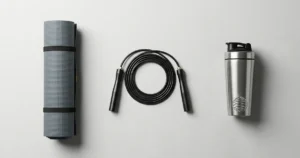
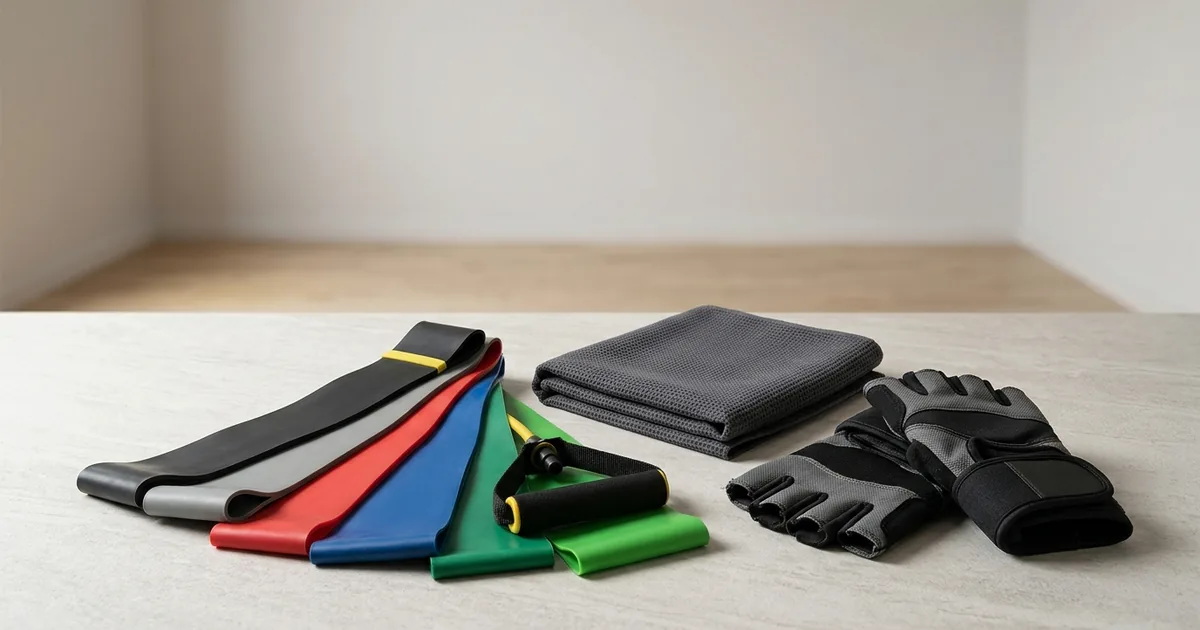
A towel works best as part of a full training setup rather than as a standalone item. If you are already investing in your session quality, a few additions round out the kit:
Browse the full new arrivals collection if you are restocking your gym bag for the year and want everything sized for gym, home, and travel use in one pass.
Conclusion
The best sweat towel for gym workouts is not the biggest or the softest one you own. It is the one you actually carry, actually use between sets, and actually wash often enough to trust. Microfiber beats cotton on every metric that matters for training, absorbency, dry time, portability, and odor control. Get the material right, build the habit of wiping down before and after use, and wash it on a schedule instead of when it starts smelling. That is the entire system, and it costs far less than the reps or skin issues you avoid by using it.
Frequently Asked Questions
How often should you wash a gym towel?
Wash your gym towel after every one to three uses, depending on session intensity. If you train hard or sweat heavily, especially in hot climates like the UAE or KSA, wash it after every single use. Leaving a damp towel unwashed for several days allows bacteria and odor to build up even in high-quality microfiber.
Is microfiber better than cotton for a gym towel?
Yes, for training purposes. Microfiber absorbs more moisture, dries far faster between wipes, and packs down smaller than cotton. Cotton stays damp for hours after use and takes up more space in a gym bag, making microfiber the stronger choice for gym, home, and travel workouts.
What size sweat towel is best for the gym?
A mid-size towel works best for most training sessions. It should be large enough to wipe down a bench or mat in two to three passes but compact enough to fold flat and fit in a gym bag pocket or travel bag without adding bulk.
Can you use the same towel for your face and gym equipment?
You can, but it is better to mentally divide the towel into sections, one side for your face and neck, the other for benches, handles, and equipment. This reduces cross-contamination during a single session and keeps the towel more hygienic overall.
Why does my gym towel smell even after washing?
This usually comes from using fabric softener, washing in low quantities of detergent, or storing the towel damp before it fully dries. Skip softener, use a proper detergent amount, and always hang the towel to air dry fully before folding it away.