
Last updated: October 18, 2026
A gym water bottle is not an accessory you grab at checkout without thinking. It decides how much you drink during a session, how often you break your set to refill, and whether your bag smells like a locker room by Thursday. Most lifters and home-gym owners in the UAE and KSA own three or four bottles that failed them in some way – too small, too heavy, leaked in the gym bag, or grew a smell no amount of soap could fix. This guide breaks down exactly what separates a gym water bottle built for training from a bottle that just happens to hold water, so your next purchase is the last one you make for a while.
Hydration is not a side detail of a workout, it is a performance variable. A drop of just 2% in body water can measurably reduce strength output, slow reaction time, and raise perceived effort during a session. In hot climates like the UAE and KSA, where gym air conditioning can still leave you sweating heavily through a session, fluid loss happens faster than most people realize. A 45-60 minute strength session in a warm environment can cost you 0.5 to 1.5 liters of sweat, even indoors.
The bottle you carry directly controls how much of that loss you replace. A bottle that is too small forces constant walking to the water cooler, which breaks focus and rest timing. A bottle that is hard to open one-handed interrupts your set. A bottle that leaks ruins your bag, your phone, and your mood. None of this is dramatic on its own, but across a year of training, a badly chosen bottle adds friction to a habit that should run on autopilot.
Under-hydration during a workout does not just slow you down in the moment. It increases heart rate at a given workload, raises core temperature faster, and makes your perceived exertion climb even when the actual weight on the bar has not changed. For anyone training in the heat of Riyadh, Jeddah, Dubai, or Abu Dhabi, this is not a minor factor, it is one of the biggest invisible limiters on a hard training block. A gym water bottle that is genuinely easy to drink from, every rep, every set, removes the excuse to skip sips until you are already behind.
These three categories get confused constantly, but they solve different problems.
Most serious gym-goers end up carrying two separate bottles, one for plain water and one shaker for pre- and post-workout nutrition. Trying to force one bottle to do both jobs usually means a bottle that is mediocre at drinking fast and mediocre at mixing smooth.
The material decides weight, durability, insulation, taste, and how the bottle survives being thrown in a gym bag next to a loaded plate.
Double-wall stainless steel bottles keep water cold for 12-24 hours and resist dents from being dropped on a gym floor. They are heavier empty than plastic, which matters if you are already carrying a loaded bag, but the durability and insulation make them the top choice for anyone training outdoors or in extreme heat. They do not hold flavor or odor the way plastic can over time, and they survive years of daily use without cracking.
Lightweight, shatter-resistant, and usually the cheapest option in AED terms. A good Tritan bottle is dishwasher safe, clear enough to track your intake visually, and tough enough to survive being dropped. The tradeoff is no insulation, so water warms up fast in a hot car or under direct sun, and over months of heavy use some plastics can start to hold onto odors from sweat-handled grips or leftover drops of flavored water.
Glass bottles taste the cleanest and never hold odor, but they have no place in an active gym bag. One drop on a tiled gym floor and it is finished. Skip glass entirely for training use, keep it for desk or home sipping only.
Insulated bottles (double-wall vacuum design) keep drinks cold through a full outdoor session or a long travel day, which matters more in GCC heat than almost anywhere else. Non-insulated single-wall bottles are lighter and cheaper but your water matches room or outdoor temperature within 30-45 minutes. If you train outdoors, in a garage gym, or travel between air-conditioned and non-air-conditioned spaces, insulation is worth the extra weight and AED.
Capacity should match your session length, your sweat rate, and whether you refill during training or only before and after.
| Session Type | Recommended Capacity | Why |
|---|---|---|
| Short strength session (30-45 min) | 500-750 ml | Enough for the session without needing a mid-workout refill |
| Standard gym session (45-75 min) | 750ml-1L | Covers warm-up through cooldown in most climates |
| Long training block, outdoor, or hot climate | 1-1.5L | Matches higher sweat loss without constant refilling |
| All-day carry (travel, office, gym combined) | 1.5-2L | One fill covers the full day, fewer refill stops |
A bottle that is too large becomes a weight you do not want to carry around the gym floor between stations. A bottle that is too small means more trips to the fountain, which breaks your rest timer and your focus between sets. Match the size to how you actually train, not how much you wish you drank.
This is the single biggest factor in daily usability.
If your training style involves short rest periods where you want to drink in 5-10 seconds without putting a dumbbell down, a flip-top or straw lid wins. If you mostly drink before and after work sets, a screw-top is fine and usually leaks less over time.
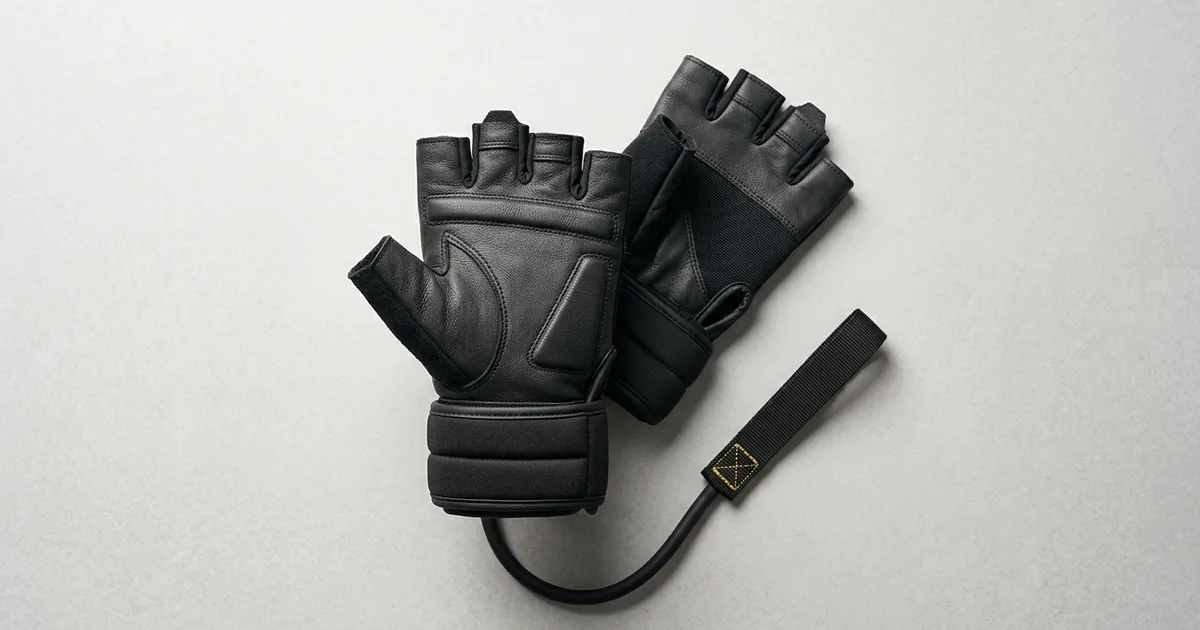
A bottle that slides out of a sweaty hand is a hazard, not an inconvenience. Textured silicone sleeves, grooved exteriors, and a side handle or carabiner loop all matter more than they look like they should on a product page. If you train with gym gloves or wrist straps, check that the bottle’s grip texture still works when your hand is covered by fabric, since a grip designed only for bare skin can feel slick through gloves.
Test this before it costs you a phone or a laptop. A genuinely leak-proof bottle should survive being turned fully upside down and shaken without a single drop escaping. Cheap seals degrade within months of daily gym bag use, so check if replacement gaskets are available before committing to a bottle long-term.
Printed volume markers on the side of the bottle make it easy to track intake across a day without guessing. This matters most for anyone following a specific hydration target, whether that is a flat daily liter goal or a per-kilogram-bodyweight target set by a coach.
A bottle that does not fit your gym bag’s side pocket defeats its own purpose. Measure your bag’s bottle pocket or holder before buying a wide-body bottle, especially insulated steel models which tend to run wider than slim plastic sports bottles of the same capacity.
Rest periods are longer, so flow speed matters less than capacity and durability. A 1L insulated steel bottle that can survive being set down next to a loaded barbell or dropped from a bench is the right call here. Screw-top lids are fine since you have time between sets to drink properly.
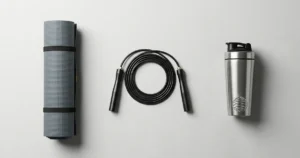
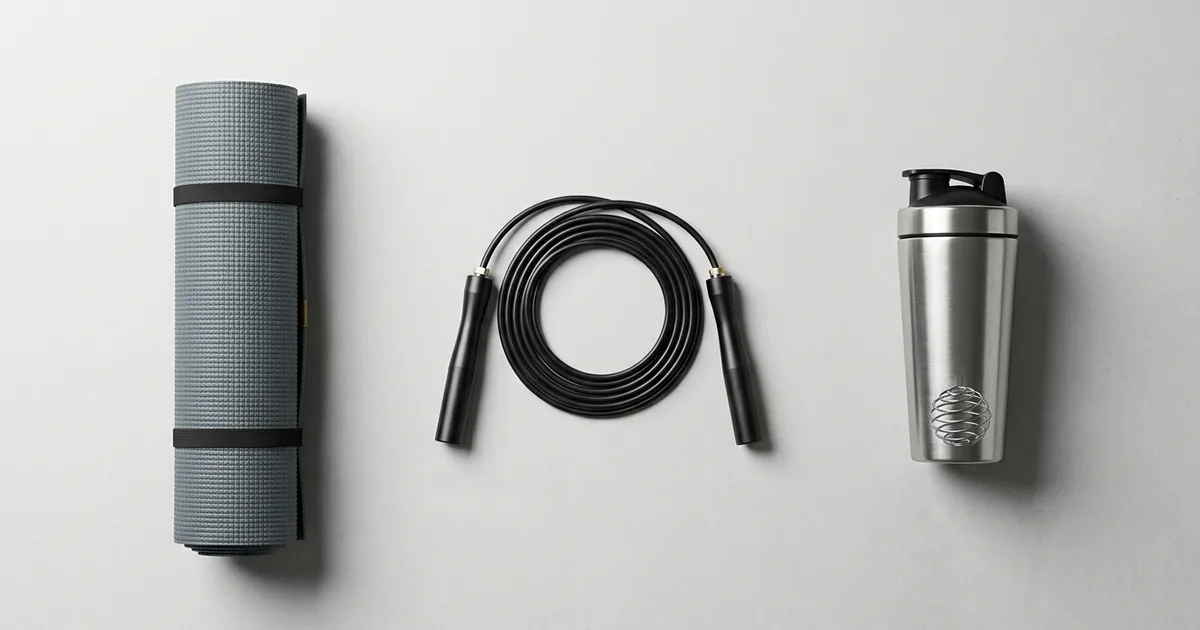
Rest windows are short, sometimes 15-30 seconds, so a flip-top or straw lid that delivers water fast without fumbling is essential. A mid-size 600-750ml bottle keeps weight down during circuits that involve carrying the bottle station to station, paired well with fast accessories like a beaded jump rope for rope-based conditioning blocks where hydration breaks happen between rounds, not mid-rep.
Sessions on a vibration platform or other home training gear tend to run shorter but more frequent, often multiple times a week in bursts of 10-20 minutes. A compact bottle kept on a nearby shelf or table beats a large one you need to walk to the kitchen for, especially mid-session when the platform is running.
If you train across hotel gyms, outdoor sessions, and home workouts in the same week, prioritize a bottle that is leak-proof enough to go in a suitcase, collapsible or slim enough to pack flat, and durable enough to survive baggage handling. Insulated steel is heavier for travel, so many frequent travelers choose a tough BPA-free plastic bottle instead and accept the tradeoff on temperature retention.
General sports science guidance suggests roughly 150-350 ml every 15-20 minutes of moderate to intense training, adjusted upward in hot and humid conditions like most of the UAE and KSA for much of the year. A simple practical approach:
For sessions longer than 60 minutes or anything done outdoors in peak heat, adding electrolytes becomes worth considering, since plain water alone does not replace the sodium and minerals lost through heavy sweating. A bottle with clear volume markings makes it far easier to actually hit these numbers instead of guessing.
Rinse with warm water after every use, even if it looks clean. Residue from sweat-covered hands and saliva builds bacteria faster in a warm gym bag than in open air. Leaving a damp bottle sealed shut overnight is one of the fastest ways to create odor problems.
Use a bottle brush to scrub the interior, the lid threading, and especially the straw or flip-spout mechanism, since these narrow channels trap moisture and residue that a simple rinse never reaches. A mix of warm water and a small amount of baking soda left to sit for 30 minutes before scrubbing handles most buildup without needing harsh chemicals.
If a smell has already set in, a solution of white vinegar and water left overnight, followed by a full scrub and air-dry with the lid off, usually resolves it. Stainless steel resists this problem far better than plastic over the long run, which is one more reason it holds up better for daily gym use across months and years rather than weeks.
Check manufacturer guidance before assuming a bottle is dishwasher safe, since high heat can warp plastic lids or degrade rubber seals faster than hand washing. When in doubt, hand wash the lid and seal separately even if the main body is dishwasher rated.
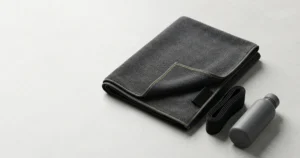
A gym water bottle works best as part of a coordinated kit rather than a standalone purchase. A practical setup for most lifters and home-gym owners looks like this:
For anyone building out a full kit from scratch, it is worth browsing the latest gear additions before settling on individual pieces, since matching capacities, materials, and carry styles across your kit reduces the number of bags and pouches you need to manage on gym days.
Run through this before buying your next gym water bottle:
A gym water bottle is a small purchase with a bigger impact on your training than most people give it credit for. The right size keeps you hydrated without extra trips to the fountain. The right lid keeps your rest periods short and your sips fast. The right material survives your gym bag, your climate, and years of daily use instead of months. Match the bottle to how you actually train, keep it clean, and pair it with the rest of your kit rather than treating it as an afterthought. Get this one detail right and it quietly removes friction from every single session you train from here on.
For a standard 45-75 minute session, 750ml to 1 liter covers most people without needing a mid-workout refill. Shorter sessions under 45 minutes work fine with 500-750ml, while longer or outdoor sessions in heat may need 1-1.5 liters.
Stainless steel insulated bottles keep water cold longer, resist dents, and do not hold odor over time, making them better for heat and daily long-term use. BPA-free plastic bottles are lighter and cheaper in AED terms, which suits travel or anyone prioritizing low carry weight.
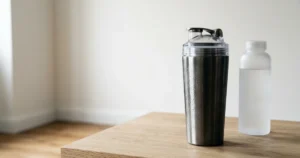
It is better to keep them separate. Powder residue builds up in threading and lids faster than plain water residue, leading to odor and staining. A dedicated electric protein shaker bottle handles mixing far better than a standard gym water bottle.
Rinse after every use, fully air-dry with the lid off rather than sealing it damp, and do a weekly deep clean with warm water and baking soda or a vinegar soak for stubborn odor. Disassemble straws and spouts fully during cleaning since these trap the most residue.
A flip-top spout or straw lid allows fast, one-handed drinking during short rest periods, which suits HIIT and circuit training. Screw-top lids are better suited to longer rest periods found in strength training, where speed matters less than a fully secure seal.
Last updated: October 18, 2026 Most people buy a gym towel the way they buy a phone charger, fast, cheap,
Last updated: October 18, 2026 Your grip fails before your muscles do. That’s the reality for most lifters chasing heavier
Last updated: October 14, 2026 75lbs sits at a specific, meaningful point in strength training. It is heavy enough to