
Last updated: October 18, 2026
Most people buy a gym towel the way they buy a phone charger, fast, cheap, and without a second thought. Then it shows up stiff, barely absorbs sweat, smells by day three, and takes two hours to air dry in a humid Dubai apartment. A proper microfiber gym towel buying guide saves you that cycle. This article breaks down exactly what GSM, weave, and fiber blend mean in practice, what size actually fits your bag, and how to pick one towel that works for the gym, your living room, and a carry-on at the same time.
Cotton towels are the default because they’re familiar, not because they’re good at this specific job. A standard cotton gym towel is heavy, slow to dry, and starts holding onto odor after a handful of uses. Microfiber was engineered for exactly the problem a training session creates: fast, repeated moisture removal in a short window, followed by a dry-out period before the next use.
Microfiber is made of ultra-fine split synthetic fibers, usually a polyester-polyamide blend, that are thinner than a human hair. That fine structure creates enormous surface area relative to the towel’s weight, which is why a microfiber towel a third the size of a cotton towel can out-absorb it. The same structure means the fabric releases moisture quickly too, so it dries in under two hours instead of overnight.
For anyone training in the UAE or KSA, where humidity and heat make sweat output higher and air-drying slower, this difference is not cosmetic. It decides whether your towel is usable again tomorrow or still damp and starting to smell.
Every microfiber towel buying guide eventually comes down to three technical specs that actually predict performance: GSM, fiber blend ratio, and weave type. Marketing copy rarely explains these clearly, so here’s what each one means and why it matters.
GSM measures fabric density, essentially how much material is packed into a given area. It is the single best predictor of both absorbency and dry time, and the two pull in opposite directions.
If you only remember one number from this entire guide, remember this: for a towel that lives in your gym bag and gets used daily, 300-400 GSM is almost always the right range.
Microfiber towels are made from a polyester-polyamide (nylon) blend, and the ratio between the two changes how the towel performs. A common ratio is 80/20 polyester to polyamide, though you’ll also see 70/30 blends.
For everyday gym use, an 80/20 blend is a reliable standard. It balances cost, softness, and performance without requiring you to chase a premium 70/30 towel that costs significantly more for a marginal upgrade.
Weave affects texture and feel more than raw performance, but it still matters for comfort.
Size is where most people get it wrong. They buy one towel and expect it to handle the gym floor, the shower, and a hotel room on a work trip. A smarter approach, and one worth factoring into any microfiber gym towel buying guide, is matching size to actual use case.
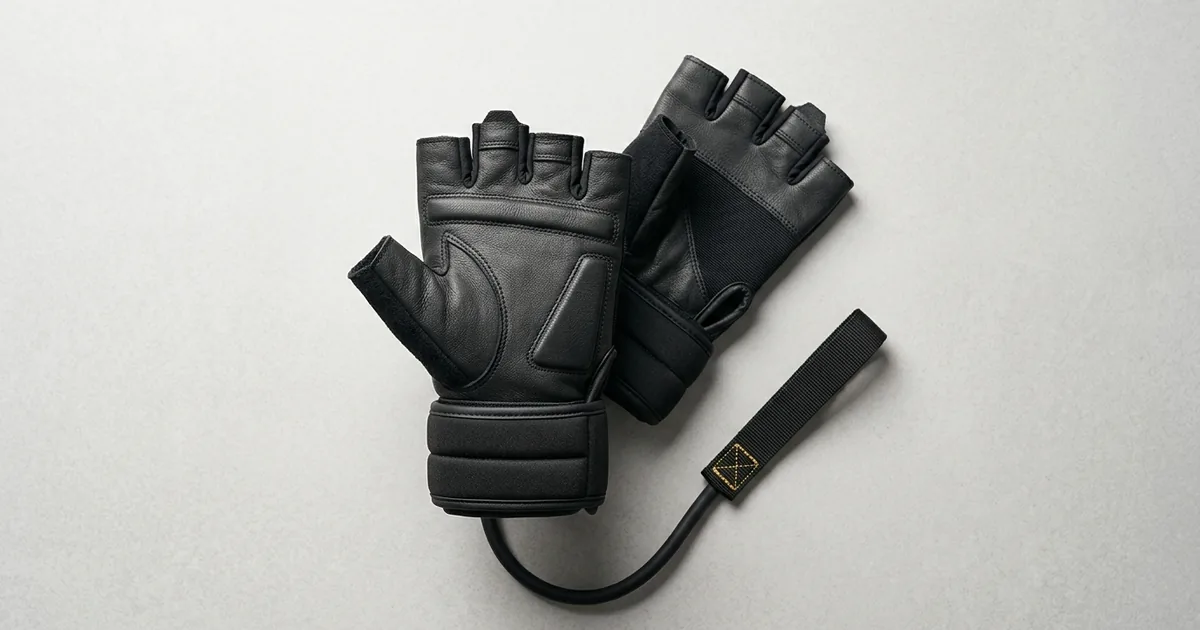
This size lives on the bench or around your neck between sets. It wipes sweat off your face, hands, and the bench itself without taking up real estate in your bag. If your main use case is wiping down equipment and keeping your grip dry during lifting sessions, this is the size to prioritize. It pairs well with grip accessories, so if you’re also upgrading straps or gloves, check the gym gloves and straps range while you’re at it, since sweaty palms and a damp towel often go hand in hand.
This is the standard gym towel size for most lifters and general training. Big enough to drape over your shoulders or wipe down after a full session, small enough to dry fast and pack easily. If you’re buying one towel to cover 90% of your training needs, this is the size range to land in.
This size replaces a full bath towel. It works for post-gym showers, hotel stays where you don’t trust the provided towel, or home workouts where you want full coverage after a hot session. The tradeoff is pack size and dry time, so this is less practical as a daily gym-bag towel and more useful as a travel or home piece.
Beyond size and GSM, a handful of practical features separate a towel that holds up for a year from one that falls apart in three months.
Specs on a listing are a starting point, not a guarantee. A towel rated for high absorbency should feel noticeably dry to the touch within a few minutes of use, not stay clammy. If you’re buying online, look for honest product descriptions that state GSM and blend directly rather than vague terms like “super absorbent” with no numbers behind it.
This is the most underrated spec. A towel that takes all night to dry means you need two or three in rotation just to always have a dry one ready. A genuinely good microfiber towel at 300-400 GSM should feel dry to the touch within 1-2 hours when hung properly, which means one towel can realistically be reused the same day.
Some microfiber towels are treated with an antimicrobial finish that slows bacterial growth, which is the main cause of that sour gym-towel smell. This isn’t essential, but it extends the time between washes and matters more if you’re someone who trains daily and doesn’t want to do laundry every single day.
Cheap microfiber towels often fray at the edges within weeks because the stitching is thin or the fabric wasn’t properly sealed. Check for reinforced or bound edges. It’s a small detail that has an outsized effect on how long the towel actually lasts under daily wash-and-wear cycles.
A snap loop lets you clip the towel to a gym bag or backpack strap, which matters more than it sounds like when you’re moving between a locker room and a training floor. A compact carry case or pouch is useful for travel, keeping a damp towel separated from clean clothes in a suitcase.
This comparison comes up constantly, so here’s the direct breakdown without the marketing spin.
Soft, familiar, absorbent in a single wipe. The downside is weight and dry time. A cotton gym towel soaks up a lot of moisture but holds onto it just as stubbornly, which means it stays damp for hours and starts to smell if it doesn’t get a proper dry-out between sessions. It’s also bulkier to pack, which makes it a poor travel option.
Lighter, faster-drying, more compact. The tradeoff is that some people find the texture less plush than cotton, especially at lower GSM ratings. For anyone training multiple times a week, traveling regularly, or dealing with UAE and KSA humidity, the faster dry time alone usually makes microfiber the more practical daily choice.
These aim for a middle ground, softer texture than pure microfiber with some of the quick-dry benefit. In practice they tend to be bulkier and slightly slower to dry than a pure polyester-polyamide microfiber towel, while costing more. They’re a reasonable option if softness is your top priority, but they’re not the most efficient choice for pure gym performance.
For a towel that’s going into a gym bag, used multiple times a week, and needs to dry fast enough to be ready for the next session, microfiber is the more practical pick almost every time. Cotton still has a place for home use where dry time isn’t a constraint, but as a portable, repeat-use gym and travel towel, microfiber wins on logistics even if cotton wins slightly on initial-touch softness.
A good microfiber gym towel buying guide accounts for how and where you actually train, not just the gear specs in isolation.
If you’re lifting at a commercial gym, prioritize a medium-size towel at 300-400 GSM with a snap loop. You’ll use it to wipe down benches, dry your hands between sets, and manage sweat on your face and neck. A fast dry time matters here because the towel usually goes straight into a gym bag after your session, sealed in a damp environment until you get home.
Training at home gives you more flexibility since the towel doesn’t need to be packed into a bag. A slightly larger towel, 400-500 GSM, works well if you’re doing higher-intensity sessions on equipment like a vibration platform or circuit-style training where sweat output is higher and you want more coverage. Dry time is less critical since the towel can hang in the open rather than sit zipped in a bag.
This is where microfiber earns its keep most clearly. A compact towel that packs into a small pouch, dries within an hour or two in a hotel bathroom, and doesn’t add noticeable weight to a carry-on is the only sensible option for anyone training on the road. Pair it with other portable gear, resistance bands, a jump rope, or compact accessories, and you have a full travel kit that fits in a laptop bag.
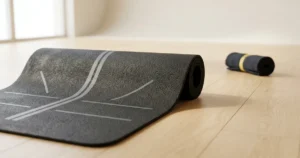
If your routine includes stretching, foam rolling, or mat-based mobility work, a towel also doubles as a sweat barrier on shared mats or as extra padding under pressure points. A medium towel with a smoother suede-weave finish tends to work best here since it won’t catch or snag against skin during movement.
Even a well-made microfiber towel degrades fast if it’s washed or stored incorrectly. A few rules extend lifespan significantly.
A bigger towel is not automatically a better towel. Oversized towels take longer to dry, pack poorly, and often go unused because they’re inconvenient to carry. Match the size to the actual use case instead of defaulting to “bigger is better.”
Many listings skip GSM altogether and rely on vague descriptors like “premium” or “ultra-absorbent.” Without a GSM number, you’re guessing. Always look for the spec directly, and treat its absence as a red flag about product transparency.
Aesthetics matter less than function here. A towel in a trendy color with poor stitching and a thin, under-100 GSM fabric will underperform a plain towel built with the right specs. Function first, appearance second.
If you train more than three times a week, one towel almost never covers you properly. Between wash cycles and dry time, a single towel forces you to either train with a half-dry towel or skip bringing one entirely. Two towels in rotation is the realistic minimum for regular trainers.
A jump from an 80/20 to a 70/30 fiber blend, or from 350 to 400 GSM, delivers a small performance gain for a real price increase. Unless you have a specific reason to want the marginal upgrade, a mid-range, well-reviewed towel in the 300-400 GSM range covers nearly all practical needs.
A microfiber towel rarely travels alone. If you’re assembling a gym bag or travel kit built around portability, the same logic that applies to towels, light, fast-drying, compact, applies to the rest of your gear too. A few pieces worth pairing together:
Before you check out, run through this quick list to confirm the towel actually fits your training needs:
A microfiber gym towel buying guide really comes down to three decisions: the right GSM for your dry-time needs, the right size for how you train, and a build quality that survives repeated wash cycles. Skip the vague marketing language, check the actual specs, and size your towel to the way you train rather than buying the biggest or cheapest option available. Get those three things right and you’ll have a towel that works in the gym, at home, and in a suitcase, without needing to think about it again.
For most lifters, 300-400 GSM is the practical sweet spot. It’s dense enough to handle real sweat volume during a session but light enough to dry within 1-2 hours, so the towel is ready to use again the same day.
For repeated daily use, yes. Microfiber dries faster, packs smaller, and resists odor buildup better than cotton. Cotton can feel softer and absorb more in a single wipe, but it stays damp far longer, which is a bigger issue in hot, humid climates.
Wash after every two to three uses if you’re training daily, and always let it fully air dry open rather than folded between sessions. Washing in cold water with a mild detergent and no fabric softener keeps the fibers performing at their best.
A compact towel in the 50cm x 100cm range, around 300-350 GSM, is ideal for travel. It’s large enough to be functional after a shower or workout but small and light enough to pack without taking up significant suitcase or gym bag space.
Yes, if you pick a medium size at 350-400 GSM with a fast dry time. This range balances absorbency and pack size well enough to cover daily gym sessions, home workouts, and travel without needing separate towels for each.

Last updated: October 18, 2026 A gym water bottle is not an accessory you grab at checkout without thinking. It
Last updated: October 18, 2026 Your grip fails before your muscles do. That’s the reality for most lifters chasing heavier
Last updated: October 14, 2026 75lbs sits at a specific, meaningful point in strength training. It is heavy enough to