
Last updated: August 23, 2026
A walking pad looks simple from the outside, a flat deck, a belt, a small motor. But the gap between a good one and a bad one shows up fast, usually within the first two weeks of daily use. The belt slips, the motor whines under load, the remote stops syncing, or the whole unit is too loud to use during a video call. Knowing what to look for in a walking pad before you buy saves you from returns, refunds, and a piece of gear that ends up folded in a corner. This guide breaks down every spec that actually matters, in plain terms, so you can buy once and use it for years.
A walking pad is not a treadmill. It has no incline motor by default, no side rails in most cases, and a smaller belt. That is the point, it is built for compact spaces, home offices, and apartments across the UAE and KSA where a full treadmill simply does not fit. But that compact design means manufacturers cut corners in different places to hit a price point. Some cut the motor. Some cut the deck material. Some cut the noise insulation. Your job as a buyer is to know which corners you can live with and which ones will ruin the product for you.
The right walking pad becomes part of your daily routine, under a standing desk, in a spare room, or packed away for travel. The wrong one becomes a AED 800 mistake sitting under the bed. The rest of this guide walks through every decision point in order of importance.
The motor is the heart of the machine. It determines how smooth the belt runs, how much heat builds up during a long session, and how long the unit lasts before it burns out. This is the first and most important item on any list of what to look for in a walking pad before you buy.
Listings often advertise peak horsepower because the number looks more impressive. Peak horsepower is the maximum output the motor can hit for a few seconds. It tells you almost nothing about daily performance. What matters is continuous horsepower (often written as CHP), the power the motor can sustain for hours without overheating.
If a listing only shows a peak number and no continuous rating, treat that as a warning sign. It usually means the continuous figure is unimpressive and the seller is hiding it.
A motor working beyond its comfortable range will feel jerky, run hot to the touch, or hesitate briefly at the start of each session. If a demo unit does any of these things in a showroom, walk away. A weak motor is not something that improves with time, it degrades faster the more it is pushed.
Speed range decides what the pad is actually good for. Most walking pads list a range like 0.5 km/h to 6 km/h, some extend to 10 km/h or more for light jogging.
Also check the speed increment. Pads that only jump in increments of 1 km/h feel clunky. Better units allow adjustments of 0.1 km/h, which makes it much easier to settle into a comfortable pace during a long desk session.
This is where a lot of buyers get caught out by photos that make every pad look roughly the same size. Deck dimensions vary more than people expect, and the difference matters the moment you actually step on it.
If you plan to jog occasionally rather than only walk, add at least 10 to 15 cm to both dimensions. Stride length increases significantly once you move from a walk to a jog, and a short deck becomes dangerous at that pace.
The belt surface should have a light texture, not a glossy or overly smooth finish. A smooth belt looks premium in photos but becomes a slip risk once feet sweat, especially in the UAE and KSA climate where indoor humidity spikes even with air conditioning running. Ask about belt thickness too, thin belts wear out and start to stretch or shift within months of daily use.
Noise is the difference between a walking pad you use every day and one you avoid because it disturbs a video call, a sleeping child, or a downstairs neighbor. This is especially relevant in apartment living across Dubai, Abu Dhabi, Riyadh, and Jeddah, where units are often stacked closely together.
Manufacturers often quote a decibel rating, usually somewhere between 40 and 60 dB. Context helps here:
Decibel numbers on spec sheets are not always tested consistently, so treat them as a rough guide, not a guarantee. Where possible, watch a real unboxing or review video and judge the noise yourself rather than trusting the number alone.
Three things usually drive noise up: a weak motor working harder than it should, poor belt tensioning, and cheap bearings under the rollers. A well-built pad from a reputable seller will have addressed all three. If you are shopping in person, ask to hear the unit running at both low and mid speed before deciding.
Portability is one of the main reasons people choose a walking pad over a treadmill in the first place. But not all foldable designs are equally practical.
Look for a hydraulic or assisted fold system rather than a manual lift. A hydraulic hinge lowers the deck slowly and safely, which matters when the deck itself can weigh 20 kg or more. A manual fold with no assistance is a genuine finger and back hazard, especially if you are folding and unfolding it daily.
Built-in wheels on the folded unit make a real difference if you are storing it under a bed, in a closet, or moving it between rooms. Without wheels, a 20 to 25 kg folded unit becomes something you avoid moving, which defeats the purpose of buying a portable design in the first place.
Check the folded dimensions, not just the unfolded ones. A pad that folds to a slim vertical profile is far easier to tuck against a wall or slide under furniture than one that only folds in half and remains bulky.
Weight capacity affects two things, safety and longevity. A motor and belt system rated for 100 kg working at 95 kg of load daily will wear out faster than one rated for 130 kg carrying the same 95 kg.
Control layout affects how often you actually use the pad. If adjusting speed requires bending down to reach a panel, most people simply stop adjusting speed and just leave it at one setting, which reduces the value of a machine designed for variable-pace walking.
A simple handheld remote is the most practical option for desk-based walking. It lets you change speed or stop the belt without breaking focus on a call or a screen.
App-connected pads can log steps, distance, calories, and session history over time, which is useful if you like tracking progress. Check whether the app requires a permanent account and internet connection, or whether it works offline via Bluetooth. Some apps also stop receiving updates a year or two after launch, so treat app features as a bonus rather than the main reason to buy.
A basic LED display showing speed, time, distance, and calories is enough for most users. Larger buttons spaced further apart are easier to hit accurately while walking than a cramped touch panel, especially at higher speeds.
Safety features matter more on a walking pad than people expect, because the compact size means less margin for error compared to a full treadmill with side rails.
Incline is becoming more common on newer walking pad models, usually offered as a manual adjustment or a small motorized lift of a few degrees rather than the steep inclines found on full treadmills.
An incline changes muscle engagement, shifting more work to the calves and glutes, and increases calorie burn at the same walking speed. It is a genuine upgrade if your budget allows for it, but it is not essential for general step-count goals or desk walking. See the FAQ section below for a direct comparison of incline versus flat walking pads on calorie burn.
Look past the marketing photos and check the actual materials used in the frame, deck, and side panels.
Steel frames are more durable than reinforced plastic frames, particularly for anyone using the pad daily over multiple years. A steel frame also tends to reduce vibration and wobble at higher speeds.
A deck with some shock absorption reduces joint impact over long sessions, which matters for anyone walking an hour or more per day. A completely rigid deck transfers more impact directly into the knees and hips.
Check for gaps between panels, rattling side covers, or an uneven fold hinge in reviews or in person. These small details are early indicators of overall build quality and how the unit will hold up after a year of regular use.
This is a practical point that buyers often overlook until the unit is already plugged in. The UAE and KSA both run on a 220 to 240V, 50Hz electrical standard, and most walking pads sold through regional and international marketplaces are built to handle this range, but it is worth confirming voltage compatibility before purchase, especially with grey-market imports.
Also check the plug type included in the box. Many pads ship with a standard two-pin or UK-style three-pin plug depending on the source market, and you may need an adapter. A mismatched plug is a minor inconvenience, but a mismatched voltage rating is a real safety issue, always confirm the rated voltage range on the product label before first use.
If the walking pad trips your home’s circuit breaker on startup or during use, do not keep resetting and running it. See the FAQ section below for the specific steps to take when this happens.
A walking pad is a mechanical product, and like any mechanical product, a small amount of maintenance extends its life significantly.
Walking pad pricing in the UAE and KSA generally falls into three tiers. Understanding what changes between tiers helps you avoid overpaying for features you will not use, or underpaying and sacrificing the motor quality covered earlier in this guide.
Always compare the AED price against the continuous horsepower, deck size, and warranty length together rather than any single spec in isolation. A cheaper unit with a weak motor and a short warranty period often costs more in the long run once you factor in an early replacement.
The best walking pad for a home office is not always the best one for a shared gym space or for travel. Matching the pad to its actual use case is part of understanding what to look for in a walking pad before you buy.
Prioritize low noise, a slim folded footprint, and a smooth low-speed range for desk walking through the workday.
Prioritize a stronger motor and higher weight capacity to handle multiple users per day, plus a durable belt that can take heavier daily wear. Pairing the pad with other portable gear such as a vibration platform gives a shared space more variety without needing large fixed machines.
Prioritize total folded weight and built-in wheels above almost everything else. A pad that is technically foldable but weighs 30 kg with no wheels is not realistically portable between rooms, let alone for travel. Check out the latest arrivals for updated portable options built specifically with lighter frames.
A high top speed number looks appealing on a spec sheet, but most walking pad use happens between 2 and 5 km/h. Chasing a high top speed while ignoring continuous horsepower and deck size leads to a pad that struggles under real conditions despite the impressive number on the box.
Check exactly what the warranty covers, the motor specifically, or just the frame and electronics. Motor warranties are the most valuable coverage since the motor is the most expensive component to repair or replace.
Buying a pad rated exactly at your body weight with no buffer accelerates wear and increases the risk of the motor straining during longer sessions.
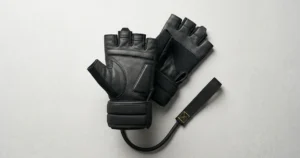
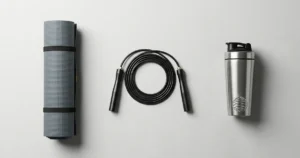
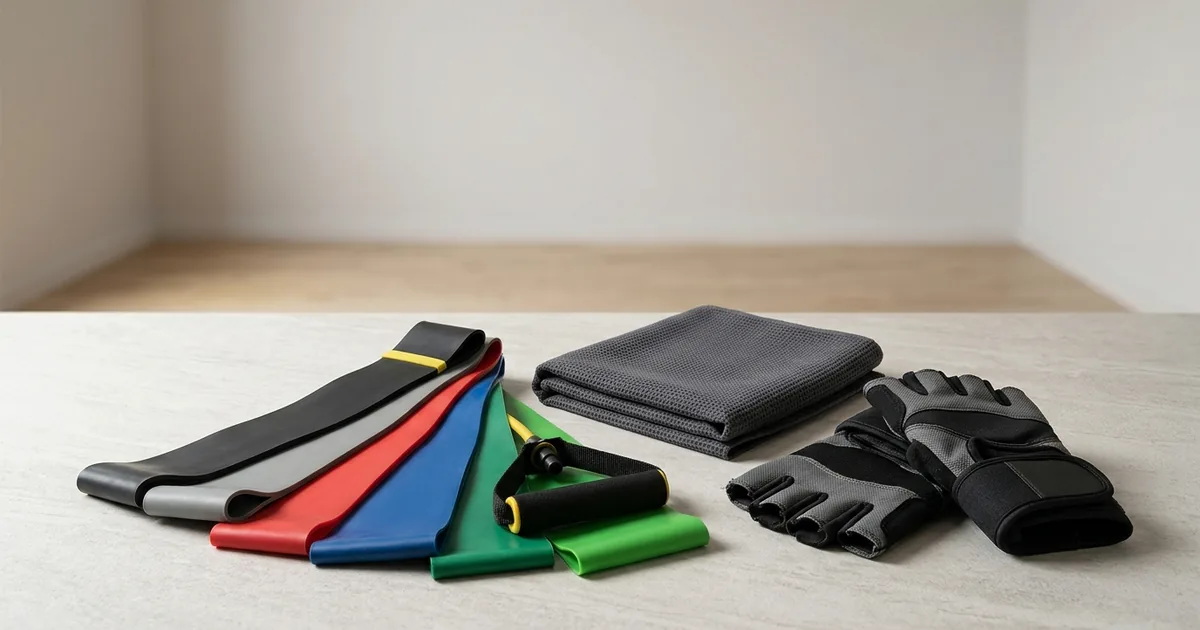
A pair of supportive gym gloves or straps is not directly related to walking, but many buyers use a walking pad session as part of a wider home workout routine involving resistance bands or light strength work immediately after. Planning your full setup, including hydration with something like a portable blender bottle for a quick post-walk shake, makes the walking pad part of a complete routine rather than an isolated purchase.
A walking pad earns its place in a home or office when the fundamentals are right: a motor that runs cool under daily use, a deck sized for a natural stride, a fold system that makes storage effortless, and a noise level that will not interrupt a call. Everything else, incline, app tracking, display design, is a bonus layered on top of those basics. Go through the checklist above before you buy, match the pad to where and how you will actually use it, and you end up with gear that supports a daily habit instead of a box that gets folded away and forgotten after week two.
Stop using it immediately and unplug it before resetting the breaker. A trip usually points to one of three causes: the pad drawing more current than the circuit can supply (common if it shares a circuit with other high-draw appliances), a voltage mismatch between the unit and your home’s 220-240V supply, or a fault in the motor or wiring. Plug the pad into a dedicated socket on its own circuit and test again. If it trips a second time on a known-good circuit, stop using it and contact the seller or manufacturer for a warranty check rather than continuing to reset the breaker, repeated trips can indicate an internal fault that gets worse with continued use.
For active use, plan for the full deck footprint plus at least 50 to 60 cm of clear space behind and to the sides for safe stepping on and off. Most home walking pads measure roughly 140 to 160 cm long and 60 to 70 cm wide when unfolded. Once folded, a good hydraulic-fold model typically reduces to a footprint of around 60 to 70 cm long and 20 to 30 cm deep, slim enough to store against a wall, in a closet, or under a bed if the clearance allows.
For a small flat, yes, in most practical respects. A walking pad has no permanent footprint since it folds flat and stores upright or under furniture, while a treadmill needs a dedicated spot even when not in use. Walking pads also run quieter and lighter, which matters in apartment buildings across the UAE and KSA with shared walls and floors. The tradeoff is capability, a treadmill still wins for running, steep incline training, and higher top speeds, so the better choice depends on whether your goal is daily low-impact walking or dedicated running workouts.
Yes. Adding even a modest incline of 5 to 10 percent increases the muscular effort required from the calves, glutes, and hamstrings, which raises calorie burn compared to walking flat at the same speed, often by 20 to 50 percent depending on the incline level and pace. If your main goal is fat loss or building lower-body strength alongside step count, an incline-capable model is worth the extra AED cost. If your main goal is simply staying active during desk work, a flat walking pad delivers most of the daily movement benefit without the added expense.

Last updated: October 21, 2026 Sore legs the day before a big lift. Tight shoulders after three straight gym sessions.
Last updated: October 21, 2026 Most home gyms fail for the same reason: the gear doesn’t match the space, the
Last updated: October 18, 2026 Most people buy a gym towel the way they buy a phone charger, fast, cheap,