
Last updated: August 26, 2026
A skipping rope adult routine burns more calories per minute than jogging, fits in a gym bag, and needs zero floor space. Yet most adults who pick one up quit within two weeks because they never learned the sizing, the surface, or the progression that makes rope training actually work. This guide fixes that. It covers how to choose a rope built for adult training, how to structure sessions across gym, home, and travel, and how to move from stumbling through 30 seconds to stringing together clean, controlled minutes.
Skipping rope is not a warm-up filler. For an adult training schedule that has to compete with work, travel, and limited recovery time, it is one of the most efficient tools available. A rope weighs less than a phone, costs a fraction of most home cardio pieces, and delivers a full-body conditioning effect that few portable tools can match.
The physiological case is simple. Skipping recruits calves, glutes, forearms, shoulders, and core simultaneously while keeping heart rate elevated. Ten minutes of steady skipping produces a cardiovascular load comparable to twenty to thirty minutes of moderate jogging, without the joint pounding of running on hard pavement, provided the surface and footwear are right.
There is also a coordination benefit that heavier gym tools cannot replicate. Rope work trains rhythm, timing, and reactive footwork, which carries over into every other sport an adult might play on weekends, from padel to football to basic self-defense conditioning.
Most adults do not fail at fitness because they lack knowledge. They fail because sessions take too long to justify on a busy Tuesday. A skipping rope session can deliver a genuine conditioning stimulus in 12 to 20 minutes, including a warm-up. That makes it one of the few tools that fits into a lunch break, a hotel room before a meeting, or the last 15 minutes before the gym closes.
A rope rolls into a bag the size of a fist. It needs no power outlet, no rack, and no assembly. This is the entire logic behind training gear built for gym, home, and travel use, and skipping rope sits at the center of that category. If your training plan depends on always being near a specific machine, it collapses the moment travel or gym access changes. A rope removes that dependency completely.
Adults comparing conditioning tools usually weigh rope against running, cycling, or low-impact recovery tools. Each has a role, but they are not interchangeable.
The smartest adult training plans do not pick one tool. They rotate rope work as the primary conditioning driver and use lower-impact options for recovery days or joints that need a break.
Most beginners buy the wrong rope, then blame themselves for poor technique. Sizing, weight, and bearing quality decide whether a session feels smooth or feels like fighting a garden hose.
Length is the single biggest factor in first-session success. A rope that is too long forces wide, slow arm swings. Too short, and the rope clips the ankles on every rotation.
| Height | Recommended Rope Length |
|---|---|
| Below 160 cm | 210 cm |
| 160 to 175 cm | 240 cm |
| 175 to 190 cm | 260 cm |
| Above 190 cm | 280 cm |
A quick manual check works too. Stand on the center of the rope with both feet. The handles should reach roughly to armpit height for a standard skip, slightly shorter for speed work, and slightly longer for double unders.
Adults training for fat loss and general conditioning usually do better starting with a mid-weight or weighted rope. The added resistance slows the rotation slightly, which gives more reaction time to a beginner nervous system and builds forearm and shoulder endurance faster.
Speed ropes, with thin PVC or coated cable, are lighter and faster. They suit adults who already have a base of coordination and want to chase double unders, high-rep sprints, or CrossFit-style rope metrics.
A practical approach: start on a weighted rope for the first four weeks to build control, then transition to a speed rope once footwork and timing are consistent.
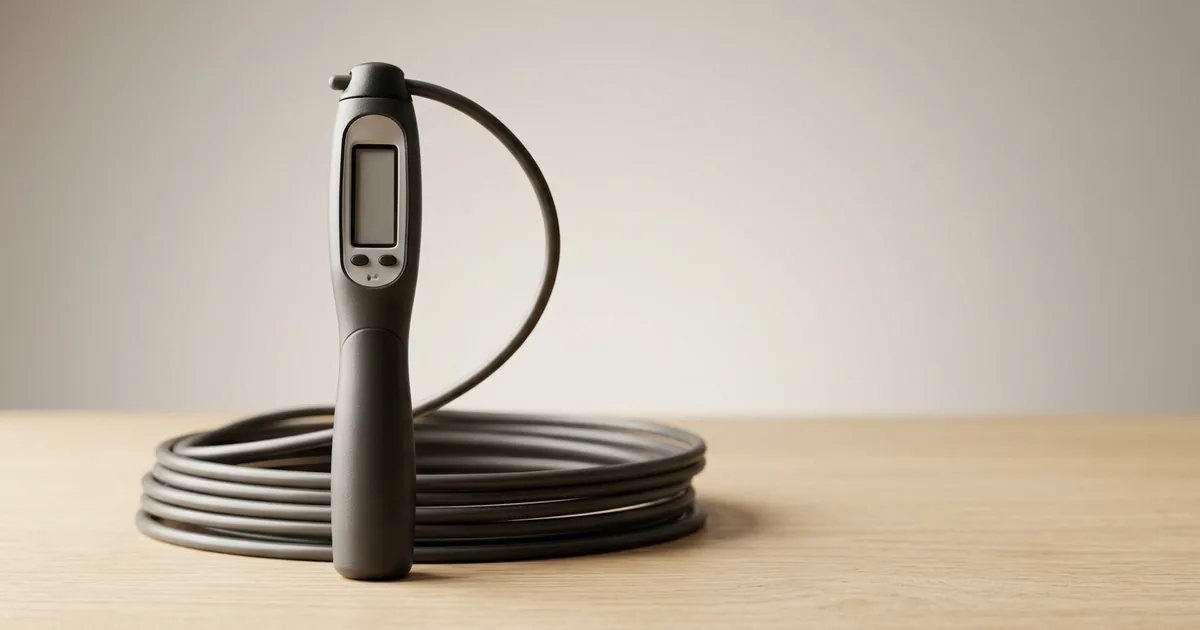
The handle is where most cheap ropes fail. Look for a grip that stays dry under sweat, sized to fit an adult hand without excess bulk. A bearing system inside the handle, rather than a simple swivel, lets the rope spin freely without twisting the cable, which directly reduces mid-set tangles and lost reps.
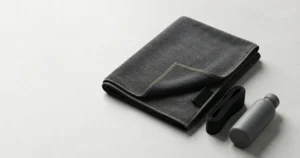
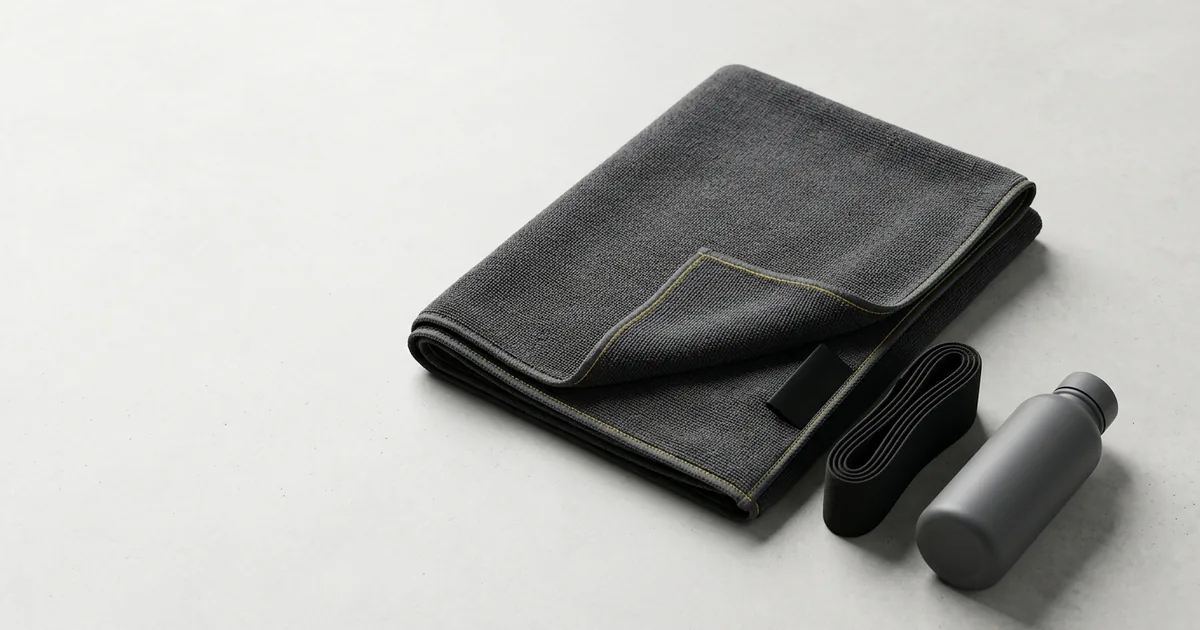
Sweaty palms are the most common cause of grip slip during longer sessions. Keeping a microfiber workout towel within reach between sets solves this in seconds and keeps handle grip consistent through a full session.
PVC-coated cable ropes are the most common adult choice, durable enough for indoor and outdoor floors and forgiving on timing errors. Steel cable ropes are faster and thinner, used mainly by adults already comfortable with double unders. Nylon or braided ropes are lighter still and best suited to indoor, carpeted, or gym-mat surfaces where speed matters more than durability.
Surface choice affects both joint impact and rope lifespan. Concrete and rough outdoor pavement wear down a rope’s coating quickly and increase impact stress on ankles and knees. Rubber gym flooring or a proper home mat is the best middle ground, absorbing shock while still giving enough rebound for a clean bounce.
Hotel rooms and travel setups often mean hard tile or wood flooring. In these cases, shortening session length, wearing supportive shoes, and favoring a slower double-bounce style reduces joint strain without sacrificing the workout entirely.
Avoid skipping directly on sand or uneven grass. The inconsistent surface throws off timing and increases ankle roll risk, which defeats the coordination benefit that makes rope training valuable in the first place.
Adults returning to fitness after years away, or trying rope for the first time, should resist the urge to chase a specific rep count on day one. The goal in the first two weeks is rhythm, not intensity.
Common feedback in this phase is calf soreness and rope contact with the shins. Both fade within the first ten sessions as timing improves. Keep jumps low, an inch or two off the ground is enough clearance for the rope to pass.
By the end of week four, most adults can hold a continuous rhythm for 3 to 5 minutes without significant rope faults. That is the baseline needed to move into intermediate technique work.
Once basic rhythm is solid, variation keeps sessions challenging and prevents the plateau that comes from repeating the same single bounce for months.
The rope passes under the feet twice per jump instead of once. This demands a faster wrist snap and a slightly higher jump. Most adults need two to four weeks of dedicated drilling before double unders become consistent. Practice in short sets of 3 to 5 reps mixed with single unders rather than attempting long unbroken sets early.
Arms cross in front of the body before the rope passes underfoot. This technique builds shoulder mobility and coordination beyond straight-line skipping. Start by practicing the arm cross without the rope, then add the rope once the arm pattern feels natural.
The boxer skip alternates weight between feet with a slight knee lift, reducing calf fatigue during longer sets and mimicking the footwork used in combat sports conditioning. High-knee skipping raises heart rate faster and adds a hip flexor and core component, useful for adults training for general athleticism rather than pure calorie burn.
Side swings, where the rope passes beside the body without a jump, are used as active recovery between harder sets, letting heart rate settle slightly while keeping the arms moving and the rhythm alive. Combining a side swing into a crossover into a double under is a common advanced combo used to keep sessions varied and mentally engaging over long-term programs.
The real value of rope training shows up when it is built into a portable system that follows the adult, not the location.
A home session works best combined with bodyweight strength moves in a circuit format, since most homes lack heavy resistance tools.
This keeps heart rate elevated throughout and turns a small living room into a full conditioning session in under 20 minutes.
In a gym setting, rope work is most effective used between strength sets rather than as a separate cardio block. A minute of skipping between sets of squats or presses keeps heart rate elevated without interfering with strength output, and it uses the rest period productively instead of scrolling a phone by the rack.
Adults training for fat loss alongside strength goals often see better results pairing 8 to 10 minutes of rope intervals as a finisher at the end of a lifting session, once the nervous system is already fatigued and pure strength output is no longer the priority.
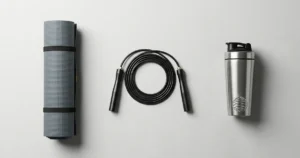
Hotel rooms rarely have space for a full workout, but a rope needs almost none. A simple travel protocol: 10 rounds of 30 seconds skipping with 30 seconds rest, done in a hallway, parking area, or hotel gym corner. It takes 10 minutes, needs no other tool, and maintains conditioning through a business trip or holiday without disrupting a training block. Pack the rope with a protein shaker and a compact towel, and the entire travel kit fits in a laptop bag side pocket.
Most frustration with rope training comes down to five repeated errors, all fixable within a single session once identified.
New skippers often jump 4 to 6 inches off the ground, expecting more clearance to help. In reality, this slows rhythm and increases landing impact. One to two inches is enough clearance for the rope to pass cleanly.
The rope should rotate primarily from wrist movement, with elbows staying close to the ribs. Large shoulder swings burn out the arms fast and throw off timing. This is the single most common technical fault and the fastest one to correct with focused practice.
A rope sized for someone taller or shorter throws off rhythm regardless of technique. Revisit the sizing table above before blaming footwork or fitness level.
Hard concrete accelerates joint fatigue and rope wear. Uneven or soft ground throws off timing. A stable, slightly cushioned surface is the sweet spot for most adult training.
Attempting 20 minutes of continuous skipping in week one is a common way to trigger shin splints or calf strain. Interval structure, short bursts with rest, builds tolerance far faster and safer than long unbroken sets attempted before the body adapts.
Rope training places real demand on the forearms and hands, and small support tools make a measurable difference in session quality.
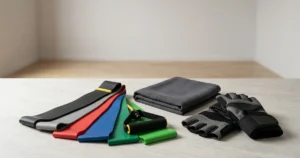
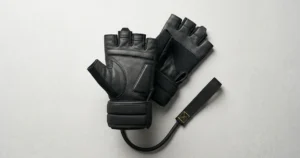
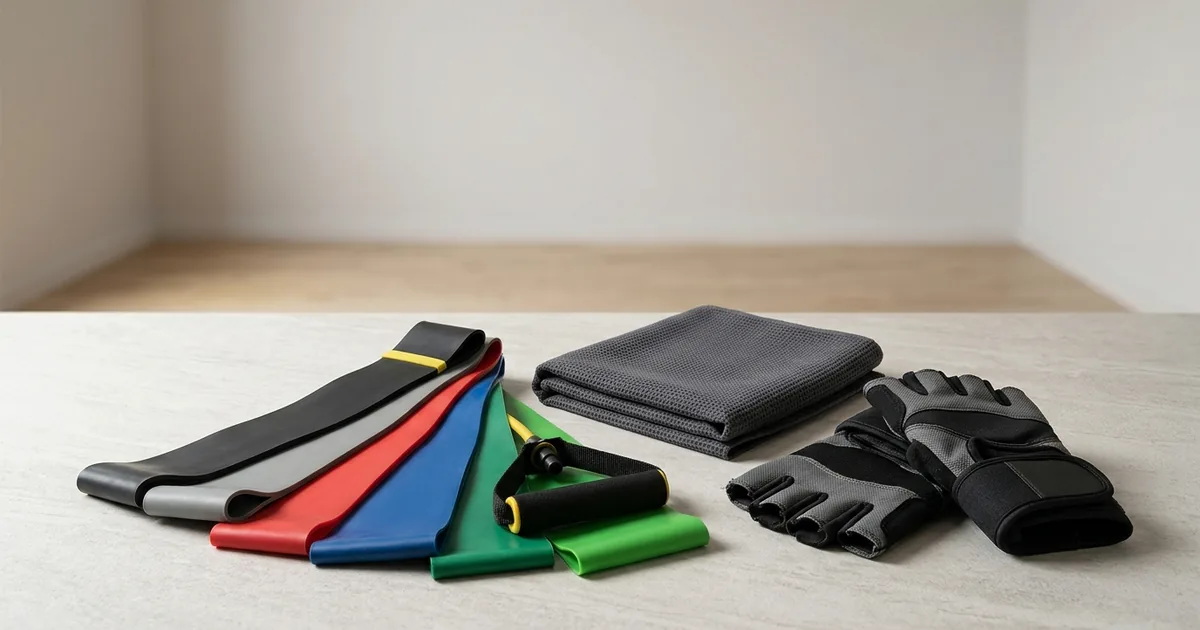
Long sessions or heavier weighted ropes can create hand fatigue and blistering for adults new to repetitive wrist rotation. A light pair from the gym gloves and straps range protects grip through higher volume weeks without adding bulk that interferes with wrist snap.
Rope sessions generate sweat fast, especially in warmer climates across the UAE and KSA. A slippery handle is a direct cause of mistimed reps and dropped ropes mid-set. Keeping a microfiber workout towel nearby to wipe hands between rounds keeps grip consistent and protects the rope handle’s coating from long-term sweat damage.
Interval-style rope training raises core temperature quickly. Sipping water between rounds rather than only at the end of a session maintains output through later rounds. An insulated shaker bottle keeps water cold through a full session and doubles as a post-workout protein mix container without needing a second bottle.
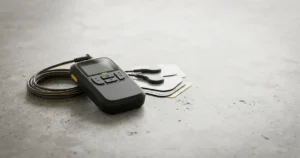
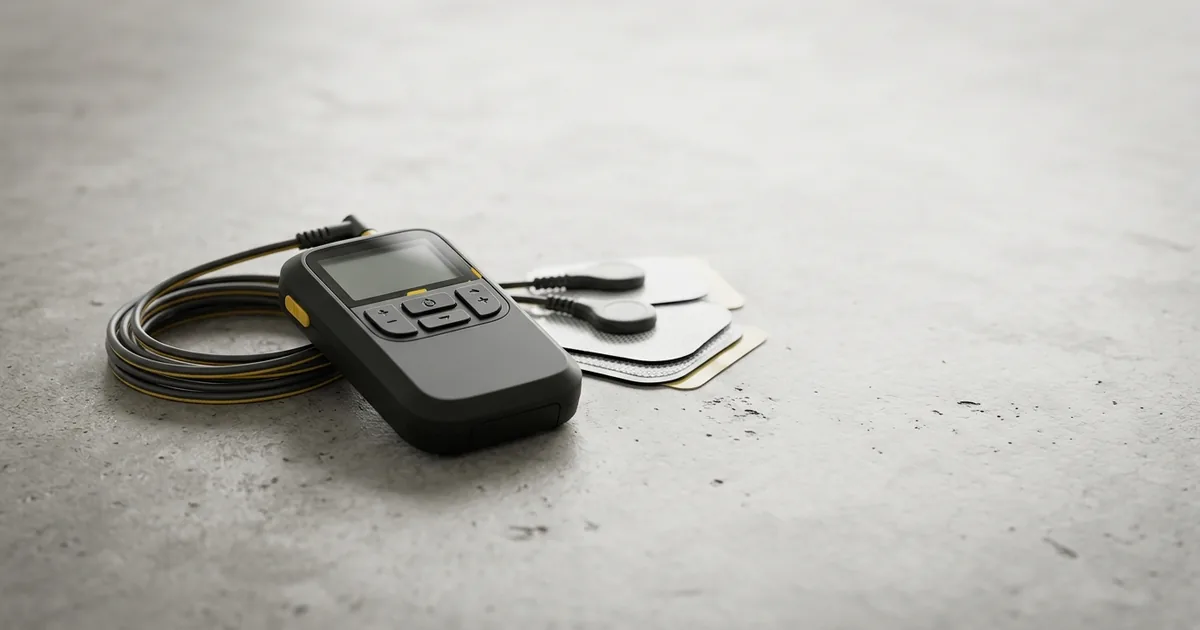
Calves and forearms take the most direct load in rope training and benefit from active recovery rather than complete rest. A short session on a vibration platform the day after a heavy skipping session can ease calf tightness and support faster return to full training intensity, particularly useful for adults stacking rope work with running or leg day training.
This plan assumes three sessions per week and works for gym, home, or travel settings interchangeably.
3 sessions of 5 to 6 rounds, 30 seconds skipping, 45 to 60 seconds rest. Focus entirely on wrist rotation and low jump height.
3 sessions of 8 rounds, 30 to 40 seconds skipping, 30 to 40 seconds rest. Introduce boxer skip as a variation in round 4 and round 7.
3 sessions combining single unders with practice sets of double unders, 5 rounds of 45 seconds mixed skipping, 30 seconds rest. Add one continuous 3-minute set at the end of session 3.
3 sessions of 10 rounds, 40 seconds fast skipping, 20 seconds rest, including crossover attempts in alternating rounds. Close the week with a continuous 5-minute skip at moderate pace to test endurance carryover.
By the end of this plan, most adults can sustain 5 minutes of continuous rope work, execute basic double unders in short sets, and use skipping confidently as a primary conditioning tool rather than a warm-up afterthought.
Rope training rarely needs to stand alone. Paired with a resistance band set, a compact vibration platform for recovery days, and a couple of grip tools, an adult can build a complete conditioning and mobility system that fits in a single bag and works identically at home, at the gym, or in a hotel room. Browse the latest additions in the new arrivals collection to round out a portable training kit built around rope work as the conditioning anchor.
A skipping rope adult routine is one of the few tools that scales from complete beginner to advanced athlete without ever needing an upgrade in space, power, or budget. Get the sizing right, respect the surface, build volume gradually, and pair it with the right recovery and grip support, and it earns a permanent place in a gym, home, or travel training bag. The rope has not changed much in decades. What separates a frustrating first week from a genuine conditioning habit is technique, patience, and a plan that fits the life around it.
Length depends on height. As a general guide, adults under 160 cm should use a 210 cm rope, 160 to 175 cm suits 240 cm, 175 to 190 cm suits 260 cm, and adults above 190 cm should use 280 cm. A quick check is standing on the rope’s center and confirming the handles reach roughly armpit height.
Ten minutes of steady skipping can match the cardiovascular load of twenty to thirty minutes of jogging. Used in interval format three to four times a week, it is enough to serve as a primary conditioning tool, especially when paired with basic strength training.
Beginners generally do better starting with a mid-weight or weighted rope. The added resistance slows the rotation slightly, giving more reaction time and building forearm endurance faster. Speed ropes suit adults who already have coordination built up and want faster, lighter rotations for double unders or sprint work.
This is usually caused by jumping too high, swinging from the shoulder instead of the wrist, or using a rope that is not sized correctly for your height. Lowering jump height to one or two inches and keeping elbows close to the ribs solves most cases within a few sessions.
Rubber gym flooring or a firm home mat offers the best balance of shock absorption and rebound. Hard concrete accelerates joint fatigue and wears down rope coating faster, while soft or uneven ground like sand or grass throws off timing and increases ankle roll risk.
Last updated: October 21, 2026 Sore legs the day before a big lift. Tight shoulders after three straight gym sessions.
Last updated: October 21, 2026 Most home gyms fail for the same reason: the gear doesn’t match the space, the
Last updated: October 18, 2026 Most people buy a gym towel the way they buy a phone charger, fast, cheap,