
Last updated: August 23, 2026
A small apartment in Dubai, Riyadh, or Jeddah does not have room for a mistake. Buy the wrong walking pad and you end up with a slab of dead weight wedged behind the sofa, never used, slowly turning into a laundry rack. The real question is not which walking pad is ‘better’ in general. It is which one fits your floor plan, your storage reality, and your training goal. This guide breaks down foldable and incline walking pads side by side, with real numbers on space, noise, power draw, and cost in AED, so you can decide with confidence instead of guessing.
Before comparing products, define the constraint. A small apartment usually means one or more of the following: a studio under 45 square meters, a one-bedroom with a single multi-purpose living area, shared walls with neighbors above or below, tiled or engineered wood flooring with no dedicated gym room, and limited storage such as a single closet or under-bed clearance of 15-20 cm. These four factors, floor space, wall-sharing, flooring type, and storage clearance, drive almost every decision in this comparison. A walking pad that looks compact in a showroom photo can still be the wrong choice if it does not fold to fit your specific under-bed gap or closet door.
It also matters how you plan to use it. Someone walking during video calls at a standing desk has different needs than someone doing a dedicated 30-minute incline session after work. Keep both your space and your use case in mind as you read on.
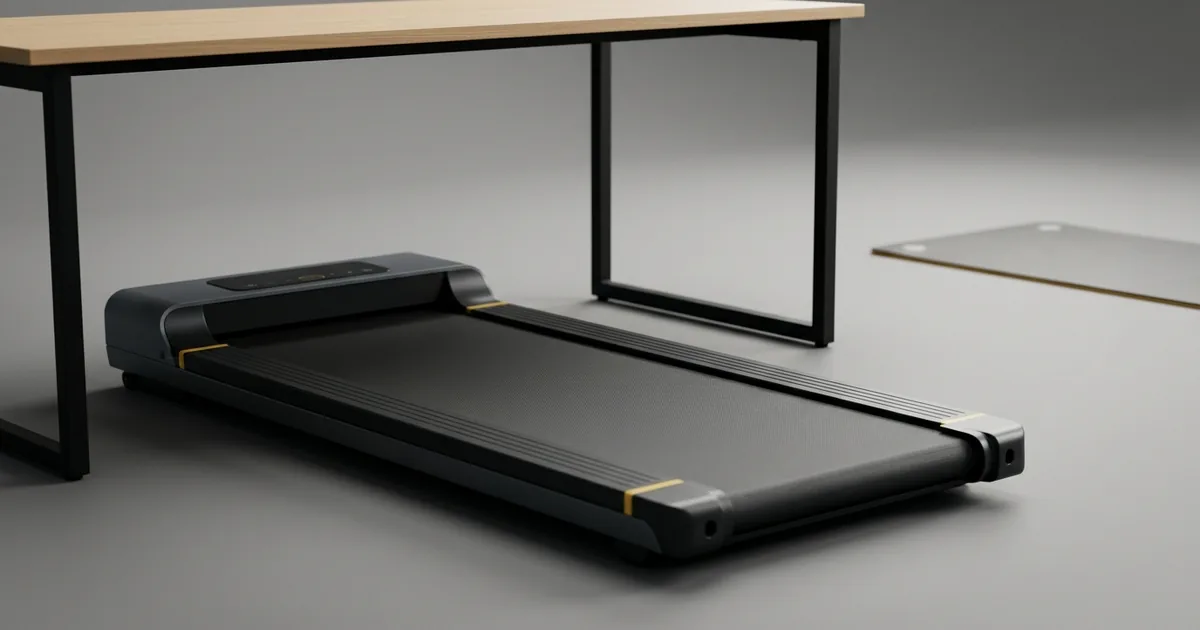
A foldable walking pad is built around one core promise: it disappears when you are done. The deck hinges at the middle or near the motor housing, folding the running surface up and over itself so the whole unit becomes a slim, upright or flat package.
Most foldable pads use a single or dual-motor setup rated between 1.5 and 2.5 HP, enough for brisk walking speeds up to 6-10 km/h. The belt is shorter and narrower than a full treadmill, typically 40-45 cm wide and 110-125 cm long, which keeps the folded footprint small. A hinge mechanism, sometimes assisted with a hydraulic strut, lets you fold the deck in half with one hand and roll it away on built-in wheels.
An incline walking pad adds a motorized or manual lift function that raises the rear or front of the deck, simulating uphill walking. Some models offer a fixed set of incline levels (say, 0 to 15 percent), while others allow smooth, stepless adjustment via a handset or app.
A small lift motor, usually mounted under the rear of the deck, raises or lowers the frame in seconds. Higher-end incline pads pair this with speed control so you can move between a flat brisk walk and a steep uphill climb without stopping. Because the lift mechanism and its motor add height and structural bracing, incline pads are almost always taller and heavier than flat-only foldable models, even when they also fold.
Numbers make this decision concrete. Here is a realistic comparison based on common walking pad categories sold in the UAE and KSA market.
| Feature | Foldable, flat-only pad | Foldable, incline pad |
|---|---|---|
| In-use footprint | ~140 x 55 cm | ~150 x 60 cm |
| Folded footprint | ~65 x 55 x 25 cm | ~70 x 60 x 32 cm |
| Typical weight | 20-28 kg | 28-38 kg |
| Under-bed clearance needed | 20-25 cm | 28-35 cm |
| One-person handling | Easy | Manageable, heavier lift |
The difference of 5-10 cm in folded height sounds small until you measure your actual under-bed gap or closet shelf. Many apartment beds in the region sit on low platform frames with only 18-22 cm of clearance, which rules out some incline models entirely. Always measure your intended storage spot with a tape measure before ordering, not after.
Shared walls and shared floors change the walking pad equation. A foldable flat pad on a rubber mat, placed on tile or engineered wood, typically produces a soft, consistent thump at walking speeds, quiet enough for most daytime use and acceptable in the evening at moderate speeds. Incline pads introduce an additional variable: the motor whir during incline transitions, plus a slightly heavier footfall when walking uphill, since your foot strikes with more downward force on an inclined surface.
For upper-floor apartments or anyone living above a shared ceiling, a dense rubber or foam mat under either type of pad is not optional, it is essential. It absorbs vibration, protects your flooring finish, and reduces the chance of a noise complaint. Pair this with rubber-soled training shoes rather than bare feet or socks, since bare-foot impact transmits more directly through the deck into the floor.
If you train early morning or late evening in a building with strict quiet hours, favor the foldable flat-only pad and keep sessions under 6 km/h. If your building is more tolerant or you are on a ground floor, the incline pad’s occasional motor sound is a non-issue.
Walk through your actual apartment before deciding. Three common storage scenarios in the region:
Best suited to foldable flat-only pads, since their lower folded height clears more bed frames. Measure clearance at the lowest point, not just at the frame edge, since slats or storage drawers can reduce usable height further.
Both types work here if the unit has stable wheels and a locking fold mechanism. Incline pads are heavier, so check that the folded unit does not tip when leaned or rolled, especially on tiled floors where wheels can slide.
The most flexible option, since height is rarely the constraint here, floor space is. If you have a dedicated closet shelf or corner, an incline pad becomes fully viable without the under-bed height restriction.
Both foldable and incline walking pads run on standard 220-240V household power, which matches UAE and KSA wall sockets, so no voltage converter is needed. That said, incline pads draw more current when the lift motor and drive motor operate together, particularly during simultaneous speed and incline changes. In older apartments with modest circuit breaker capacity, running a walking pad on the same circuit as a kettle, microwave, or AC unit can occasionally trip the breaker. Plug your walking pad into a dedicated socket where possible, avoid daisy-chaining through multiple extension boards, and check the appliance’s power draw label against your circuit rating if you experience repeated trips.
Surge protection is worth the small extra cost. A basic surge-protected extension strip protects the motor’s control board from voltage spikes, common during grid fluctuations, and extends the life of either walking pad type.
Yes, and the difference is measurable, not marginal. Walking at a 10-12 percent incline at the same speed as flat walking can increase calorie burn by roughly 30-50 percent, because your body works against gravity with every step. A 30-minute flat walk at 5 km/h might burn a moderate number of calories for an average adult, while the same 30 minutes at a 10 percent incline and slightly reduced speed can burn noticeably more, while also engaging the glutes, hamstrings, and calves more directly.
This matters for small-apartment buyers because incline gives you a way to increase training intensity without needing more floor space or a faster, louder belt speed. Instead of walking faster (more noise, more impact), you walk slightly slower but uphill (more resistance, similar or lower noise). For apartment living, this is often the smarter way to progress a walking routine over time.
If your goal is simply daily step count and light movement during work calls, a flat foldable pad is enough. If your goal includes fat loss, cardiovascular conditioning, or lower-body toning without adding floor-based strength work, the incline pad earns its extra cost and footprint.
Pricing varies by motor size, belt quality, and app features, but general bands in the UAE and KSA market look like this:
Do not judge price purely on the number. Compare motor HP rating, maximum user weight, belt length and width, and warranty terms side by side. A cheaper incline pad with a weak lift motor and short warranty is often a worse long-term buy than a well-built flat-only pad at a similar AED price.
A walking pad rarely works alone. A few compact additions turn a single corner of your apartment into a full low-noise training setup without eating more floor space.
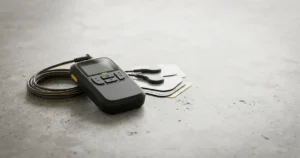
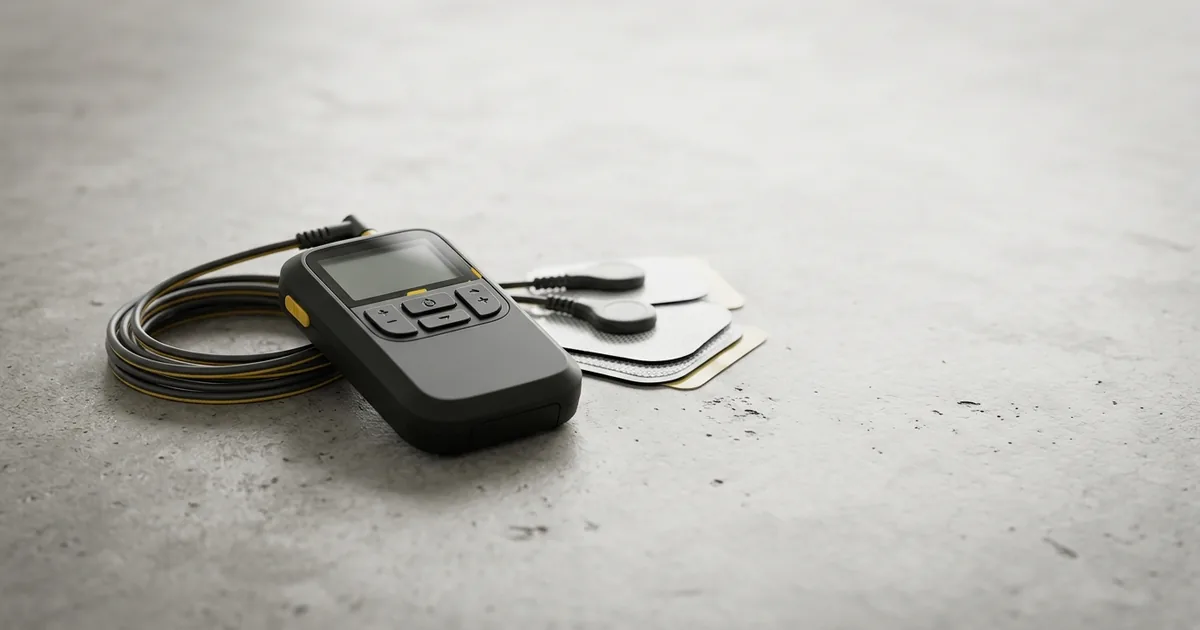
A vibration platform fits beside or under a folded walking pad and adds a quick pre- or post-walk activation and recovery option, useful on rest days when you want circulation without a full cardio session.
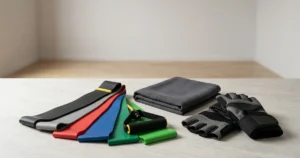
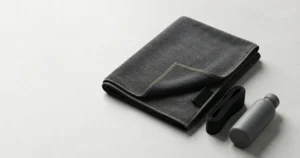
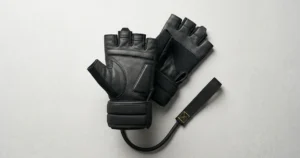
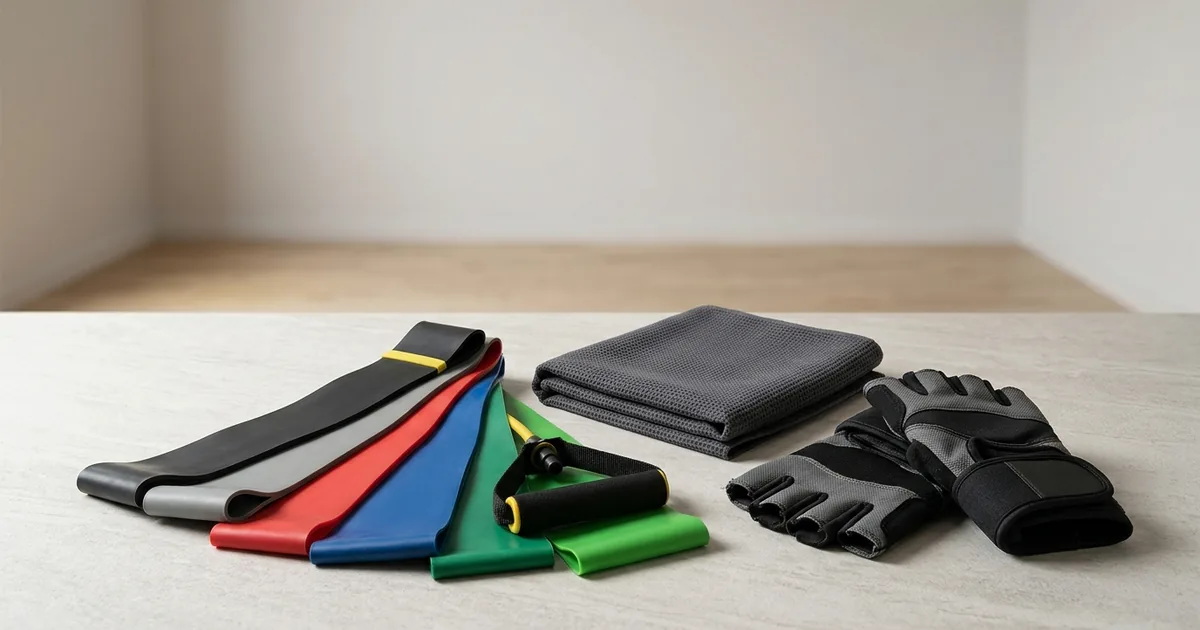
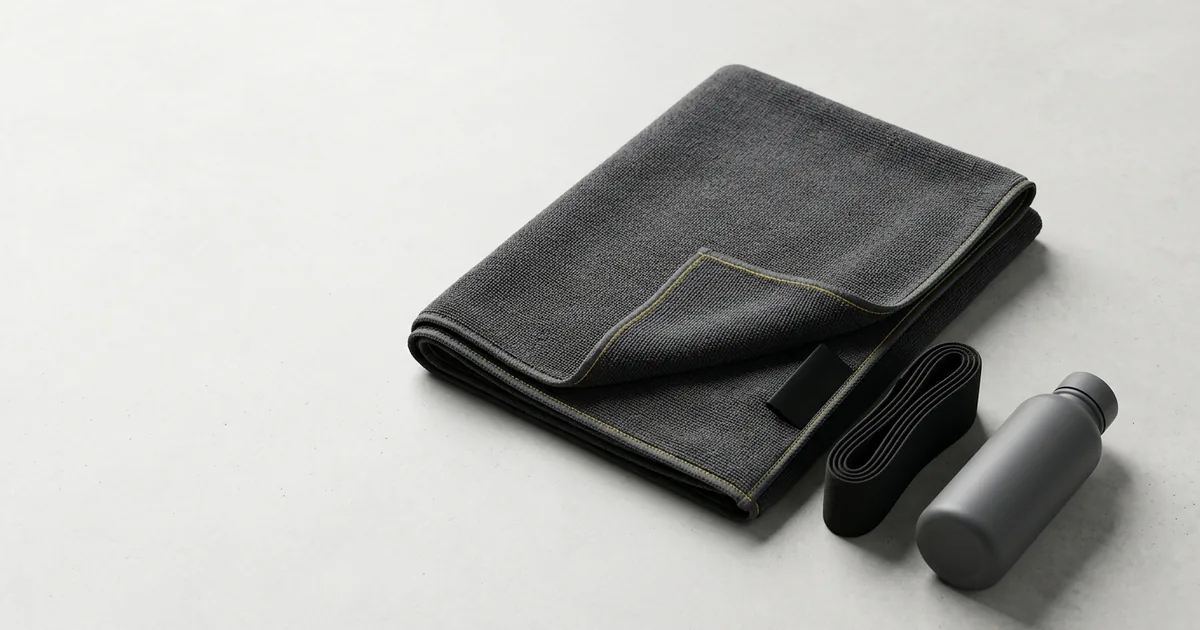
Keep a set of microfiber workout towels near your walking pad to manage sweat on tiled floors and protect the deck surface between uses. If your sessions include handle-based intervals or you add resistance band work after walking, a pair of gym gloves and straps protects grip and keeps hands dry on humid days.
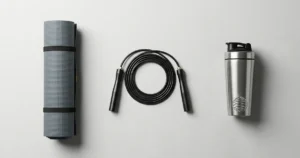
A portable blender bottle lets you mix a shake immediately after your walking pad session without heading to the kitchen, useful in a studio layout where the training corner doubles as the living space.
Walking pad technology moves fast, with quieter motors and smarter incline control released regularly. Check the new arrivals category before buying to compare the latest foldable and incline models against older stock.
Choose a foldable flat-only pad. Under-bed clearance is almost always the deciding constraint, and a flat pad’s lower folded height clears more bed frames. Prioritize a model under 25 cm folded height.
Either type works. If your training goal includes intensity progression and you have the closet space, the incline pad is the better long-term investment since floor space is no longer the limiting factor.
Favor the flat-only foldable pad and keep speeds moderate. Avoid incline pads if your walking sessions happen late at night above a shared ceiling, since incline transitions add motor sound on top of footfall.
Weight becomes the priority. A lighter flat-only foldable pad, 20-25 kg, is easier to move between two residences or store in a second home’s closet when not in daily use. Incline pads add convenience but also add kilograms you will feel every time you relocate the unit.
A flat-only foldable pad at low speed under a standing desk is the practical choice. Incline changes are unnecessary and potentially distracting during video calls, and the lower unit height suits desk clearance better.
Whichever you choose, a few habits extend the life of the motor, belt, and hinge significantly. Wipe the deck and belt edges after sweaty sessions, since salt residue can degrade rubber over time in humid climates. Check belt tension monthly, a belt that slips under load wears the motor faster. Fold and unfold the hinge fully each time rather than leaving it half-open, since partial folding stresses the hinge pins unevenly. For incline pads, avoid switching incline levels mid-stride at high speed, pause briefly or reduce speed first to protect the lift mechanism. Store the unit away from direct sun exposure near balcony doors, since UV and heat degrade belt rubber and plastic housings faster in Gulf climates.
Foldable vs incline walking pad, which suits a small apartment, comes down to three honest measurements: your storage clearance, your noise tolerance, and your training goal. If under-bed storage is your only option, the flat-only foldable pad wins on footprint and weight almost every time. If you have closet space and want more calorie burn and training variety from one unit, the incline pad earns its extra size and AED cost. Measure your space before you shop, match the unit to your actual apartment constraints, and either choice will fit a genuinely portable, low-noise home training routine in the UAE or KSA in 2026.
First check that it is plugged into a dedicated socket, not shared with high-draw appliances like a kettle, microwave, or AC unit on the same circuit. Incline pads draw more current when the lift motor and drive motor run together, which can overload weaker circuits in older buildings. Switch to a different wall socket, avoid extension boards with multiple devices attached, and confirm the walking pad’s rated power draw against your breaker’s capacity. If trips continue on a dedicated, unshared socket, the unit’s control board may be faulty and should be checked under warranty rather than repeatedly reset.
In use, expect to need roughly 140-150 cm long and 55-60 cm wide of clear floor space, plus a small buffer at the front and rear for safe stepping on and off. Folded, most units shrink to about 60-70 cm long, 45-60 cm wide, and 20-32 cm tall depending on whether it includes an incline function. Always measure your specific storage spot, under a bed, in a closet, or against a wall, before buying, since folded height varies enough between models to matter for tight clearances.
For a small flat, yes, in almost every practical sense. A walking pad is shorter, narrower, lighter, and foldable, letting it disappear into a closet or under a bed when not in use, while a full treadmill’s frame, handrails, and console make it a permanent fixture that a small apartment usually cannot spare. The trade-off is top speed and running capability, treadmills support running and higher inclines, while walking pads are built for walking-pace cardio. For apartment living focused on daily steps, desk walking, or moderate incline sessions, the walking pad is the more sensible fit.
Yes. Walking at an incline of around 10-12 percent at the same speed as flat walking can increase calorie burn by roughly 30-50 percent, since your body works against gravity with each step and engages the glutes, hamstrings, and calves more directly. This makes incline walking a practical way to raise training intensity in a small apartment without needing more floor space or a louder, faster belt speed.
Yes, a flat-only foldable walking pad is the better match for desk walking. Keep speeds low, typically 2-4 km/h, to maintain typing accuracy and call quality, and check that your desk height clears the walking pad’s deck height plus your standing posture comfortably. Incline pads are unnecessary for desk walking since incline changes add distraction and mechanical noise without benefiting a low-intensity, all-day walking pattern.

Last updated: October 21, 2026 Sore legs the day before a big lift. Tight shoulders after three straight gym sessions.
Last updated: October 21, 2026 Most home gyms fail for the same reason: the gear doesn’t match the space, the
Last updated: October 18, 2026 Most people buy a gym towel the way they buy a phone charger, fast, cheap,