
Last updated: September 2, 2026
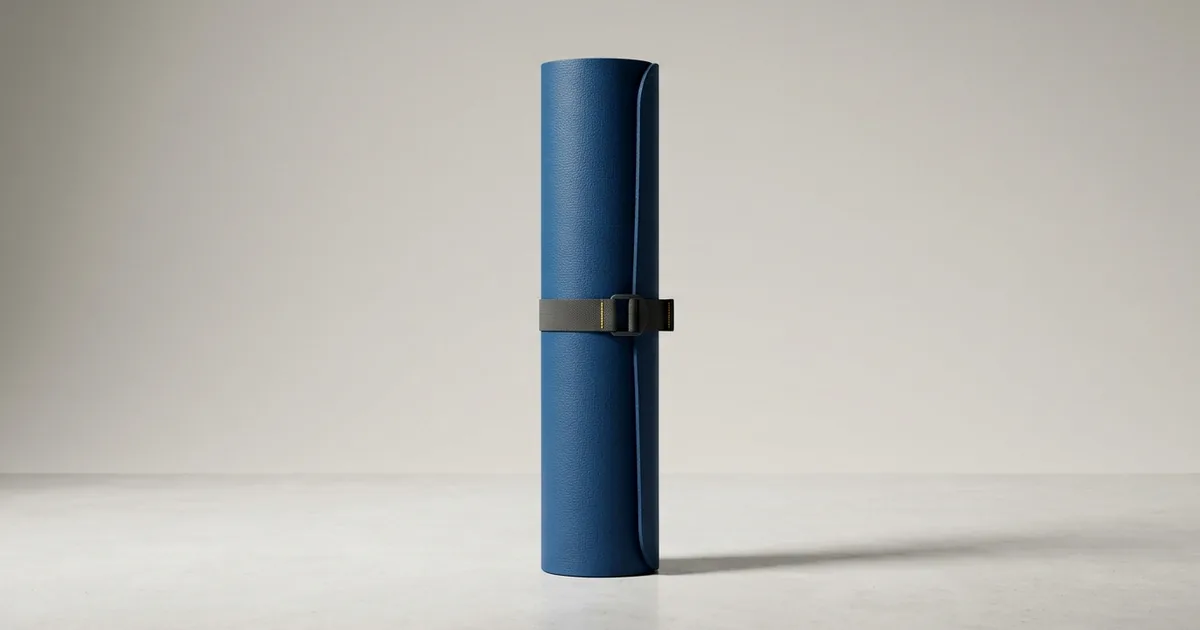
Marble floors, cooled indoor air, and limited square footage change what a yoga mat needs to do in a UAE home. A mat built for a padded studio floor in a temperate country will slide on Dubai marble, trap heat under AC vents, and roll up wrong for the villa storage cupboard. If you practice at home in Dubai, Abu Dhabi, Sharjah, or Riyadh, the mat is not a small accessory, it is the single piece of gear that determines whether your session is stable, comfortable, and repeatable every single day.
This guide breaks down exactly what makes a yoga mat work for home practice in the UAE climate, which materials and thicknesses suit tile, marble, and carpeted floors, how to size a mat for small apartments, and what you should expect to pay in AED. We will also cover the gear that pairs naturally with a home yoga setup, so your practice space works as hard as you do.
A studio floor is usually sprung wood or padded rubber. It already absorbs some shock and gives your feet a bit of texture to grip. Most UAE homes do not have that luxury. Villas commonly have polished marble or large-format porcelain tile. Apartments lean toward tile or engineered wood over concrete slabs. Neither surface offers any natural cushioning or grip, which means your mat is doing 100% of the work.
Add the regional climate into the mix. Homes run air conditioning almost year-round, which dries out both skin and rubber over time, making cheap mats brittle and slick faster than they would in a humid climate. Meanwhile, an intense home session, especially in a room that gets sun exposure through glass windows, still produces real sweat, and that sweat needs somewhere to go other than sliding you off your mat mid-Warrior II.
Then there is space. A large share of home practitioners in Dubai and Abu Dhabi are working with a bedroom corner, a compact living room, or a home gym nook, not a dedicated studio. The mat needs to roll small, store flat under a bed or behind a door, and survive being packed for a Ras Al Khaimah weekend trip or a flight back to Riyadh without cracking.
This is the single most important factor for marble and tile homes. A mat with a closed-cell surface and light texture will hold its position on a hard floor even without an underlay. Look for mats described as having a “non-slip” or “sticky” top layer, and if you tend to sweat heavily, prioritize a mat that actually grips better when damp, since some rubber and PVC blends do the opposite and turn slippery the moment moisture hits them.
Standard mats run between 3mm and 6mm. Thinner mats (2-3mm) give you a stronger connection to the floor, which matters for balance poses, but they offer less cushioning for the knees and spine on hard marble. Thicker mats (5-6mm) protect joints better during kneeling and seated work but can make standing balance poses feel less stable. For most home practitioners on tile or marble in the UAE, something in the 4-5mm range is the practical middle ground.
Not all mat materials age the same way under constant air conditioning and occasional direct sun through windows. PVC is durable and affordable but can stiffen slightly in very dry, cool air over years of use. TPE is lighter and more eco-friendly but slightly less durable long-term. Natural rubber offers the best grip-when-sweaty performance but can develop a faint rubber smell in a closed, air-conditioned room until it airs out. We cover this in detail in the materials section below.
Standard mats measure roughly 173cm long. If you are above average height, your hands or feet will regularly land off the mat during longer stances, which affects both grip and hygiene. Extended mats running 180-200cm solve this and are worth the extra AED if you are 175cm or taller.
A genuinely useful home mat in the UAE should also survive being rolled into a gym bag or a carry-on. Weight matters here. A mat under 1.5kg with a simple strap or built-in loop is far easier to carry between a home session, a Dubai gym class, and a trip to Riyadh than a heavy 3.5kg premium studio mat.
Dust, sand, and general household grime settle fast in UAE homes, even with regular cleaning. A mat with a closed-cell surface (rather than an open-cell foam) resists absorbing sweat and dirt, wipes clean in seconds, and does not hold odor. This matters more here than in cooler climates because AC use means windows stay shut and rooms get less natural airflow to dry out a damp mat.
Budget PVC mats typically sit in the AED 50-120 range. Mid-range TPE and textured PVC mats with better grip and thickness run AED 120-250. Premium natural rubber or cork-topped mats with reinforced durability and extended sizing land between AED 250-450+. For most home practitioners, the mid-range tier delivers the best long-term value without overpaying for studio-grade features you may not need at home.
PVC is the most common yoga mat material worldwide and for good reason. It is durable, holds its shape over years of use, cleans easily, and costs less than most alternatives. On UAE tile and marble floors, textured PVC mats provide reliable grip for dry-hand practice. The tradeoff is that PVC is not biodegradable and some cheaper versions carry a plastic smell out of the packaging that takes a day or two of airing out in a UAE apartment before it fully fades.
TPE mats are lighter than PVC, closed-cell (so they resist moisture absorption), and generally considered a more eco-conscious middle ground. They tend to be slightly less durable over years of daily use compared to PVC or rubber, but for a home practitioner doing 3-5 sessions a week, a good TPE mat easily lasts 1-2 years. This is a strong pick if you want a lighter mat to move between rooms in an apartment or pack for travel.
Rubber mats are the top choice for grip, especially once you start sweating, which makes them popular for power yoga and vinyasa styles practiced at home. They are heavier and pricier, and in a closed air-conditioned room, a new rubber mat can carry a noticeable smell for the first week. Rubber is also not ideal for anyone with a latex sensitivity, so check the product description before buying.
Cork surfaces get grippier as they absorb sweat, which sounds counterintuitive but works well for hot, humid sessions. Cork also naturally resists bacteria and odor, a genuine advantage in a warm climate where mats do not always get full sun exposure to air out. The base layer under the cork is usually rubber or TPE for cushioning. These mats sit in the premium price bracket but suit anyone who sweats heavily during home workouts.
These combine a rubber base with a soft microfiber or suede top layer that absorbs moisture on contact, becoming grippier as a session progresses. They feel closer to a towel underfoot, which some practitioners love and others find too soft for standing balance work. They also need more frequent washing since the fabric top holds onto sweat and dust more than a closed-cell surface.
Fast-paced, sweat-heavy sessions need a mat that grips better wet, not worse. Natural rubber or cork-topped mats in the 4-5mm range perform best here. A slippery mat during a fast flow on marble flooring is a genuine injury risk, so do not compromise on grip to save AED 50-100 if this is your main practice style.
Long, held poses on the floor benefit from a thicker mat, 5-6mm, to protect hips, knees, and the spine during extended contact with hard tile or marble. Grip matters less here since movement is minimal, so PVC or TPE options work well without needing premium rubber pricing.
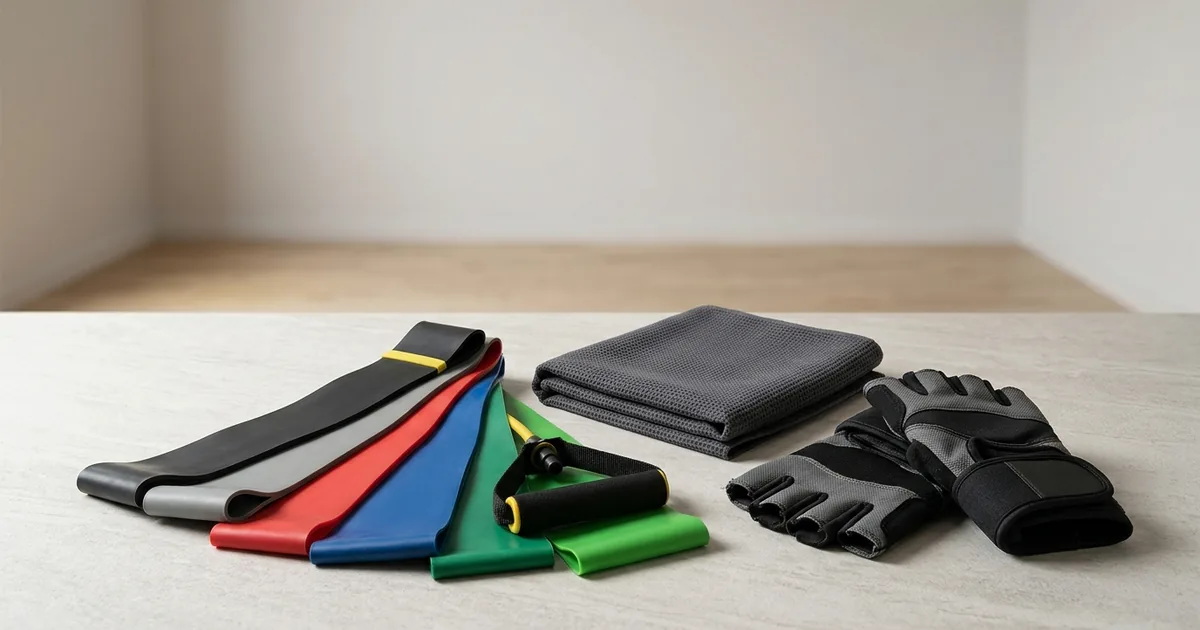
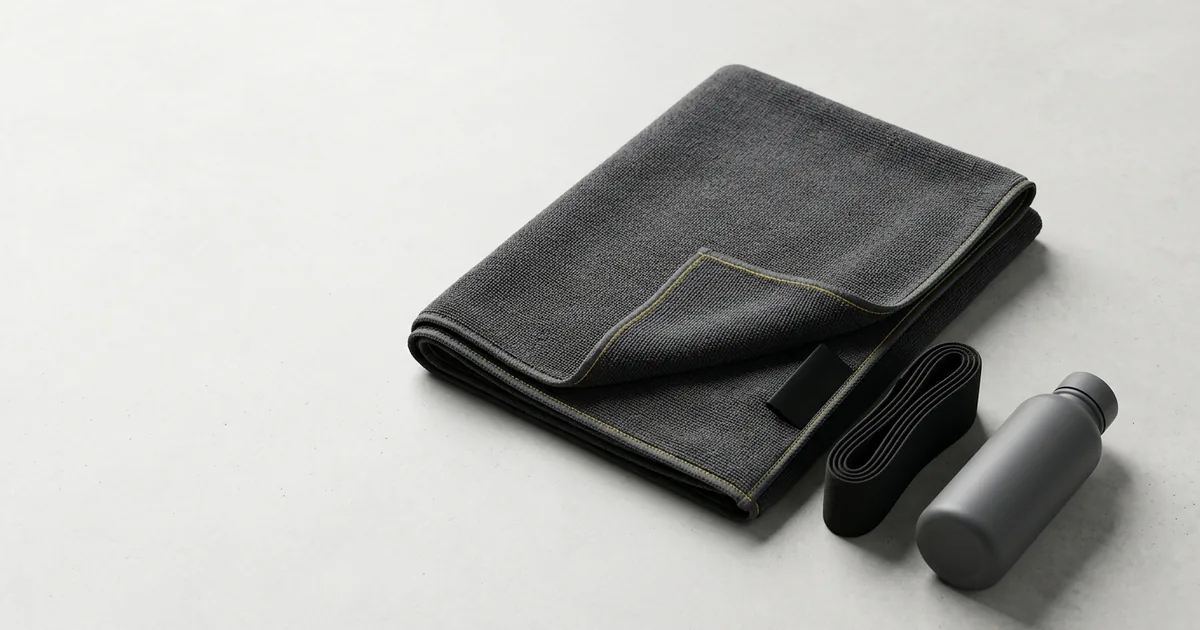
If you crank the AC down or practice near a sun-warmed window to build heat, a heavily textured or cork surface prevents pooling sweat from turning the mat into a slip hazard. A dedicated microfiber towel over the mat during these sessions also helps, and this is where a set of quality microfiber workout towels earns its place next to your mat, absorbing sweat fast without adding bulk to your setup.
If your home mat also doubles for floor-based strength training, core work, or mobility drills, prioritize thickness and density over ultra-thin balance-focused designs. A firmer 5mm mat supports planks, glute bridges, and floor presses without your hips sinking too far into a soft surface.
Space planning matters as much as the mat itself. In a compact Dubai Marina or Business Bay apartment, a mat needs to roll up small enough to slide behind a wardrobe door or under a bed frame. Look at the rolled diameter, not just the length and width, since two mats of the same thickness can roll to noticeably different sizes depending on the material’s flexibility.
For villa owners with more open floor space, storage is less of a constraint, but floor type becomes the bigger factor. If you are practicing directly on marble without a rug, lean toward the thicker end of the range, 5-6mm, and consider a slightly wider mat than standard if you tend to move laterally during your flow.
Taller practitioners, generally 175cm and above, should look specifically for mats listed at 180cm or longer. Practicing on a mat that is too short means your hands or feet regularly land on bare tile, which affects grip, temperature comfort (marble stays cool even indoors), and hygiene since bare floor contact defeats part of the purpose of using a mat at all.
A mat solves the floor-contact problem, but a well-rounded home practice space usually benefits from a few additional pieces of gear that complement rather than compete with your mat.
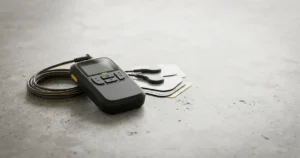
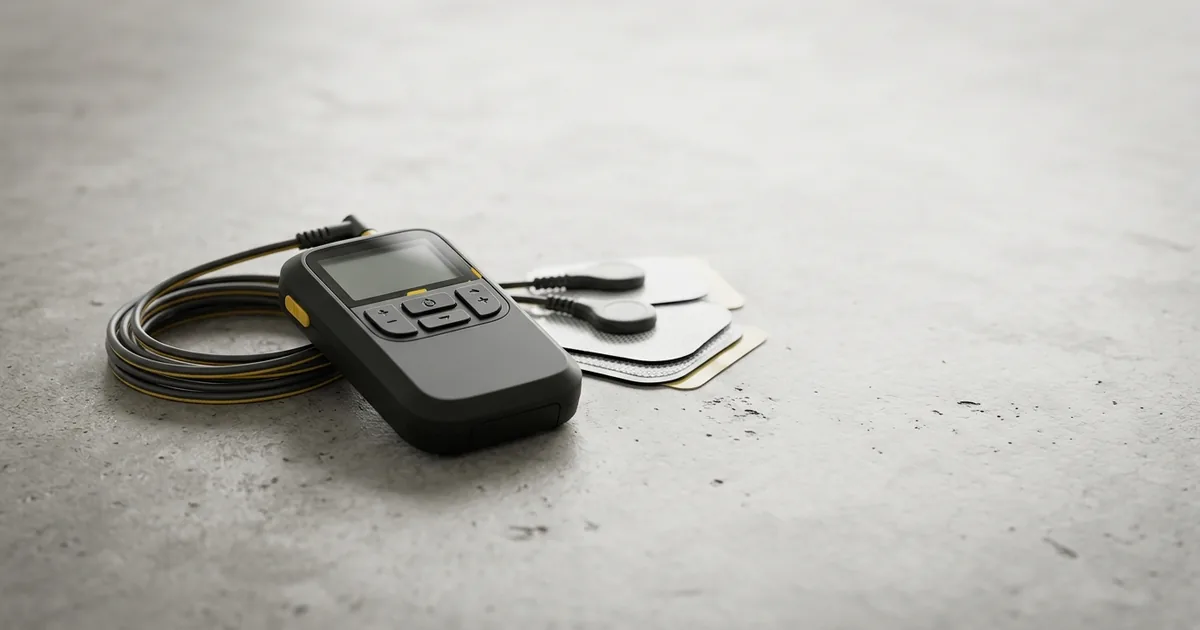
Many home practitioners pair their mat sessions with recovery work. A vibration platform placed nearby is a popular addition for pre-practice warmups or post-session muscle recovery, and it stores compactly enough to fit in the same corner as a rolled mat without turning your practice space into a home gym showroom.
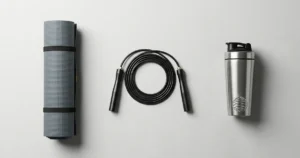
If your home routine mixes yoga with cardio intervals, a beaded jump rope is genuinely one of the most space-efficient additions you can make. It rolls up smaller than almost any other piece of cardio gear, works on the same tile or marble floors your mat handles, and travels just as easily for anyone splitting time between Dubai and Riyadh.
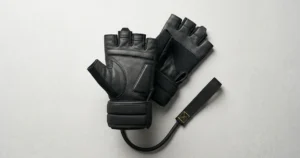
Arm balances and prolonged plank holds put real strain on the wrists, especially on a firm mat surface. If wrist discomfort limits your practice, a set of gym gloves and straps can add support during transitions and floor-based strength segments without interfering with your mat grip.
As mentioned earlier, microfiber towels are the simplest upgrade for anyone practicing intense flows in a UAE home, where AC humidity control varies room to room. Laying a towel over your mat during heated sessions protects the mat’s surface and keeps your grip consistent from the first pose to the last.
Home practice gear updates regularly with better materials and smarter designs. It is worth browsing the new arrivals category periodically if you are building out a home setup gradually rather than all at once, since newer mat and accessory batches often bring improved grip technology or sizing options at the same AED price point.
Pricing for yoga mats sold in the UAE generally falls into three clear tiers, and the same tiers roughly apply in Saudi Arabia when converted to SAR at current exchange rates.
A useful rule of thumb: if you practice fewer than twice a week, an entry-level mat is perfectly adequate. If yoga is a core part of your weekly routine, spending in the mid-range tier pays off within the first year through better grip, less wear, and fewer replacement purchases.
UAE sunlight through glass windows is intense enough to degrade rubber and PVC over time, causing brittleness and fading. Store your mat rolled and out of direct sun when not in use, particularly in villa rooms with large west-facing windows.
Even with windows closed and AC running, fine dust and sand settle on surfaces faster in this region than in most climates. Wipe your mat down after every session, not just after sweaty ones, to prevent dust from working into the surface texture over weeks of use.
Rolling a damp mat traps moisture inside the roll, which in a warm, air-conditioned room can lead to a musty smell developing faster than you would expect. Hang or lay the mat flat for 15-20 minutes after a sweaty session before rolling it away.
If you practice every day, having a second mat, even a budget one, to rotate in while the other airs out extends the life of both and keeps your primary mat in better condition for longer.
Whether you are based in Dubai, Abu Dhabi, Sharjah, or across the border in Riyadh or Jeddah, ordering a yoga mat online for home delivery has become the standard way most people set up their practice space, especially given how much easier it is to compare thickness, material, and AED pricing side by side before committing. Look for sellers who clearly list mat thickness, material, and dimensions rather than vague marketing language, since these three details are what actually determine how the mat performs on your specific floor at home.
The best yoga mat for home practice in the UAE is not the most expensive one, it is the one matched correctly to your floor type, practice style, and space. On marble and tile, prioritize grip and a thickness between 4-6mm. If you sweat heavily, choose rubber or cork over standard PVC. If space is tight, weigh rolled size as heavily as mat quality. Get these fundamentals right, pair your mat with a few smart additions like a microfiber towel or a compact recovery tool, and your home practice space will hold up to daily use, UAE climate included, for years rather than months.
Wipe it down after every session with a damp microfiber cloth or a mix of water and a few drops of mild soap. Avoid harsh chemical cleaners since they break down rubber and PVC surfaces faster, especially with regular UAE air conditioning already drying the material. For a deeper clean every few weeks, use a dedicated mat spray or a light vinegar-water solution, then let the mat air dry fully before rolling it away.
There is no single best mat for everyone, it depends on your floor, practice style, and budget. For most UAE homes with tile or marble flooring, a textured TPE or natural rubber mat in the 4-5mm thickness range offers the best balance of grip, cushioning, and durability. Heavy sweaters should lean toward rubber or cork-topped mats, while restorative practitioners benefit more from thicker, softer PVC or TPE options.
Start with your floor type, hard surfaces like marble or tile need better grip and slightly more cushioning than carpet. Then consider your practice style, power yoga needs sweat-resistant grip while restorative practice needs thickness. Factor in your height for mat length, your storage space for rolled size, and your budget, with mid-range TPE or textured PVC mats in the AED 120-250 range covering most home practitioners’ needs well.
The textured, grippier side faces up toward you, while the smoother, denser side faces down against the floor for stability. Most mats make this obvious through visible texture differences, but if unsure, check the product packaging or run your hand over both sides, the side with more traction is the one you stand and sit on.
For a full wash, most closed-cell mats (PVC, TPE, rubber) should not be machine washed or fully submerged, since trapped water can damage the material or cause odor over time. Instead, wipe the entire surface with a soft cloth and a gentle soap-water solution, rinse the cloth and wipe again to remove residue, then hang the mat flat to air dry completely before storing or rolling it up.
Standard yoga mats measure approximately 173cm long, which suits most practitioners up to around 170-175cm tall. If you are taller than that, look for extended mats measuring 180-200cm to avoid your hands or feet landing off the mat during longer stances and stretches, which affects both grip and comfort on hard UAE flooring.
Last updated: October 21, 2026 Sore legs the day before a big lift. Tight shoulders after three straight gym sessions.
Last updated: October 21, 2026 Most home gyms fail for the same reason: the gear doesn’t match the space, the
Last updated: October 18, 2026 Most people buy a gym towel the way they buy a phone charger, fast, cheap,