Most people buy the wrong resistance band because they buy on price, not on purpose. A flat therapy band that’s great for shoulder rehab will snap under a heavy glute bridge. A thick powerlifting loop that’s perfect for squats is useless for stretching. The best resistance bands for training are the ones matched to your goal, your body, and where you train, whether that’s a gym floor, a living room, or a hotel room on a work trip. This guide breaks down exactly what to look for, which band type fits which goal, and how to build a kit that actually gets used instead of sitting in a drawer.
What Makes a Resistance Band Worth Buying
Not all bands are built the same, and the difference shows up fast, usually mid-workout when a cheap band rolls, snaps, or loses tension after three sessions. Before you look at colors or price tags, check these four things.
Material and Latex Quality
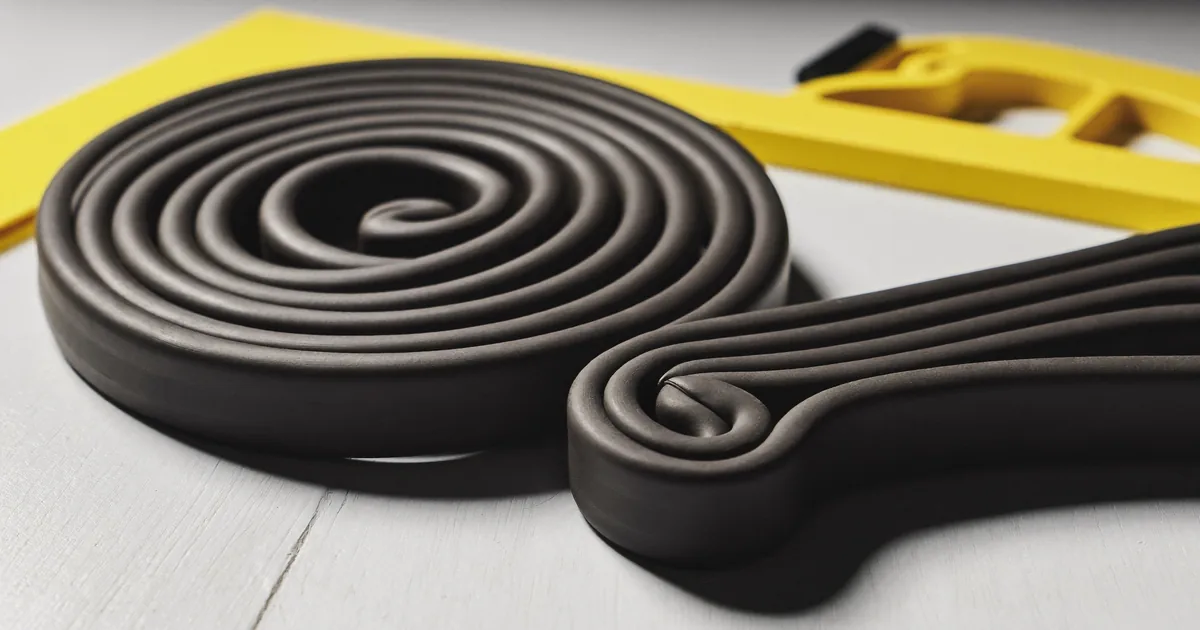
Natural latex is the gold standard. It stretches smoothly, holds tension consistently, and resists tearing far longer than synthetic blends. Cheap synthetic bands feel stiff out of the box and lose elasticity within weeks of regular use. Run your fingers along the band before buying, or check reviews for mentions of snapping. A quality band should feel smooth, not sticky or brittle.
Resistance Levels and Progression
A single band gets you nowhere. Strength training is about progressive overload, and that means owning a set that spans light, medium, heavy, and extra-heavy resistance. Most serious lifters end up using three to five levels across different exercises. Buying a set from day one saves money and prevents the frustration of plateauing on a single band.
Length and Loop Type
Length determines what exercises a band can actually perform. Short loop bands (12-15 inches) are built for glutes, hips, and lateral work. Longer loops (40-48 inches) handle pull-aparts, assisted pull-ups, and full-body stretches. If a band is too short for the movement you’re trying to do, you’ll compensate with bad form, and that’s how injuries start.
Types of Resistance Bands (Which One Fits Your Training)
“Resistance band” is a category, not a single product. Each type is built for a different job. Here’s how they break down.
Loop Bands (Mini Bands)
Small, continuous loops used mostly for lower-body activation. Squats, monster walks, glute bridges, and hip abductions all rely on mini bands. They’re the go-to warm-up tool for anyone who trains legs seriously, because they force the smaller stabilizer muscles to fire before the heavy lifting starts.
Tube Bands with Handles
These mimic cable machine movements, rows, presses, curls, and lat pulldowns, using handles and sometimes a door anchor. They’re the closest thing to a full gym setup you can fit in a backpack, which makes them the top pick for home training or travel days when there’s no rack in sight.
Flat Therapy Bands
Thin, wide, and low-resistance, these are built for mobility work, physiotherapy, and warm-ups rather than heavy strength training. If you’re managing a shoulder issue or working on ankle mobility, a flat band gives you controlled, low-impact resistance without loading the joint.
Figure-8 Bands
Shaped exactly as the name suggests, with a handle on each end. These are built for upper-body isolation work like bicep curls, chest presses, and shoulder raises. They’re compact, simple, and good for anyone who wants a no-fuss option focused purely on arms and shoulders.
Best Resistance Bands for Different Goals
The right band depends entirely on what you’re training for. Matching the tool to the goal is what separates a useful purchase from a wasted one.
Strength and Muscle Building
For hypertrophy and strength work, go with heavy-resistance loop bands and tube bands with multiple resistance levels. Pair them with compound movements, squats, deadlifts, rows, presses, and use the band to add resistance at the top of the movement where free weights lose tension. This is one of the few ways to keep loading a muscle through its full range of motion without a rack.
Mobility, Warm-up and Rehab
Flat bands and light loop bands dominate here. Use them before every session to open up hips, shoulders, and ankles. Five minutes of banded mobility work before a heavy leg day reduces injury risk more than any amount of static stretching. If you’re recovering from an injury, low-resistance flat bands let you rebuild strength without risking re-injury from sudden load.
Home Workouts and Travel
Tube bands with handles and a door anchor turn any room into a functional training space. No rack, no plates, no noise complaints from downstairs neighbors. This is where portable gear earns its reputation, a full-body session packed into something that fits in a carry-on. For travel days, pairing bands with a compact tangle-free jump rope gives you strength and cardio covered in one small bag.
Full-Body Circuit Training
Circuit and HIIT-style training benefits from a mixed set, mini bands for lower body stations, tube bands for upper body stations, and short rest periods in between. Bands make circuits more intense because there’s no idle time swapping weight plates. You move from station to station and the resistance is always ready.
How to Choose the Right Resistance Level
Resistance levels are usually color-coded, but colors aren’t standardized across brands, so don’t shop by color alone. Instead, use this practical approach:
- Light bands: warm-ups, rehab, shoulder and ankle work, high-rep isolation moves.
- Medium bands: glute activation, banded push-ups, assisted stretching, moderate upper-body work.
- Heavy bands: squats, deadlifts, rows, and any compound lift where you want added resistance at the top of the rep.
- Extra-heavy bands: assisted pull-ups, powerlifting accessory work, advanced strength training.
If you’re unsure where to start, buy a set that spans at least three levels. You’ll grow into the heavier resistance faster than you expect, and having the lighter bands on hand keeps warm-ups and mobility work covered without buying twice.
Building a Complete Resistance Band Kit
A single band is a tool. A kit is a training system. Here’s what a complete setup looks like for someone serious about training across gym, home, and travel.
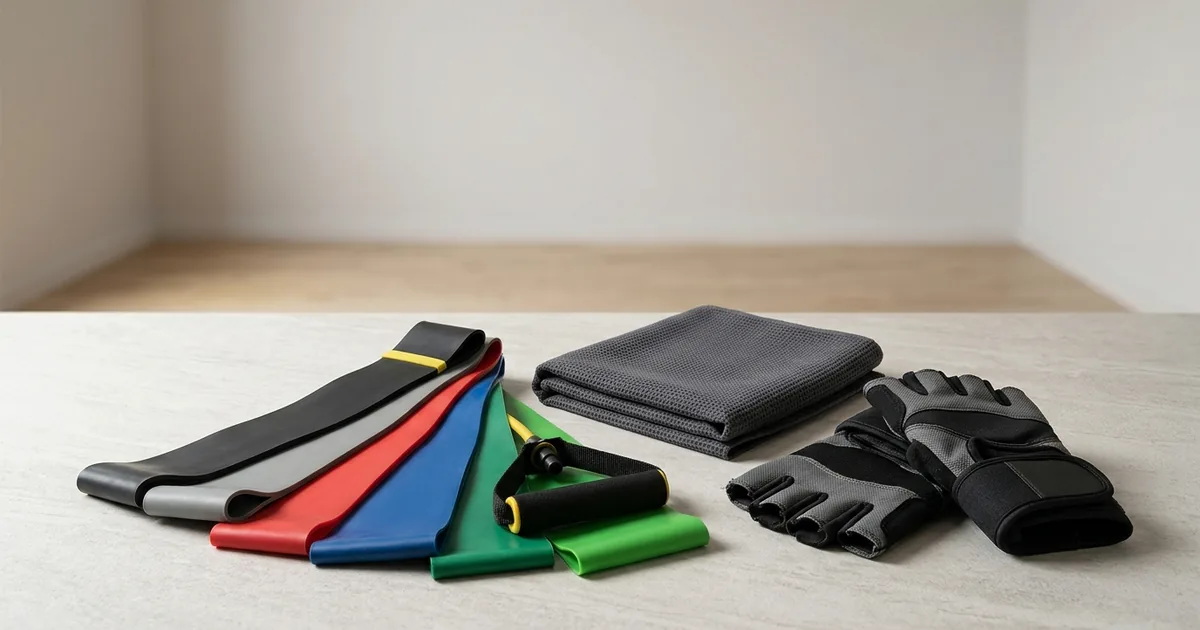
- Mini loop bands (light to heavy) for activation and lower-body work.
- Tube bands with handles and a door anchor for upper-body pulls and presses.
- A flat band for mobility and warm-ups.
- A carry pouch so the whole kit travels without tangling.
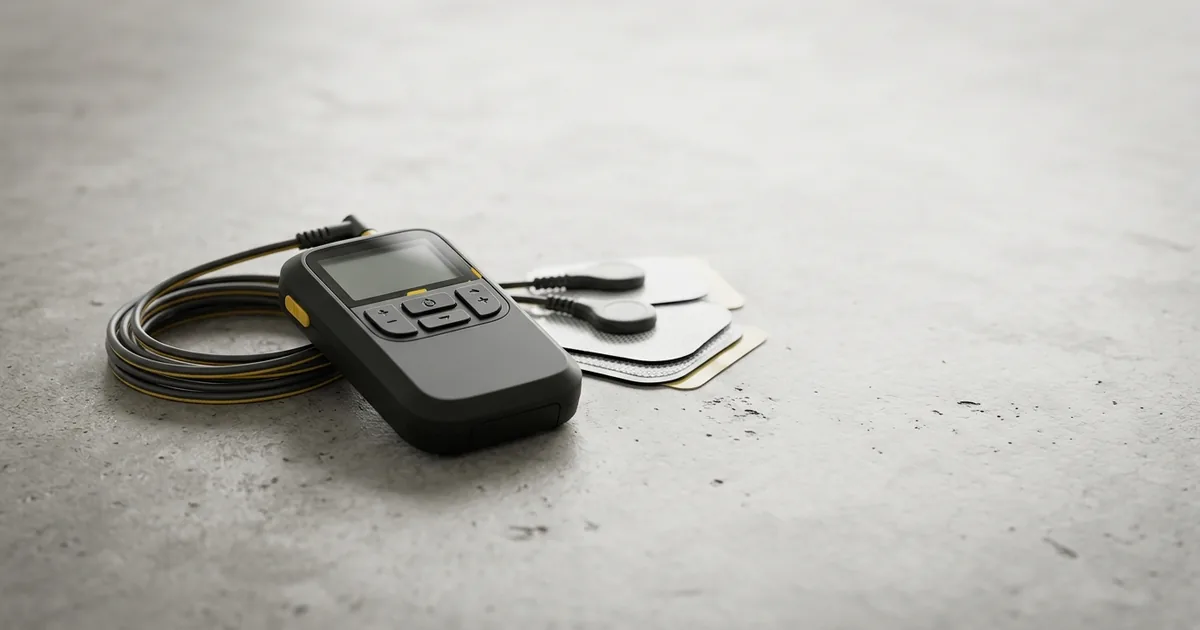
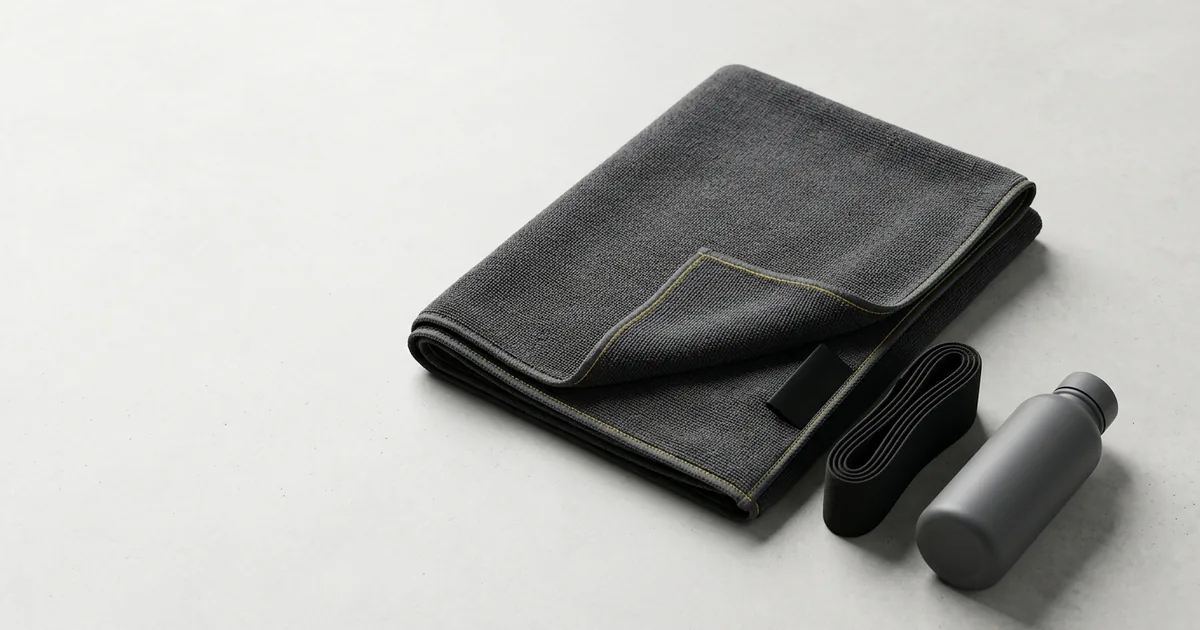
To round out a home or travel setup, add a few supporting pieces from the fitness essentials range. A vibration plate pairs well with bands for warm-ups and recovery days, activating muscles before a band-resisted session or easing soreness after one. Keep a microfiber workout towel in the bag too, band work gets sweaty fast once you’re moving through a full circuit. If you like staying current with what’s new, check the new arrivals section before restocking your kit, band designs and resistance systems improve every season.
How to Use Resistance Bands Safely and Effectively
Bands are low-risk compared to free weights, but misuse still causes injuries, mostly from snapped bands or bad anchoring. Follow these rules every session.
Inspect Before Every Use
Check for small tears, thinning patches, or discoloration. A band that’s about to fail usually shows warning signs first. Replace it immediately if you see any.
Anchor Securely
Door anchors need a solid, closed door. Never anchor a tube band to something that can shift or swing open mid-rep. For loop bands, keep them positioned above the knee or around the ankle, never resting on a joint.
Control the Release
Most band injuries happen on the return, not the pull. Control the band back to start position instead of letting it snap back. This also doubles your training volume, since the eccentric phase builds strength too.
Match Band to Movement
Don’t use a heavy band for high-rep mobility work, and don’t use a flat therapy band for a heavy squat. Mismatched resistance is the fastest way to either get no results or blow through the band.
Resistance Bands vs Free Weights vs Gym Setups
Bands aren’t a replacement for every tool, they’re a different training stimulus. Free weights build raw strength through consistent load. Bands build strength through variable resistance, meaning tension increases as the band stretches, which challenges muscles differently at different points in a movement. This is why bands are excellent for accessory work and finishing sets, even for people who train primarily with weights.
Where bands win outright is portability. A full-body strength session that would require a rack, bench, and multiple plates can be replicated with a set of bands that weighs under a kilogram and rolls up into a small pouch. For anyone training across a gym, a home setup, and travel, that flexibility is the entire point.
Care and Storage Tips
Latex bands degrade faster with poor storage. Keep them out of direct sunlight, away from extreme heat, and dry after sweaty sessions. Talc or a light dusting of cornstarch keeps latex bands from sticking to themselves in storage. Store them flat or loosely coiled, not tightly knotted, knots create stress points that weaken the material over time. A dedicated pouch or a section of your gym bag keeps them separate from sharp objects like keys or clips that can nick the surface.
Conclusion
The best resistance bands for training aren’t the ones with the flashiest packaging, they’re the ones matched to your goals, your resistance progression, and the way you actually train. Build a kit with a range of resistance levels, pick the right band type for the movement, and treat maintenance as part of the routine, not an afterthought. Do that, and a set of bands becomes one of the most versatile tools in any training setup, gym, home, or on the road.
Frequently Asked Questions
What is the best resistance band for beginners?
Start with a set that includes light and medium loop bands plus one flat band. This covers activation work, mobility, and basic strength moves without risking injury from a band that’s too heavy to control.
How many resistance bands do I actually need?
A practical kit includes three to five resistance levels across loop bands and tube bands, plus one flat band for mobility. This range covers warm-ups, strength training, and recovery without overbuying.
Can resistance bands really build muscle like weights?
Yes, bands provide variable resistance that increases tension as the band stretches, which challenges muscles differently than constant free-weight load. Combined with progressive band levels, they build real strength over time.
How do I know when to replace a resistance band?
Check for thinning patches, small tears, discoloration, or a sticky, brittle texture. If the band feels different from when you bought it, or shows any visible wear, replace it before your next session.
Are resistance bands good for travel workouts?
Yes. A set of tube bands with handles and a door anchor replicates most gym pulls and presses in a space the size of a hotel room, and the entire kit fits in a small pouch inside a carry-on bag.