
Last updated: September 2, 2026
Your grip fails before your muscles do. It happens on the last set of deadlifts, on pull-up number nine, on a sweaty dumbbell row when the bar starts sliding out of your palm. Gym gloves for weightlifting exist to fix that one problem: keeping your hands locked on the bar so your training session ends on your terms, not your palm’s.
This guide breaks down every type of gym glove, what actually matters when you buy one, how to size them correctly, and how to use them across gym, home, and travel setups. No fluff, no filler, just what you need to make a smart call before you spend your money.
Lifting heavy without hand protection is a short-term win and a long-term problem. Bare-hand training builds calluses, and calluses eventually tear. A torn callus mid-set ends your workout and takes days to heal. Gym gloves for weightlifting solve three problems at once: they protect your skin, they improve your grip on knurled bars and dumbbell handles, and they support your wrist through heavy pressing and pulling movements.
Barbells, kettlebells, and pull-up bars are rough by design, that texture helps grip. But repeated friction against bare skin builds thick calluses. Left untrimmed, those calluses catch on the bar and rip. A quality glove distributes pressure across your palm instead of concentrating it on a few pressure points, which slows callus buildup and prevents tears.
Sweaty palms are the enemy of a strong grip. Once your hands start slipping, your brain shifts focus from the lift to just holding on, and your form breaks down. Gloves with textured palm padding, silicone grip strips, or breathable mesh backing help your hands stay dry and locked in for the full set.
Many gym gloves for weightlifting come with a built-in wrist wrap, a strap that cinches around the wrist for extra support during heavy presses, push presses, and overhead work. This isn’t just comfort, it reduces the risk of wrist hyperextension when you’re pushing near your one-rep max.
Not all gloves are built the same. The right style depends on what you train and how heavy you go.
These cover the entire hand, including fingers. They’re common in CrossFit-style training, kettlebell work, and rope climbs where full hand coverage matters. The downside is reduced tactile feedback, some lifters feel disconnected from the bar with full coverage, especially during Olympic lifts that require fine bar control.
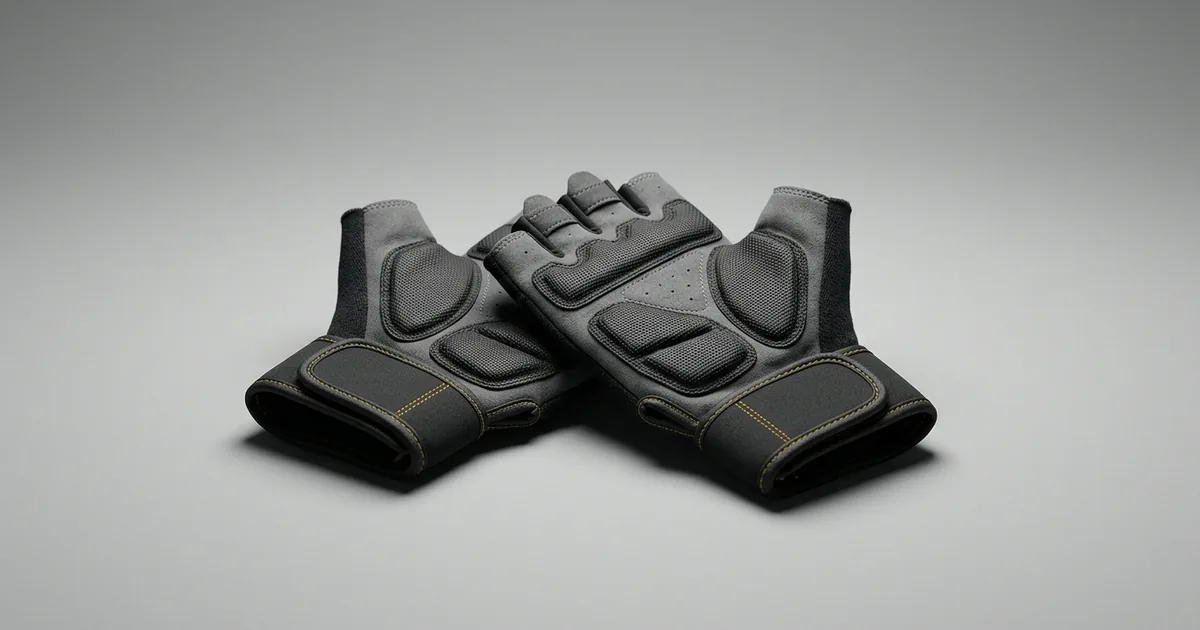
The most popular style for weightlifting. These cover the palm and leave fingers exposed, which preserves grip feel while still protecting the high-friction zones. Fingerless gloves are the default choice for bench press, deadlifts, rows, and general strength training.
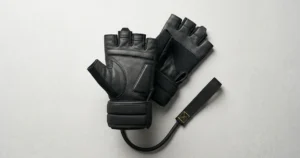
A hybrid design that combines a fingerless glove with an integrated wrist wrap. This is the go-to option for lifters who do heavy pressing (bench, overhead press, push press) and want wrist support without buying a separate wrap. It’s also the most space-efficient option if you’re building a minimal travel kit.
Built with extra foam or gel padding across the palm, these are aimed at lifters who want maximum callus protection during high-volume training, think daily pull-up work or long kettlebell sessions. The tradeoff is slightly less bar feel, which some Olympic lifters avoid.
Thin, low-profile gloves with light padding, designed for lifters who want just enough coverage to prevent tears without sacrificing grip sensitivity. Popular with powerlifters who prioritize direct bar contact.
There’s an ongoing debate in every gym about which grip solution is best. The honest answer: it depends on your goal.
Best for general strength training, protecting skin, and adding light wrist support. Convenient, low learning curve, and reusable across almost every exercise.
Best for pulling movements where grip is the limiting factor before the target muscle is fatigued, like heavy deadlifts, rack pulls, and rows. Straps wrap around the bar and your wrist, essentially removing grip as a limiting factor. They don’t protect against callus buildup as directly as gloves do, and they’re not ideal for pressing movements.
Best for maximizing friction on barbells and pull-up bars without adding bulk. Chalk is banned in many commercial gyms in the UAE due to mess, which makes gym gloves for weightlifting the more practical, gym-approved alternative.
Best for building natural grip strength and bar feel, but it comes at the cost of calluses, blisters, and slower long-term progress on grip-limited lifts. Most lifters land somewhere in the middle, bare hand for lighter accessory work, gloves or straps for heavy compound lifts.
If you’re not sure where to start, browse the gym gloves and straps collection to compare styles side by side before deciding what fits your training split.
Price alone won’t tell you if a glove is worth buying. Here’s what actually determines performance and lifespan.
Look for a blend of breathable mesh on the back of the hand (keeps sweat down) and synthetic leather, microfiber, or reinforced fabric on the palm (handles friction without wearing out fast). Genuine leather palms last longer under heavy use but take longer to break in.
Thicker padding protects skin better but reduces bar feel. If you deadlift or do Olympic lifts, go thinner. If you do high-volume kettlebell or pull-up work, go thicker. Mid-range padding (2-4mm) works for most general strength training.
Silicone print, rubberized strips, or textured patterns on the palm improve traction on smooth dumbbell handles and machine grips. Flat, smooth palms without texture tend to slip once sweat builds up.
If you press heavy or do overhead work, a glove with a wrist wrap built in gives you support without needing a second accessory. Check the wrap length, longer wraps (12+ inches) give more adjustable compression than short ones.
Mesh backing keeps your hands cooler during long sessions. In UAE and KSA gyms where air conditioning varies and outdoor training is common for parts of the year, breathability matters more than it seems.
Velcro straps at the wrist keep the glove locked in place during dynamic movements. Check that the strap is wide enough to stay secure and doesn’t dig into the wrist bone.
Check double-stitched seams around the palm and finger openings. This is usually the first place cheap gloves fail, the stitching unravels after a few weeks of heavy use.
A glove that’s too loose bunches up mid-set and ruins your grip. A glove that’s too tight cuts circulation and feels worse the longer you wear it. Getting the size right is non-negotiable.
Wrap a tape measure around your palm at its widest point, excluding the thumb. This number in centimeters or inches is what most sizing charts use as the baseline.
Sizing isn’t standardized across brands. A medium in one glove might fit like a small in another. Always check the specific product’s size chart rather than assuming based on past purchases.
A properly fitted glove should feel snug across the palm with no loose fabric bunching between the fingers. Your fingertips should sit close to the end of the fingerless cut without the material folding over. If you can pinch more than a centimeter of loose fabric on the back of the hand, size down.
If the glove has an integrated wrist wrap, make sure the strap is long enough to fully wrap your wrist with enough overlap to secure the velcro firmly. A wrap that barely reaches won’t give real support.
Prioritize thin to mid padding for bar feel, a durable palm material, and a wrist wrap if you press heavy. Fingerless design is standard here since finger dexterity matters for bar positioning.
Look for full-finger or reinforced fingerless gloves that can handle rope climbs, box jumps, and barbell cycling in the same session. Durability under mixed-movement stress matters more than in strength-only training.
Padded palm gloves help most here, since pull-ups, muscle-ups, and bar work create constant friction on the same skin zones. Grip texture matters more than wrist support for this category.
If you’re training at home, a compact pair of wrist wrap gloves covers pressing, pulling, and general strength work without needing multiple accessories. Pair them with other space-efficient gear like a vibration platform for a complete low-footprint home setup.
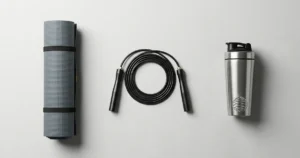
Gym gloves for weightlifting are naturally travel-friendly, they’re light, flat, and take up almost no luggage space. Pack them with a foldable jump rope and you’ve got a full grip-and-cardio kit that fits in a carry-on.
A glove that looks aggressive with heavy branding isn’t automatically better. Focus on palm material, stitching quality, and padding placement over design.
Cheap gloves often look fine in the first two weeks and then fall apart at the seams. Check reviews specifically for durability over months of use, not just first impressions.
Gloves add bulk between your hand and the bar. For lifts where direct bar feel matters most, like cleans, snatches, and heavy deadlifts, many lifters go bare-handed or use straps instead. Save gloves for pressing, rows, pull-ups, and machine work where grip feel is less critical.
Padding compresses and palm material thins out with heavy use. A glove that’s lost its cushioning is barely better than no glove at all. Rotate in a new pair every few months if you train consistently.
Sweat-soaked gloves that never get cleaned develop odor and break down faster. Wipe them down after sessions and hand wash regularly, especially if you’re training in humid conditions common across the UAE and KSA for parts of the year.
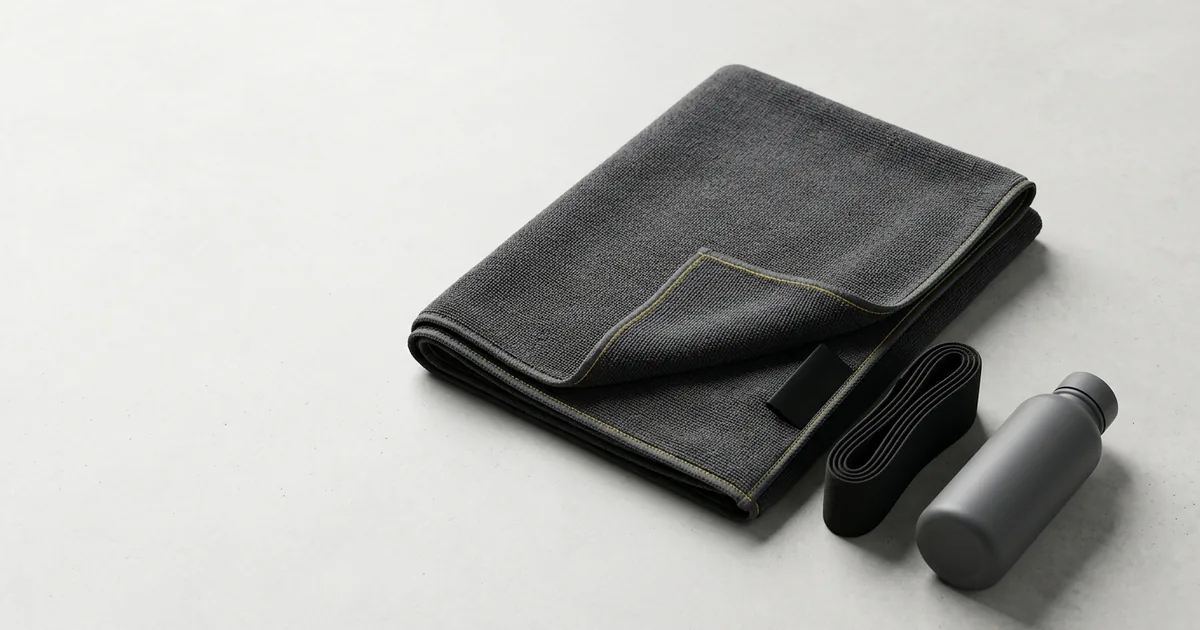
Wipe the palm area with a clean towel to remove sweat and bar residue before storing. Keeping a microfiber workout towel in your gym bag makes this a five-second habit instead of something you skip.
Hand wash with mild soap and cold water. Avoid machine washing, it breaks down stitching and padding faster than manual cleaning. Air dry away from direct heat, since high heat can crack synthetic palm materials.
Keep gloves flat or loosely rolled in a ventilated gym bag pocket. Balling them up damp encourages bacteria growth and speeds up material breakdown.
Replace your gloves when the palm padding feels flat under pressure, when stitching starts to fray at the finger openings, or when the wrist strap loses its grip on the velcro. Waiting until they fully fall apart usually means you’ve been training with reduced protection for weeks already.
Pricing for gym gloves for weightlifting in the region varies based on material quality and wrist support features, typically ranging from budget options under AED 50 to premium wrist-wrap gloves in the AED 100-200 range. Higher price generally reflects better palm material durability and stronger stitching rather than extra features you won’t use.
When shopping locally, check for gloves designed with breathability in mind given the climate, mesh backing and moisture-wicking palm linings make a noticeable difference during longer training sessions. It’s also worth checking new arrivals regularly, since grip gear technology and materials update often. Browse the latest new arrivals to see what’s currently available before committing to a purchase.
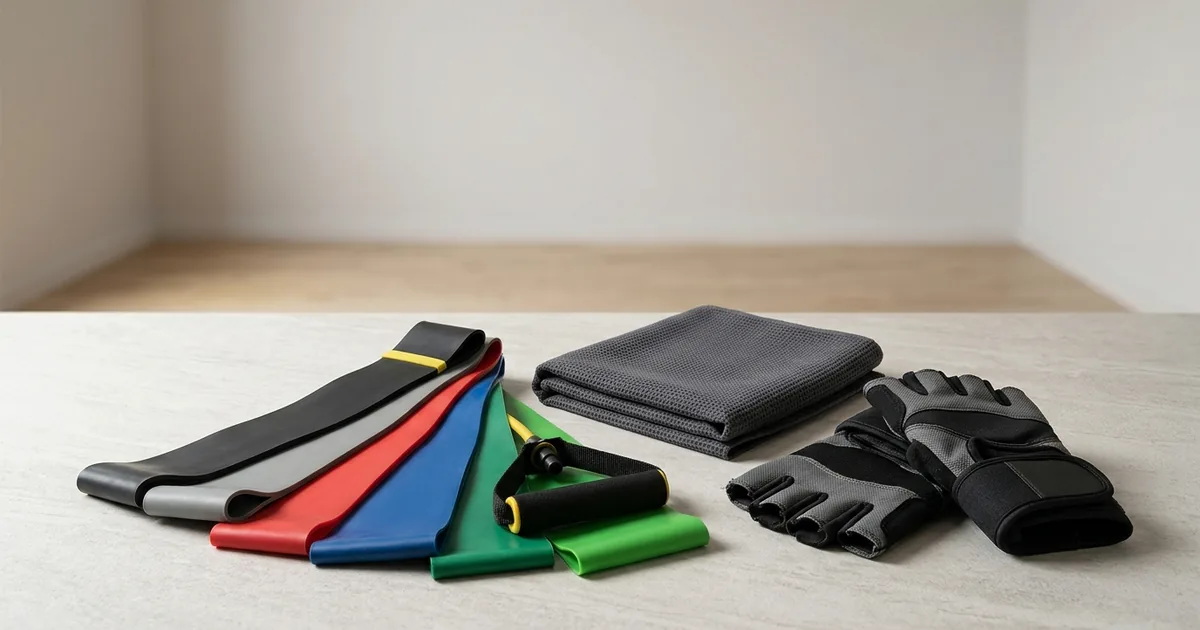
Gym gloves for weightlifting work best as part of a small, purpose-built kit rather than a standalone purchase. A practical setup includes a solid pair of wrist wrap gloves for pressing and general strength work, a pair of lifting straps for grip-limited pulling movements, and a microfiber towel to manage sweat and extend the life of your gear. For those training across gym, home, and travel setups, keeping this kit compact and portable matters as much as the individual quality of each piece. Explore the full gym gloves and straps range to put together a setup that matches your training split.
Gym gloves for weightlifting aren’t a gimmick, they’re a direct fix for grip failure, torn calluses, and unsupported wrists under heavy load. The right pair comes down to matching padding, material, and wrist support to how you actually train, whether that’s heavy pressing, high-volume pull-ups, or a portable kit you take from gym to home to hotel room. Get the fit right, maintain them properly, and replace them before they wear out, and your hands will stop being the reason your set ends early.
They don’t build grip strength directly, but they help maintain grip under sweat and fatigue during a set, which lets you complete more reps with proper form. For building raw grip strength, occasional bare-hand or strap-free training is still useful.
Many lifters prefer bare hands or straps for deadlifts since gloves add bulk between the palm and bar, reducing feel and control. If you deadlift heavy and grip fails before your back does, straps are usually more effective than gloves for this specific lift.
Most gym gloves for weightlifting last 3 to 6 months with regular use before padding compresses and palm material thins out. Heavier training frequency shortens that window, so check padding firmness and stitching integrity monthly.
Fingerless gloves are better for most strength training since they preserve bar feel while protecting the palm. Full-finger gloves suit functional training and rope work where the fingers face direct friction too.
Yes. A lightweight pair of wrist wrap gloves is compact enough to pack for travel and versatile enough to cover pressing, pulling, and pull-up work at home, making it a practical single purchase for anyone training across multiple locations.

Last updated: October 21, 2026 Sore legs the day before a big lift. Tight shoulders after three straight gym sessions.
Last updated: October 21, 2026 Most home gyms fail for the same reason: the gear doesn’t match the space, the
Last updated: October 18, 2026 Most people buy a gym towel the way they buy a phone charger, fast, cheap,