
Last updated: August 30, 2026
A mat is the one piece of gear that touches every single workout you do, yet most people buy the cheapest option in a rush and regret it within weeks. The best exercise mat for home workouts needs to grip the floor during a burpee, cushion your spine during a plank, roll up small enough for a gym bag, and survive daily sweat without falling apart. This guide breaks down every material, thickness, and use case so you can stop guessing and buy once.
An exercise mat looks simple, but it is doing three jobs at once. It absorbs impact so your joints do not take the full hit of jumping, kneeling, or lying down. It creates friction so your hands and feet do not slide mid-rep. And it isolates you from a cold tile floor, a dusty gym corner, or a hotel carpet that has seen better days. A mat that fails at any one of these jobs will show up as a sore wrist, a slipped foot, or a workout you simply avoid doing.
The mistake most buyers make is treating every mat as interchangeable. A thin travel mat and a thick home recovery mat solve completely different problems. Buying the wrong one for your actual training style is why so many mats end up folded in a cupboard after two weeks.
Material determines grip, durability, cushioning, and smell. Here is how the main categories actually perform once you are training on them, not just in a showroom.
Closed-cell foam mats are lightweight, affordable, and easy to wipe down. They are a solid entry point for stretching, floor core work, and light mobility drills. The downside is that foam compresses over time and softens under repeated pressure, so if you are doing daily strength training or HIIT, a foam mat will flatten faster than a denser material. Good for beginners and casual stretchers, less ideal for anyone training five or six days a week.
PVC is the classic yoga studio material. It offers excellent grip when dry, a soft-but-stable feel underfoot, and a long lifespan if cared for properly. It is heavier than foam and not fully biodegradable, which matters if sustainability is a priority for you. For home use where the mat mostly stays in one spot, PVC is a dependable, long-term choice.
Thermoplastic elastomer mats have become the default recommendation for most home and travel buyers, and for good reason. TPE is lighter than PVC, grips well on both sides, resists odor better than foam, and is more environmentally friendly since it breaks down faster at end of life. If you want one mat that handles yoga, bodyweight strength, and stretching equally well, TPE is usually the safest pick.
Rubber mats are built for load, not comfort. They show up under weight racks, kettlebell stations, and dumbbell zones because they protect flooring from drops and dampen noise. They are not meant for lying on your back or doing floor stretches, the surface is firm and the material can have a strong smell when new. If you are setting up a home strength corner, a rubber mat under your equipment and a separate TPE or foam mat for floor work is the smarter combination.
Cork-topped mats with a rubber base are gaining popularity for their natural grip, which actually improves when the surface gets damp with sweat. They are heavier and pricier, but they last a long time and skip the synthetic smell entirely. Jute-blend mats offer a similar natural feel at a lower price point but with less cushioning. These are a good fit for slower, sweat-heavy practices like power yoga rather than high-impact training.
Thickness gets all the attention in product listings, but density and size matter just as much for how a mat performs day to day.
A mat in the 4mm to 6mm range is the standard for most training styles. It gives enough cushioning for kneeling and floor work without becoming unstable under standing balance moves like single-leg exercises or lunges. Mats under 4mm are built for travel and portability, prioritizing a small roll size over comfort. Mats above 8mm are aimed at restorative stretching and recovery, where you are mostly lying down and joint comfort matters more than balance or stability.
Two mats can list the same thickness and feel completely different underfoot because of density. A high-density mat resists compression, so it keeps its supportive feel session after session. A low-density mat feels soft out of the box but bottoms out quickly, meaning your knee eventually hits a thin layer of foam over hard floor even though the label says 6mm. If a mat feels unusually soft and cheap in-hand, assume the density is low and the mat will flatten within a few months of regular use.
Standard mats run around 173cm to 183cm in length, which covers most adult heights comfortably. If you are training at 185cm or taller, look for an extended length option so your head and heels do not hang off the edges during floor work. Width matters too, a narrow mat can feel restrictive during wide-stance movements like lateral lunges or mountain climbers. For small apartments or shared gym floor space, a slightly narrower roll is easier to store without sacrificing usable length.
Where you train most often should drive your decision more than the material spec sheet.
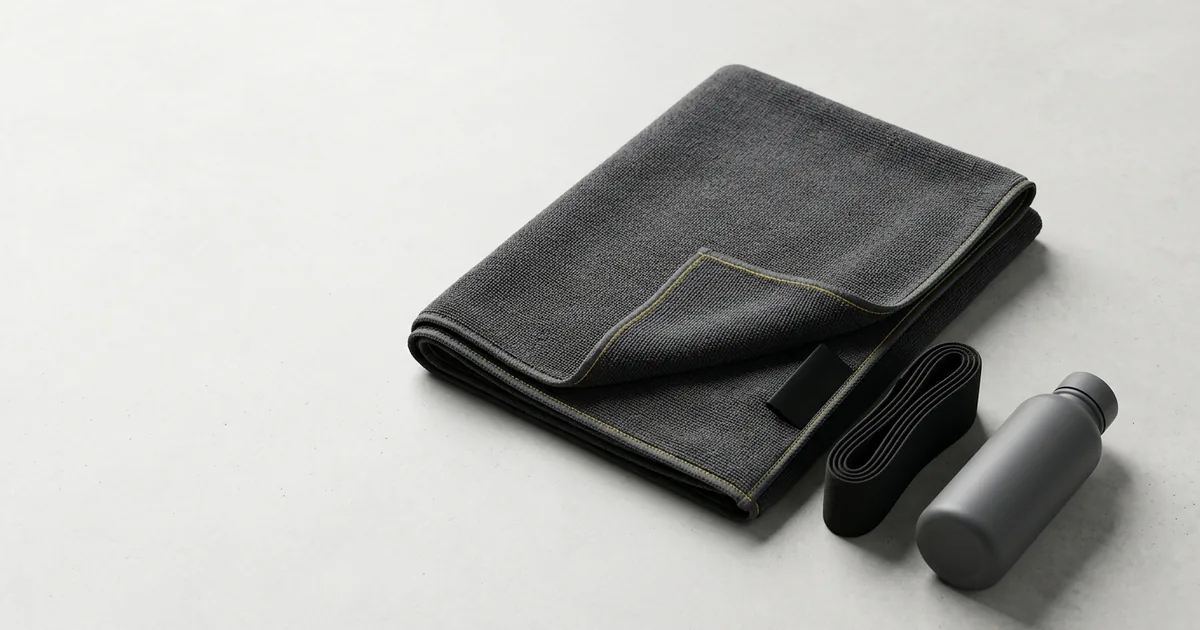
If your mat lives in a gym bag and comes out for stretching, ab work, or foam rolling between sets, prioritize grip and quick-dry surfaces over thickness. A mid-thickness TPE mat handles this well, it rolls small, wipes clean fast, and survives being tossed on a gym bench. Pair it with a set of microfiber workout towels to keep the surface dry between users if you are training somewhere shared.
At home, you have the luxury of a dedicated spot, so you can go thicker and denser without worrying about portability. A 6mm to 8mm TPE or cork mat gives you a stable base for strength circuits, HIIT, and mobility work, and doubles as a comfortable spot for stretching after a session on a vibration platform if that is part of your recovery routine. Home setups are also where a rubber mat under weights makes the most sense, since you are protecting flooring you actually live with every day.
Hotel rooms and short-term stays call for a mat that rolls down small, weighs under a kilogram, and does not need a strap system to stay compact. Foldable travel mats or thin TPE rolls under 4mm are built exactly for this. They will not replace a home mat for intense floor work, but they are more than enough for bodyweight circuits, stretching, and a quick core session between flights or meetings.
A good mat is only as useful as the training you actually put on it. Here are workout formats that work in a gym, a bedroom, or a hotel room, all built around mat-based movement.
Push-ups, planks, glute bridges, mountain climbers, and Bulgarian split squats all benefit from a stable, non-slip surface. A simple format is four rounds of 40 seconds work, 20 seconds rest, cycling through five exercises. The mat’s grip becomes critical here, a surface that slides during a plank hold will wreck your form and eventually your wrists.
Hip openers, thoracic rotations, hamstring flossing, and static holds all need enough cushioning that you are not distracted by a bony pressure point on your hip or spine. This is where a slightly thicker mat earns its keep, especially if your stretching routine involves extended floor holds of a minute or longer.
Burpees, jump squats, high knees, and skater jumps put real lateral and vertical stress on a mat. Grip matters more than cushioning here, since a mat that shifts mid-jump is a real injury risk. Look for a textured surface finish rather than a glossy one if HIIT is your main use case.
Foam rolling, static cool-downs, and breathing drills are lower intensity but higher duration, often 10 to 15 minutes lying in one spot. Thickness and density both matter more than grip here, since you are prioritizing joint comfort over lateral stability.
A mat rarely works alone. The buyers who get the most consistent use out of home and travel training usually build a small, portable kit around it rather than relying on the mat by itself.
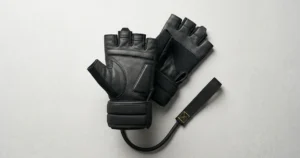
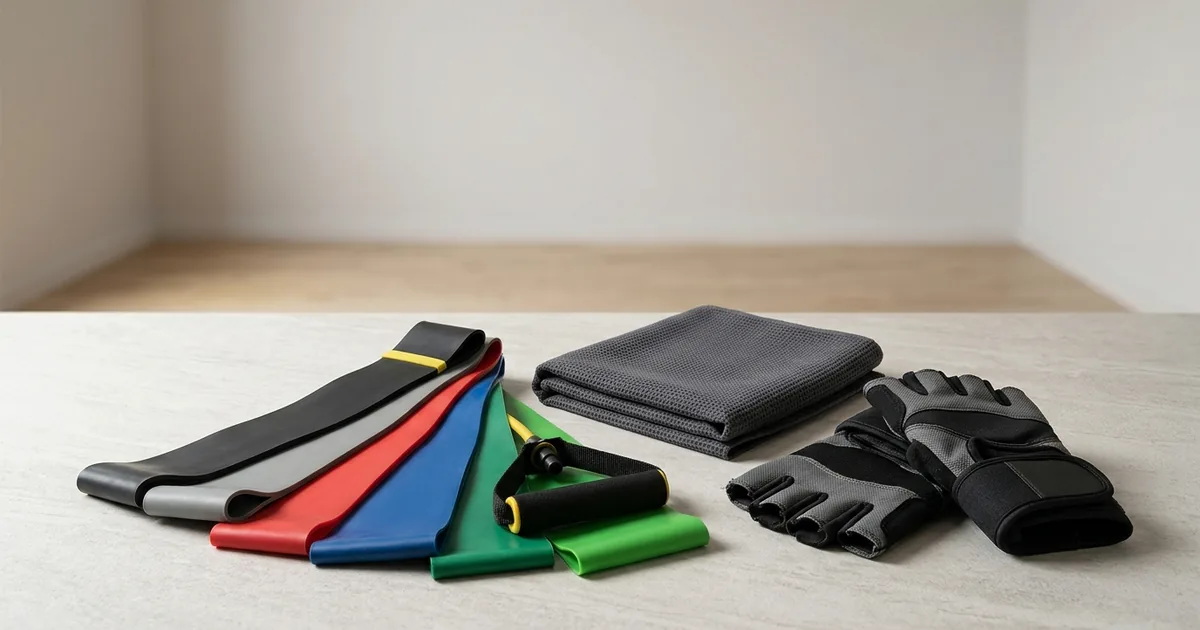
Start with hand protection. If your circuits include planks, push-ups, or any loaded floor work, a set of gym gloves and straps reduces pressure on your wrists and improves grip on the mat itself, especially once your hands start sweating mid-session. Sweat management matters just as much, keep a microfiber workout towel nearby to wipe down the mat surface between rounds so grip does not degrade as the session goes on.
For recovery days, a vibration platform pairs naturally with mat-based stretching, giving you a warm-up or cool-down option that still fits in a small apartment or hotel room. Hydration is the other piece people skip, an insulated protein shaker bottle keeps your post-workout shake cold through a commute home, which matters more than it sounds once you are training consistently through a hot climate.
If you are assembling a full portable kit from scratch, it is worth browsing the new arrivals category before committing, since mat designs and materials get refreshed regularly and newer stock often includes updated grip textures or lighter travel builds.
A mat that is not cleaned properly loses grip long before the material actually wears out. Sweat, oils, and dust build up in the surface texture and create a slick film that undermines the entire reason you bought a textured mat in the first place.
Wipe the mat down after every sweaty session with a damp cloth or a dedicated mat spray. Avoid harsh alcohol-based cleaners on PVC and TPE mats, they can dry out and crack the surface over time. A simple mix of water and a small amount of mild soap is enough for most daily cleaning.
Once every one to two weeks, depending on training frequency, give the mat a full wash. Lay it flat, scrub gently with a soft brush and mild detergent, rinse thoroughly, and hang it to air dry completely before rolling it back up. Rolling a damp mat traps moisture inside the coil and is the fastest way to develop mold or a persistent odor.
Store mats rolled loosely rather than folded. Folding creates permanent crease lines that weaken the material at that exact point, and over time the mat will crack along the fold. Keep it away from direct sunlight when not in use, UV exposure breaks down both PVC and TPE faster than normal wear does.
Most mat disappointments trace back to one of a handful of avoidable mistakes.
A thick mat with low density will still feel unstable and flatten quickly. Always weigh thickness against density and intended use rather than picking the biggest number on the label.
Some mats grip well dry but turn slick within minutes of sweating. If you train hard enough to sweat through a session, prioritize a mat rated for wet grip, not just dry-hand grip in a showroom test.
A mat is a performance surface first. Aesthetic details are fine as a tiebreaker, but they should never override material quality, thickness, or grip performance for your specific training style.
Buyers over 180cm frequently end up with mats that are too short, forcing compromises during floor work. Always check listed dimensions against your own height before buying, not just the category default.
Entry-level foam mats typically start around AED 50 to AED 90 and are fine for occasional stretching or light home use. Mid-range TPE mats built for daily training generally run between AED 120 and AED 250, and this is where most serious home or gym users should be looking. Premium cork or rubber-backed mats designed for heavy daily use and long-term durability can run from AED 250 up to AED 450 or more, depending on size and brand. Spending more only makes sense if you are training frequently enough that density and long-term durability actually pay off, an occasional stretcher does not need a premium mat any more than a daily HIIT athlete should settle for a AED 50 foam roll.
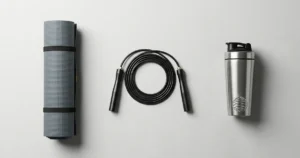
The best exercise mat for home workouts is the one matched to how you actually train, not the one with the biggest thickness number or the lowest price tag. Get the material right for your training style, get the thickness and density right for your body and floor work, and get the size right for your height, and the mat disappears into the background the way good gear should. Build the rest of your portable setup around it, gloves for grip, a towel for sweat, a shaker for recovery, and you have a training kit that works in a gym, an apartment, or a hotel room with zero compromise.
For most home training, 4mm to 6mm strikes the right balance between cushioning and stability. Thinner mats suit travel and portability, while mats above 8mm are better suited to restorative stretching than active strength or HIIT work.
TPE is lighter, grips well on both sides, and resists odor better, making it the more practical choice for most home users. PVC offers strong long-term durability and stable grip but is heavier and less eco-friendly, which matters more for a fixed home setup than for portability.
Wipe it down after every session and do a full wash with mild soap once every one to two weeks. Always let it dry completely before rolling it up, since rolling a damp mat traps moisture and is the main cause of persistent odor.
A mid-thickness TPE mat in the 4mm to 5mm range is the closest to a true all-rounder, since it rolls small enough for a gym bag while still offering enough cushioning for floor work and stretching in a hotel room or at home.
Yes, if you are training with dumbbells or kettlebells at home. A firmer rubber mat protects flooring and dampens noise under weights, while a softer TPE or foam mat is better suited to stretching, core work, and bodyweight circuits.
Last updated: October 21, 2026 Sore legs the day before a big lift. Tight shoulders after three straight gym sessions.
Last updated: October 21, 2026 Most home gyms fail for the same reason: the gear doesn’t match the space, the
Last updated: October 18, 2026 Most people buy a gym towel the way they buy a phone charger, fast, cheap,