
Last updated: August 30, 2026
A walking pad set at 5 km/h for one hour gets most people between 6,500 and 7,500 steps. Push the speed to 6 km/h and that number climbs toward 8,000. Run it for two separate 45-minute blocks instead of one long session, and you can clear 10,000 steps without ever feeling like you did a workout. The number isn’t fixed, it’s a function of speed, time, and stride, and once you understand how those three variables interact, you can hit almost any step target you want on a walking pad, whether it’s parked in a home office, a gym corner, or a hotel room.
This guide breaks down the real math, gives you speed-and-time tables you can actually use, and shows how the numbers shift depending on where and how you’re walking.
Every step count claim you see online is really just three variables multiplied together: how fast you’re moving, how long you’re moving, and how big your stride is. Change any one of them and the daily total moves with it.
Most walking pads run between 1 km/h and 6 km/h, with some performance models pushing higher. At a slow 2 km/h shuffle, you’re taking short, unhurried steps, roughly 90-95 steps per minute. At a brisk 6 km/h pace, your cadence jumps to 130-135 steps per minute. That’s nearly 50% more steps in the same amount of time, purely from picking up the pace.
Taller people with longer legs cover more distance per step, which means fewer total steps for the same distance. Someone with a 0.85m stride needs roughly 1,180 steps to cover a kilometer. Someone with a 0.65m stride needs closer to 1,540 steps to cover the same distance. This is why two people walking side by side on identical pads at identical speeds can post noticeably different step counts on their trackers.
Once speed and stride are set, time does the rest of the work. A 20-minute session and a 60-minute session at the same pace will differ by a factor of three in total steps. This is the variable most people underestimate, because it’s the easiest one to control. You can’t change your stride, and you can only push speed so far comfortably, but you can almost always find more minutes.
Here’s a practical breakdown using average stride length (roughly 0.75m per step, typical for adults of mixed height). Treat these as realistic ranges, not exact promises, since your own stride will shift the numbers slightly.
Notice how time compounds faster than speed. Going from 5 km/h to 6 km/h for an hour only adds about 700-800 steps. Going from a 60-minute session to a 90-minute session at the same 5 km/h adds nearly 4,000. If your goal is a specific daily step count, adding minutes is almost always a bigger lever than pushing pace.
The environment your walking pad sits in changes how many steps you realistically log, not because the gear behaves differently, but because your habits and constraints do.
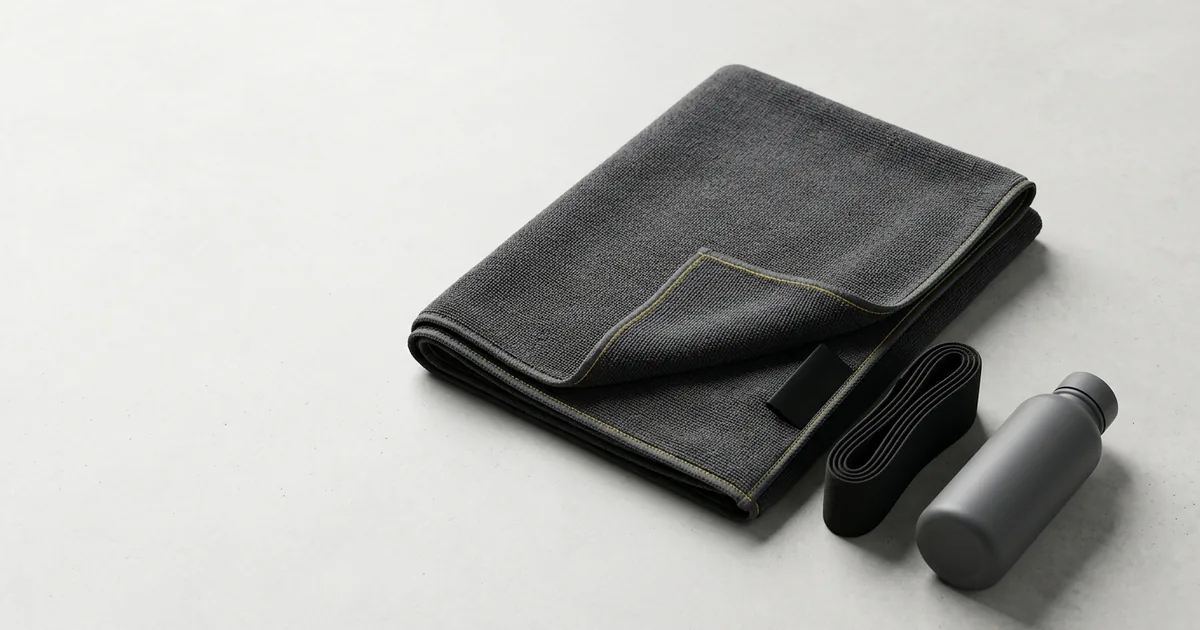
This is where most people rack up the highest daily totals, because the pad is available all day instead of during one scheduled session. A slow desk pace of 2-3 km/h during work hours adds up quietly. Three hours of desk walking at 3 km/h can deliver 16,000-18,000 steps on its own, spread across a full workday with zero dedicated “workout time.” The trade-off is that desk walking is slower per minute, so it needs volume of time to hit big numbers. Keep a microfiber workout towel nearby for this setup, since even slow walking adds up to real sweat over a multi-hour session.
In a gym setting, sessions tend to be shorter and more focused, typically 20-45 minutes at a higher intensity before or after a lifting session. This is where speed matters more than duration, since you’re working with a fixed time block. A 30-minute gym walking pad session at 5-6 km/h will land you 3,700-4,300 steps, a solid addition on top of whatever steps you’ve already logged that day from the rest of your routine.
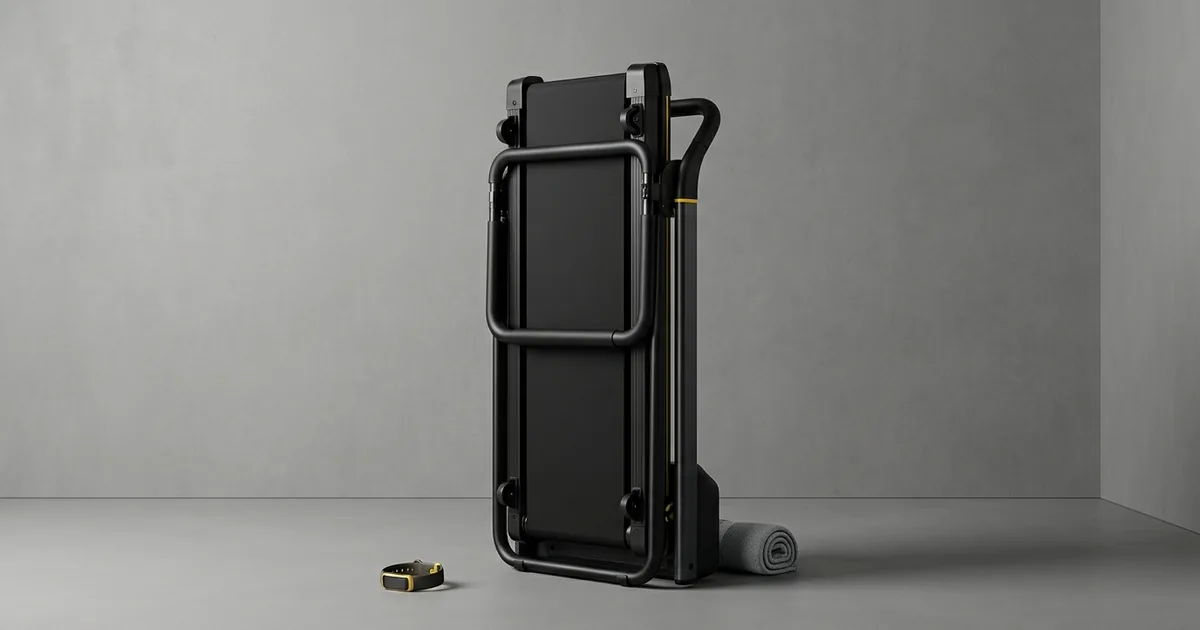
Travel is where step counts usually drop, and a foldable walking pad exists specifically to close that gap. Even a modest 20-minute session before breakfast or after a long day of meetings adds 2,200-2,600 steps that would otherwise be lost to hotel corridors and conference rooms. It won’t replace a full outdoor walk, but it stops travel days from resetting your weekly average to zero.
Step goals only mean something when they’re matched to a real plan. Here’s how common daily targets translate into walking pad time.
A single 40-45 minute session at 4-5 km/h covers this comfortably. This is a realistic minimum for anyone starting from a mostly sedentary baseline, or for a recovery day layered in between harder training sessions.
One 60-minute session at 5 km/h gets close, or split it into two 30-minute blocks, one in the morning and one in the evening. Splitting sessions also makes it easier to maintain pace without fatigue dragging your speed down toward the end.
This is where combining a walking pad with normal daily movement works best. A 45-60 minute session at 5-6 km/h delivers 6,000-8,500 steps, and the rest comes from ordinary movement, errands, stairs, walking to the car. Trying to hit all 10,000 in one continuous walking pad session works too, but it needs 75-90 minutes at a steady pace, which is a bigger time commitment than most schedules allow on a weekday.
This target is realistic almost exclusively through desk walking or multiple sessions stacked through the day. A morning 30-minute session, an afternoon desk-walking block of 60-90 minutes at low speed, and an evening 20-minute cool-down walk together clear 15,000 without any single session feeling excessive.
Consistency matters more than any single big-number day. These three plans show how to build toward a target without overloading any one session.
If your current numbers are lower than you’d like, these are the levers that actually move the needle.
Incline doesn’t just burn more calories, it also tends to shorten stride slightly, which can increase steps per minute at the same speed setting. It also makes each session feel harder in a good way, which naturally encourages more consistent daily use.
Two or three shorter sessions almost always beat one marathon session for total daily steps, because fatigue doesn’t drag your pace down as much. A fresh 30-minute walk in the morning and another in the evening will usually out-total one exhausted 60-minute grind.
Low-speed desk walking is the single biggest unlock for daily step totals, because it turns dead time into steps without requiring a dedicated workout window. Even 2-2.5 km/h during calls and emails adds thousands of steps you’d otherwise never log.
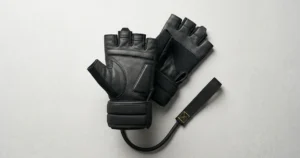
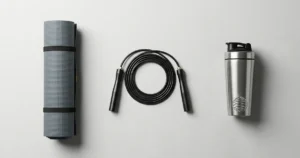
Longer or more frequent sessions mean more sweat and more hydration needs. A grip-friendly pair from the gym gloves and straps range helps if you’re holding light hand weights while walking, and an insulated shaker bottle keeps water cold through an hour-plus session. Small friction points like these are often what determine whether a walking habit sticks past week two.
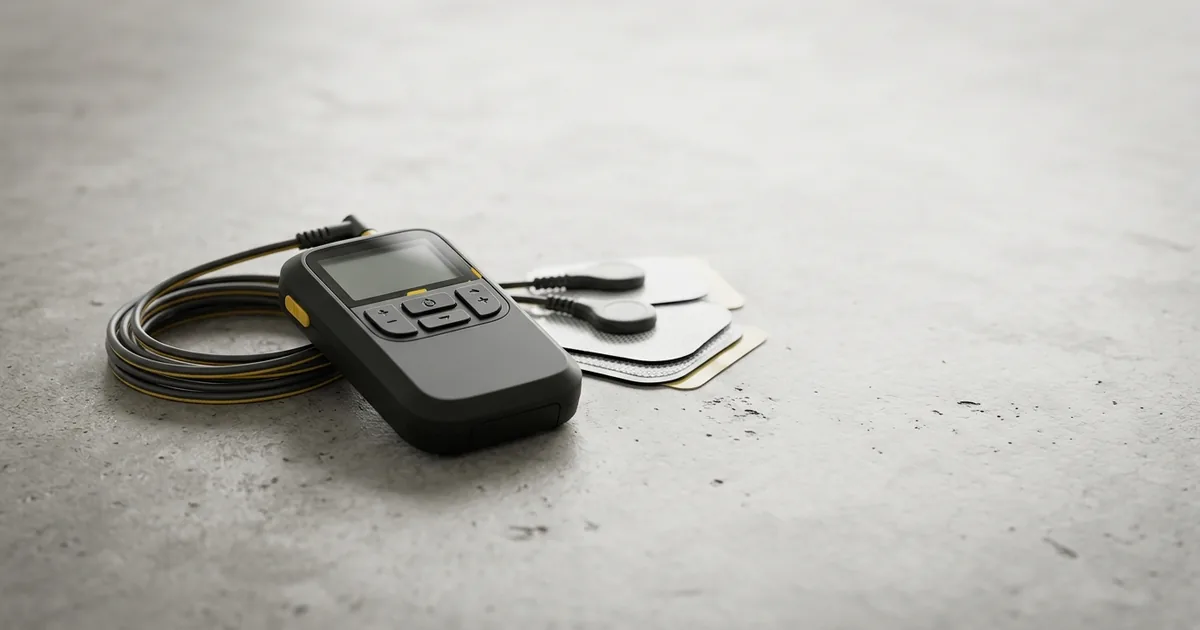
Walking pad sessions stack well with short recovery routines. A few minutes on a vibration platform before or after a walk can loosen calves and hips, which keeps stride comfortable enough to maintain pace on back-to-back days.
A treadmill and a walking pad can produce identical step counts at identical speeds, the physics doesn’t change. The real difference is behavioral. A treadmill’s higher top speed and incline range make it better for running and hard interval work, but that same size and setup often means it gets used less often, tucked in a spare room or gym corner. A walking pad’s compact footprint means it can sit under a desk or beside a sofa, which means it gets used during the day, not just during a scheduled workout block. For pure step accumulation, the pad you actually step onto every day usually wins over the treadmill you have to walk to a separate room to use.
Walking pad step counts can come from three sources, and they don’t always agree. The pad’s own display estimates steps from motor speed and time, which is consistent but not always precise for your exact stride. A phone in your pocket uses accelerometer data and tends to be fairly accurate for upright, forward walking. A wrist-worn tracker can undercount slightly during walking pad sessions because arm swing is often smaller than during outdoor walking. If you’re chasing a specific daily number, pick one tracking method and stick with it for consistency, rather than comparing numbers across different devices.
A session that starts at 6 km/h often ends at 4 km/h once fatigue sets in, dragging the average pace down. Starting at a sustainable pace and holding it steady usually produces a higher total than starting fast and fading.
People who track only their main walking pad session miss the steps from desk walking, errands, and stairs, which can undercount their real daily total by thousands.
Some pad displays let you input height or stride length for more accurate step estimates. Skipping this step means the display default (often a generic average) may over or underestimate your real count.
Steps are a useful proxy for daily movement, but they’re not the whole picture. Speed, incline, and session frequency all affect calorie burn and cardiovascular benefit independently of raw step count. A person hitting 10,000 slow desk-walking steps and a person hitting 8,000 steps at a brisk incline pace are getting different training effects, even if one number looks higher on paper.
If your target relies heavily on desk walking, prioritize a pad with a wide, stable speed range starting low (1-2 km/h) and quiet motor operation, since it’ll be running for hours at a stretch. If your target relies on shorter, faster sessions, prioritize top speed and deck size instead. Browse the current lineup in the new arrivals to compare options built for either approach, all designed to move easily between a gym setup, a home office, and a travel bag.
There’s no single answer to how many steps a day you can get on a walking pad, because the number is built from speed, time, and stride, not fixed by the gear itself. A 30-minute session gets you into the thousands, an hour at a brisk pace gets you close to 8,000, and stacking desk walking on top of a dedicated session can push you past 15,000 without much extra effort. Pick a target that matches your schedule, start at a pace you can hold for the full session, and let the minutes do the heavy lifting. The walking pad that fits into your day every single day will always out-total the perfect session you only manage once a week.
First, check that the pad isn’t sharing a circuit or extension cord with other high-draw devices like heaters or kettles, since combined load is the most common cause of tripped breakers. Plug the pad directly into a wall outlet rather than a power strip, and confirm the outlet is rated for the pad’s motor wattage (usually printed on the base unit or in the manual). If it trips consistently on a dedicated, unshared outlet, stop using it and have the unit checked, since this points to a fault in the motor or wiring rather than an overloaded circuit.
Most foldable walking pads need roughly 150cm by 70cm of clear floor space when in use, plus about 30-50cm of clearance behind and in front for safe stepping on and off. Folded, they typically shrink down to a slim vertical or flat profile of around 20-30cm thick, small enough to slide under a bed, behind a sofa, or into a closet. Always check the specific model’s folded and unfolded dimensions before buying if your space is tight, since deck length varies more than width between models.
For a small flat, yes, in almost every practical sense. A walking pad’s smaller footprint and fold-flat design mean it can be stored out of the way and set up in minutes, while a treadmill’s larger frame, incline motor, and permanent footprint make it a poor fit for limited square footage. The trade-off is top speed and incline range, a treadmill still wins for running or steep incline training, but for daily walking and step accumulation in a compact space, the pad is the more livable choice.
Yes. Adding incline increases the muscular effort needed per step, particularly in the calves, glutes, and hamstrings, which raises calorie burn at the same speed compared to a flat walk. Even a modest 5-8% incline can increase energy expenditure by roughly 20-30% over flat walking at identical pace, without needing to walk faster. It also tends to shorten stride slightly, which can nudge your steps-per-minute count up as a side effect.
Most people targeting weight loss do well aiming for 8,000-10,000 steps a day on a walking pad, combined with a modest calorie deficit from diet. This range is achievable through one 45-60 minute brisk session or two shorter sessions plus incidental desk walking, and it’s sustainable enough to maintain daily without burning out. Higher totals help, but consistency at 8,000-10,000 most days of the week outperforms occasional 15,000-step sessions followed by rest days.

Last updated: October 21, 2026 Sore legs the day before a big lift. Tight shoulders after three straight gym sessions.
Last updated: October 21, 2026 Most home gyms fail for the same reason: the gear doesn’t match the space, the
Last updated: October 18, 2026 Most people buy a gym towel the way they buy a phone charger, fast, cheap,