

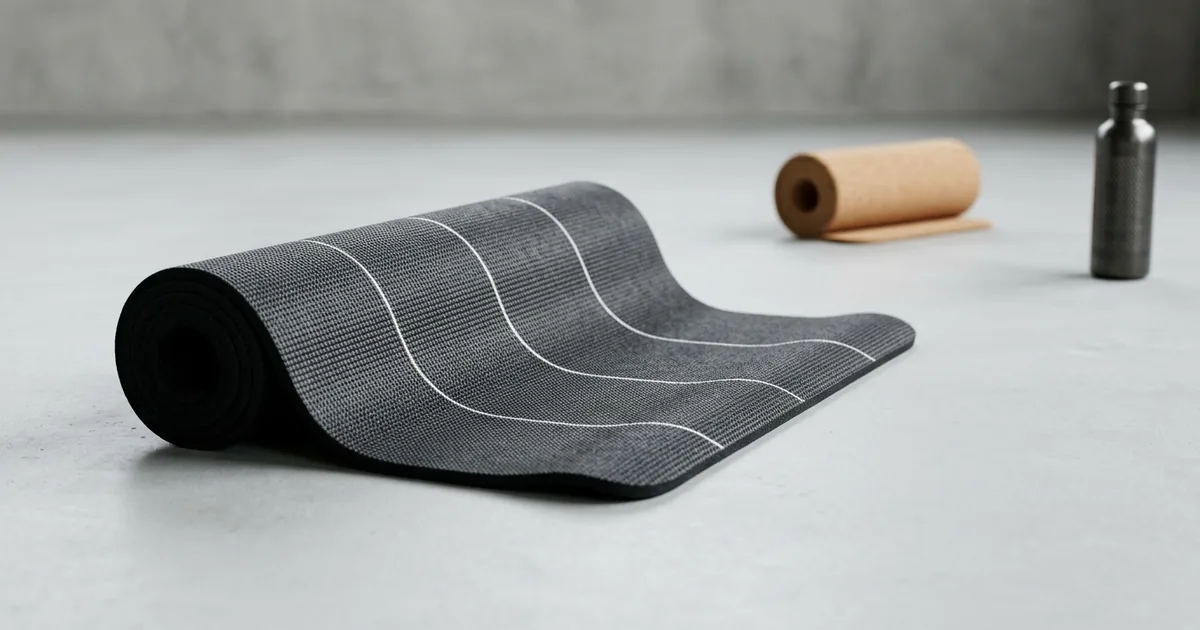
Last updated: August 30, 2026
A yoga mat is the one piece of gear that touches every rep of your practice, literally. Grip fails mid-Warrior II, cushioning bottoms out under your knees in Cat-Cow, and a mat that’s too short leaves your heels hanging off the edge in Downward Dog. Knowing how to choose a yoga mat isn’t about brand hype or color options. It’s about matching material, thickness, size, and texture to how and where you actually train, whether that’s a studio floor, your living room, or a hotel room on a work trip.
This guide breaks down every factor that actually affects your practice, cuts the marketing noise, and gives you a clear system for picking a mat that performs for years, not months.
Most people treat a yoga mat as a formality, a thin rectangle you unroll and forget about. That’s a mistake. The mat is your entire base of support. It affects joint stability in balance poses, grip during sweaty flows, and comfort in floor work. A mat that slides during Chaturanga can lead to wrist strain. One that’s too thin turns every kneeling pose into a bruise-collecting exercise. One that’s too thick throws off your balance in standing poses because you sink into the foam instead of pressing into a stable surface.
Get the mat right and it disappears under you, doing its job without you thinking about it. Get it wrong and you’re fighting your gear instead of focusing on form. That’s the entire point of choosing deliberately instead of grabbing whatever’s cheapest or most visually appealing.
Material is the single biggest factor in how a mat feels, grips, and lasts. Each option trades off differently between grip, cushioning, durability, and eco-impact. Here’s how the main types stack up.
PVC (polyvinyl chloride) is the classic yoga mat material, and for good reason. It’s durable, affordable, and offers reliable grip once broken in. Most PVC mats fall in the AED 40 to AED 120 range, making them the default entry point for beginners. The downside is that PVC isn’t biodegradable and can carry a chemical smell out of the packaging that takes a few sessions to fade. If you’re practicing daily and want a mat that survives years of use without cracking or peeling, PVC is hard to beat on pure longevity.
TPE (thermoplastic elastomer) is the modern middle ground. It’s lighter than PVC, grips well, and is more eco-friendly since it’s recyclable. TPE mats typically sit in the AED 60 to AED 150 range. They’re a strong pick if you want something that feels less rigid underfoot but still holds up to regular Vinyasa or Hatha sessions. The tradeoff is slightly lower durability compared to PVC over the long run, especially with rough studio floors or outdoor use.
Natural rubber delivers the best wet grip of any common material, which makes it the go-to for hot yoga and heavy-sweat practices. It’s biodegradable and has real cushioning without feeling mushy. Expect to pay more, usually AED 150 to AED 350, and be aware that natural rubber can have a distinct smell initially and isn’t suitable if you have a latex sensitivity. For serious practitioners who sweat through every session, this is often the material that finally solves the slipping problem other mats can’t.
Cork-topped mats (usually cork over a TPE or rubber base) have surged in popularity because cork grips better the more you sweat, the opposite of most materials. They’re naturally antimicrobial, which cuts down on odor buildup, and they have a distinctive textured feel. Cork mats run AED 150 to AED 300. They’re an excellent option for hot yoga, Bikram, or anyone who trains in humid conditions and wants a surface that improves rather than degrades with moisture.
Cotton and jute mats are the traditional, natural-fiber option, often used as a layer over a rubber base or on their own for gentle practices like restorative yoga or meditation. They’re breathable and have a grounded, non-slip texture when dry, but they lose grip fast once you sweat. These work best for slow-paced, low-sweat sessions rather than dynamic flows, and they’re generally priced in the AED 80 to AED 180 range.
Thickness determines the balance between cushioning and stability, and it’s one of the most misunderstood specs on any mat listing. More padding isn’t automatically better. It depends entirely on what you’re doing on the mat.
Ultra-thin mats are built for portability first. They fold or roll down small enough to fit in a carry-on and weigh next to nothing, which matters if you’re the type who practices in hotel rooms or takes sessions outdoors while traveling. The tradeoff is minimal cushioning, so kneeling poses will feel harsher on hard floors. These work best layered over carpet or a towel, or for practitioners who prioritize standing and balance work over floor-heavy sequences.
This is the sweet spot for most practitioners. A 4mm or 5mm mat gives enough cushioning to protect knees and elbows during floor work while still keeping you stable enough for balance poses like Tree or Eagle. If you only own one mat, this is the thickness range to buy in. It works across Hatha, Vinyasa, power yoga, and general stretching sessions without forcing compromises in either direction.
Thicker mats prioritize comfort over stability. They’re a strong choice for restorative yoga, Yin, or anyone with sensitive joints who spends a lot of time kneeling or lying down. The downside shows up in standing balance poses, where extra foam depth makes it harder to feel a firm connection to the floor. If your practice is 80% floor-based and low-intensity, go thick. If it’s balance and flow-heavy, stay in the 4-5mm range.
Standard yoga mats run around 173cm long and 61cm wide, and that’s fine if you’re under roughly 170cm tall. If you’re taller than that, your heels or head will hang off the edge in poses like Savasana or Downward Dog, which breaks focus and can affect alignment. Extra-long mats, typically 180cm to 200cm, solve this and are worth the small price premium if you’re above average height.
Width matters too, especially for practitioners who like a wider base in poses like Wide-Legged Forward Fold or seated straddle stretches. Standard width works for most people, but wider mats (66cm to 80cm) exist for those who want more lateral room without needing two mats side by side.
Don’t overlook mat weight and portability at this stage either. A mat you love but never bring to the gym or on trips isn’t doing its job. If you split your practice between a studio, home, and travel, prioritize a lighter, more packable option, or keep a dedicated travel mat separate from your primary one. Check the latest gear arrivals for compact, travel-ready options that don’t force you to choose between quality and portability.
Grip is where most mat disappointments happen, and it’s rarely about the mat being “bad.” It’s about mismatched grip type for your sweat level and practice style.
Dry grip refers to how tacky a mat feels when you’re not sweating. Most PVC and TPE mats have strong dry grip out of the box, which is great for slower practices, Hatha, or gentle stretching sessions where you’re not building up moisture.
Wet grip is what matters once you start sweating, and it’s the spec that makes or breaks hot yoga, power yoga, or any high-intensity flow. Natural rubber and cork consistently outperform PVC and TPE here. If you’ve ever slipped out of Downward Dog mid-flow because your palms started sliding, that’s a wet grip failure, not a lack of skill. Solve it by switching material, not by gripping harder.
Beyond material, surface texture plays a role. Raised patterns, ridges, or embossed designs add mechanical grip on top of the material’s natural tackiness. These textured surfaces are especially useful for practitioners with hand or foot sweat issues that even rubber or cork can’t fully offset. If grip has been a recurring frustration, look specifically for a textured, non-smooth surface rather than assuming a flat mat in a “grippy” material will automatically solve it.
The “best” yoga mat doesn’t exist as a single product. It exists as a match between mat specs and what you actually do on it. Here’s how to align your choice with your practice.
Prioritize wet grip above everything else. Natural rubber or cork-topped mats in the 4-5mm range are the strongest picks. Pair your mat with a microfiber workout towel to manage sweat mid-session, since even the best wet-grip mat benefits from wiping down between intense sequences. Some practitioners layer a thin towel directly over the mat during hot classes for extra absorption without sacrificing grip.
Comfort takes priority over grip here since poses are held longer and movement is slow. A thicker mat, 6mm or more, in a soft material like TPE or a cushioned natural rubber blend will serve you better than a thin, high-grip option. Cotton or jute mats also work well for this style since sweat isn’t a major factor in slow, low-intensity holds.
At home, you’re not constrained by what fits in a bag, so this is where you can prioritize thickness and size without worrying about portability. A wider, longer, mid-thickness mat gives you room to move through a full range of poses without measuring your space against mat edges. If your home routine also includes strength or mobility work alongside yoga, consider rounding out your setup with a vibration platform for warm-ups or recovery sessions before or after your mat work.
Weight and fold-size dominate the decision here. A 1-2mm foldable mat that fits into a suitcase pocket beats a premium thick mat you’ll leave at home because it’s inconvenient to pack. Accept the cushioning tradeoff and layer a towel underneath on hard hotel floors if needed. Consistency matters more on the road than perfect comfort, and a mat you’ll actually bring wins over one that stays in the closet.
A mat is a repeated investment if you buy cheap and replace often, or a one-time decision if you buy right. Here’s what actually determines how long a mat lasts and how it fits into a broader lifestyle choice.
Look for closed-cell foam structures, which resist moisture absorption and bacterial buildup better than open-cell alternatives. Closed-cell mats (common in PVC and many rubber mats) wipe clean easily and don’t soak up sweat into the material itself. Open-cell mats (more common in some natural rubber and cork designs) offer superior grip but require more diligent cleaning to prevent odor and bacteria buildup over time.
If sustainability matters to your purchase decision, natural rubber, cork, jute, and cotton all biodegrade far faster than PVC. TPE sits in the middle as a recyclable synthetic. None of this affects performance directly, but it’s a legitimate factor if you’re replacing mats every year or two and want to reduce the environmental footprint of that cycle.
New mats, especially PVC and natural rubber, often have a noticeable smell out of the packaging. This typically fades within one to two weeks of regular use and airing out. Cork mats have a natural resistance to bacterial odor buildup over time, which makes them a strong long-term pick if you sweat heavily and previous mats have developed a persistent smell.
Your mat doesn’t operate in isolation. A few supporting pieces of gear make a real difference in how well your practice runs and how long your mat lasts.
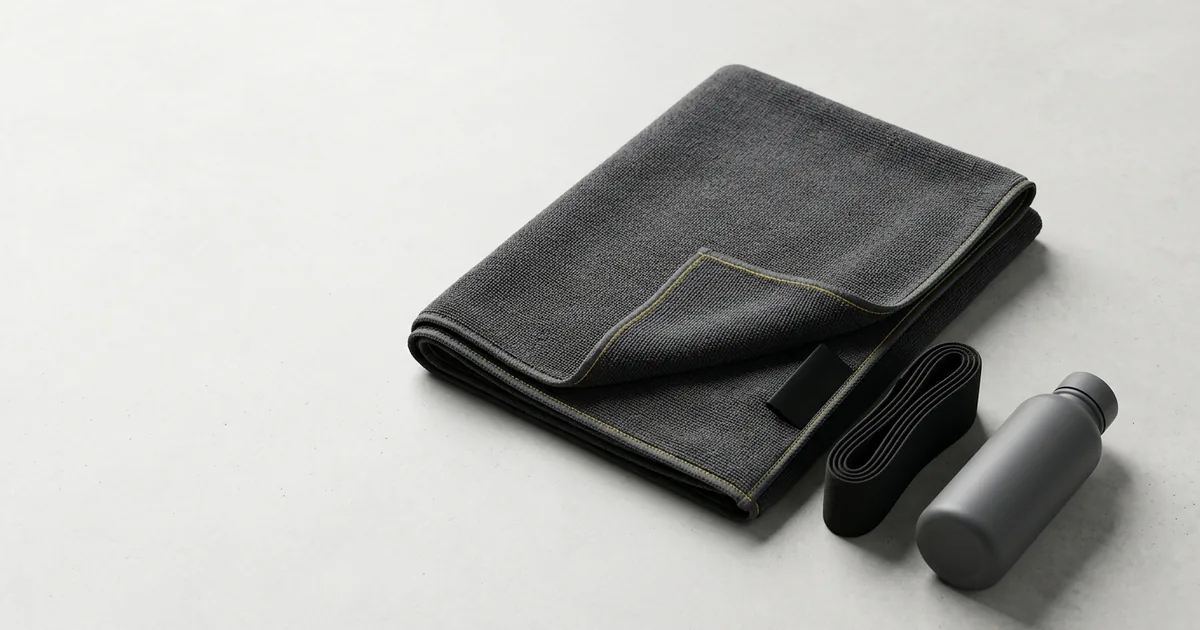
A dedicated microfiber workout towel is the simplest upgrade for hot or intense sessions. Wiping down mid-flow keeps grip consistent and prevents sweat from soaking into the mat material, extending its usable life significantly.
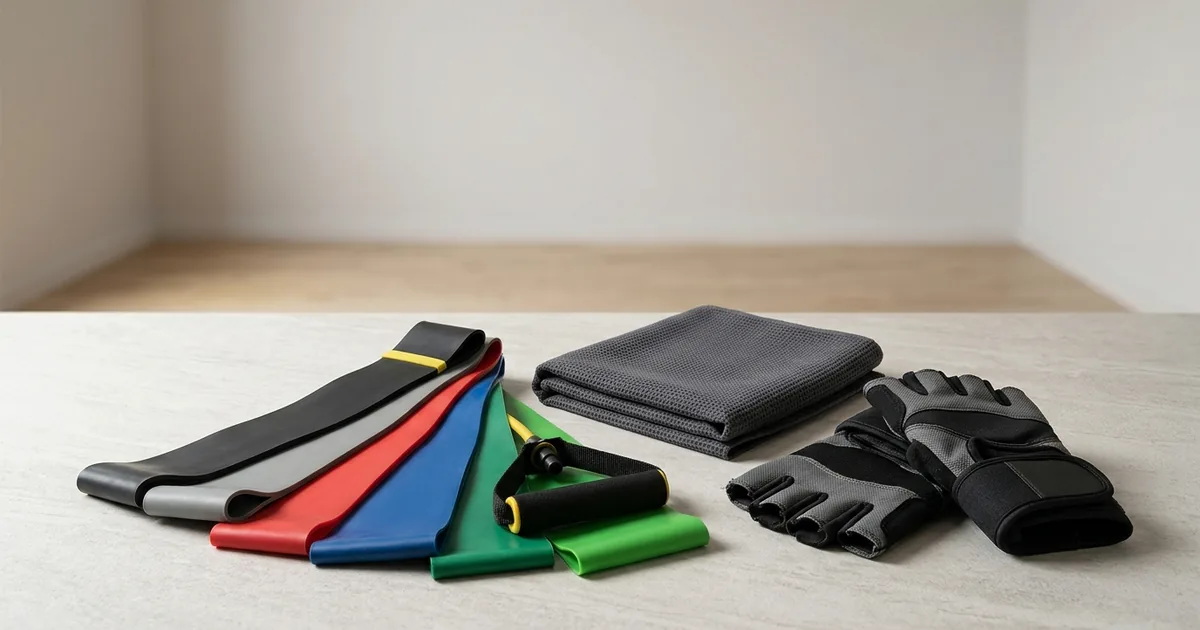
If your routine blends yoga with strength or mobility work, gym gloves and straps help protect your hands during the transition between mat-based stretching and weighted movements, keeping calluses and grip fatigue from carrying over into your flow.
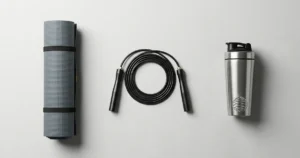
Long or hot sessions demand consistent hydration. An insulated shaker bottle keeps water cold through a full practice and doubles as your post-session recovery bottle if you’re mixing in protein afterward.
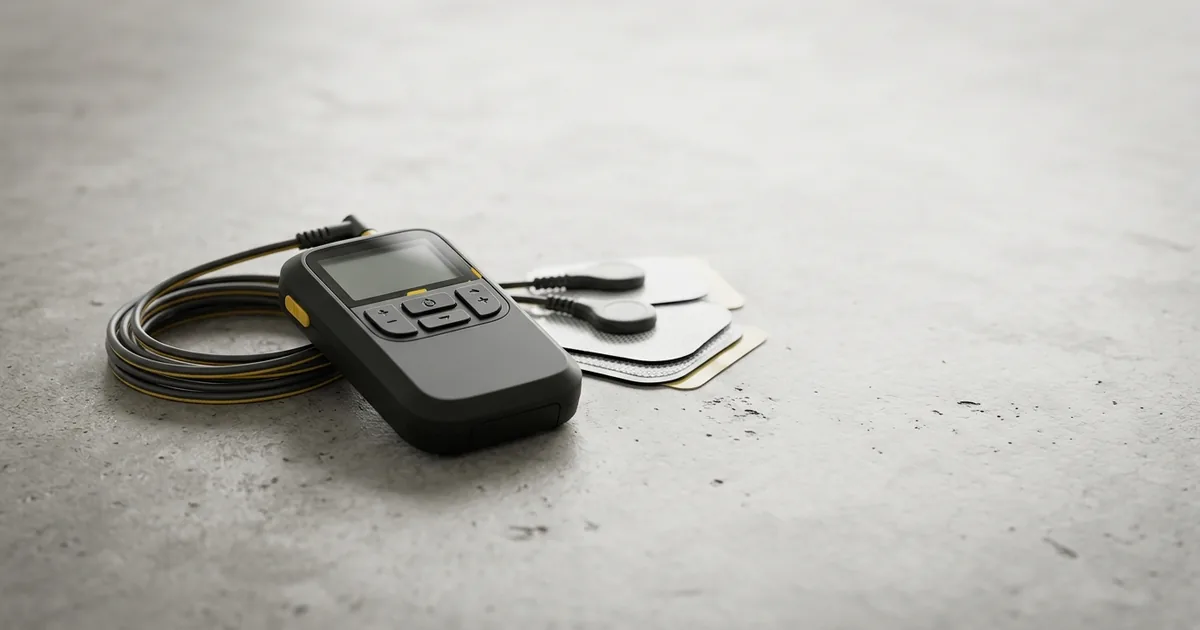
Pairing mat work with a short session on a vibration platform before or after practice can loosen tight muscles and improve circulation, particularly useful on cold mornings or after a heavy training day. Browse the full new arrivals collection for the latest additions to a portable home, gym, or travel setup.
Cleaning isn’t optional maintenance, it’s a performance factor. A dirty mat loses grip, holds odor, and becomes a breeding ground for bacteria, especially in a hot, humid climate. Here’s the practical routine.
Wipe the mat down with a damp cloth or a light mat spray (water with a few drops of mild soap or a diluted vinegar solution works fine). Focus on hand and foot contact zones where sweat concentrates most. Let it air dry fully before rolling it up, since rolling a damp mat traps moisture and accelerates odor buildup.
Once a week, give the mat a more thorough wipe-down with a slightly stronger solution, or hand wash it in a bathtub with mild soap and lukewarm water. Avoid soaking mats with fabric layers (like cotton or jute tops) for extended periods, as prolonged water exposure can damage the material bond between layers.
Skip harsh chemical cleaners, bleach, and anything with a heavy fragrance, since these can degrade the material and leave residue that actually reduces grip. Never machine wash a mat unless the manufacturer explicitly states it’s machine washable, and never tumble dry, high heat warps and cracks most mat materials permanently.
If you want a quick decision framework instead of re-reading every section, run through this checklist in order.
Choosing a yoga mat comes down to honest self-assessment more than product research. Know your sweat level, your dominant practice style, your height, and where you’ll actually use it, and the right material and thickness become obvious. Skip the mat that looks good in photos and pick the one that matches how you move. Combine it with the right supporting gear, a towel for sweat, gloves for grip transitions, and proper hydration, and your mat stops being an afterthought and starts actively supporting every session.
Wipe it down after every session with a damp cloth or a light mat spray made from water and a few drops of mild soap, focusing on hand and foot contact areas. Let it air dry completely before rolling it up. Once a week, give it a more thorough wipe or a gentle hand wash, avoiding harsh chemicals, bleach, or machine washing unless the mat is specifically labeled machine washable.
There’s no single best mat, it depends on your practice. For hot yoga or heavy sweat, natural rubber or cork mats in the 4-5mm range offer the strongest wet grip. For restorative or slow practice, a thicker 6mm+ TPE or cushioned mat prioritizes comfort. For travel, a 1-2mm foldable mat wins on portability. Match the mat to your practice style rather than chasing a generic top pick.
Start with your practice style and sweat level to pick material (natural rubber or cork for hot yoga, PVC or TPE for general use, cotton or jute for low-sweat sessions). Then choose thickness based on whether your practice is floor-heavy or balance-heavy, check the length against your height, and confirm the grip texture suits how much you sweat. Portability matters too if you train across gym, home, and travel.
The side with the more textured, grippier surface faces up, that’s the side that contacts your hands and feet. The smoother, denser side faces down against the floor to prevent the mat itself from sliding. Most mats have a visibly different texture or slight color variation between the two sides, and if unsure, check the manufacturer’s label, which is usually placed on the underside.
Hand wash in a bathtub or large basin with lukewarm water and a small amount of mild soap, gently scrubbing contact areas with a soft cloth. Rinse thoroughly to remove all soap residue, since leftover soap reduces grip. Lay it flat or hang it to air dry completely before rolling or storing it. Avoid soaking fabric-topped mats for long periods and never tumble dry.
Standard yoga mats measure around 173cm long, which suits practitioners up to about 170cm tall. If you’re taller, choose an extra-long mat in the 180cm to 200cm range so your heels and head don’t hang off the edges during poses like Savasana or Downward Dog, which can otherwise break alignment and focus.

Last updated: October 21, 2026 Sore legs the day before a big lift. Tight shoulders after three straight gym sessions.
Last updated: October 21, 2026 Most home gyms fail for the same reason: the gear doesn’t match the space, the
Last updated: October 18, 2026 Most people buy a gym towel the way they buy a phone charger, fast, cheap,