
Last updated: August 26, 2026
A walking pad and a treadmill solve the same problem in completely different ways. One is built to disappear under a bed or behind a sofa. The other is built to handle sprint intervals, steep inclines, and years of heavy running. If you’re comparing walking pad vs treadmill for home use, the decision isn’t about which is ‘better’ in general, it’s about which one matches your space, your budget, and how you actually plan to train. This guide breaks down every practical difference so you buy the right gear once, instead of returning the wrong one twice.
Both move a belt under your feet. That’s where the similarity ends. A walking pad is a stripped-down, low-profile cardio deck designed for walking speeds. A treadmill is a full-frame cardio machine with a display console, handrails, incline motors, and a chassis built to absorb the impact of running.
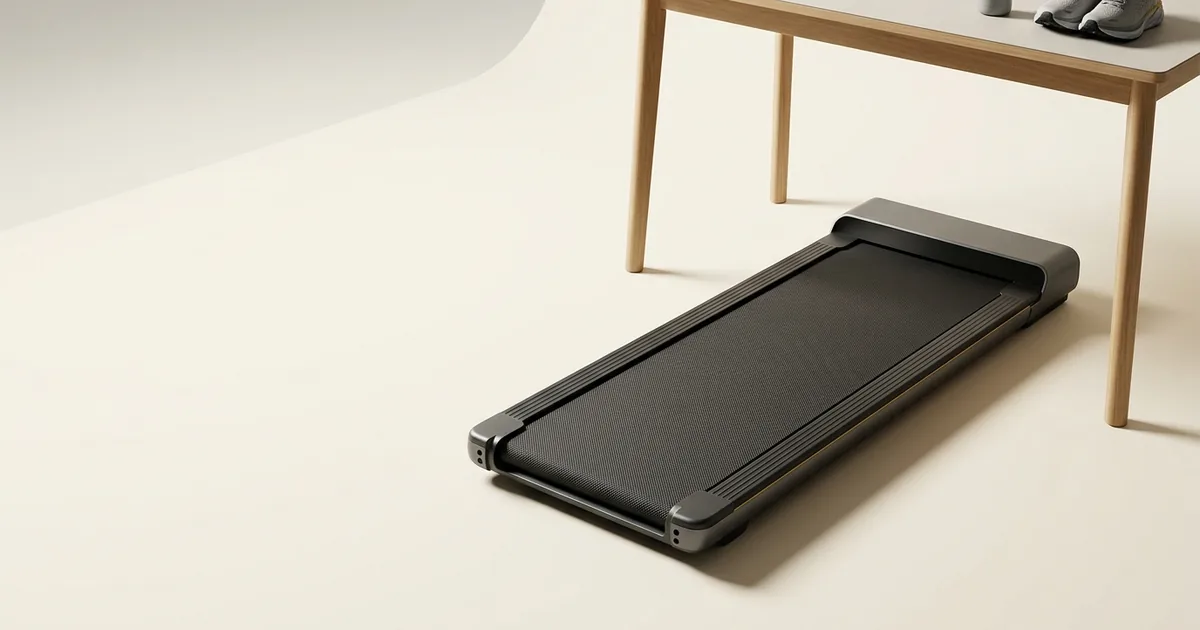
A walking pad is a slim, motorized belt without handrails or a raised console. Most sit around 12-15cm tall, fold in half, and slide under a bed or into a closet. They’re built for speeds between 1 and 6-8 km/h, which covers walking and light jogging but stops short of a real running gait. Many models are controlled entirely through a phone app or a small remote, since there’s no console to mount buttons on.
A treadmill has a full deck, side rails, a display, and usually a motorized or manual incline. Motors are rated for higher continuous horsepower, decks are longer to accommodate a running stride, and the frame is heavier to stay stable at 12-16 km/h or beyond. This is the machine built for structured running programs, incline hikes, and higher-impact training over years of use.
For most home buyers in the UAE and KSA, this is the deciding factor before performance ever enters the conversation. Apartments and villas alike often have a dedicated gym corner at best, not a spare room.
A typical walking pad measures roughly 140cm x 70cm unfolded and folds down to about half that footprint, standing under 20cm tall. It slides flat under a bed, a sofa, or into a shallow storage cupboard. A folding treadmill, by comparison, still stands 150-170cm tall when folded upright and needs floor clearance to fold and unfold safely. It’s not something you tuck away in five seconds before guests arrive.
If you live in a one or two-bedroom flat in Dubai, Riyadh, or Jeddah, floor space is the real currency. A walking pad works with a home office setup, a living room corner, or a bedroom, because it stores flat and doesn’t dominate the room when it’s not in use. A treadmill needs a permanent zone, even folded, and works best in a villa spare room, a garage gym, or a dedicated home gym setup where you’re not folding and unfolding it daily.
This is the part buyers underestimate until the unit is already plugged in.
Most walking pads and home treadmills sold in the UAE and KSA run on standard 220-240V household power, matching the regional grid. Treadmills with higher horsepower motors, especially ones designed for incline and higher speeds, draw more continuous current and are more sensitive to being run on a shared circuit with other high-draw appliances.
Walking pads are lower power by design, but a tripped breaker still happens, usually for one of three reasons: the unit is plugged into a multi-socket extension already carrying a fridge, AC unit, or kettle, the wall socket itself has a fault, or the walking pad’s own circuit protection is triggering because of a worn belt or a motor working harder than it should. The fix is straightforward. Plug the walking pad directly into a dedicated wall socket, not a shared extension board. Check that the socket is rated for the unit’s power draw. If it trips repeatedly on a known-good, dedicated socket, that points to an internal fault, and it’s worth contacting support rather than continuing to reset the breaker.
Walking pads typically cap out between 6 and 10 km/h, which covers brisk walking and light jogging. Treadmills routinely go from 14 km/h up to 18-20 km/h on performance models, built for interval sprints and structured running plans. If your goal is running, not walking, a treadmill is the only real option in this comparison.
Most basic walking pads have no incline or a fixed low incline you set manually before starting. Incline walking pads exist and add a motorized 0-15% range, which changes the calorie math significantly. Treadmills almost always include motorized incline, often up to 15-20%, controlled on the fly mid-session. If incline training is central to your routine, check incline range carefully before buying either type.
Treadmill motors are rated for continuous duty at higher loads because they’re built to handle running impact. Walking pad motors are lighter duty, matched to walking-speed loads, which is part of why they’re smaller and quieter. Neither is ‘weaker’ in a bad way, they’re simply engineered for different jobs. Running on a walking pad at its top speed daily will wear it out faster than walking on a treadmill at 5 km/h ever would.
In shared buildings, this matters more than most spec sheets admit. Walking pads run quieter overall because the motor works at lower speeds and the deck is shorter, producing less vibration transfer through the floor. Treadmills, especially at higher speeds and incline, generate more motor noise and floor impact from a running stride. If you’re on a mid-rise floor with neighbors below, a walking pad is the lower-friction choice for early morning or late-night sessions. A rubber mat underneath either unit helps regardless of which you choose.
This is the walking pad’s core use case. Slide it under a standing desk, set a slow pace of 2-4 km/h, and log steps during calls or focused work without breaking your workflow. A treadmill’s height, console, and handrails make it impractical to work at, since you’d need to stand well above and behind the desk to use it. If your goal is more daily movement without a dedicated workout block, the walking pad wins outright here.
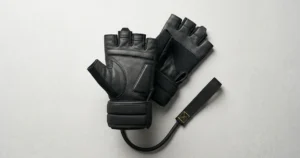
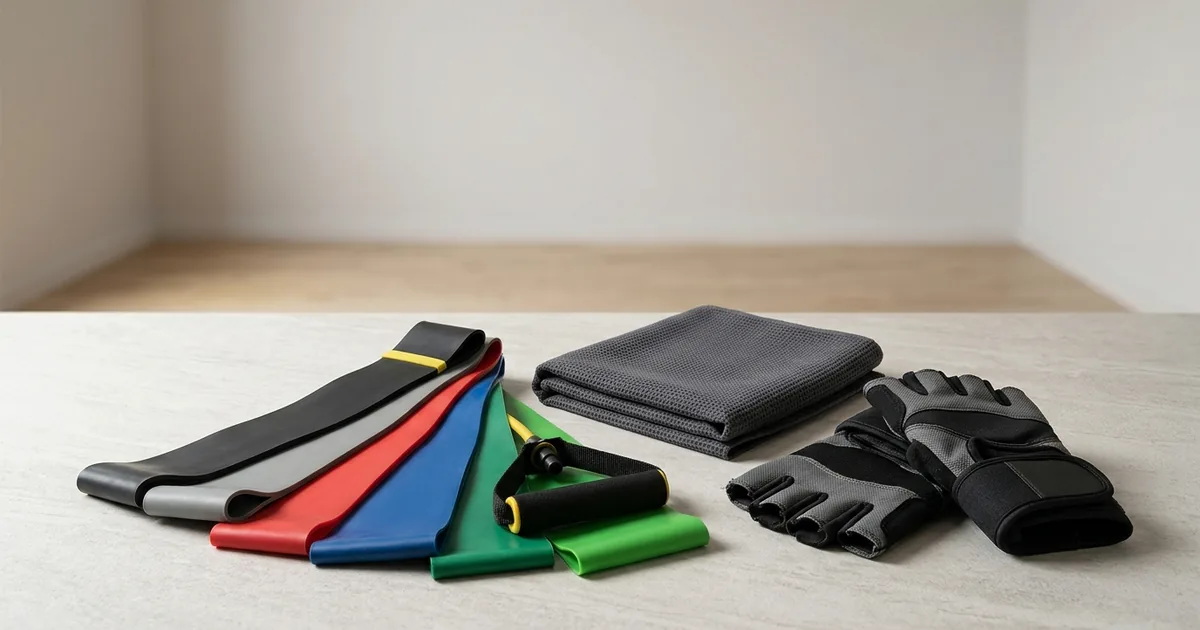
If your training includes sprint intervals, tempo runs, or structured HIIT with speed changes, a treadmill is built for it. The longer deck accommodates a full running stride safely, the frame handles higher-impact landings, and the console lets you adjust speed and incline mid-interval without touching a phone. Pair interval sessions with a set of gym gloves and straps for grip during handrail-assisted incline work, and keep a microfiber workout towel nearby, since treadmill sessions at running pace produce noticeably more sweat than walking pad sessions.
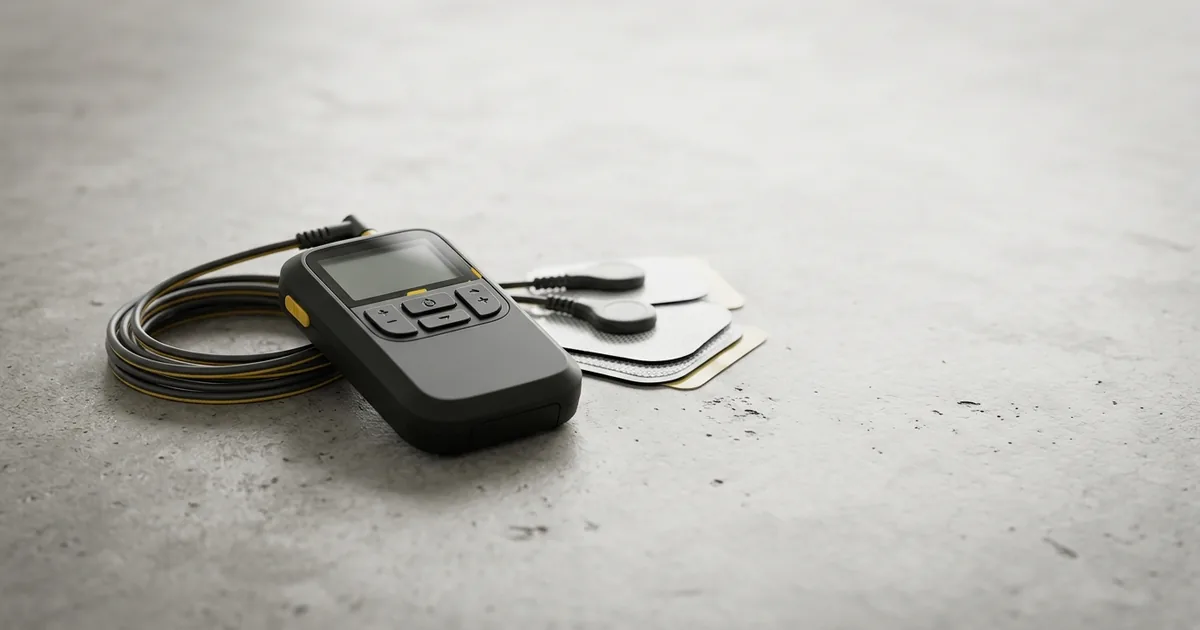
Incline walking at a moderate pace, 5-6 km/h at 10-15% incline, is one of the most joint-friendly ways to build a calorie deficit without the impact of running. An incline-capable walking pad or a treadmill both handle this, but a treadmill’s wider incline range and stability at that angle usually make it the more comfortable long-session option. If you rotate incline walking with recovery work, a vibration platform session afterward is a common pairing for muscle recovery and circulation without adding more impact to your joints.
Entry-level walking pads sit at a lower price point than entry-level treadmills, largely because they use lighter motors, simpler frames, and no console electronics. Incline walking pads cost more than flat ones but still typically undercut a comparable treadmill. Mid-range treadmills with motorized incline and higher-horsepower motors sit at a noticeably higher price point, reflecting the heavier frame, larger motor, and running-rated components. When comparing, factor in not just the sticker price in AED but what you’re paying for: a treadmill’s higher price buys you speed range, incline range, and running durability. A walking pad’s lower price buys you portability and floor space back. Check current listings under new arrivals for the latest models and pricing before deciding which fits your budget.
Both need basic upkeep: belt lubrication on schedule, keeping the deck free of dust, and avoiding overloading the unit past its rated user weight. Treadmills, built for higher-impact use, generally have a longer service life under heavy running loads because the frame and motor are over-engineered for that stress. Walking pads, used within their intended walking-speed range, are also durable, but pushing them consistently at their top speed or beyond rated weight shortens motor life faster than it would on a treadmill. Match the machine to the intended use and both hold up well over years of regular training.
Some home gym owners run both. A walking pad handles daily low-intensity movement under the desk, and a treadmill in a separate space covers structured running and incline sessions. This isn’t necessary for most people, but if your space and budget allow it, it separates ‘movement throughout the day’ from ‘dedicated training session’ cleanly, which keeps both machines doing the job they’re actually built for.
Walking pad vs treadmill for home use isn’t a question of which machine is superior, it’s a question of which one matches how you actually live and train. If floor space is tight and your goal is more daily movement without disrupting your work setup, a walking pad is the practical choice. If running, incline training, or structured cardio sessions are central to your routine, a treadmill’s higher speed range and motor durability earn its larger footprint. Match the gear to the goal, check your electrics and space before you buy, and either option becomes a machine you actually use every week instead of one gathering dust in the corner.
First, plug it directly into a dedicated wall socket, not a shared extension board carrying other appliances like a fridge or AC unit. Confirm the socket itself works with another device. If it still trips on a known-good, dedicated socket, the issue is likely an internal fault, a worn belt, or a motor drawing more current than it should, and you should stop using it and contact support rather than repeatedly resetting the breaker.
Most foldable walking pads measure around 140cm x 70cm unfolded and need a similar clear floor area to use safely, plus a little extra clearance on the sides. Folded, they drop to roughly half that footprint and under 20cm in height, making them thin enough to slide under a bed, a sofa, or into a shallow closet between sessions.
For most small apartments, yes. A walking pad’s flat, foldable design means it doesn’t need a permanent dedicated zone the way a treadmill does, even a folded treadmill still stands 150-170cm tall and needs floor clearance to open and close. If your space is genuinely tight and your goal is walking rather than running, the walking pad is the more practical fit.
Yes. Adding incline increases the muscular effort needed to move your body weight forward and upward, which raises calorie burn compared to flat walking at the same speed. Walking at 5-6 km/h on a 10-15% incline burns noticeably more than the same speed on a flat deck, making incline walking pads a strong option for fat-loss focused walking without the impact of running.
Only lightly. Most walking pads top out around 6-8 km/h, which covers a light jog at best, and the shorter deck isn’t built for a full running stride. If structured running or sprint work is a regular part of your training, a treadmill’s longer deck, higher top speed, and running-rated motor make it the appropriate choice instead.

Last updated: October 21, 2026 Sore legs the day before a big lift. Tight shoulders after three straight gym sessions.
Last updated: October 21, 2026 Most home gyms fail for the same reason: the gear doesn’t match the space, the
Last updated: October 18, 2026 Most people buy a gym towel the way they buy a phone charger, fast, cheap,