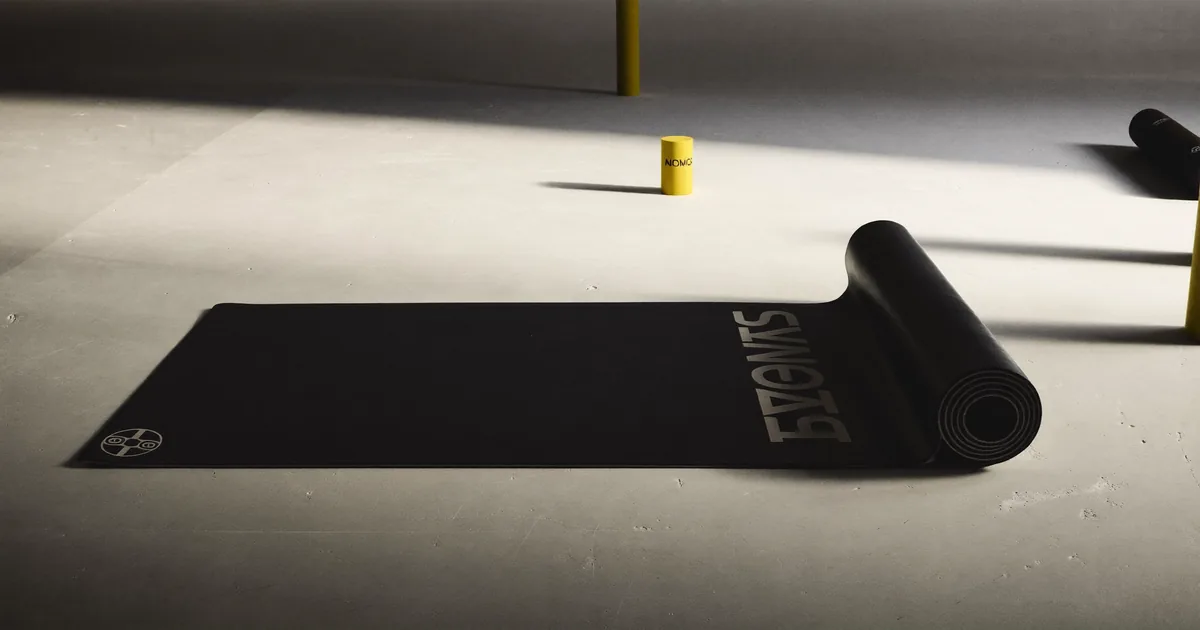
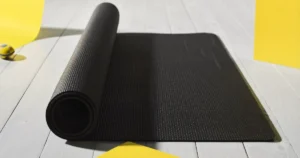
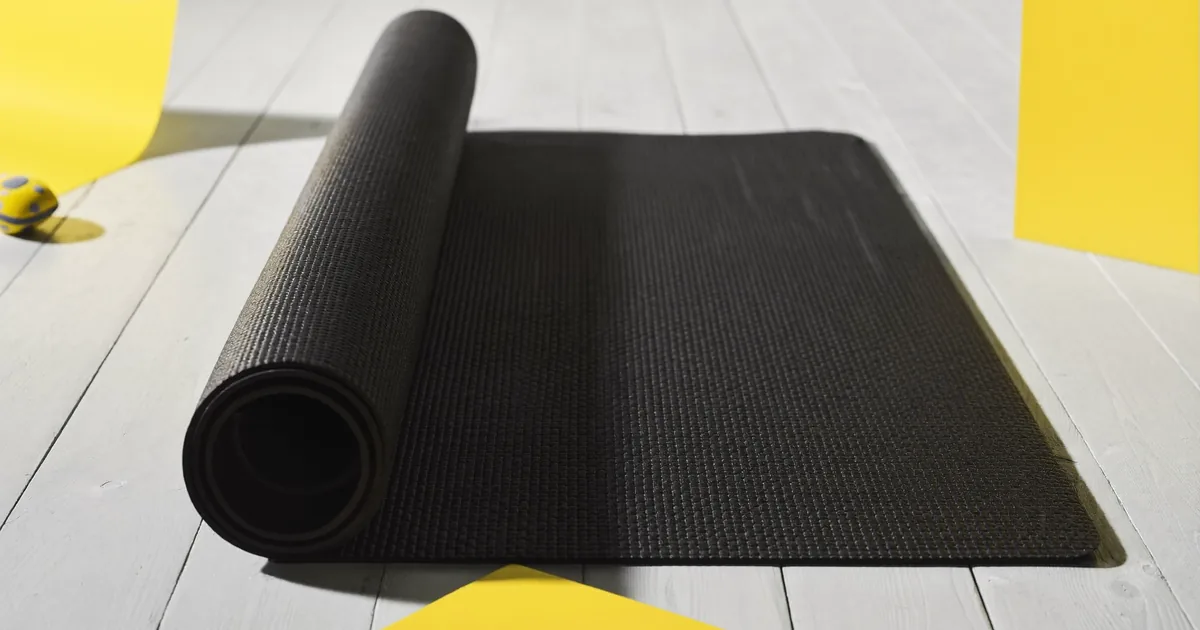
A regular yoga mat turns into a slip hazard the moment your session heats up. Hot yoga pushes core temperature, sweat output, and grip demand far beyond a standard studio class, and most mats simply aren’t built for it. If you’ve ever slid out of downward dog with sweat pooling under your palms, the problem isn’t your practice. It’s your mat.
This guide breaks down exactly what makes a mat perform in heat and humidity, what to avoid, and how to choose one that works whether you’re practicing in a Dubai studio, a home setup in Riyadh, or packed in a bag for travel.
Why Standard Mats Fail in Hot Yoga
Hot yoga typically runs at 35-40°C with high humidity. Within ten minutes, your hands and feet are producing enough sweat to turn most closed-cell foam mats into a skating rink. Three failures show up fast:
- Surface slip: Smooth PVC and basic foam mats lose grip almost immediately once moisture hits the surface.
- Moisture absorption: Open-cell materials soak up sweat instead of repelling it, leading to odor, bacteria buildup, and a mat that never fully dries.
- Poor cushioning under stress: Thin, low-density mats compress unevenly when you’re bearing weight on wet palms and knees, increasing joint strain.
A mat built for hot yoga solves all three at once, through material choice, surface texture, and construction.
What Actually Makes a Mat Sweat-Proof
Closed-Cell vs Open-Cell Foam
Closed-cell foam has a sealed surface that doesn’t absorb moisture, meaning sweat sits on top rather than soaking in. This keeps the mat lighter, prevents bacterial growth, and makes cleaning far easier. Open-cell foam, by contrast, is porous and grippy when dry but becomes a sponge for sweat, which is exactly what you don’t want in a hot session.
For hot yoga specifically, look for closed-cell surfaces paired with a textured top layer that channels moisture away from contact points instead of letting it pool.
Material Breakdown
- TPE (Thermoplastic Elastomer): Lightweight, closed-cell, decent grip when dry but can lose traction as sweat builds unless it has a textured finish. A solid mid-range choice for home and travel.
- Natural Rubber: Naturally tacky, performs well in heat, and grips better the more moisture is present in some cases. Heavier and less travel-friendly, but excellent for dedicated home or studio use.
- PVC: Durable and affordable, but grip drops off fast once wet unless it has a specific textured or micro-dot surface designed for sweat.
- Microfiber-Topped Mats: A rubber or foam base layered with a microfiber top that actively absorbs sweat and grips harder the wetter it gets. This is the gold standard for serious hot yoga practice.
- Cork: Naturally antimicrobial and grippier with moisture, though heavier and pricier. Works well for home setups where portability isn’t the priority.
Grip Texture: The Detail Most People Skip
Material matters, but surface texture is what determines whether your hands stay put during a sweaty flow. Three common textures to know:
Micro-Dot or Diamond Patterns
Raised micro-dots or diamond textures create tiny channels that move sweat away from your palms and feet instead of letting it pool flat on the surface. This is a baseline feature to look for in any hot yoga mat.
Alignment Lines
Some mats include printed guide lines to help with hand and foot placement. Useful for beginners, but not a substitute for actual grip performance. Don’t choose a mat based on alignment lines alone.
Reverse-Engineered Grip (Wet Grip)
The best hot yoga mats are designed so grip improves as moisture increases, rather than degrading. This is usually achieved through microfiber tops or specific rubber compounds. If a product description doesn’t mention performance when wet, assume it’s built for a regular studio, not heat.
Thickness: Balancing Grip, Cushioning and Stability
Thickness affects both comfort and stability, and hot yoga has specific demands here.
- 1-2mm (Travel mats): Ultra-thin, foldable, and easy to pack, but offer minimal cushioning. Best paired with a towel layer for grip and joint protection on the road.
- 3-4mm (Standard): The most common thickness for hot yoga. Enough cushioning for joints without sacrificing the ground connection needed for balance poses.
- 5-6mm (Cushioned): More comfortable for sensitive knees or wrists, but can reduce stability in balance-heavy poses like tree or eagle. Better suited to gentle or restorative flows than aggressive hot vinyasa.
For most hot yoga practitioners, 3-4mm hits the balance between joint protection and the stability you need when a pose depends on solid ground contact.
Size and Portability for Gym, Home and Travel
Rigid Fitness is built around gear that moves with you, not gear that ties you to one room. A hot yoga mat should work the same way.
Standard Studio Size
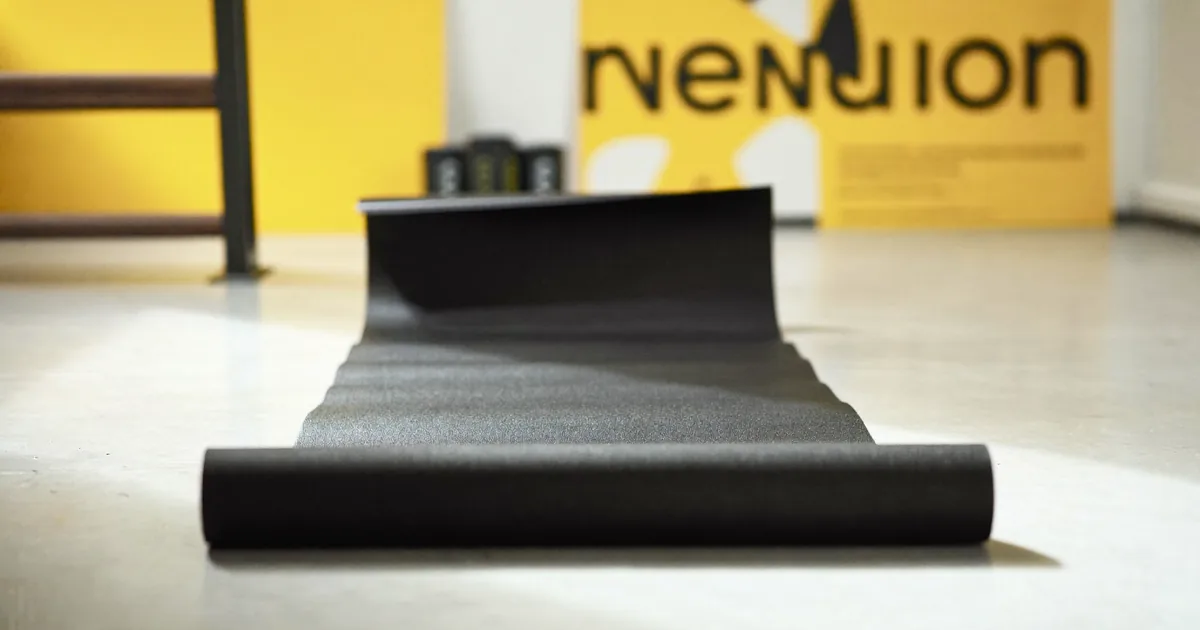
Most mats run 173-183cm long and 61cm wide, enough room for full extension in poses like downward dog or warrior series without your hands or feet slipping off the edge.
Travel-Specific Considerations
If you’re moving between a home setup and a studio, or packing for a trip, look for a mat that folds rather than only rolls. Foldable mats fit into a gym bag or suitcase far more efficiently, and many hot yoga travel mats are designed to be used with a lightweight towel layer on top for extra grip when you don’t want to carry a full-thickness mat.
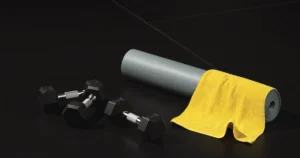
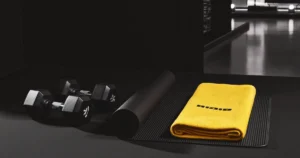
A microfiber towel is one of the simplest upgrades you can add to any hot yoga setup. It absorbs sweat fast, dries quickly, and gives you a secondary grip layer if your mat starts to feel slick mid-session. Check out the microfiber workout towels for a compact, fast-drying option that works with any mat.
Building a Full Hot Yoga Setup at Home
A mat solves grip, but hot yoga performance improves further when you build a complete routine around it. A few additions worth considering:
- Warm-up mobility work: Light cardio before a hot session helps your body adjust to heat faster. A beaded jump rope is a compact way to get blood flowing before you step onto the mat, without needing extra space.
- Post-session recovery: Hot yoga puts real strain on connective tissue. A vibration plate can help loosen muscles and support recovery after an intense heated flow, especially on rest days between sessions.
- Essentials rotation: If you’re setting up a home practice space from scratch, browse the fitness essentials category for the basics that round out a hot yoga routine, from towels to grip aids.
How to Clean and Maintain a Hot Yoga Mat
Heat and sweat create the perfect environment for bacteria and odor if a mat isn’t cleaned properly. Follow this after every hot session, not once a week.
Immediate Post-Session Care
- Wipe down the entire surface with a damp microfiber cloth immediately after class, before sweat dries into the material.
- Use a mild mat cleaner or diluted vinegar solution for closed-cell foam and rubber mats. Avoid harsh chemicals that break down the surface texture.
- Hang the mat to air dry fully before rolling or folding it. Storing a damp mat is the fastest way to develop odor and bacterial buildup.
Weekly Deep Clean
Once a week, clean both sides of the mat, including grommets or edges where sweat and dust collect. For microfiber-topped mats, check the manufacturer’s guidance, some tops are machine washable while the base layer is not.
Signs It’s Time to Replace
- Grip has visibly worn smooth in high-contact areas like hand and foot zones.
- Persistent odor that doesn’t clear after a deep clean.
- Cracking, peeling, or flaking on the surface layer.
- Reduced cushioning where the foam has compressed permanently.
A well-maintained mat used for regular hot sessions typically needs replacing every 8-12 months, faster if you’re practicing multiple times a week.
Choosing the Right Mat for UAE and KSA Climates
Practicing hot yoga in a region that’s already hot and humid for much of the year adds a layer most global buying guides don’t account for. A few region-specific points worth factoring in:
- Fast-drying materials matter more here. If you’re storing gear in a warm home environment without heavy air conditioning, mats that trap moisture will develop odor and mildew faster than in cooler climates.
- Portability supports a gym-home-travel routine. Many practitioners split time between studio sessions, home practice, and travel for work or family. A foldable, lightweight mat fits that lifestyle better than a bulky studio-only option.
- Check the newest gear regularly. Materials and grip technology in this category move fast. It’s worth checking the new arrivals section periodically for updated mat designs built specifically for heat and sweat performance.
Common Mistakes to Avoid
Buying Based on Color or Price Alone
A mat can look great and still fail the moment you sweat on it. Always check the material and grip description before color or price.
Skipping the Break-In Period
Some natural rubber and cork mats need a few sessions to reach full grip performance as surface oils wear off. Don’t judge a mat’s traction after a single use if it’s a natural material.
Using a Regular Mat for Hot Sessions
If your current mat wasn’t designed for heat, no amount of technique will fix the slipping. This is the single most common reason practitioners think they have a balance problem when it’s actually an equipment mismatch.
Ignoring Mat Care Between Sessions
Rolling up a wet mat and leaving it in a bag until the next class is the fastest way to shorten its lifespan and create odor that never fully goes away.
Quick Buying Checklist
- Closed-cell foam or microfiber top for moisture control
- Textured or micro-dot surface for wet grip
- 3-4mm thickness for balance and cushioning
- Foldable design if you split time between home, gym, and travel
- Machine-washable or easy-wipe surface for fast cleanup
Every point on this list solves a specific hot yoga problem. Skip one and you’re compromising on grip, hygiene, or portability somewhere down the line.
Frequently Asked Questions
What is the best material for a yoga mat used in hot yoga?
Closed-cell foam paired with a textured surface performs best, since it resists moisture absorption while maintaining grip. Microfiber-topped mats are considered the top choice because they grip harder as they get wetter, unlike standard PVC or open-cell foam mats that become slippery with sweat.
How thick should a yoga mat be for hot yoga?
3-4mm is the ideal range for most hot yoga practice. It provides enough cushioning to protect joints without reducing the stability needed for balance poses. Thinner travel mats work well when paired with a towel for extra grip.
Can I use a regular yoga mat for hot yoga?
You can, but most regular mats lose grip quickly once sweat builds up, increasing slip risk during poses. If you practice hot yoga regularly, a mat specifically designed with moisture-channeling texture will perform significantly better and last longer.
How often should I clean my hot yoga mat?
Wipe it down immediately after every hot session, before sweat dries into the surface, and do a full deep clean weekly. Skipping regular cleaning leads to odor, bacterial buildup, and faster degradation of the grip surface.
Do I need a towel in addition to a hot yoga mat?
A towel isn’t required if your mat has strong wet-grip performance, but it adds a useful backup layer, especially for travel mats that are thinner and offer less built-in traction. A quick-drying microfiber towel also helps manage sweat between poses.