Last updated: August 9, 2026
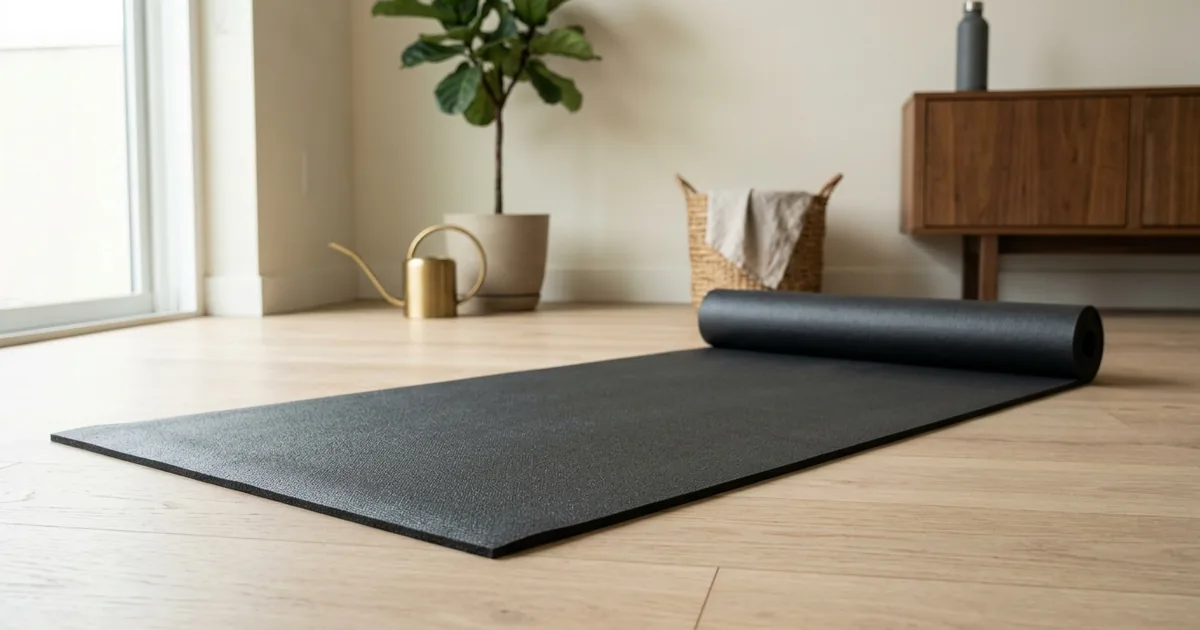
Hot yoga turns your mat into the weakest link in your practice within ten minutes. Room temperatures push past 38°C, sweat pools under your palms, and a mat that felt grippy in a cool studio suddenly becomes a slip hazard mid-Warrior II. A yoga mat for hot yoga is not the same product as a general-purpose mat, and treating it as one is why so many people blame their balance instead of their gear.
Why a Regular Yoga Mat Fails in Hot Yoga
Most entry-level mats are built for dry-room use. PVC foam mats grip well when your skin is dry, but the same closed-cell surface turns slick the moment sweat hits it. Thin mats also compress fast and offer no cushioning once they’re wet through. In a hot room in Dubai, Riyadh, or Jeddah, where studios routinely run heaters or hold classes in peak summer heat without strong AC, a mat that isn’t built for moisture will fight you instead of supporting you.
The result is a familiar cycle: hands sliding on downward dog, feet skating during lunges, constant re-gripping that breaks focus and form. None of that is about flexibility or strength. It’s about a mat that was never designed for a sweat-heavy session in the first place.
What Actually Makes a Mat Work for Hot Yoga
Four things determine whether a mat holds up in heat and sweat: grip behavior when wet, material, thickness, and surface texture. Get these right and the mat disappears from your attention, which is exactly what you want during a 60-minute flow.
Wet Grip, Not Just Dry Grip
Dry grip is easy to fake with texture. Wet grip is where mats separate. Natural rubber and closed-cell polyurethane (PU) surfaces are engineered to increase tack as moisture builds, effectively gripping better the more you sweat. This is the opposite of what PVC does, and it’s the single biggest factor in whether a mat is genuinely suited to hot yoga or just marketed for it.
Material
- Natural rubber base with PU top layer: the current standard for hot yoga. The PU layer absorbs sweat on contact and grips harder as the session heats up. Slightly higher price, but it’s the material that actually solves the slip problem.
- TPE (thermoplastic elastomer): lighter and more affordable, reasonable grip in moderate humidity, but performance drops in genuinely hot, sweat-heavy sessions.
- PVC: durable and cheap, poor wet grip, best kept for strength training or general studio use rather than hot yoga.
- Cork-topped mats: naturally antimicrobial and grippier when damp, a solid middle-ground if you want less plastic feel.
Thickness and Density
For hot yoga, 3mm to 4mm is the sweet spot. Thin enough to keep you stable and connected to the floor for balance poses, thick enough to cushion knees and wrists. Anything past 5mm starts to feel unstable for standing sequences, more suited to restorative or floor-based practice than a heated flow class.
Surface Texture
Look for a surface with fine texture or a raised pattern rather than a completely smooth finish. Textured surfaces channel sweat away from contact points instead of letting it pool under your palm. This matters more than most buyers expect, since it’s often the texture, not just the material, that determines how a mat feels in the last twenty minutes of a hot class.
Size and Portability
Standard length is 173cm to 183cm. If you’re above average height, go for an extended mat (188cm+) so your hands and feet stay on the surface during full extensions. For anyone training across a gym, a home setup, and travel, weight matters as much as size. A mat under 2kg that rolls tight and fits in a bag makes it realistic to actually bring it along instead of leaving it at home.
Material Comparison at a Glance
| Material |
Wet Grip |
Durability |
Best For |
| Rubber + PU top |
Excellent |
High |
Regular hot yoga, heated flow classes |
| TPE |
Moderate |
Medium |
Occasional hot sessions, general practice |
| Cork top |
Good |
High |
Hot yoga with a natural-material preference |
| PVC |
Low |
High |
Strength training, non-heated sessions |
How to Test Grip Before You Buy
Specs on a listing only tell you so much. Before committing, run a simple check:
- Press your palm flat and push forward. A mat with real grip resists the slide even before moisture is added.
- If you can test in person, dampen a small section with water and repeat the press. This mimics wet-grip behavior far better than reading a description.
- Check the surface for a slight tack or texture under your fingers. A completely smooth, glossy finish is a warning sign for hot conditions.
- Unroll it fully and check for a flat lie with no curling at the edges. Curling edges under your feet is a tripping risk in fast-paced sequences.
Caring for a Hot Yoga Mat
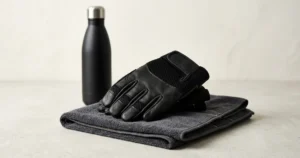
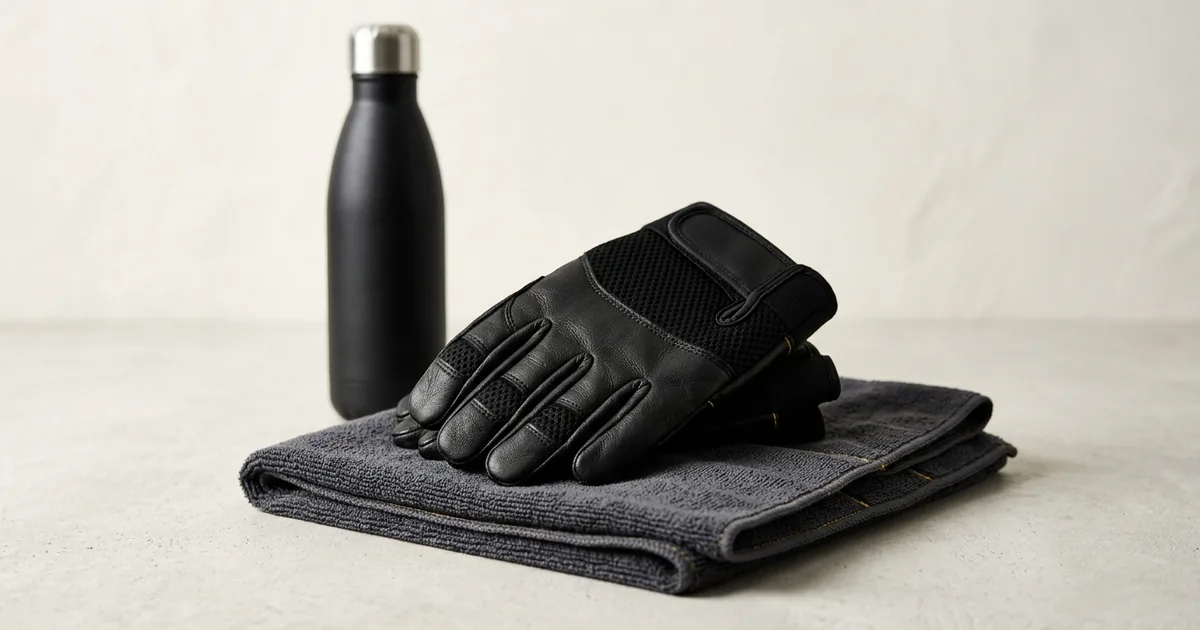
A hot yoga mat takes more abuse per session than almost any other piece of gear you own, and care determines whether it lasts one season or three. Wipe it down after every single use, sweat left to dry on rubber or PU breaks down the surface faster than regular use ever will. A dedicated microfiber workout towel is the fastest way to handle this, both mid-session to keep your grip dry and post-session to clean the surface before rolling it up.
Avoid folding a rubber or PU mat, always roll it, folding creates permanent creases that turn into weak points. Let it air dry fully before storing, rolling a damp mat traps moisture and encourages odor and mildew, especially in humid coastal cities. Skip harsh chemical cleaners, a diluted mix of water and mild soap is enough for weekly deep cleaning.
Building a Complete Hot Yoga Kit
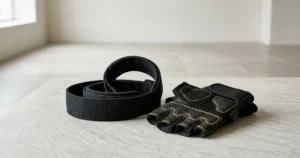
The mat solves your grip problem, but a full hot yoga setup benefits from a few supporting pieces. If your hands still sweat through poses even on a good mat, wearing gym gloves or grip straps for supported poses during strength-based flow sessions can help maintain control without over-relying on chalk or towels.
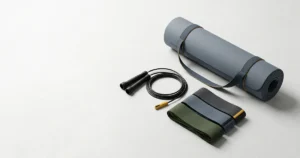
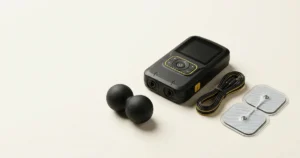
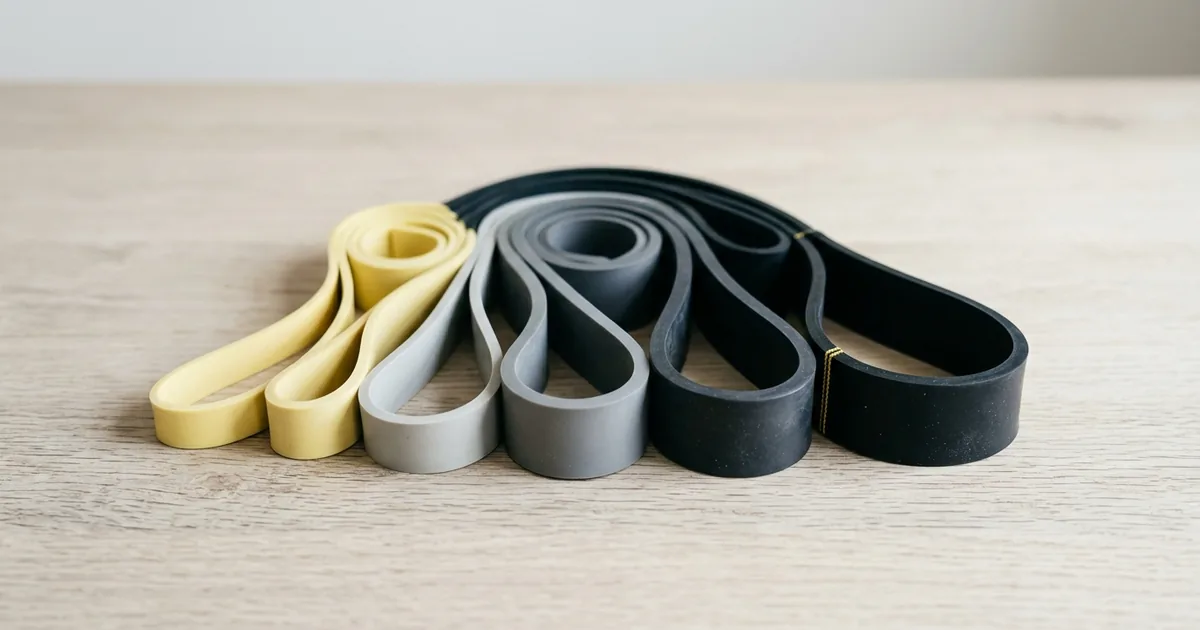
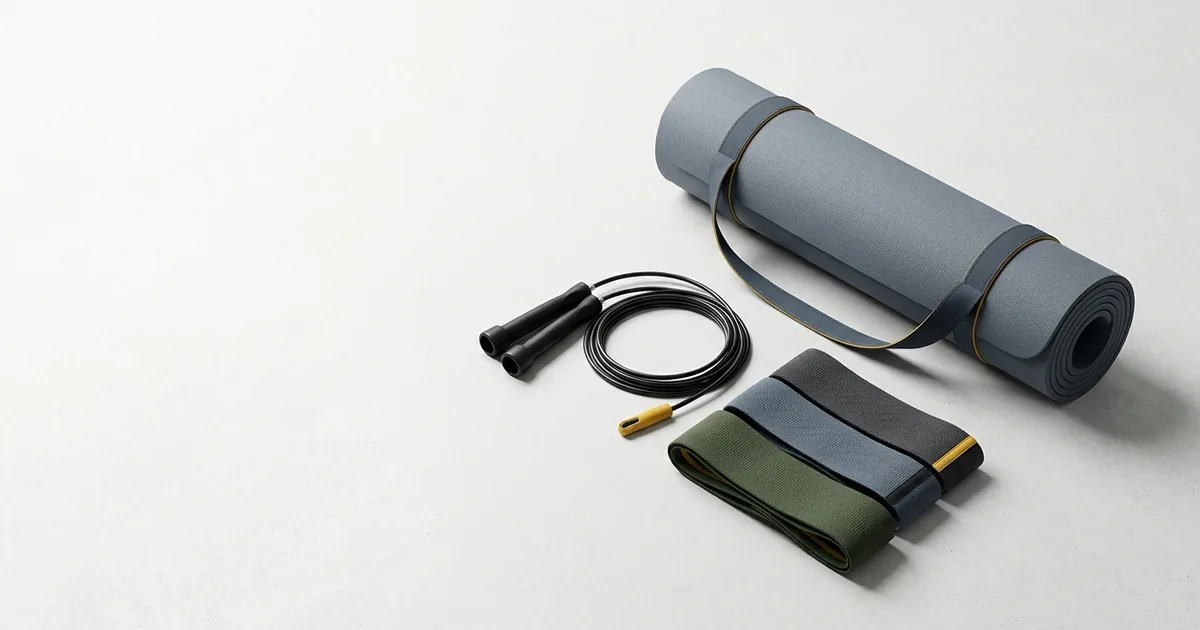
Recovery matters just as much as the session itself. A vibration plate session after a hot yoga class helps loosen muscles that stayed under tension in heat for an hour, cutting down next-day stiffness. And if you’re pairing yoga with cardio days, a beaded jump rope is a compact way to add conditioning without needing extra floor space at home or in a hotel room.
If you’re setting up a full home or travel training corner, check the new arrivals for the latest mats and portable gear built for exactly this kind of multi-use setup.
Choosing Based on Where You Actually Train
Gym or Studio Sessions
If you’re attending scheduled hot yoga classes at a studio, prioritize grip and thickness over weight. You’re not carrying it far, so a slightly heavier rubber-PU mat with maximum wet grip is worth the extra bulk.
Home Practice
At home, you control the room, but not always the temperature or humidity, especially in summer months across the UAE and KSA when indoor heat can spike even with AC running. A 4mm rubber mat with a non-slip base pairs well with tiled or wooden floors that tend to let mats slide during dynamic sequences.
Travel
For travel, weight and roll-size beat everything else. A lightweight TPE or thin rubber travel mat that folds into a bag without adding real weight is the practical choice, even if it means slightly less grip than your primary home or studio mat. The goal while traveling is consistency of practice, not perfect conditions.
Common Mistakes When Buying a Hot Yoga Mat
- Buying based on price alone: a cheap PVC mat that slips costs you more in frustration and injury risk than the AED difference to a proper rubber-PU mat.
- Ignoring thickness for your body type: taller or heavier practitioners often need slightly thicker mats for wrist and knee comfort, while very thin mats can feel unstable for smaller frames doing balance work.
- Skipping the smell test on synthetic mats: some budget TPE and PVC mats carry a strong chemical smell that intensifies in heat. Air a new mat out for a day or two before your first hot class.
- Not rotating mats if you train often: if you’re doing hot yoga three or more times a week, having two mats in rotation extends the life of both and gives each one proper drying time between sessions.
Conclusion
A yoga mat for hot yoga has one job that regular mats don’t handle well: staying grippy as sweat builds. Rubber-and-PU construction, 3mm to 4mm thickness, and a textured surface solve that problem directly. Everything else, size, weight, portability, comes down to where and how often you train. Get the material and grip right first, then match the rest of the mat to your routine, whether that’s a studio class, a home floor, or a gym bag headed to another city.
Frequently Asked Questions
What is the best mat material for hot yoga?
Natural rubber with a polyurethane (PU) top layer performs best. The PU surface absorbs sweat and actually grips harder as you sweat more, unlike PVC which becomes slippery when wet.
How thick should a yoga mat be for hot yoga?
3mm to 4mm works best. It’s thin enough for stability in standing and balance poses, while offering enough cushioning for knees and wrists during floor work.
Can I use a regular yoga mat for hot yoga?
You can, but most regular mats, especially PVC ones, lose grip once they get wet. They’ll work for light sweat but tend to become unsafe in genuinely heated, high-sweat sessions.
Do I need a towel on top of my hot yoga mat?
If your mat already has strong wet grip, a towel isn’t essential, but many people use a microfiber towel over the mat for extra sweat absorption and easier cleanup, especially during longer or more intense sessions.
How do I stop my hot yoga mat from smelling?
Wipe it down after every session, let it dry fully unrolled before storing, and clean it weekly with a mild soap and water mix. Never roll it up while still damp, that’s the main cause of lingering odor.