
Last updated: September 13, 2026
An outdoor gym is not a park bench and a pull-up bar anymore. In 2026, UAE and KSA residents are turning balconies, villa gardens, rooftops, and community parks into full training spaces using portable outdoor gym workout gear that packs away in minutes. No permits, no gym membership, no waiting for a rack. Just a space, the right gear, and a plan.
This guide breaks down what actually works for outdoor training in this region, from gear selection to layout to climate-proofing your routine.
Forget the old image of rusted municipal bars in a park. A modern outdoor gym is any space, public or private, where you train using gear that is built to handle sun, sand, humidity, and being moved around. That includes:
The common thread is portability. Nothing is bolted down, nothing needs an outlet, and everything survives being packed into a bag after the session.
Three things are driving this shift across Dubai, Abu Dhabi, Riyadh, and Jeddah.
From November through March, outdoor conditions in most of the UAE and KSA are genuinely good for training, often better than a crowded indoor gym floor. People are using this window hard, then adapting their outdoor setup for early morning or evening sessions in the hotter months.
A large share of the population lives in villas or low-rise compounds with private outdoor space that sits unused. A garden, a rooftop, or a driveway corner is often bigger than a home gym room would ever be.
More people want training that does not depend on a facility’s opening hours, crowding, or membership cost. Outdoor training with portable gear gives full control over time, space, and intensity.
Both have a place, but they solve different problems.
Parks across Dubai, Riyadh, Sharjah, and Jeddah increasingly include outdoor fitness stations, pull-up bars, dip stations, and open turf areas. These are free and good for bodyweight and calisthenics work. The downside is availability. Stations get crowded at peak hours, and you cannot add resistance, cardio, or recovery gear to what is already fixed in place.
A private setup, even a small one, gives you full control. You choose the gear, the intensity, and the schedule. You are not sharing a bar with three other people at 6pm. Most serious outdoor trainers in the region end up running a hybrid, using public stations for pull-ups and dips, then bringing their own portable outdoor gym workout gear for everything else.
A functional outdoor gym does not need much. It needs the right few pieces, chosen for durability and portability. Here is how to build it out by category.
Bodyweight training is the backbone of most outdoor sessions. Push-ups, squats, lunges, planks, and step-ups need zero gear beyond a decent surface. A grippy, weather-resistant mat protects joints on concrete, gravel, or grass and gives you a defined workout zone in an open space. Browse the latest gear drops for current mat and mobility options built for this kind of use.
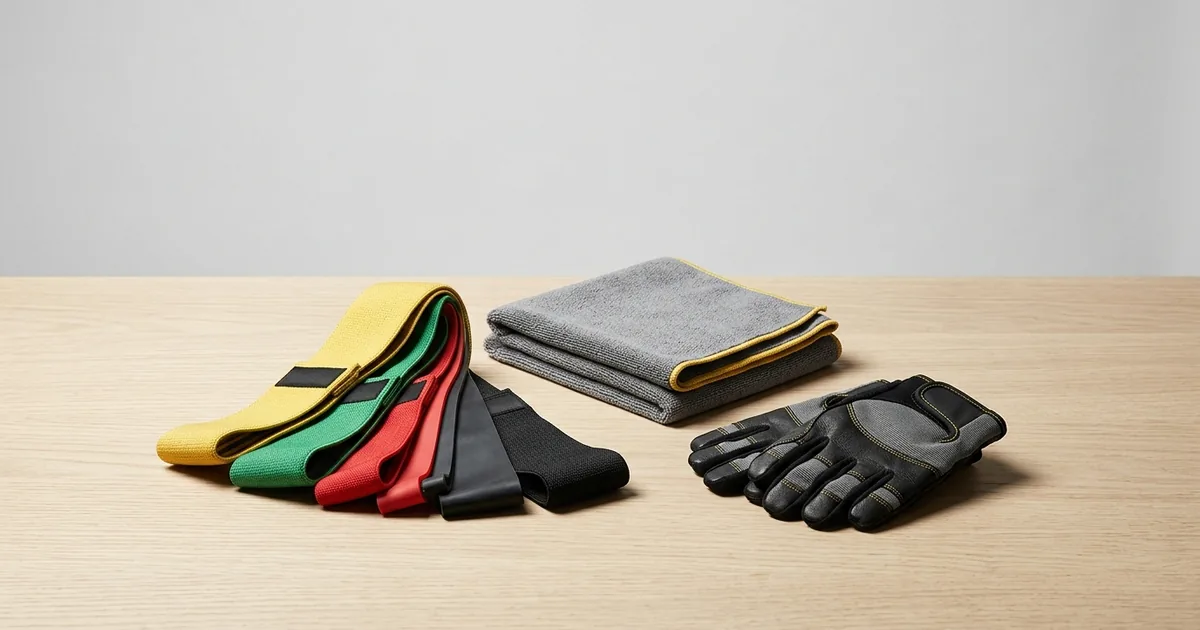
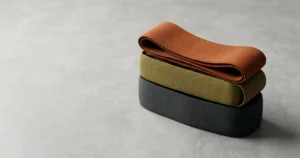
Resistance bands, adjustable dumbbells, and kettlebells are the most practical strength additions to an outdoor setup because they pack small and do not need a rack. If you want to add loaded conditioning without carrying heavy plates outside, a set of resistance bands covers pressing, pulling, and leg work in one bag.
This is where outdoor training has an edge over a cramped home gym room. Open space means you can actually use a jump rope properly, sprint, or run circuits without hitting a wall every four steps. A beaded, adjustable jump rope is close to essential gear for outdoor sessions. It is tangle-free, adjusts to your height, and gives a harder conditioning stimulus than most people expect from ten straight minutes of skipping.
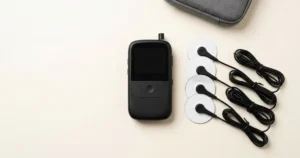
Outdoor training in this region means sweat, sun, and often sand or dust. A dedicated set of microfiber workout towels earns its spot in every outdoor gym bag, quick-drying, compact, and far more practical outside than a bulky cotton towel that stays damp for hours. Pair this with a vibration platform for warm-up and recovery work if your setup has a semi-permanent spot like a rooftop or garage corner. Check the vibration platform for a compact option that supports circulation and muscle activation before or after an outdoor session.
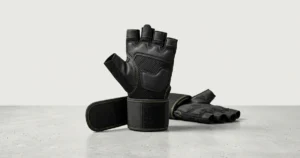
Outdoor bars, especially public ones, take a beating from sun and weather and often have rough or worn surfaces. Rings, bars, and even resistance band anchors can chew up your hands fast. A solid pair of gym gloves or lifting straps protects your grip on outdoor pull-up work, farmer carries, and rope-based conditioning, and extends how long you can train before your hands give out before your muscles do.
Layout matters more outside than in a gym, because you are working with unpredictable ground, sun exposure, and shared space. Here is how to set up three common scenarios found across UAE and KSA homes.
Best for apartment living in Dubai, Abu Dhabi, or Riyadh towers. Space is limited, so gear needs to be light and quick to store. A mat, a jump rope, resistance bands, and a compact vibration platform cover strength, cardio, and recovery without cluttering a small footprint. Anchor points for bands can be a railing or a door frame just inside if wind is an issue.
This is the most flexible option and the one growing fastest across the region. A villa garden gives room for sprint intervals, kettlebell circuits, and even a semi-permanent pull-up bar if you want one installed. Zone the space into a strength corner, a cardio strip, and a stretching area with a mat, so the layout stays functional session after session instead of turning into scattered gear every time.
Public stations plus your own gear bag is the standard hybrid here. Use fixed bars for pull-ups and dips, then bring your portable outdoor gym workout gear, bands, rope, gloves, towel, for everything else. Arrive early or late to avoid peak crowding at popular Dubai and Riyadh park fitness zones, especially on weekends.
Training outside here is not the same as training outside in a temperate country, and pretending otherwise leads to bad sessions or worse, heat-related problems.
From April through October, outdoor training needs to happen early morning before 8am or after sunset once temperatures drop. Midday sessions in summer months are not a training decision, they are a risk decision. The cooler window from November to March is far more forgiving and allows longer, harder sessions at almost any time of day.
Outdoor humidity in coastal cities like Dubai, Jeddah, and Dammam pushes sweat rate up fast. Shorter, higher-intensity sessions with proper water breaks outperform long, drawn-out outdoor workouts in these conditions. Keep water within reach at all times, not just at the start of the session.
Cheap gear degrades fast outside in this climate. UV exposure breaks down poor-quality rubber and plastic, sand gets into every moving part, and sweat plus heat is brutal on fabric and grip material. This is exactly why gear choice matters more outdoors than indoors, materials need to handle direct sun and dust without cracking, fading, or losing grip within a few months.
A good outdoor session uses the open space instead of fighting it. Here are three levels to start from.
Outdoor training carries a few risks that indoor training does not, and they are easy to manage once you know what to check.
Concrete, gravel, and uneven grass all change how your joints load during jumps and lunges. Always scan the training area for loose stones, holes, or slick patches before starting, especially after rain or irrigation in garden setups.
Check resistance bands for nicks or wear before every session, since sun exposure accelerates material breakdown. Wipe down mats and platforms after use to clear dust and sand before storage, this alone adds real months to gear lifespan in this climate.
Train in shaded areas where possible during hot months, and treat any dizziness, cramping, or excessive fatigue as a stop signal, not something to push through. Outdoor training rewards consistency, not one brutal session that puts you out for a week.
Not all workout gear is built for outdoor use in this region. When picking pieces for an outdoor setup, prioritize:
Gear built specifically with portability and durability in mind, rather than repurposed indoor gym gear, holds up far longer under regular outdoor use.
One advantage of an outdoor training approach is that the same gear works whether you are at home, at a park, or traveling between Dubai, Riyadh, and anywhere else. A tight travel kit looks like this:
This entire kit fits into a single bag under 3kg and covers strength, cardio, and recovery wherever you land. It is the same logic behind Rigid Fitness gear across the board, built to move between gym, home, and outdoor use without losing performance.
An outdoor gym in 2026 is not a compromise, it is often the smarter setup for UAE and KSA training conditions, especially from November through March. The difference between a decent outdoor session and a great one comes down to gear choice, layout, and respecting the climate. Build a small, durable kit, use the space you already have, and train outside on your own schedule.
A mat, an adjustable jump rope, a set of resistance bands, and a towel cover most of what you need. Add a vibration platform or kettlebells later once the basics are in your routine.
Yes, if timed properly. Train before 8am or after sunset from April through October, keep sessions shorter, and stay on top of hydration throughout.
Public stations are great for pull-ups and dips, but they get crowded and offer no resistance or cardio variety. Most people combine park stations with their own portable outdoor gym workout gear for a complete session.
Look for UV-resistant materials, quick-dry fabrics, and corrosion-resistant hardware. Gear built for portability and outdoor use holds up far longer than repurposed indoor gym gear.
No. A rooftop, balcony, or small courtyard is enough for a mat, bands, and a jump rope. Villa gardens simply allow more room for sprints and larger circuit layouts.
Last updated: September 20, 2026 Fitness culture across the UAE and KSA has moved past the treadmill-and-dumbbell basics. Today’s Gulf
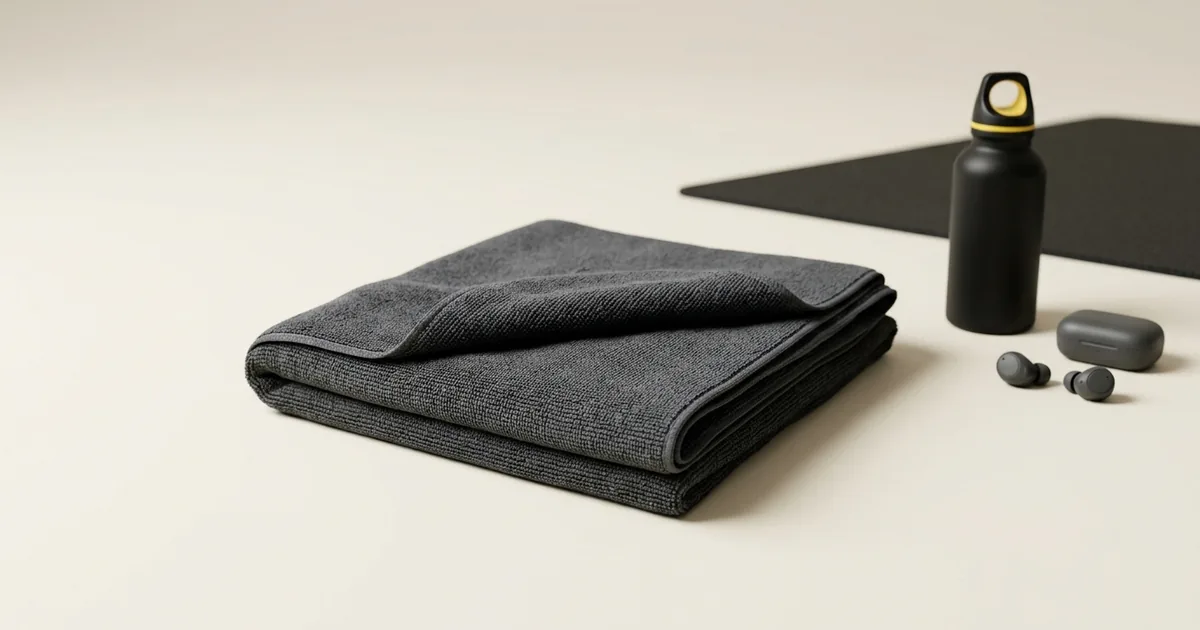
آخر تحديث: 20 سبتمبر 2026 منشفة الجيم التي تلتصق بجسمك وتبقى مبللة طوال الحصة التدريبية ليست حلاً، بل مشكلة إضافية
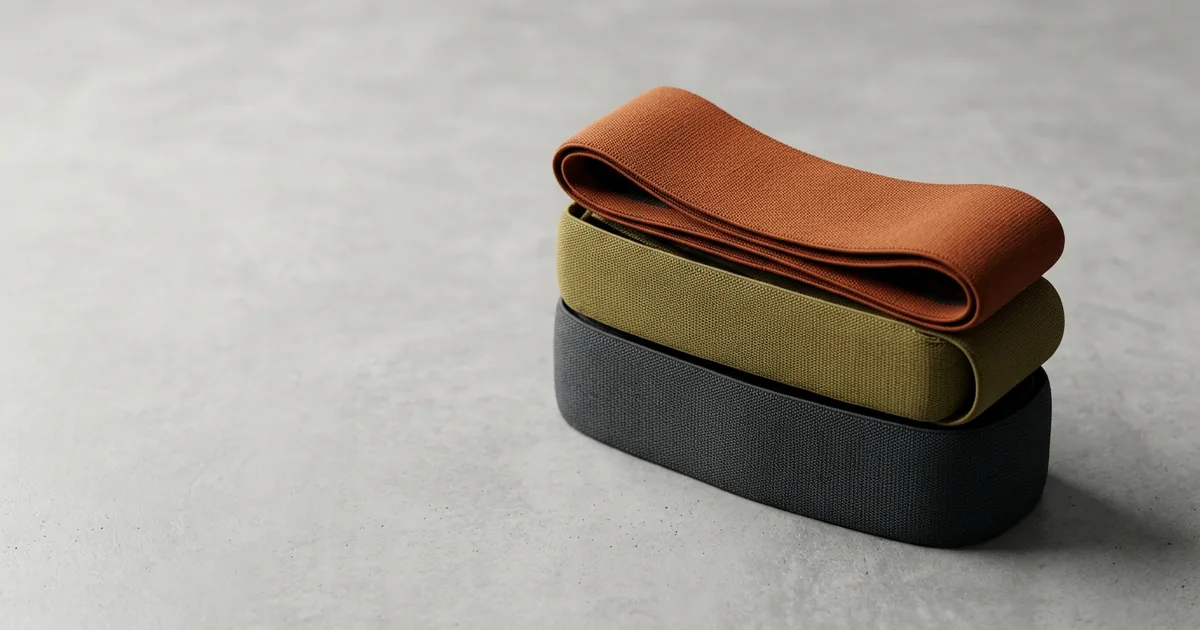
Last updated: September 16, 2026 A single resistance band folds into a bag smaller than a water bottle and delivers