
Last updated: September 23, 2026
The question every serious lifter eventually asks is: what are the best gym gloves for grip and comfort? The honest answer is that it depends on your hand size, your training style, and how much your palms sweat under load. But there is a clear formula that separates a glove that lasts through years of pulling, pressing, and gripping from one that falls apart after three sessions. This guide breaks down that formula in full detail, so you can buy once and train without thinking about your hands again.
Grip failure is one of the most underrated limiters in strength training. You can have perfect form on a deadlift or a pull-up, but if your grip gives out before your target muscle does, the set ends early. Gym gloves exist to solve two problems at once: they protect your skin from calluses and tears, and they give you a more secure hold on the bar, handle, or plate. The best ones do this without adding bulk, without trapping heat, and without shifting mid-set.
Most buyers treat “grip” and “comfort” as one feature, but they are solved by different parts of the glove. Grip comes from the palm material, its texture, and how well it manages moisture. Comfort comes from the fit, the padding thickness, the seam placement, and how the glove breathes over a 60-90 minute session. A glove can have an aggressive silicone palm for grip but still feel terrible if the padding bunches up under your fingers or the wrist strap digs into your skin.
When you evaluate any pair of gym gloves for grip and comfort, separate your judgment into these two categories. Test the palm against a bar or dumbbell handle first. Then put the glove on and make a fist, extend your fingers fully, and rotate your wrist. If either test fails, the glove will fail you mid-workout, usually during your heaviest set of the day.
A glove that looks good on a shelf but slips during a heavy pull can cause more than a missed rep. Sudden grip loss on a barbell row or a pull-up can lead to a dropped bar, a wrist tweak, or a strained shoulder from overcompensating. On the comfort side, a poorly fitted glove causes blisters, hot spots, and numbness in the fingers from cutting off circulation. Neither of these is a minor inconvenience. Both take you out of training for days.
Grip performance comes down to three variables: palm material, texture pattern, and moisture control. Get all three right and the glove will feel like an extension of your hand rather than a barrier between you and the bar.
Leather, synthetic leather, and silicone-printed fabric are the three dominant palm materials on the market today. Each has a distinct feel and a distinct lifespan.
A flat, smooth palm slides. A textured palm bites into the bar. Look for gloves with a raised grid, honeycomb, or ridged silicone pattern across the areas that actually touch the bar during a grip, not just decorative texture near the edges. The pattern should extend from the base of the fingers down through the palm, since your grip contact point shifts depending on the exercise. A deadlift grip sits lower in the palm, while a pull-up grip sits higher near the fingers.
Sweat is the number one reason gloves lose grip mid-set. A glove with poor moisture management turns a firm grip into a slippery one by rep six. Two things solve this: breathable back-of-hand mesh that lets heat escape, and a palm material that performs even when damp. This is exactly why silicone-printed palms have overtaken plain leather in most performance gloves sold in the UAE and KSA market, where gym temperatures and humidity are consistently higher than in cooler climates.
Comfort is where most cheap gloves fail. A glove can grip like a vice and still be unusable if it does not fit the shape of your hand or breathes poorly during long sessions.
Padding protects your palm from calluses and pressure points, but too much padding reduces your feel for the bar and can actually reduce grip strength because it adds distance between your hand and the object you are holding. The best padding sits at 2-4mm, placed specifically under the areas that contact the bar: the base of the fingers and the center-to-lower palm. Padding across the entire palm, including the fingers, tends to feel bulky and restricts natural hand movement during pressing and pulling motions.
The back of the hand should use a stretch mesh or perforated fabric, not solid material. This is where heat builds up fastest during a session, and a glove that traps it will feel damp and heavy by your third exercise. Mesh backing also allows the glove to flex naturally with your knuckles, which matters during pressing movements like bench press or overhead press where your hand extends and contracts repeatedly.
A wrist strap is not just for looks. On heavy pressing and pulling movements, a snug wrist wrap prevents the glove from riding up and adds a small amount of joint stability. Look for a strap that is adjustable, not fixed, so you can tighten or loosen it depending on the exercise. A strap that is too tight restricts blood flow and causes numbness in the fingers within minutes. A strap that is too loose defeats the purpose entirely.
Seams that run directly through the high-friction zones of the palm cause blisters faster than any other design flaw. Quality gloves place seams along the edges of the hand or between fingers, away from the primary contact points. Run your thumb across the palm before buying, if you feel a raised seam sitting where the bar will sit, that glove will cause problems within a few sessions.
Not every glove is built for every lift. Understanding the categories helps you pick gear that matches your actual training split instead of a generic “one glove fits all” approach.
These cover the entire hand, offering maximum palm protection and grip surface. They are the best choice for general gym training, circuit work, and anyone new to lifting who wants full coverage while calluses build up. The tradeoff is slightly reduced tactile feedback on smaller equipment like dumbbells or cable attachments.
The most popular style for serious lifters. Fingerless gloves protect the palm, which is where calluses and tears actually happen, while leaving the fingers free for better feel on the bar. This style is ideal for deadlifts, rows, pull-ups, and any movement where finger sensitivity affects your grip control.
These combine a fingerless glove with an integrated wrist wrap, giving you grip protection and wrist stability in one piece of gear. This is the strongest option for heavy pressing days, bench press, overhead press, and push-focused training where wrist position under load matters most.
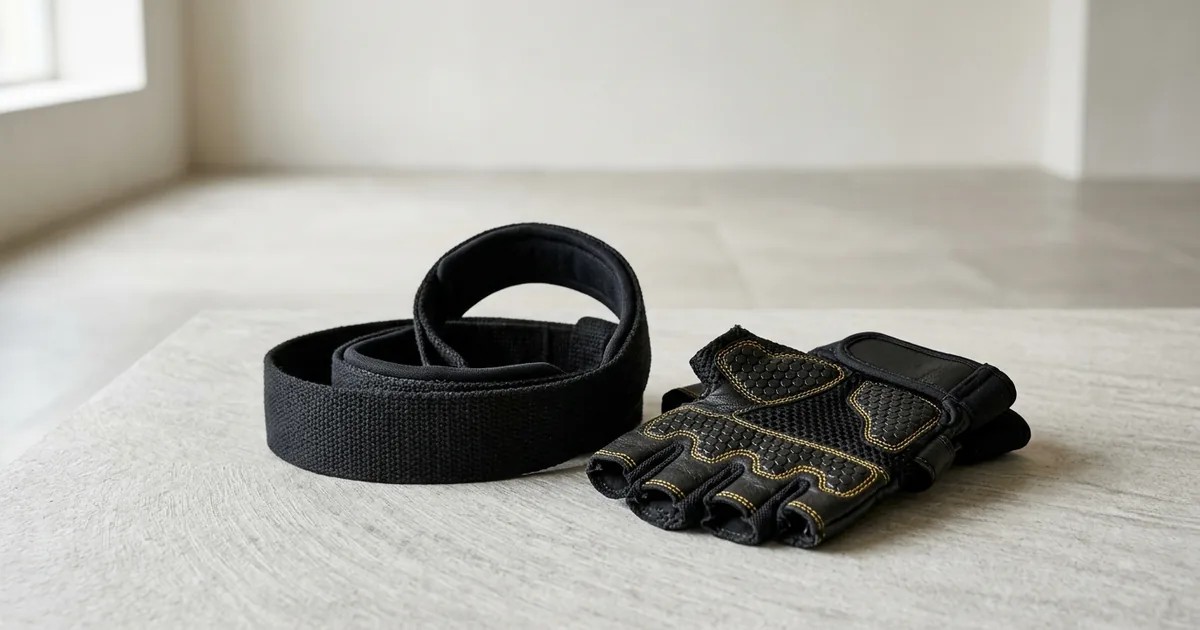
Straps are a different tool entirely. Instead of protecting your palm, they loop around the bar and your wrist to remove grip as the limiting factor on pulling movements like deadlifts and heavy rows. Many lifters use straps and gloves together, straps for the heaviest pulling sets, gloves for everything else. If you are building out a complete hand-protection setup, it is worth browsing a dedicated gym gloves and straps collection to compare both styles side by side rather than guessing which one solves your specific problem.
Rigid Fitness gear is built around three environments, gym, home, and travel. Gloves need to perform differently in each one.
Gym equipment sees hundreds of hands a day, so bar surfaces get worn smooth or, in older gyms, sticky and grimy. A durable silicone-palmed glove with strong grip texture compensates for equipment that has lost its factory knurling. Breathability matters more here too, since commercial gym floors in the UAE and KSA are often warmer and busier, meaning longer waits between sets and more accumulated hand sweat.
At home, your equipment is usually newer and better maintained, so grip demands are slightly lower, but comfort becomes the priority since you are likely training in a smaller, less climate-controlled space. A lightweight, breathable glove with moderate padding works best. Pair your home setup with recovery-focused gear too, a vibration platform for post-session muscle recovery fits naturally into a home training routine alongside proper hand protection.
Portability is the deciding factor here. A compact, lightweight glove that folds flat in a gym bag without losing its shape is essential. Look for gloves with minimal rigid padding and a simple wrist closure that will not snag on other gear in your bag. Since travel training often means hotel gyms with inconsistent equipment quality, a strong grip palm becomes even more important, you cannot control the bar’s condition, but you can control your hand’s grip on it.
Sizing is where most online glove purchases go wrong. A glove that is too large will bunch up in your palm exactly where you need firm contact with the bar. A glove that is too small will restrict finger movement and cut circulation during extended sets.
Wrap a soft tape measure around the widest part of your palm, excluding the thumb, and match that measurement against the brand’s size chart. Do not size based on your shirt or jacket size, hand width does not correlate directly to overall body size. If you are between two sizes, size down for gloves with stretch-mesh backing, since these materials flex to accommodate a slightly snugger initial fit. Size up for gloves with rigid leather palms, since leather does not stretch and a tight fit will only get tighter as the material breaks in.
Before buying, or immediately after unboxing, make a full fist while wearing the glove. There should be no excess material bunching at the base of the fingers, and the padding should stay flat against your palm rather than folding. If you can fit more than a fingertip’s width of slack at the wrist strap when fully closed, the size is too large.
| Material | Grip in Sweat | Break-in Time | Durability | Best For |
|---|---|---|---|---|
| Full Leather | Moderate | Long | High | Heavy, frequent lifters who don’t mind a break-in period |
| Synthetic PU | Moderate | Short | Moderate | General gym use, lighter training loads |
| Silicone-Printed | High | None | High | Sweaty conditions, heavy pulling and pressing |
| Mesh/Fabric Blend | Low-Moderate | None | Low-Moderate | Light cardio, circuit training, warm-ups |
Gloves that are cared for properly outlast gloves that are simply worn until they fall apart. Sweat and oil from your skin break down both leather and synthetic materials over time if left untreated.
Let the gloves air out fully before storing them in a closed bag. Trapping moisture inside a gym bag accelerates material breakdown and creates odor that is difficult to remove later. Wiping the palm down with a dry cloth after each session removes surface sweat and chalk residue before it dries into the material.
Spot clean with a damp cloth and mild soap, avoiding full submersion for leather gloves since water breaks down the material’s structure over repeated soakings. Synthetic and mesh gloves generally tolerate a gentle hand wash better than leather, but always check the specific care instructions for your pair. Keeping a dedicated gym towel nearby helps here too, wiping down your hands and gear immediately after a set keeps sweat from soaking into your gloves in the first place. A set of gym bench towels with an anti-slip hood is a simple addition that protects both your gloves and the bench surface during heavy sessions.
Most gloves used 4-5 times a week in serious training need replacing every 6-12 months, depending on material quality and how well they were maintained between sessions.
A sleek design says nothing about how a glove performs under a loaded barbell. Always check palm material and padding placement before color or brand styling.
Fixed, non-adjustable straps cannot adapt to different exercises or swelling that naturally happens in your hands during a long session. Adjustable straps give you control that fixed designs simply cannot match.
Thick padding feels protective in the store but reduces bar feel and can actually increase grip fatigue since your hand works harder to compensate for the lost surface contact. Moderate padding at the right pressure points beats maximum padding everywhere.
Buying a glove without checking hand measurements against the size chart is the single biggest reason for returns. Always measure first.
A glove that looks tough but has zero mesh paneling will feel unbearable after 45 minutes in a warm gym. Ventilation is not optional in the climate most Rigid Fitness customers train in.
Lifters often ask whether gloves, chalk, or straps is the better grip solution, but each serves a different purpose and many serious trainers use more than one depending on the day.
For most people asking what are the best gym gloves for grip and comfort, the answer is a well-built fingerless or wrist-wrap glove for daily training, supplemented by straps on your heaviest pulling days when grip becomes the true bottleneck.
Gloves are one part of a bigger training system. Pairing the right hand protection with the right recovery tools makes a measurable difference over weeks and months of consistent training. After a heavy session, rehydrating properly matters as much as the lift itself, and having a reliable electric protein shaker bottle ready in your bag keeps your post-workout routine as efficient as your training gear. If you are updating your full kit at once, it is worth checking the latest arrivals to see what has just landed across gloves, recovery tools, and portable gear built for gym, home, and travel use.
What are the best gym gloves for grip and comfort comes down to matching palm material, texture, padding, and fit to how and where you actually train. A silicone-reinforced palm solves grip in sweaty conditions, moderate padding at the right pressure points solves comfort without killing bar feel, and an adjustable wrist strap ties the whole system together across gym, home, and travel sessions. Measure your hand properly, test the fist and fit before locking in a size, and maintain the gloves after every session so they last. Get these fundamentals right and your hands stop being the weak link in your training.
Look for gloves with a silicone-printed palm rather than plain leather or fabric. Silicone maintains its grip texture even when damp, while smooth leather and mesh lose traction quickly once sweat builds up. Pair this with a breathable mesh backing so heat escapes and your hands stay drier for longer.
Fingerless gloves are better for most strength training since they protect the palm, where calluses actually form, while keeping your fingers free for better bar feel on deadlifts, rows, and pull-ups. Full-finger gloves suit general gym use and beginners who want complete hand coverage while their skin toughens up.
Snug enough to keep the glove from shifting during a heavy set, but loose enough that you don’t feel numbness or tingling in your fingers within the first few minutes. Always choose an adjustable strap over a fixed one so you can fine-tune the fit for different exercises.
They serve different purposes. Gloves protect the skin and add grip texture, but straps remove grip almost entirely as a limiting factor by looping around the bar and wrist. Many lifters use gloves for general training and switch to straps on their heaviest pulling sets.
With regular use of 4-5 sessions a week, expect to replace gloves every 6-12 months. Replace sooner if the palm texture has worn smooth, the padding has flattened, seams are fraying, or the wrist strap no longer holds its adjustment during a set.
آخر تحديث: 23 سبتمبر 2026 تنتهي الحصة التدريبية لكن التعب العضلي يبقى لأيام، وهذا بالضبط ما يجعل جهاز تحفيز العضلات
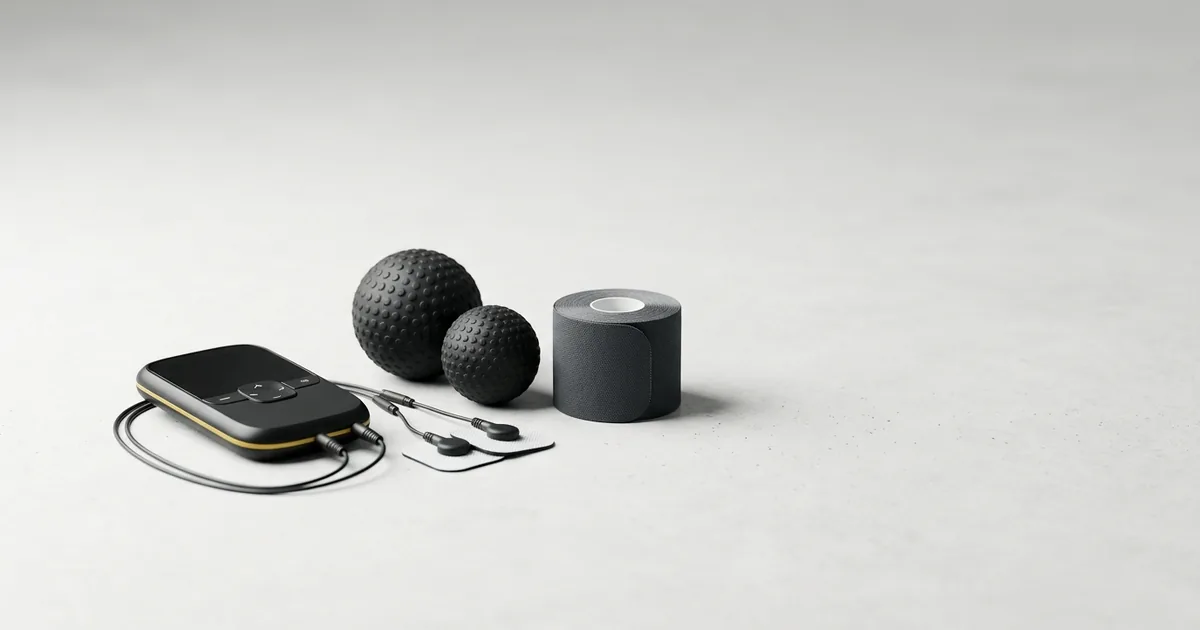
Last updated: September 20, 2026 Fitness culture across the UAE and KSA has moved past the treadmill-and-dumbbell basics. Today’s Gulf
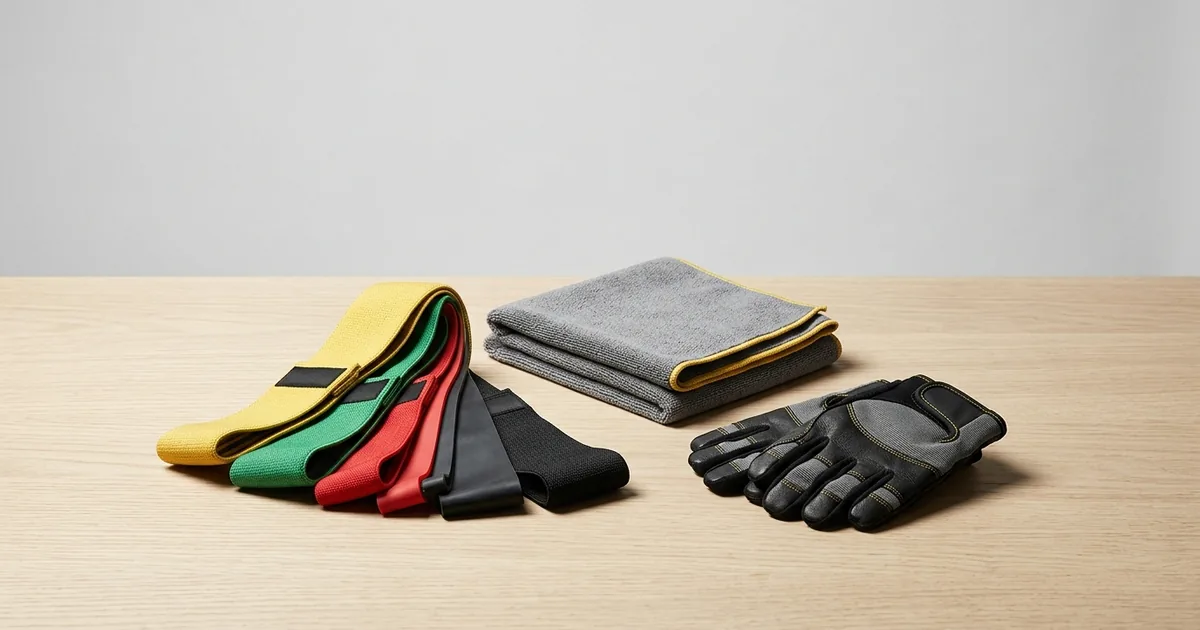
Last updated: September 13, 2026 An outdoor gym is not a park bench and a pull-up bar anymore. In 2026,