

Last updated: October 7, 2026
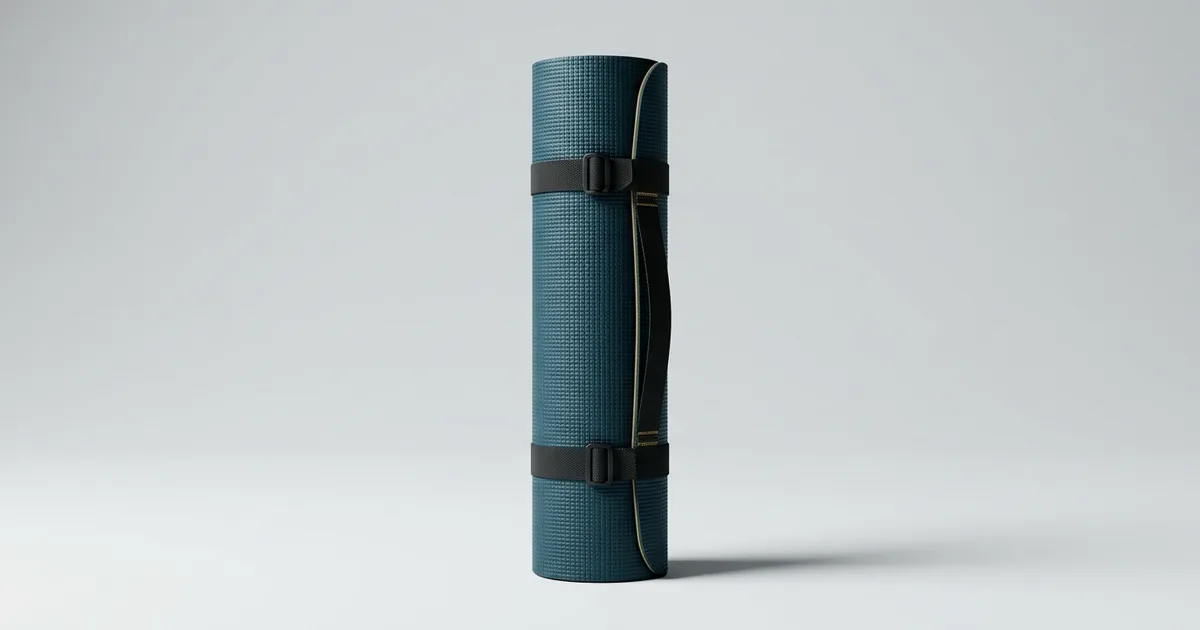
A workout mat is the one piece of gear that touches every session you do, yet it gets picked last and thought about even less. The wrong mat slides on tile, bunches up under your feet during burpees, or turns into a sweaty, odor-trapping sponge within three weeks. The right workout mat for home gym use disappears under your training and lets you focus on the work, not the surface. This guide breaks down every type, material, thickness and use-case so you buy once and buy correctly.
In the UAE and KSA, most home training happens on marble, tile, polished concrete or thin apartment carpet. None of these surfaces are built for impact, grip, or joint protection. A mat is not a styling accessory, it is the interface between your body and the floor. It affects:
Skipping this decision usually means replacing a mat every few months, or worse, training on a surface that quietly works against your joints every single session.
Not every mat marketed for fitness is built for the same job. Matching the type to your training style is the single biggest factor in getting long-term value out of it.
These are thin, lightweight mats designed for grip-focused, low-impact movement. They excel at yoga, pilates, stretching, mobility work and bodyweight flows where foot and hand contact with the floor matters more than cushioning. They roll up small, which makes them the easiest category to travel with.
Built for floor-based strength work, core training, HIIT circuits and home workouts that mix standing and ground movements. The added thickness protects knees and elbows during burpees, mountain climbers and floor presses, while still being firm enough that you do not sink and lose stability during planks or push-ups.
These modular tiles are the standard choice for building a permanent home gym zone or a garage setup. They cover large areas, are easy to replace tile-by-tile if one section wears out, and provide consistent floor protection under heavier gear like dumbbells, kettlebells or a vibration platform. If you are setting up a dedicated training corner, interlocking tiles are usually the most practical long-term flooring decision, not just a mat on top of existing flooring.
Designed to fold flat rather than roll, these fit into a suitcase or gym bag without adding bulk. They sacrifice some thickness for packability, making them ideal for anyone who trains in hotel rooms, visits a second home, or wants a consistent surface on every trip. For anyone building a portable training kit, this is the category worth prioritizing alongside compact gear like a beaded jump rope that also folds flat for a suitcase.
A smaller category built with textured surfaces, acupressure points or added density for stretching, cooldowns and myofascial work. These are not meant to replace a primary training mat but to complement a recovery routine after heavier sessions.
Thickness alone does not make a good mat. The combination of material, density, surface texture and size determines whether a mat earns a permanent place in your routine or ends up rolled in a corner after a month.
Thicker is not automatically better. A mat that is too thick becomes unstable under standing exercises like lunges or single-leg balance work, because your foot sinks slightly and throws off alignment. A mat that is too thin will not protect knees and elbows during floor-based strength work.
A mat that looks fine dry and slides the moment you sweat is a safety issue, not a minor inconvenience. Look for a textured, closed-cell top surface rather than a smooth finish, especially if your sessions involve HIIT, circuit training or anything performed barefoot in UAE heat where sweat output is higher even indoors.
Standard mats run roughly 170-185cm long and 60-66cm wide, enough room for most body types during floor exercises. If you are tall or do a lot of full-extension movements like mountain climbers or rollouts, check the length specifically. For portability, weight matters as much as thickness, a mat that is great at home but too heavy to carry defeats the purpose of a travel setup.
A mat that absorbs sweat instead of repelling it will start smelling within weeks in a hot, humid climate. Closed-cell materials like TPE and PVC wipe clean easily. Open-cell foams feel softer initially but trap moisture and degrade faster, which matters if you’re training daily rather than occasionally.
A home setup needs a mat that performs across multiple training styles since most people are not training the exact same way every session. The priority order for a home gym mat is: stability under mixed movement, floor protection, and ease of storage.
Home training is also where recovery habits get built. Pairing a dedicated mat with a consistent hydration routine, using something like an electric protein shaker bottle between sets, keeps a home session structured the same way a gym session would be.
If you train at a commercial gym or shared studio space, the calculus changes. You are not choosing flooring, you are choosing a personal layer of hygiene and consistency on top of equipment that hundreds of other people use daily.
A thinner, rollable mat in the 4mm-8mm range usually works best for this use case, paired with grip accessories like gym gloves and straps for sessions that combine floor work with lifting.
Travel training fails most often not because of motivation, but because the hotel room floor is either freezing tile or thin, scratchy carpet with no give. A dedicated travel mat solves this in under a minute of setup.
A compact travel kit built around a foldable mat, a beaded jump rope and a few resistance bands covers strength, cardio and mobility in a bag small enough for carry-on.
Look for a mat in the 10mm-15mm range with strong grip texture. HIIT sessions involve rapid directional changes, jumping and floor transitions where a sliding mat is a genuine injury risk, not a minor annoyance.
Thinner mats (4mm-6mm) with high-grip surfaces are standard because stability in balance poses depends on feeling the floor, not sinking into foam.
A denser 12mm-20mm mat protects elbows, knees and the spine during floor presses, glute bridges and core work, without the instability that comes from overly soft foam under a loaded barbell or dumbbell.
Slightly thicker, softer mats are more forgiving here since the priority is comfort over joint stacking or balance precision. This is also where a dedicated recovery mat separate from your main training mat starts to make sense if your budget allows it.
Climate matters more than most buying guides admit. In UAE and KSA conditions, sweat output during indoor training is often higher than people expect, even in air-conditioned rooms, and mats left rolled up damp develop odor and bacteria fast.
A mat performs best as part of a small, intentional kit rather than as an isolated purchase. A practical setup that covers gym, home and travel without clutter typically includes:
Check the new arrivals page for the latest additions to this kind of portable, multi-use training setup built specifically for Gym, Home and Travel.
Mat pricing is driven almost entirely by material and thickness rather than brand name. Entry-level NBR foam mats sit at the lower end of the price range, TPE mats sit in the middle for their balance of grip and weight, and natural rubber or thicker interlocking tile sets command a premium due to material cost and durability. All pricing on Rigid Fitness is listed in AED, making it straightforward to compare across the full range without currency conversion guesswork.
A workout mat is small gear with an outsized effect on how safely and consistently you train. The right thickness protects your joints without sacrificing stability, the right material handles sweat and heat without breaking down in a few weeks, and the right size matches your space whether that’s a home corner, a gym bag, or a carry-on suitcase. Choose based on where and how you actually train, not on thickness numbers alone, and a single good mat will outlast several cheap replacements while doing the job properly every single session.
For most mixed home training (strength, core, light cardio), 8mm to 12mm offers the best balance of cushioning and stability. Go thinner (4-6mm) if your sessions are mostly yoga or balance-focused, and thicker (15-20mm) if you’re training directly on marble or tile with heavy floor work.
TPE mats are generally better for UAE and KSA conditions because they’re lighter, offer stronger grip when sweaty, and resist moisture buildup well. PVC is more durable and easier to wipe down but can feel firmer and heavier for daily carrying.
You can, but a dedicated foldable travel mat is usually a better long-term choice. Rolled mats bulge awkwardly in luggage, while foldable mats pack flat and are typically lighter, making them easier to actually bring along consistently.
With daily use, expect to replace a budget foam mat every 6-12 months as it compresses and loses grip. Higher-density TPE, rubber or PVC mats, with proper cleaning and dry storage, can last two years or more before performance noticeably drops.
Yes. Marble and tile offer zero natural cushioning, so a thicker mat (15mm or more) or an interlocking tile setup is recommended to protect joints during floor exercises and to prevent scratches from dumbbells or kettlebells.

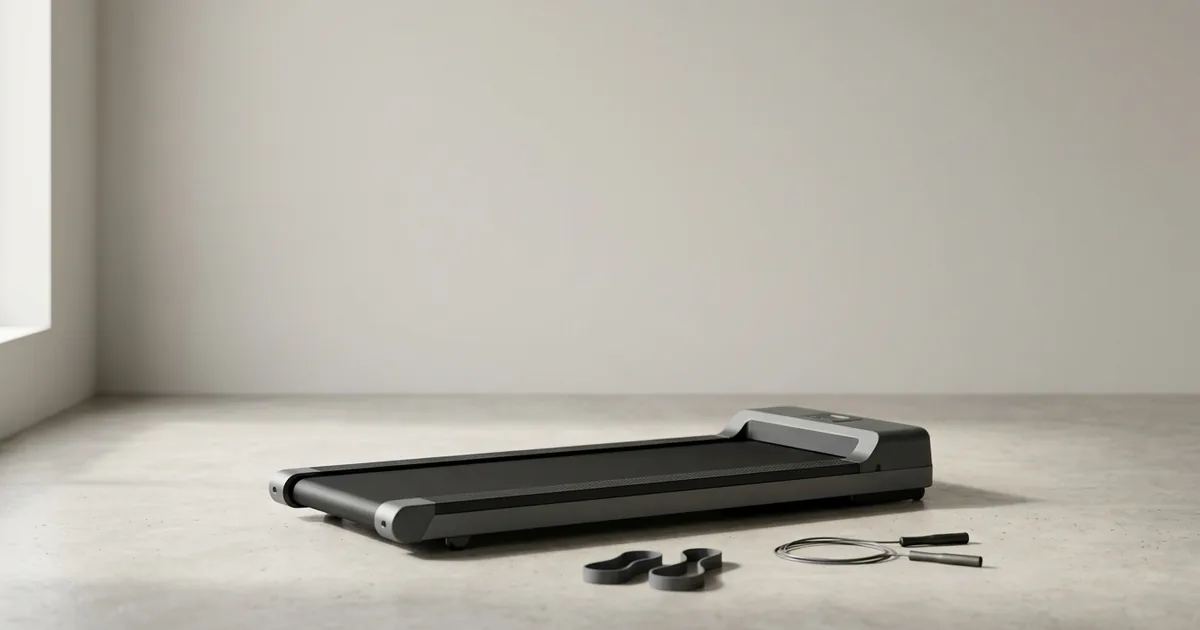
آخر تحديث: 7 أكتوبر 2026 جهاز المشي الصغير هو الحل العملي لمن يريد الكارديو اليومي دون التضحية بمساحة المنزل أو
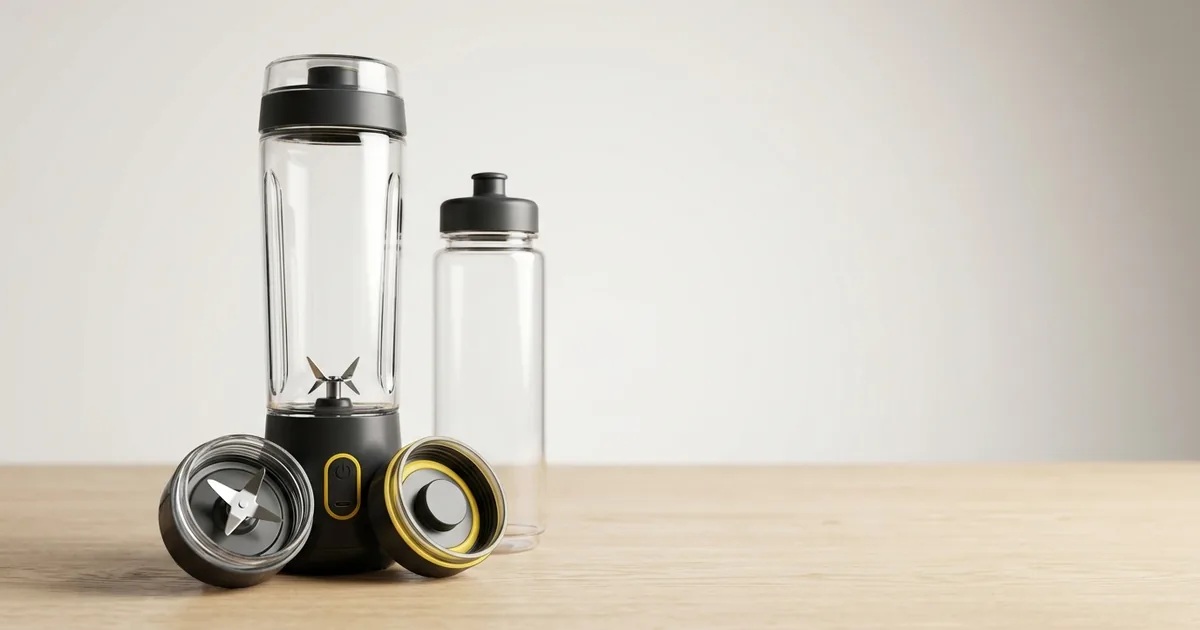
Last updated: October 7, 2026 A dual protein shaker bottle solves one problem that every serious lifter runs into eventually:
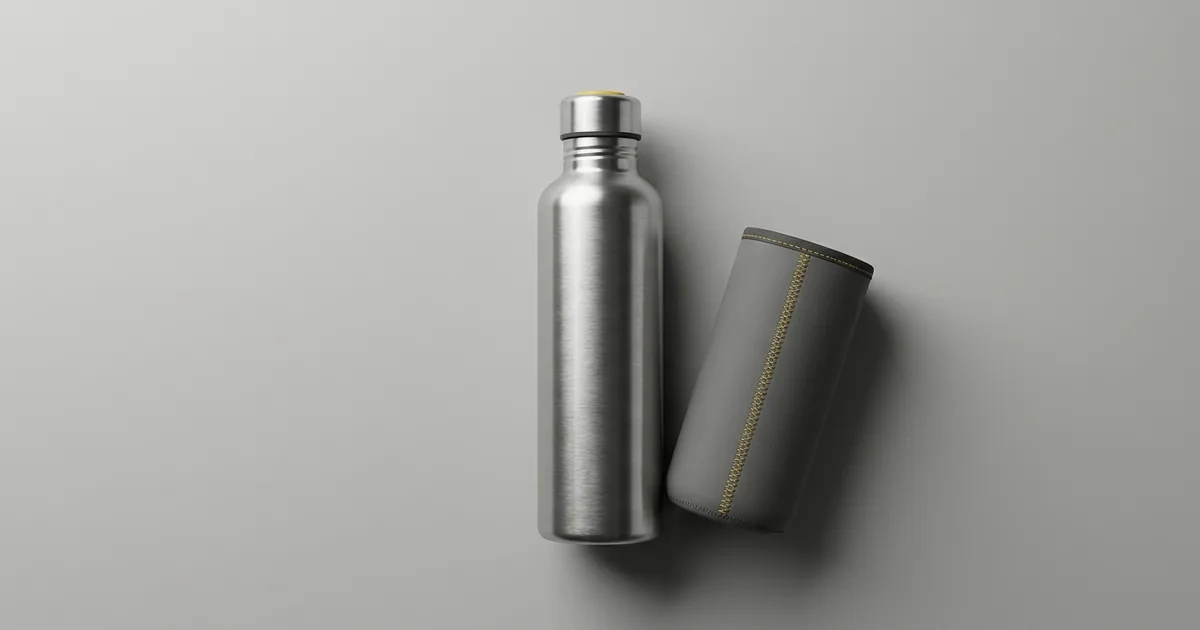
Last updated: October 4, 2026 A bad gym bottle costs you more than a few sips of water. It leaks