
Last updated: October 4, 2026
A bad gym bottle costs you more than a few sips of water. It leaks in your bag, cracks after two months, grows a smell you can’t scrub out, or sits empty because it’s too small for a real session. The right gym bottle disappears into your routine – you grab it, you drink, you train, you refill. This guide breaks down what actually separates a durable, functional bottle from one you’ll replace in six weeks, and how to pick one that matches your training style whether you’re lifting at the gym, training at home, or living out of a gym bag on the road.
Hydration directly affects strength output, endurance, and recovery. A drop of just 2% in body water can reduce performance in strength and cardio sessions. In the UAE and KSA climate, that drop happens faster than most people realize, especially during outdoor training, early morning runs, or sessions in gyms without strong air conditioning. A gym bottle isn’t an accessory. It’s part of your training setup, the same way your shoes or your grip gear is.
The problem is most bottles sold as “gym bottles” are repurposed sports bottles never built for the demands of serious training. They’re not leak-proof under movement, they don’t hold enough volume for a full session, and they’re awkward to drink from mid-set. A bottle designed for training solves all three.
Not every bottle is built for the same job. Understanding the categories helps you avoid buying the wrong one for your training style.
The most common type. A single push-button lid, wide mouth for fast drinking, usually made from BPA-free plastic or Tritan. Good for general training, easy to clean, lightweight to carry. The tradeoff is less insulation, so your water warms up faster in a hot car or outdoor session.
Built for quick sips between sets without tilting your head back. Useful during heavy lifts, HIIT circuits, or when you’re wearing a mouthguard or have limited time between rounds. The straw mechanism means more parts to clean, so hygiene discipline matters more here.
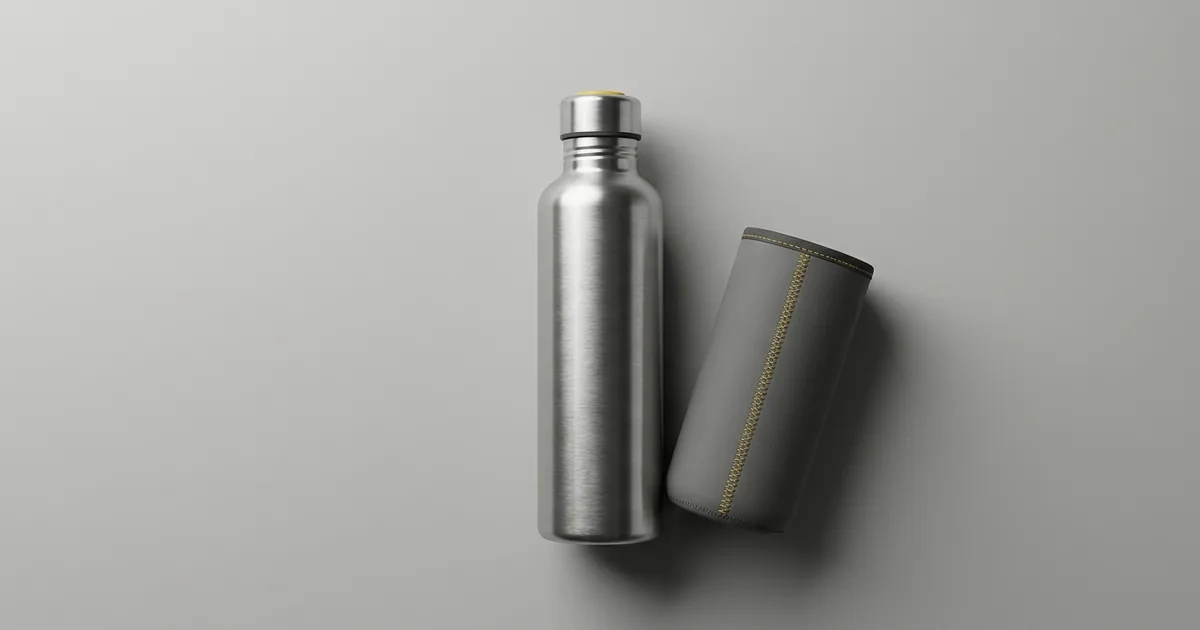
Double-wall vacuum insulation keeps water cold for 12-24 hours depending on the brand and wall thickness. These are heavier but far more durable, resist dents, and don’t hold onto odors the way plastic can over time. Best for anyone training outdoors, doing long sessions, or living somewhere hot for most of the year, which covers most of the UAE and KSA calendar.
Built specifically for mixing protein, pre-workout, or BCAAs, not just plain water. They include a mixing mechanism (ball whisk or mesh) to break down powder clumps. A standard shaker won’t substitute for a hydration bottle during a session, but it’s essential for pre- and post-workout nutrition.
A newer category that removes the need to shake manually. A motorized blending disc inside the bottle mixes powder at the press of a button, giving you a smoother, clump-free shake in seconds. If you’re tired of lumpy protein shakes or you travel often and want one bottle that handles both mixing and drinking, the electric protein shaker bottle is built for exactly this. It’s rechargeable, portable, and removes the mixing step entirely from your post-workout routine.
Price tells you very little about a gym bottle’s actual performance. These are the details that matter.
Most people under-buy on capacity, then end up refilling mid-session and losing training momentum. A rough guide:
Check the lid mechanism, not just the marketing claim. A bottle that leaks in a gym bag ruins your gloves, your phone, and your towel. Silicone gaskets around the lid thread are a good sign. Flip-tops with a secondary locking mechanism are more reliable than a simple snap-close.
Wide-mouth bottles are easier to fill with ice, easier to clean by hand, and faster to drink from during short rest periods. Narrow-mouth bottles fit better in bag side pockets and cup holders but take longer to clean thoroughly.
Look for BPA-free, BPS-free plastic, food-grade Tritan, or 18/8 stainless steel. Avoid bottles with no material certification listed, especially cheap imports with no labeling. Powder-coated exteriors on steel bottles also help with grip when your hands are sweaty or chalked.
A 1L steel bottle full of water can weigh close to 1.2kg. If you’re already carrying a gym bag with gloves, straps, and a change of clothes, that weight adds up. Plastic and Tritan options stay lighter, which matters if you’re walking or cycling to the gym.
Textured sides, a finger loop, or a carabiner clip point make a bottle easier to carry outside your bag, clip to a backpack, or hold during outdoor runs. If you travel with your training kit often, this small detail saves a lot of friction.
These three get lumped together but serve different purposes, and the confusion leads people to buy the wrong product.
| Type | Best For | Limitation |
|---|---|---|
| Standard Gym Bottle | Plain water hydration during training | Not built for mixing powder smoothly |
| Manual Shaker Bottle | Pre/post-workout protein and supplements | Requires vigorous shaking, often leaves clumps |
| Electric Shaker Bottle | Fast, clump-free mixing on the go, dual-use for shakes and hydration | Needs charging, slightly heavier than a basic shaker |
If you only buy one bottle and want it to cover both hydration and supplement mixing without carrying two separate bottles, the electric shaker is the more practical long-term choice. It solves the single biggest complaint people have with manual shakers, which is inconsistent mixing and leftover powder clumps at the bottom.
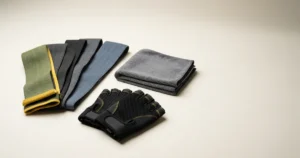
You need something that survives being tossed in a locker, clipped to a bag, and refilled at a water station multiple times a session. A 750ml-1L flip-top or straw-top bottle with a secure seal is the standard choice. If you also use grip gear during your session, pairing your bottle setup with proper gym gloves and straps keeps your hands protected on the bar while your bottle stays within reach on the rack.
At home, weight and portability matter less, so a larger insulated bottle (1L-1.5L) makes sense since you’re not carrying it anywhere beyond your own space. If your home setup includes recovery tools like a vibration platform for pre-workout activation or post-session recovery, keep your bottle within arm’s reach since these sessions often run longer than a typical gym circuit and dehydration creeps up without you noticing.
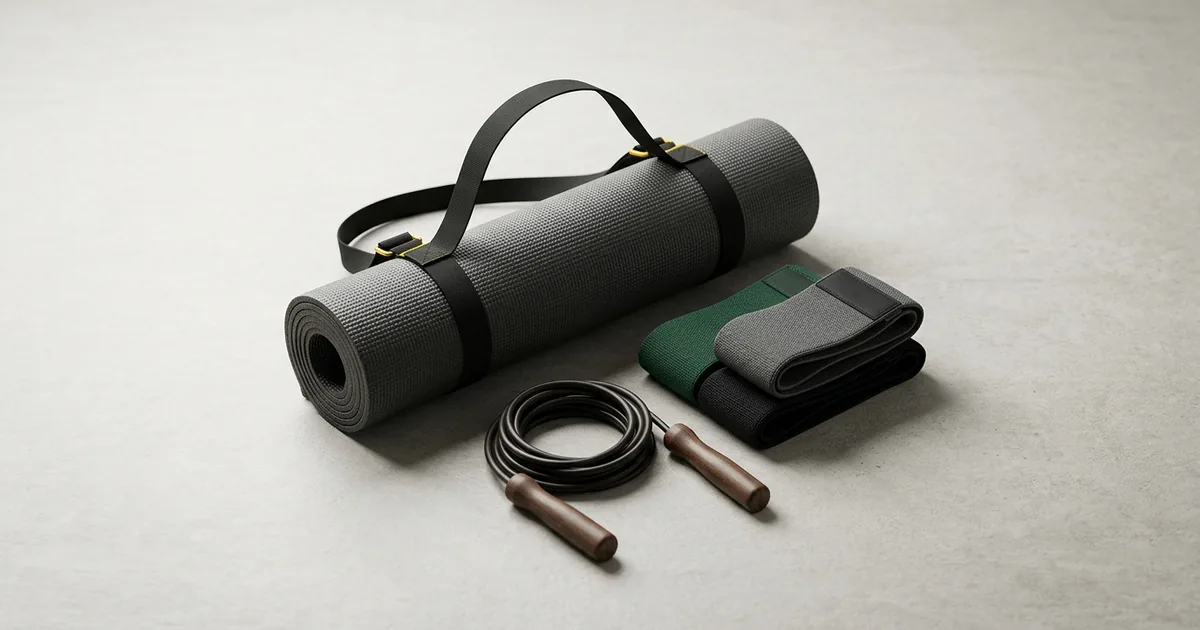
Travel is where most bottles fail. Checked luggage, hotel gyms, airport security, and inconsistent climate all put stress on a bottle’s seal and durability. A compact, leak-proof bottle under 750ml with a secure lid is the safer choice for carry-on travel. If your training includes bodyweight circuits or rope work in a hotel room, a adjustable jump rope packs flat and pairs well with a compact bottle setup, giving you a full portable training kit that fits in a carry-on without adding real weight.
Pros: Doesn’t absorb odors or flavors, resists denting, keeps liquid cold for hours with double-wall insulation, no plastic taste.
Cons: Heavier, higher price point, can dent if dropped on concrete repeatedly, not microwave safe.
Best for: Long-term use, hot climates, anyone who wants one bottle to last years rather than months.
Pros: Lightweight, inexpensive, often dishwasher safe, wide variety of shapes and lid styles.
Cons: Can retain odors over time, scratches easier, less insulation, shorter lifespan under daily gym use.
Best for: Budget-conscious buyers, beginners, or as a secondary bottle for light use.
Pros: BPA-free, more impact-resistant than standard plastic, stays clear and doesn’t yellow with use, lighter than steel.
Cons: No insulation unless combined with a double-wall design, costs more than basic plastic.
Best for: People who want durability and clarity (so you can see fill level and cleanliness) without the weight of steel.
A gym bottle is a daily-use item exposed to sweat, bacteria from hands, and sometimes protein residue. Poor maintenance is the fastest way to ruin even a high-quality bottle.
A bottle that looks premium but has a weak lid seal or narrow mouth will frustrate you within a week of real training use. Function first, aesthetics second.
Too small and you’re interrupting sets to refill. Too large and you’re carrying unnecessary weight for short sessions. Match the size to your actual training duration, not what looks impressive on a shelf.
Skipping insulation in a hot climate is one of the most common oversights. A non-insulated bottle left in a car or gym bag in UAE or KSA summer heat can reach uncomfortable drinking temperatures within an hour.
Trying to use a single manual shaker for both plain water hydration and protein mixing usually means a bottle that does neither job well. Separating hydration and nutrition, or upgrading to an electric shaker that handles both cleanly, solves this without adding bulk to your bag.
Gym bottle pricing in the UAE and KSA market generally breaks down like this:
Paying more usually buys you a better seal, longer material lifespan, and temperature control. It rarely buys you a meaningfully better drinking experience beyond those functional upgrades, so don’t assume the most expensive option is automatically the best fit for your training.
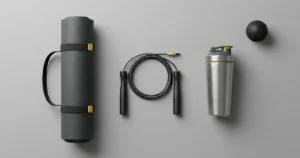
A gym bottle works best as part of a setup, not as an isolated purchase. If you’re building a kit that moves easily between gym, home, and travel, think in terms of function stacking: hydration, hand protection, cardio, and recovery, all in gear that packs down small.
For anyone updating their full kit, browsing the latest gear arrivals is a fast way to see what’s current without digging through outdated listings.
The best gym bottles for training aren’t the flashiest ones on the shelf, they’re the ones that match your session length, your climate, and your training location without demanding a second thought. Get the capacity and seal right, pick a material suited to how often you train, and keep hygiene consistent, and your bottle becomes one less thing standing between you and a finished workout. Whether you’re building a single-bottle setup for the gym or a full portable kit for home and travel, the gear should disappear into the routine and let the training speak for itself.
For most strength training sessions lasting 45-75 minutes, a 750ml to 1L bottle covers hydration needs without adding unnecessary weight to your gym bag. If you train in hot conditions or do longer sessions, size up to 1L-1.5L.
Stainless steel insulated bottles last longer, resist odors, and keep water cold, making them better for hot climates and daily long-term use. Plastic or Tritan bottles are lighter and cheaper, better suited for occasional use or shorter sessions.
A standard flip-top bottle isn’t designed for mixing and usually leaves clumps. A dedicated shaker bottle or an electric shaker bottle gives a smoother, clump-free mix and is the better choice for pre- and post-workout supplements.
Rinse it after every use and let it air dry with the lid off. Do a deeper clean with a bottle brush and warm water or a vinegar soak at least once a week, especially for shaker bottles where residue builds up in the mixing mechanism.
Prioritize a compact size under 750ml, a secure leak-proof lid, and durable material that can handle being packed in a bag or checked luggage. Lightweight Tritan or hard plastic bottles are usually more practical for travel than heavier insulated steel options.

آخر تحديث: 4 أكتوبر 2026 أكثر خطأ يكرره من يعود إلى التمرين بعد انقطاع طويل هو محاولة استعادة نفس الأوزان
Last updated: October 4, 2026 If you’ve typed “best gym near me” into Google while sitting in Dubai Marina traffic
Last updated: September 30, 2026 A resistance band workout builds muscle, protects joints, and travels in a gym bag, all