Last updated: September 30, 2026
Searching “fitness gyms near me” in Riyadh, Jeddah, or Dammam pulls up a dozen options within a 10-minute radius. That is not the problem. The problem is that most people join the closest one, sign a 12-month contract, and quit training within eight weeks because the gym never fit their actual routine. Choosing a gym in KSA in 2026 is not about proximity alone. It is about matching location, gear, cost, and schedule to how you actually train.
This guide breaks the decision into a step-by-step process, so you walk into a trial session already knowing what to check, what to ignore, and what a fair price in AED looks like.
Why “Nearest Gym” Is the Wrong Starting Point
Distance matters, but it is the second filter, not the first. A gym that is five minutes away but has a two-hour queue for the squat rack every evening will cost you more time than a gym fifteen minutes away with open floor space at the hours you actually train. Before you look at a map, define what you are training for. Everything else, location, cost, gear, follows from that answer.
Step 1: Define Your Training Goal Before You Search
Every gym is built around a different type of training. Matching your goal to the right gym type saves months of wasted membership fees.
Strength and Hypertrophy
If your focus is lifting, you need a gym with a deep free-weight section, multiple squat racks, and platforms for deadlifts. Boutique studios in KSA cities often skimp here in favor of group classes. Commercial gyms with dedicated strength zones are usually the better fit.
General Conditioning and Fat Loss
If your goal is conditioning, cardio machines and functional training space matter more than a wall of barbells. Look for gyms with rowers, ski ergs, sleds, and open turf for interval work.
Hybrid Training (Gym + Home + Travel)
Most people in KSA now split their training across a commercial gym, home sessions, and hotel workouts on business trips. If this is you, the gym is only one piece of the system. You will still need portable gear that travels with you, which we cover later in this guide.
Step 2: Run a Location and Commute Audit
Once your goal is clear, filter gyms by real commute time, not straight-line distance.
- Time to gym, not distance to gym. A 3 km drive during Riyadh rush hour can take 25 minutes. Test the drive at the time of day you plan to train, not at midday.
- Parking reality. Malls and mixed-use towers in Jeddah and Riyadh often have gym parking shared with retail. Check availability at 6 PM and 9 PM specifically.
- Route consistency. A gym on your daily commute route gets used. A gym that requires a special trip gets skipped after week three. This is the single biggest predictor of long-term adherence.
Step 3: Evaluate the Gym Type
KSA’s fitness market in 2026 splits into three broad categories. Each has trade-offs worth knowing before you commit.
Large Commercial Gyms
Wide equipment selection, longer opening hours, and often 24/7 access in major cities. Best for lifters and people who train at odd hours. Downside: peak-hour crowding and less individual attention.
Boutique and Studio Gyms
Smaller footprint, class-based programming, strong community feel. Best for people who need structure and accountability. Downside: limited free-weight access and higher per-session cost.
Hotel and Compound Gyms
Convenient if you live in a serviced compound, but equipment is usually basic and inconsistent. Treat these as a backup, not a primary training location, and plan to bring your own gear to fill the gaps.
Step 4: Check Gear Quality and Variety, Not Just Machine Count
A gym’s marketing photos always show a packed weight floor. What matters is condition, not headcount. Walk the floor and check:
- Rack availability at your training time. Count how many squat/power racks exist versus how many people were training when you visited.
- Dumbbell range and condition. Chipped plates, missing weights, or a dumbbell rack that stops at 30 kg tells you the gym under-invests in strength training.
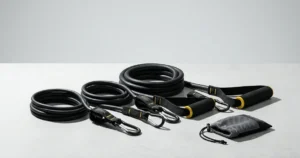
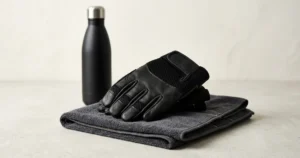
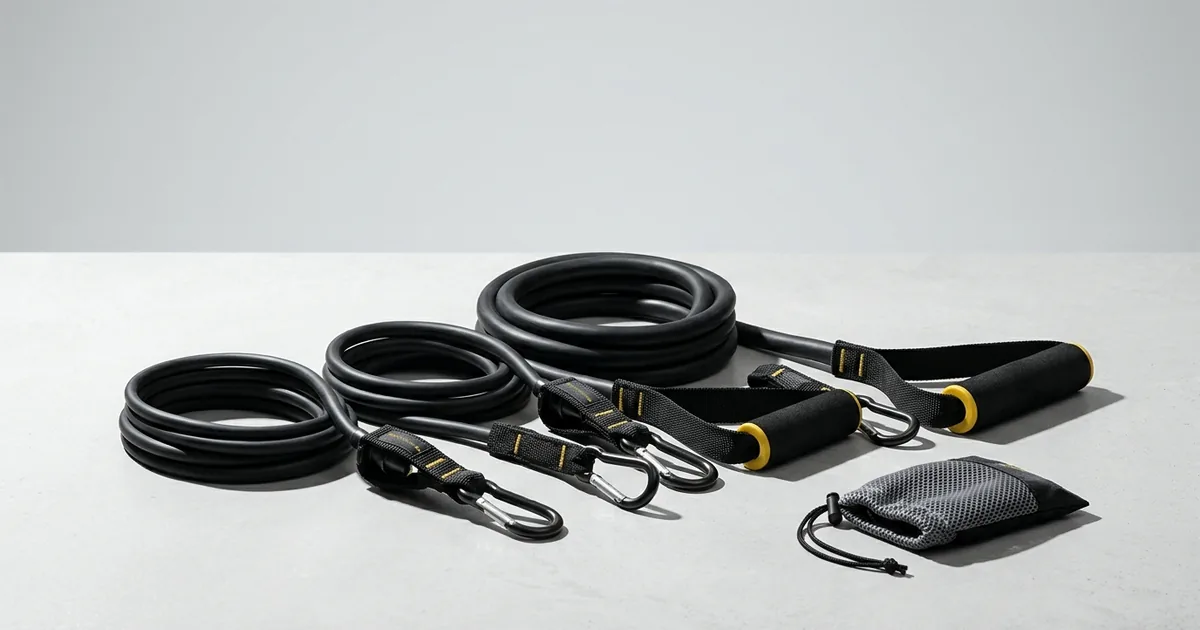
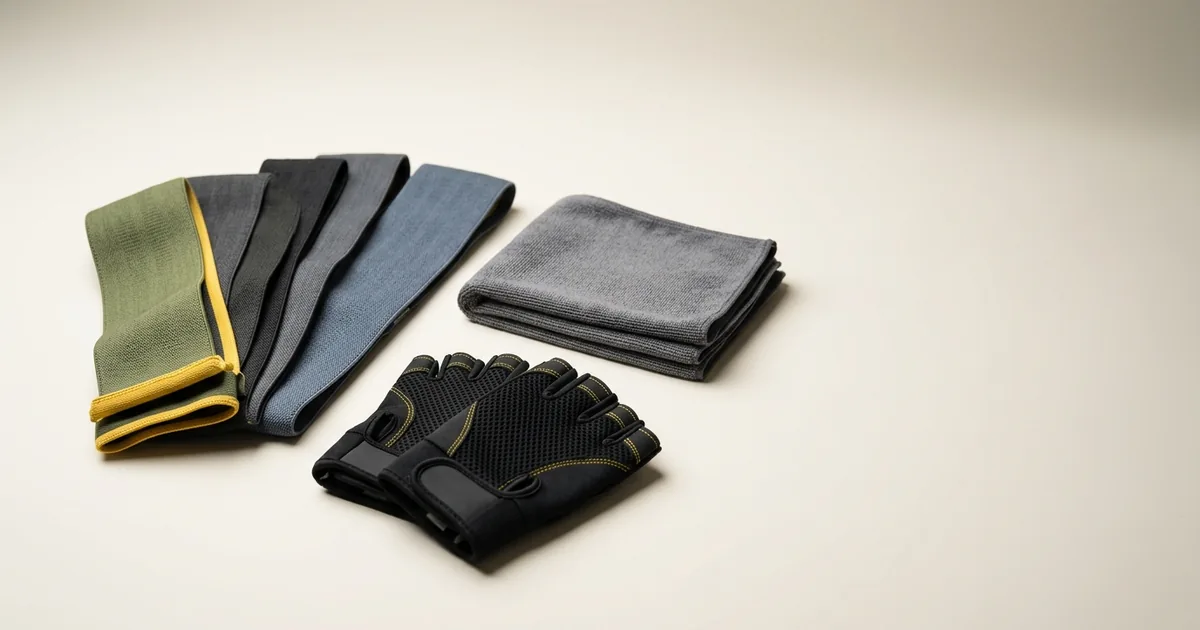
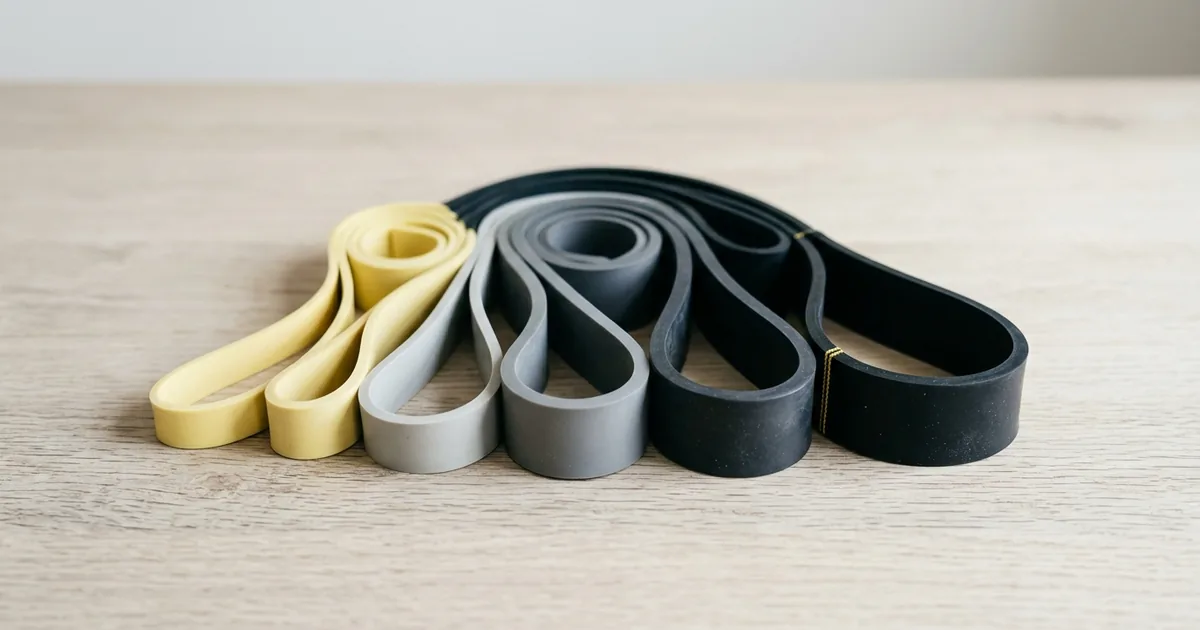
- Accessory gear. Bands, straps, and grip tools get worn out fast in high-traffic gyms. If the gym’s own gear looks worn, bring your own. A solid pair of gym gloves or lifting straps protects your grip and hands regardless of what the gym provides.
- Recovery zone. Foam rollers and stretching space are common. Vibration platforms and percussion tools are rarer. If recovery matters to your routine, a vibration platform at home covers what most gym floors skip entirely.
Step 5: Understand Membership Cost in AED
Pricing across KSA gyms varies widely, and the sticker price rarely tells the full story. Budget for these line items before comparing gyms:
- Base monthly fee. Commercial gyms typically range from AED 150 to AED 450 per month depending on city and tier. Boutique studios run higher, often AED 400 to AED 900 for class packages.
- Joining or registration fee. Many gyms charge a one-time AED 100 to AED 300 fee on top of the monthly rate. Always ask if this is negotiable or waived during promotions.
- Contract length penalties. A 12-month contract is usually 20 to 30 percent cheaper per month than rolling monthly, but locks you in if you relocate or change routines. Only commit long-term once you have completed a trial period.
- Personal training add-ons. A single PT session commonly runs AED 100 to AED 250 in KSA. If coaching is part of your plan, factor this into the real monthly cost, not just the base membership.
Step 6: Take a Trial Visit, and Actually Test It
Never sign a contract without training at least one full session at the gym, ideally at your normal training time. Use this checklist during the trial:
Peak Hour Reality Check
Visit between 6 PM and 9 PM on a weekday. This is when most KSA gyms hit capacity. If the floor is already crowded during your trial, it will be worse once your membership starts and you are competing with everyone else’s schedule too.
Staff and Coaching Quality
Ask a floor staff member a specific technical question, such as rack height adjustment for your height or spotting for bench press. A gym with knowledgeable staff on the floor is worth more than one with an empty front desk and unstaffed weight room.
Hygiene and Equipment Turnover
Check if wipe stations are stocked, if mats are cleaned between classes, and if machines are serviced regularly. A gym that lets equipment sit broken for weeks signals how it will treat member experience long-term.
Locker Rooms and Shower Facilities
If you train before or after work, shower quality and locker security are not optional extras. Test the water pressure and check locker size before committing.
Building a Hybrid Setup: Gym, Home, and Travel
Even the best gym in Riyadh or Jeddah will not cover every training day. Business trips, family commitments, and gym closures on public holidays all create gaps. The people who stay consistent are the ones who build a hybrid system instead of relying on one location.
What to Keep at Home
A compact home setup fills the gap on days you cannot reach the gym. A vibration platform is a strong addition for recovery and warm-up work in a small footprint, useful for apartment living where floor space is limited.
What to Pack for Travel
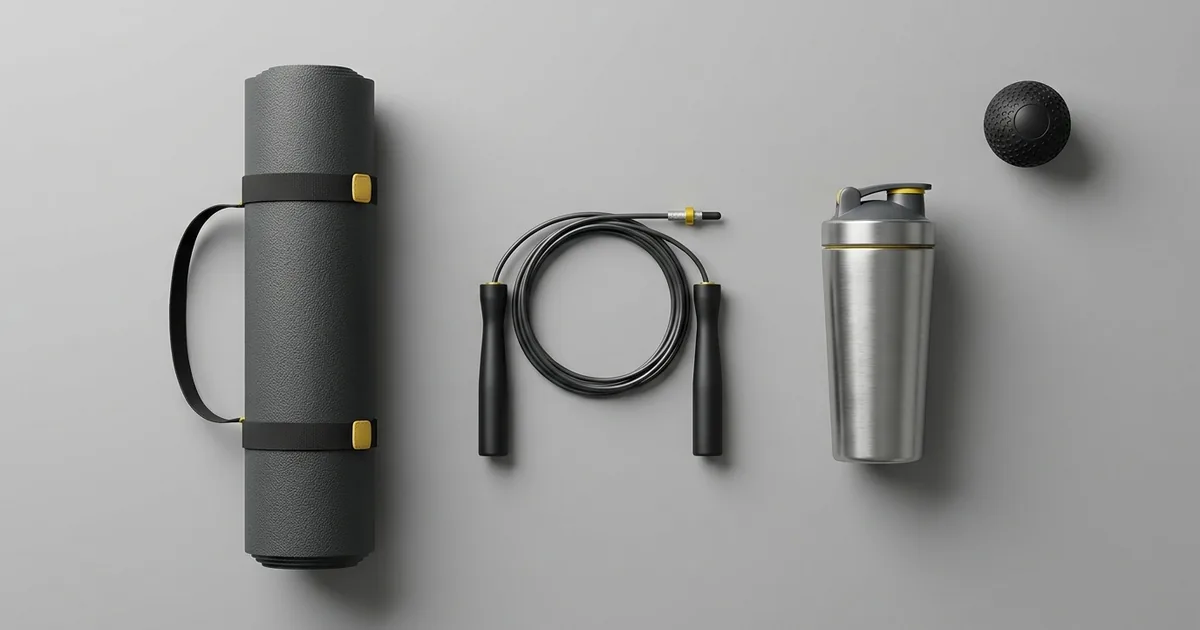
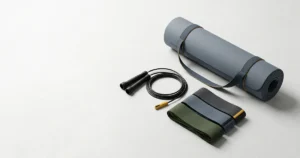
Hotel gyms are inconsistent across KSA and the wider GCC. A tangle-free adjustable jump rope packs flat, needs zero floor space, and delivers a full cardio session in a hotel room or compound courtyard when the gym downstairs has two treadmills and nothing else.
What to Bring to Every Session
Regardless of which gym you choose, some gear should travel with you every time. Grip support from gloves and straps protects your hands on high-rep days, and an electric protein shaker means post-workout nutrition is handled the moment you rack the last set, instead of waiting until you get home. Check the latest gear arrivals before your next gym trial, so your bag is ready before your first session.
Common Mistakes People Make When Choosing a Gym in KSA
Signing a Long Contract Before a Trial
Promotional pricing on annual contracts looks attractive, but locks you into a gym you have not tested at your actual training hours. Always trial first.
Ignoring Commute Time During Peak Traffic
A gym that looks close on a map can add 30 minutes each way during rush hour in Riyadh or Jeddah. Test the real commute before committing.
Choosing Based on Photos Instead of a Floor Visit
Marketing photos show empty, well-lit gyms. Reality is peak-hour crowding and equipment wear. Only a physical visit at your training time tells the truth.
Overlooking the Need for Portable Backup Gear
Relying entirely on one gym means every public holiday, maintenance closure, or travel week becomes a missed training week. A basic home and travel kit removes that dependency entirely.
A Quick Decision Framework
When comparing two or three shortlisted gyms, score each one on five factors: commute time at your training hour, rack and equipment availability during a peak-hour trial, real monthly cost including add-ons, staff knowledge, and hygiene standards. Whichever gym scores highest across all five, not just the cheapest or closest one, is the right choice.
Conclusion
Choosing fitness gyms near me in KSA comes down to five checks: your training goal, real commute time, gear quality at peak hours, true monthly cost in AED, and a trial visit before signing anything long-term. Pair the right gym with a small home and travel kit, and your training stays consistent regardless of gym crowding, holiday closures, or a business trip across the Kingdom.
Frequently Asked Questions
How much does a gym membership cost in KSA in 2026?
Commercial gym memberships typically range from AED 150 to AED 450 per month depending on city and tier, with boutique studios running AED 400 to AED 900 for class-based packages. Add a one-time joining fee of AED 100 to AED 300 in many cases, and factor in personal training at AED 100 to AED 250 per session if coaching is part of your plan.
Should I choose the closest gym or the one with the best gear?
Neither alone. Filter first by training goal and real commute time at your actual training hours, then evaluate gear quality and rack availability during a peak-hour trial visit. The closest gym only helps if it also supports the type of training you actually do.
How do I test a gym before signing a long contract?
Take a trial session at your normal training time, ideally between 6 PM and 9 PM on a weekday. Check rack and equipment availability, talk to floor staff, inspect locker rooms and hygiene standards, and only commit to a longer contract once the trial confirms the gym fits your schedule.
What gear should I bring to the gym regardless of which one I choose?
Bring gloves or lifting straps for grip support, and consider a portable shaker for post-workout nutrition. Keeping a small home setup, such as a vibration platform, and a packable jump rope for travel days covers the gaps a single gym membership cannot.
Is a boutique studio or a large commercial gym better in KSA?
Large commercial gyms suit lifters and people needing wide equipment access and long or 24/7 hours. Boutique studios suit people who want structured classes and stronger accountability but are willing to accept less free-weight access and a higher per-session cost.