
Last updated: October 28, 2026
A 40 square meter apartment is not an excuse to skip training, it’s a design constraint. The right home workout gear checklist for a small apartment is built on three non-negotiables: everything must fold, stack, or hide, everything must work on tile, marble, or thin carpet without waking the neighbors downstairs, and every single item has to earn its place by doing more than one job. This guide gives you that checklist, item by item, with real AED budgeting, room layouts for apartments across Dubai, Abu Dhabi, Riyadh, and Jeddah, and a training plan that proves the gear is enough.
Most workout gear is designed for garages, spare rooms, or commercial gyms, spaces with high ceilings, concrete floors, and nobody living below you. A studio or one-bedroom apartment in the UAE or KSA has none of that. You’re dealing with shared walls, management rules about noise after certain hours, limited storage, and floors that scratch or dent easily. Building a checklist for this environment means filtering out anything bulky, loud, or single-purpose before you even look at price.
This isn’t a downgrade from a full home gym. A well-chosen compact setup can deliver strength, conditioning, and mobility work that rivals a commercial membership, you just have to be deliberate about what you bring into the apartment.
Every item on this list should serve at least two training purposes. A single kettlebell replaces a dumbbell rack. A set of resistance bands replaces half a cable machine. If a piece of gear only does one exercise, it doesn’t belong in a small apartment, no matter how effective that one exercise is.
Dropping a barbell on a gym floor is normal. Dropping a kettlebell on tile at 9pm in an apartment building is a complaint to the building manager. Gear choice, flooring, and training style all have to account for sound transfer through floors and walls.
A product that performs 10% better but doesn’t fold, stack, or slide under a bed isn’t worth it in 50 square meters. Measure your actual storage space, under the bed, inside a wardrobe, behind a door, before buying anything heavier than a jump rope.
Marble and tiled floors in most Gulf apartments scratch and crack under dropped weights. Interlocking mats aren’t optional extras, they’re part of the core checklist.
This layer alone solves 80% of the noise complaints that come from apartment training. It also protects your security deposit from scratched tile or dented marble.
You don’t need a rack. You need a small number of adjustable, stackable tools.
This combination covers presses, rows, squats, hinges, and carries, the five movement patterns that build full-body strength, in a footprint smaller than a suitcase.
Running on the spot gets boring fast and treadmills rarely fit in small apartments. The checklist instead leans on tools that deliver cardio output without the floor space of a machine.
Rotating between these three keeps cardio sessions varied without ever needing a treadmill or exercise bike, both of which are almost impossible to store or move in a one-bedroom apartment.
Recovery gear is often the first thing skipped in a small space, but it’s usually the smallest and lightest category on the list.
A small apartment setup still needs the basics that support the training itself.
Dedicate one 2×2 meter corner, roll out the interlocking tiles only when training, and store the adjustable dumbbells and bands in a basket that doubles as furniture decor. This setup works well for apartments where the living room is also the entertaining space, since everything packs away in under two minutes.
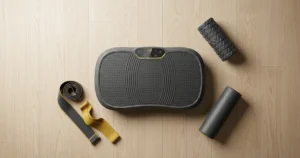
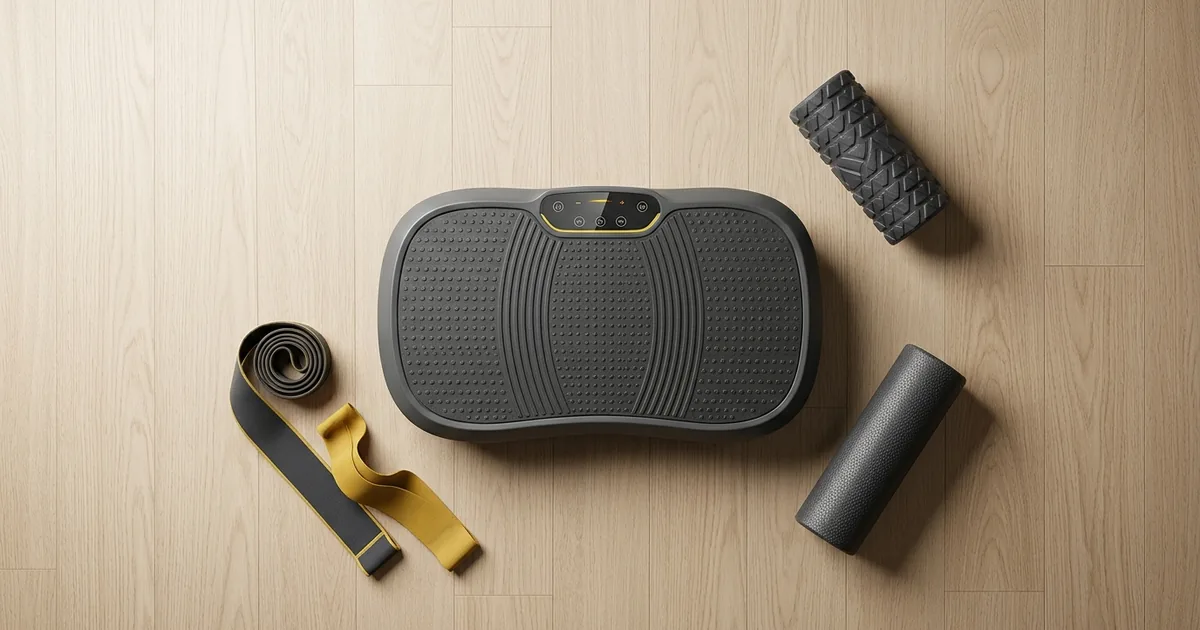
The foldable bench slides under the bed, the kettlebells sit in the wardrobe floor, and the vibration platform leans flat against the wall behind a curtain or room divider. This setup suits studio apartments where the bedroom is the only private space available for training.
If the apartment has a balcony, even a small one, it becomes the jump rope and mobility zone. Training outdoors in the early morning or evening avoids direct heat while keeping indoor noise to zero. A yoga mat rolled up near the balcony door makes this a five-second setup.
A full small-apartment checklist does not require a large investment. Here’s a realistic breakdown for shoppers building this out gradually:
Most shoppers don’t need the complete tier on day one. Start with flooring and one or two multi-function tools, then build up as training consistency proves the investment is worth it. Browse the new arrivals page for the latest compact gear drops sized for apartment living.
To prove the gear is enough, here’s a five-day split built entirely from the checklist above, no machine, no rack, no treadmill.
Adjustable dumbbell goblet squats, resistance band rows, kettlebell deadlifts, dumbbell shoulder press, plank hold. 4 rounds, 40 seconds work, 20 seconds rest.
Jump rope intervals (1 minute on, 30 seconds off, 10 rounds), followed by a core circuit of bicycle crunches, hollow holds, and band woodchoppers.
Ten minutes on the vibration platform, foam rolling for quads, calves, and upper back, plus a mobility flow using resistance band loops.
Dumbbell bench press on the foldable bench, band pull-aparts, dumbbell rows, kettlebell halos, tricep extensions.
Kettlebell swings, step-ups on the compact platform, dumbbell lunges, jump rope finisher, 15 minutes total.
This split hits strength, conditioning, mobility, and recovery across the week using gear that fits inside two storage crates.
A full rack of fixed dumbbells looks impressive but eats storage space fast. Adjustable sets solve the same problem in a tenth of the footprint.
Dropped kettlebells and dumbbells on bare tile cause cracks and noise complaints. Mats are not optional in an apartment setup.
Many towers in Dubai and Riyadh have quiet hours. Plan loud cardio or jump rope sessions for daytime hours and keep evening sessions to low-impact strength and mobility work.
It’s tempting to buy the complete tier immediately. Start with the entry tier, train consistently for four to six weeks, then expand based on what you actually use.
Recovery tools are small and cheap compared to strength gear, but they’re often skipped entirely. A foam roller and massage ball cost little and prevent the soreness that kills consistency in the first month.
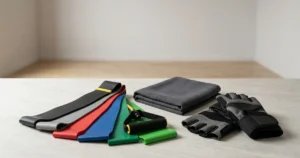
The best part of a small-apartment checklist is that almost none of it is apartment-specific. Resistance bands, the adjustable jump rope, gym gloves, and the electric protein shaker bottle all pack into a carry-on for business trips or weekend getaways. Kettlebells and adjustable dumbbells stay at home, but the lighter accessories travel with you, meaning the habit you build in a small apartment doesn’t break the moment you leave it. This is the core idea behind portable workout gear built for gym, home, and travel, the same short list of tools follows you everywhere instead of being replaced by a new setup every time your environment changes.
A small apartment is not a limitation, it’s a filter that forces smarter gear choices. The checklist above, flooring, adjustable strength tools, a beaded jump rope, a vibration platform, recovery basics, and simple hydration gear, covers every major training need in a footprint that fits inside two storage crates. Start with the essentials, train consistently, and expand only when the gear you already own proves it’s worth building on.
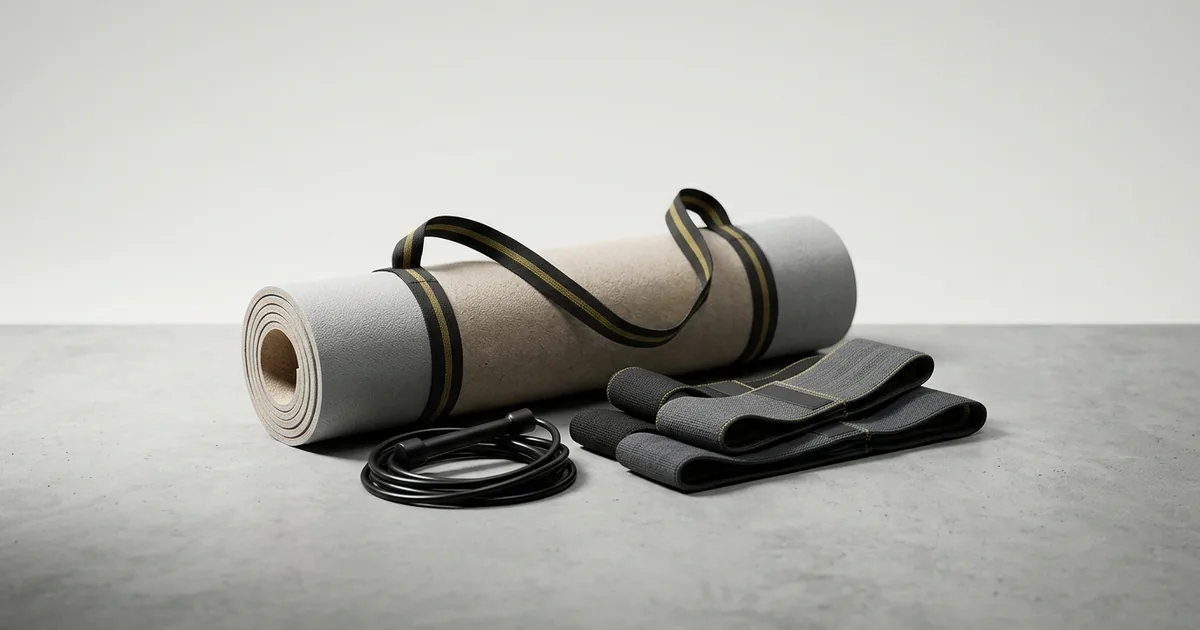
Interlocking floor mats, a resistance band set, and an adjustable jump rope cover strength, mobility, and cardio basics for under AED 800 and store in a single drawer or crate.
Use floor mats under all gear, avoid dropping weights, schedule jump rope or high-impact cardio during daytime hours, and lean on low-impact tools like resistance bands and a vibration platform for evening sessions.
Yes. One adjustable pair replaces 8-10 fixed dumbbells and stores in the space of a shoebox, making it one of the highest-value items on any small-space checklist.
Yes. A beaded jump rope, a compact step platform, and kettlebell conditioning circuits deliver effective cardio without the floor space a treadmill or bike requires.
Start with floor protection and one or two multi-function tools like resistance bands and an adjustable kettlebell, then expand gradually based on which sessions you actually complete each week.
Last updated: October 28, 2026 A vibration plate workout for beginners works because it asks for less time and less
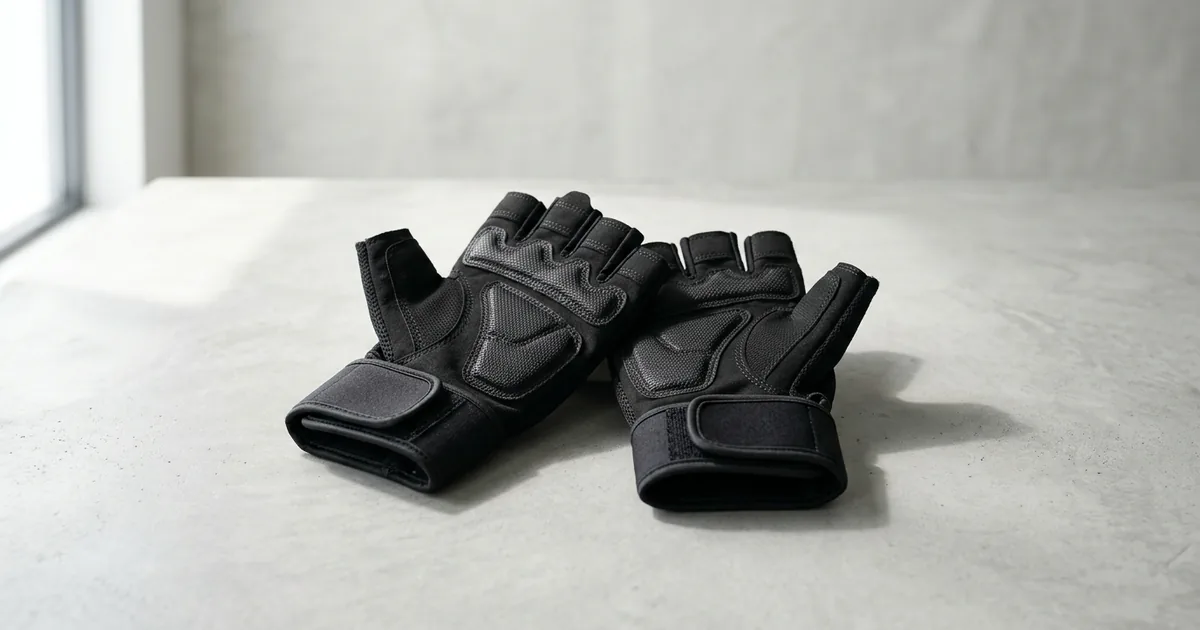
Last updated: October 28, 2026 Your grip fails before your muscles do. That is the uncomfortable truth behind most stalled
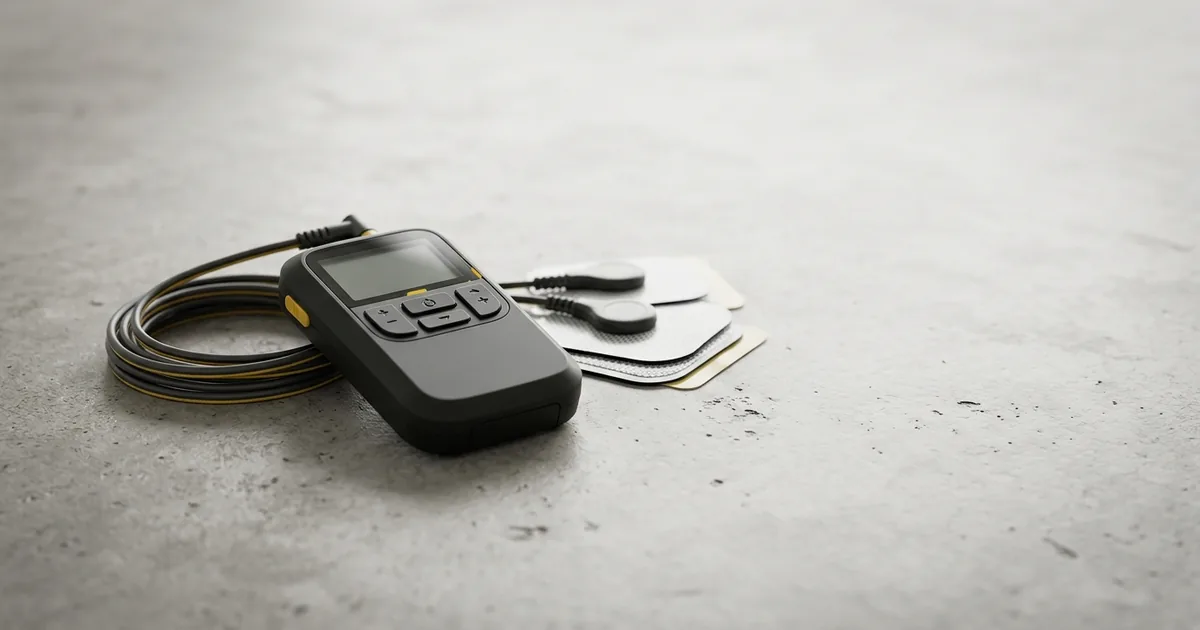
Last updated: October 21, 2026 Sore legs the day before a big lift. Tight shoulders after three straight gym sessions.