
Last updated: October 28, 2026
Your grip fails before your muscles do. That is the uncomfortable truth behind most stalled deadlifts, dropped pull-up sets, and shaky final reps on a barbell row. The best training gloves for grip support exist to fix exactly that weak link, giving your hands the traction, padding, and wrist stability to let your bigger muscles finish the work your grip would otherwise cut short. This guide breaks down what actually matters in a training glove, which type suits which training style, and how to pick a pair that performs in the gym, at home, or in a suitcase.
Rigid Fitness builds portable workout gear for people who train in more than one place. Gloves fit that mission perfectly, they are light, they pack flat, and they solve a problem that shows up everywhere you lift, pull, or swing.
Grip strength is not a side detail, it is the connection point for almost every pulling and carrying movement you do. Deadlifts, rows, pull-ups, farmer’s carries, kettlebell swings, and even heavy dumbbell pressing all route force through your hands first. When your grip gives out, the set ends, regardless of how much strength your back, legs, or shoulders still had left.
Grip strength drops faster than almost any other muscle group under repeated load. The forearm flexors are smaller muscles working against a mechanical disadvantage, so they fatigue early and recover slowly within a session. Add sweat, calluses, and friction, and your actual working grip is often weaker than your measured grip strength on a dynamometer. This is why lifters who can deadlift heavy in the first set often lose five to ten percent of their working weight by set three, not because their back weakened, but because their hands did.
When your hands start slipping, your body compensates in ways that hurt performance and safety. You grip tighter than necessary, which spikes forearm fatigue and raises heart rate unnecessarily. You shorten your range of motion to protect your hold. You rush reps to finish before the bar slips. None of this helps you build strength, and all of it increases injury risk. A training glove that holds the bar for you removes this entire compensation chain, letting your major muscle groups train to their actual capacity.
Not every glove on the market delivers real grip support. Many are built for comfort or appearance rather than performance. Here is what separates a gym bag staple from a gimmick.
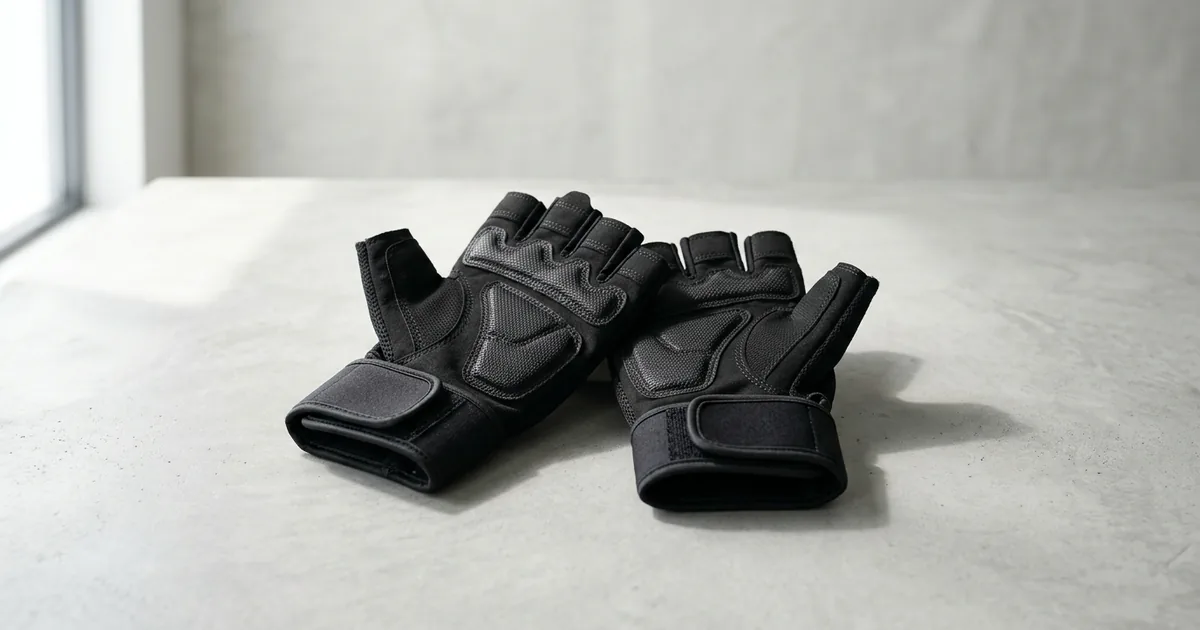
The padding layer is the core function of any grip glove. Too thin, and it does nothing against a knurled barbell. Too thick, and you lose the ability to feel the bar, which matters for Olympic lifts and anything requiring precise control. Look for a padded zone concentrated under the fingers and across the palm crease, the two points that take the most pressure during a hang or a pull. Silicone-printed grip patterns on the palm add tackiness without adding bulk, which is usually the better trade-off for serious lifters.
A training glove that stops at the knuckles is only solving half the problem. Wrist wraps built into the glove, usually a velcro strap that cinches around the wrist, stabilize the joint during heavy presses and prevent hyperextension under load. If you train presses, push-ups on handles, or heavy carries, prioritize gloves with an integrated wrist strap over basic open-back designs.
Sweaty hands inside a glove slip just as badly as bare sweaty hands on a bar, so material matters. Mesh backing, perforated panels, and moisture-wicking liners keep your hands dry through a full session. Fit should be snug without restricting finger movement, a loose glove bunches at the palm and creates the exact slipping problem you bought it to solve.
If you train in a gym, a home setup, and on the road, your gloves need to survive more cycles of sweat, folding, and packing than a gym-only pair. Reinforced stitching at the thumb and finger seams, and a palm material that resists cracking when dry, are the details that decide whether a glove lasts six months or two years.
Grip gloves are not one category. Picking the wrong type for your training style is the most common reason people think gloves “don’t work” for them.
Full-finger gloves cover the entire hand and are best for high-rep, high-friction work like rope climbs, sled pushes, and heavy barbell work where finger protection against calluses and tears matters. The trade-off is slightly reduced tactile feedback, which some lifters notice on technical lifts.
The most popular style for general strength training. Fingerless gloves protect the palm, the area that takes the most punishment, while leaving fingertips free for better bar feel and easier use of phones or gym equipment between sets. This is usually the right default choice if you are buying your first pair of grip gloves.
These sit between gloves and lifting straps, often just a padded palm pad secured by a loop around the middle finger and a wrist strap. They offer less coverage than a full glove but maximize bar feel, popular with Olympic lifters and CrossFit athletes who need grip support without bulk.
Built specifically for pressing movements, these combine a grip-support palm with a long wrist wrap that stabilizes the joint under heavy bench press, overhead press, or push-press loads. If wrist discomfort has ever cut a pressing session short, this is the category to shop first. Browse the full range of gym gloves and straps to compare padding levels and wrist support side by side.
The right glove depends heavily on what you actually train. Matching glove type to training style gets you far more value than chasing the most expensive pair on the shelf.
For deadlifts, heavy rows, and rack pulls, prioritize maximum palm padding and a secure wrist wrap. Grip failure at near-maximal loads is both a performance issue and a safety issue, since a slipping bar at heavy weight can cause a fall or a dropped load. A snug, thick-padded glove with a locked wrist strap is the safer, more effective choice over bare-hand lifting past your callus tolerance.
Mixed sessions that combine pull-ups, rope work, kettlebell swings, and barbell cycling need a glove that moves with you. Half-finger gloves or hybrid grip pads work best here, since you need to transition quickly between grip styles without readjusting equipment. Durability matters more in this category too, since functional training puts gloves through more friction cycles per session than straight lifting does.
Training at home often means less chalk, less equipment variety, and more reliance on a few key tools doing multiple jobs. A versatile fingerless glove with solid palm padding covers presses, rows, and pull-up work without needing a separate pair for each movement. Pair your glove setup with the rest of a home station built from our latest gear to round out a complete, space-efficient setup.
This is where lightweight, packable gloves earn their keep. Hotel gyms rarely have chalk, and hotel bars are often slicker from frequent cleaning and lower-grade knurling. A compact pair of grip gloves that folds into a side pocket solves a problem most travelers do not think about until they are three reps into a hotel gym pull-up set with sweaty hands and no solution. This is also where portable gear pays off across your whole routine, not just your hands.
Grip endurance matters just as much in cardio-based training as it does under a barbell. Long jump rope sessions put repetitive strain on the same palm and finger tendons used in lifting, and a slipping handle mid-session breaks pace and rhythm. If your cardio routine includes rope work, pairing grip gloves with a reliable adjustable beaded jump rope keeps both your grip and your rhythm consistent through longer interval sets.
Sizing is where most online glove purchases go wrong. A glove that is too large defeats the entire purpose, since loose material bunches at the palm and slips exactly where you need grip most.
Measure around the widest part of your palm, excluding the thumb, with a soft tape measure. Compare this measurement against the brand’s sizing chart rather than guessing based on glove sizes from other brands, since padding thickness changes how a size small or medium fits in practice.
A properly fitted glove should feel snug across the palm immediately after putting it on, with no loose fabric bunching when you make a fist. Fingers should reach close to the seam ends without jamming, and the wrist strap should close with room to spare, not at its tightest setting. If you need to repeatedly adjust the glove mid-set, the size or style is wrong for your hand shape.
If you train in colder conditions or layer gloves over wrist wraps, sizing up slightly can help. For technical lifts requiring maximum bar feel, such as Olympic lifting, sizing down slightly or choosing a hybrid grip pad over a full glove usually performs better.
This is one of the most common questions in strength training, and the honest answer is that each tool solves a different problem.
Gloves protect skin, reduce friction tears, and add consistent grip in sweaty or chalk-free environments like home gyms, hotels, and outdoor training. They are reusable, mess-free, and double as wrist support when wraps are built in.
Chalk absorbs moisture and increases friction between skin and bar, which is why it is standard in competitive powerlifting. It does not protect against callus tears, it makes a mess most home and hotel gyms do not allow, and it offers no wrist support.
Straps wrap around the bar and your wrist, essentially removing grip from the equation entirely on pulling movements. They are excellent for overload training on rows and shrugs but offer no support on pressing movements and build dependency if overused on main lifts.
For most people training across multiple locations without access to chalk, training gloves offer the best balance of protection, grip, wrist support, and portability. Serious powerlifters often use chalk for competition lifts and gloves for accessory volume work. There is no rule against combining tools based on the session.
Good gloves lose their grip support fast if neglected. A few habits extend both performance and lifespan significantly.
Hand wash with mild soap and cold water whenever possible. Machine washing on a gentle cycle inside a mesh bag works for most synthetic gloves, but always air dry. Heat from a dryer breaks down silicone grip padding and warps velcro, cutting the glove’s effective lifespan in half.
Let gloves air out fully before packing them away, especially if you train in humid conditions common across the UAE and KSA. Storing damp gloves in a closed gym bag accelerates material breakdown and creates odor that is hard to reverse.
Flattened or cracked palm padding, stretched-out wrist straps that no longer cinch tight, and visible seam separation are all signs it is time for a new pair. Continuing to train with worn-out grip padding reintroduces the exact slipping problem the gloves were bought to solve.
Grip support gloves work best as part of a broader training and recovery approach, not as an isolated fix.
Dead hangs, light farmer’s carries, or band work for the wrist flexors before your main lifts prime the forearm muscles and reduce early fatigue, letting your gloves do less compensating later in the session.
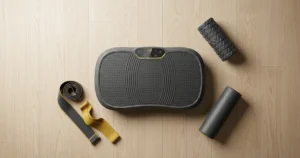
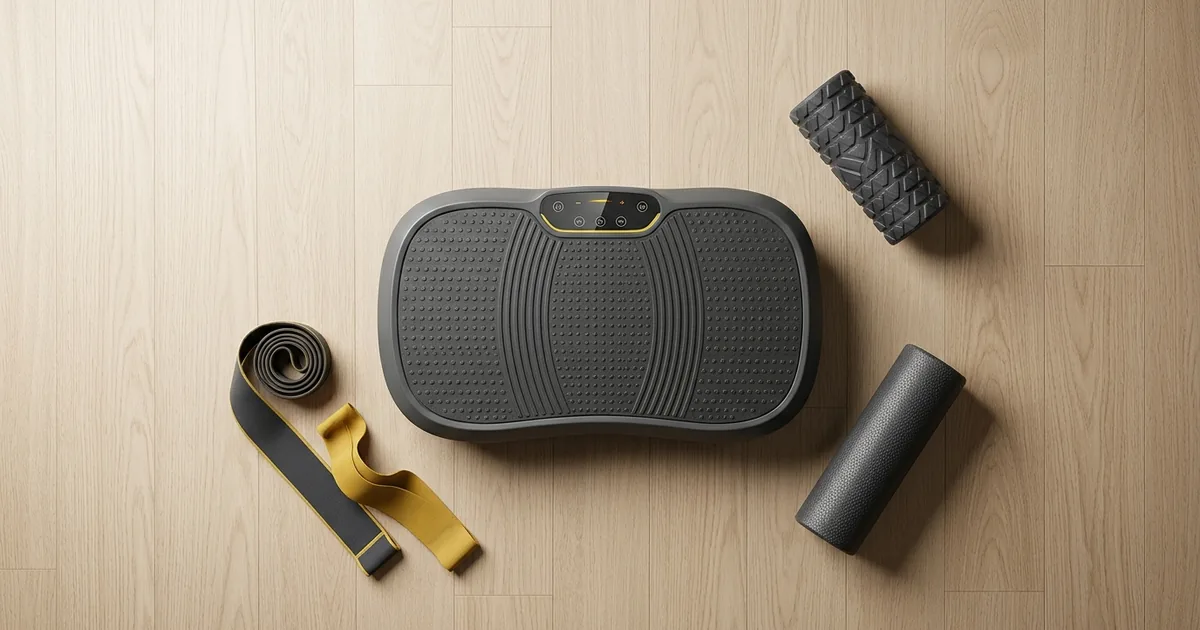
Forearms are often ignored in recovery routines despite taking heavy repeated load. A few minutes on a vibration platform after a grip-intensive session can help loosen tight forearm fascia and support faster recovery between training days.
Sessions built around pulling, carrying, and rope work are often longer and more metabolically demanding than they look. Having a reliable way to mix a post-workout shake, like an electric protein shaker bottle, makes it easier to stay consistent with recovery nutrition instead of skipping it after a tough grip day.
Buying gloves online works best when you can compare padding type, wrist support, and sizing in one place rather than guessing from a single product photo. The full gym gloves and straps collection at Rigid Fitness is organized to make that comparison easy, with options covering heavy lifting, functional training, and travel-friendly packable designs. All prices are listed in AED, and every pair is selected for the same standard, portable, durable gear that performs the same in a gym, a spare room, or a hotel room.
Grip support is not an accessory purchase, it is a performance decision. The best training gloves for grip support protect your hands, stabilize your wrists, and let your bigger muscles train to their full capacity instead of being capped by a slipping palm. Match the glove type to your training style, size them correctly, maintain them properly, and they will quietly fix one of the most common limiting factors in strength training. Whether you are pulling heavy in a gym, training at home, or working out from a hotel room, a well-chosen pair of gloves is one of the smallest pieces of gear with one of the biggest returns on your training.
Training gloves do not increase your raw grip strength, but they improve working grip by adding friction and reducing slippage. This lets you complete more reps at your true strength level instead of stopping early due to hand fatigue.
Fingerless gloves suit most general strength training since they protect the palm while keeping fingertips free for bar feel. Full-finger gloves work better for high-friction activities like rope climbs or sled work where finger protection matters more.
Gloves and straps solve different problems. Gloves add grip and protect skin while keeping your hand functional for pressing and carrying. Straps remove grip entirely from pulling movements, which is useful for overload training but offers no support on presses.
Measure the widest part of your palm, excluding the thumb, and match it to the brand’s sizing chart. A correctly fitted glove feels snug immediately with no bunching at the palm when you make a fist.
Replace gloves once the palm padding flattens or cracks, the wrist strap loses its grip, or seams start separating. Worn padding stops protecting your hands and brings back the slipping problem gloves are meant to prevent.
Last updated: October 28, 2026 A vibration plate workout for beginners works because it asks for less time and less
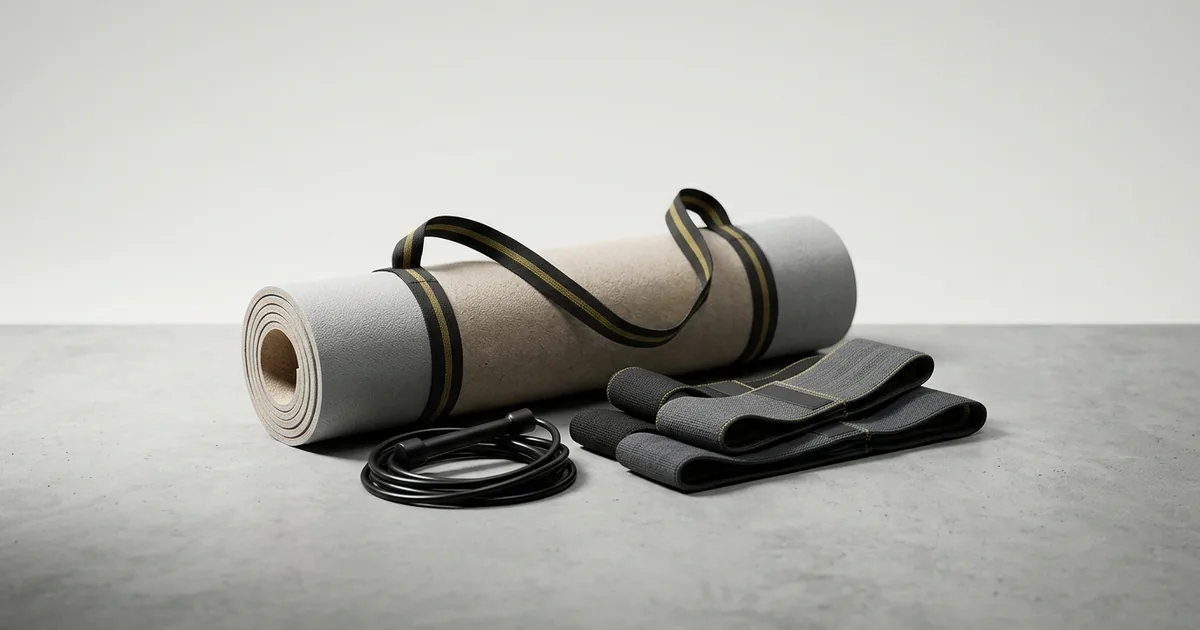
Last updated: October 28, 2026 A 40 square meter apartment is not an excuse to skip training, it’s a design
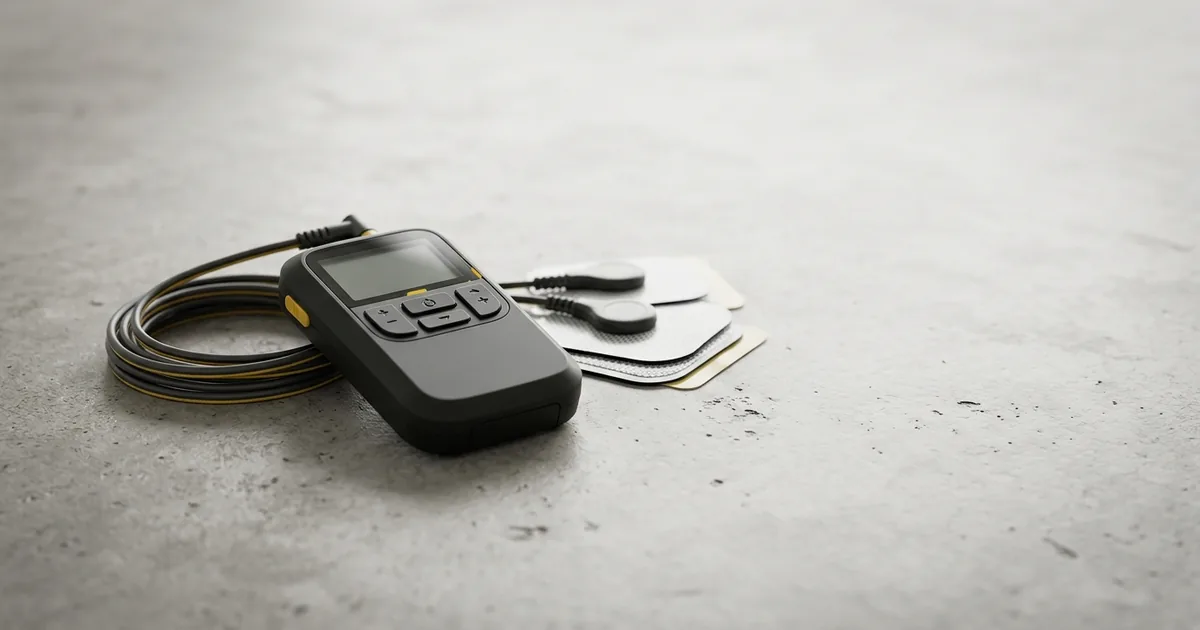
Last updated: October 21, 2026 Sore legs the day before a big lift. Tight shoulders after three straight gym sessions.