
Last updated: October 18, 2026
Your grip fails before your muscles do. That’s the reality for most lifters chasing heavier pulls, longer hangs, or higher rep counts on bars and dumbbells. The best training gloves for grip support don’t just protect your palms, they close the gap between what your hands can hold and what your body can actually lift. Pick the wrong pair and you’ll fight your gear instead of your workout. Pick the right pair and grip stops being the limiting factor.
Grip is the first point of contact between you and every barbell, pull-up bar, kettlebell, or dumbbell you touch. When grip gives out early, three things happen: your sets end before your target muscle is fully fatigued, your form breaks down as you compensate, and your risk of dropped weight or sudden strain goes up. None of that is a training problem you can fix with more effort. It’s an interface problem, and gear solves interface problems.
Sweaty palms, calluses, thin skin on the fingers, and bar rotation during deadlifts or pull-ups all chip away at how long you can hold a load. A properly built glove adds friction where your skin runs out, distributes pressure across the palm instead of concentrating it on a few points, and keeps your wrist aligned so the load travels through bone and tendon the way it’s supposed to, not through a bent joint.
This matters more in hot climates. Across the UAE and KSA, gym sessions often happen after long days in heat and humidity, and hands sweat faster even in air-conditioned spaces. Grip support gear isn’t a luxury accessory here, it’s a practical fix for a climate-driven problem.
Not every glove on the market delivers real grip support. Plenty are built for looks, not function. Here’s what separates a glove that performs from one that just sits on your hand.
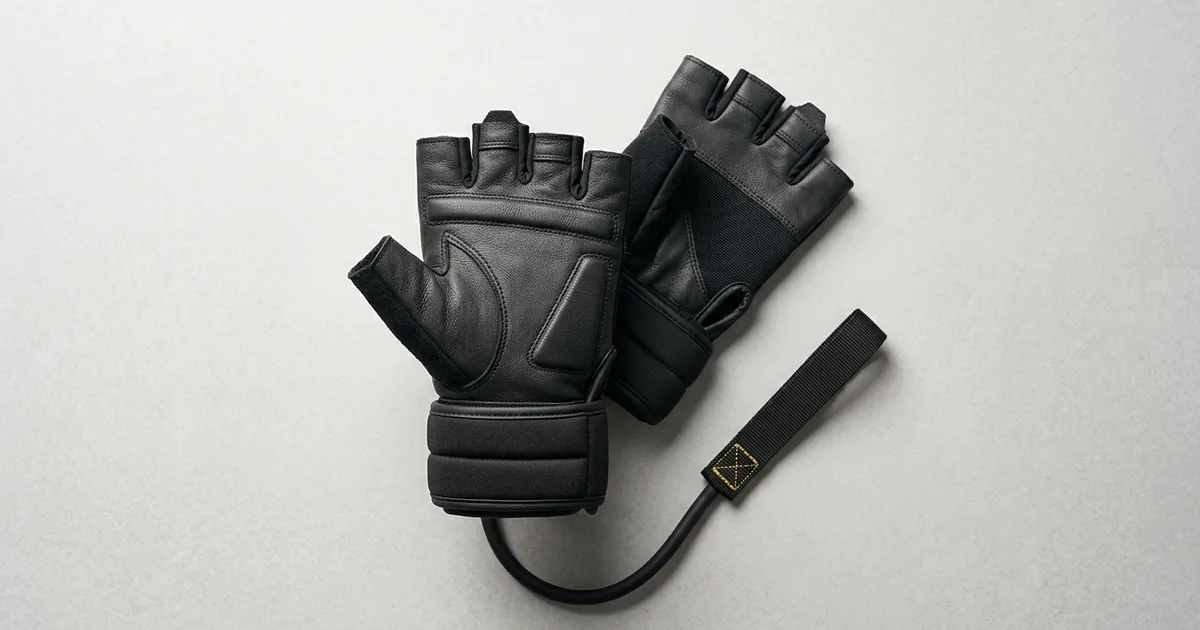
Padding thickness is a trade-off. Too thin and you lose protection against calluses and blisters. Too thick and you lose the direct bar feel you need for controlled lifts like cleans, snatches, or heavy deadlifts. The best training gloves for grip support use a mid-density padding, usually a blend of silicone grip panels and breathable synthetic leather or neoprene, placed only where pressure actually builds: the base of the fingers and the heel of the palm. Full-palm foam padding looks protective but often reduces bar contact and increases slip.
Silicone-printed palm panels have become the standard for a reason. They add tackiness without adding bulk, which keeps your grip diameter close to natural. This matters most on pull-up bars and barbells where a thicker glove changes how your hand closes around the bar.
A glove without wrist support only solves half the problem. Heavy pressing, overhead work, and loaded carries put real strain on the wrist joint, and a glove that stops at the base of the hand does nothing to stabilize that joint. Look for an adjustable wrist wrap built into the glove, ideally a hook-and-loop closure wide enough to cinch down firmly without cutting circulation. This keeps the wrist in a neutral, locked position during presses, push-ups, and loaded movements, reducing hyperextension under load.
For lifters who already deal with wrist discomfort, this feature alone can be the difference between training through pain and training without thinking about it.
A glove that traps heat and sweat will slip faster, not slower, no matter how good the palm material is. Mesh paneling on the back of the hand and between fingers keeps airflow moving during longer sessions. Fit should be snug through the palm with no loose fabric bunching near the fingers. Loose material rubs, bunches under grip, and creates hot spots that turn into blisters faster than bare skin would.
Half-finger designs, which leave the fingertips exposed, are the most common and versatile choice. Full-finger versions exist but are less popular for strength training since they reduce tactile feedback on smaller equipment like dumbbells or attachments.
Texture patterns, raised silicone dots, ridged lines, or honeycomb grids, all aim to do the same job: increase surface friction against metal. What matters more long-term is how that texture holds up. Cheap printed silicone wears smooth within a few months of regular use, especially on barbell knurling, which is abrasive by design. Stitched or molded grip panels last longer than printed ones and are worth the extra cost if you train four or more times a week.
There’s no single best glove for everyone. The right choice depends on what you’re training for, and matching glove type to training style is where most buyers go wrong.
Built for heavy, controlled lifts: bench press, overhead press, rows, and machine-based strength work. These prioritize palm padding and wrist wraps over flexibility, since the movement patterns are more fixed and the loads are higher. If your training is mostly strength-focused with a barbell and dumbbells, this is your category.
Functional training demands more hand mobility, more finger flexibility, and quick transitions between pull-ups, kettlebell swings, box jumps, and barbell cycling. Gloves built for this style are thinner through the palm, often with reinforced finger panels instead of full padding, so your grip can open and close fast without fighting the material. Wrist support is still present but usually lower-profile than pure lifting gloves.
Bodyweight training puts unique strain on the hands, especially during high-volume pull-ups, muscle-ups, and bar work. Here, grip texture matters more than padding thickness, since the hand needs to rotate and reposition on the bar frequently. Half-finger designs with reinforced palm strips are the standard choice, giving enough friction to prevent slip without restricting the natural curl of the fingers around the bar.
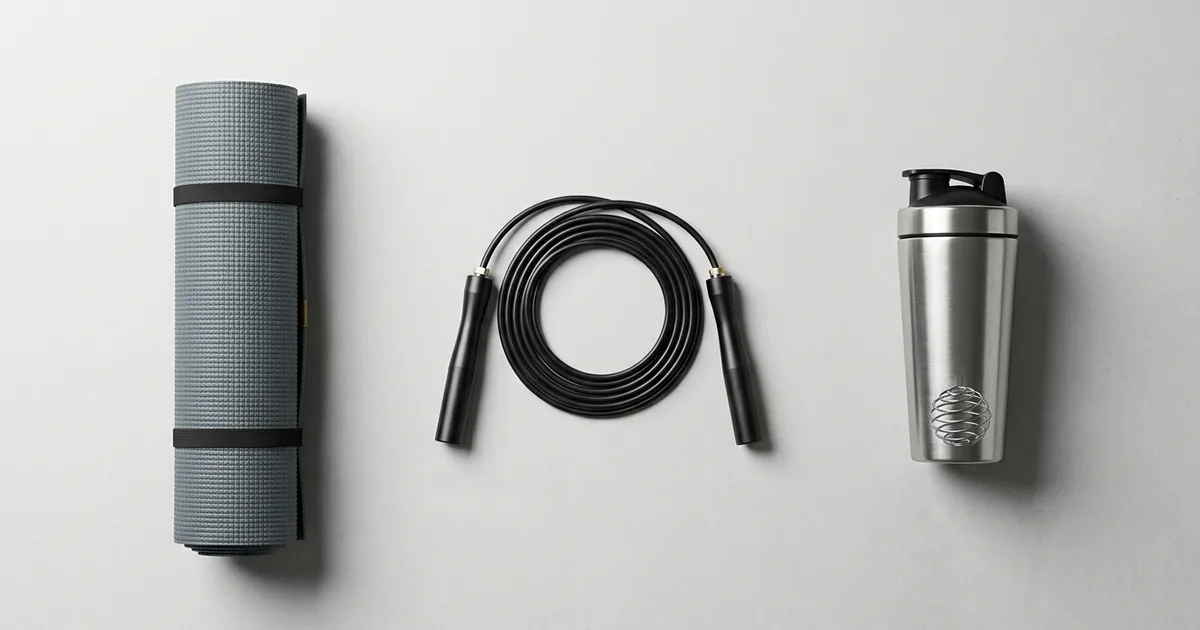
Rope work, whether it’s battle ropes or skipping, creates a different kind of grip fatigue: fast, repetitive, and more about endurance than raw holding strength. Lighter gloves with good breathability work best here, since heat buildup becomes the bigger issue over padding thickness. If your cardio routine includes a tangle-free adjustable jump rope, pairing it with a thin, breathable glove reduces hand fatigue on high-rep interval sessions without adding bulk that throws off your rope timing.
Start with your primary training mode, not your secondary one. If you lift heavy three days a week and do light cardio twice, buy for the lifting days. A glove optimized for heavy grip support will still work fine for lighter sessions, but a thin cardio glove will fall apart fast under loaded barbell work.
Next, check sizing carefully. A glove that’s too large will bunch and slip, actively working against the grip support it’s supposed to provide. Too small, and circulation gets cut off during longer sets, which numbs the fingers and reduces your actual holding strength. Most brands size by palm circumference, not hand length, so measure around the widest part of your palm, excluding the thumb, before ordering.
Finally, think about how often you train and how hard you are on gear. Someone training twice a week can get away with lighter, cheaper materials. Someone training five or six days a week needs gloves built with reinforced stitching and molded grip panels that won’t degrade within a month. Browse the full range of gym gloves and straps to compare padding levels, wrist support styles, and sizing options side by side before deciding.
Rigid Fitness is built around portable gear that works in three environments: the gym, the home, and on the road. Gloves fit naturally into all three, but the priorities shift slightly depending on where you train.
Commercial gym equipment sees heavy use from dozens of people daily, which means barbells, machine handles, and pull-up bars carry more grime, sweat residue, and smoothed-down knurling than anything you’d use at home. A durable glove with strong texture retention matters more here, since you’re fighting both your own sweat and a slicker surface than fresh equipment would offer.
Home setups are usually smaller and more controlled, often built around a few key pieces rather than a full gym floor. If your home routine includes recovery tools like a vibration platform for warm-ups or post-lift recovery, pair your glove routine with a quick palm stretch and circulation reset after heavy grip work. Vibration-based recovery helps loosen forearm tension that builds up from repeated glove use and heavy holds, keeping your hands ready for the next session instead of stiff and sore.
Travel training is where portable gear earns its keep. A compact pair of training gloves takes up almost no space in a gym bag, unlike bulkier accessories, and gives you consistent grip support whether you’re using a hotel gym barbell or a resistance band setup in a hotel room. Pack gloves alongside other travel-friendly basics, like a shaker for mixing your electric protein shaker bottle post-workout, so your full routine, training and recovery, travels as easily as you do.
Repeated bar contact without protection builds calluses over time, and calluses that get too thick can crack mid-set, which is painful and disruptive. A glove with targeted palm padding prevents the friction that builds calluses in the first place, keeping skin smoother without softening your actual grip strength.
Sweat is the most common reason bars slip mid-set, especially in warm climates. Silicone grip panels stay tacky even when damp, unlike bare skin or chalk alone, which can wash away quickly with heavy sweating. A breathable glove with good airflow also reduces how much sweat builds up in the first place.
If your wrists bend backward under load during bench press or overhead work, you’re losing power and risking strain. A built-in wrist wrap locks the joint into a stable position, transferring force more efficiently through the arm and reducing the hyperextension that causes most pressing-related wrist pain.
When the bar rotates in your hand mid-rep, you lose control and grip strength fast. Textured grip panels increase the friction between glove and bar, reducing rotation and letting you hold position longer, especially useful on max-effort deadlift sets or high-rep pull-up work.
Even the best training gloves for grip support degrade fast without basic care. Sweat left to dry into the padding breaks down material faster than regular use alone. After each session, wipe down the palm with a dry cloth and let the gloves air out fully before storing them in a bag. Avoid leaving them balled up in a damp gym bag for days, since trapped moisture encourages odor and weakens stitching over time.
For a deeper clean, hand wash with mild soap and cold water every couple of weeks, then air dry away from direct heat. Direct sunlight or a dryer will crack silicone grip panels and shrink synthetic leather, cutting the glove’s lifespan significantly. Rotating between two pairs, if you train frequently, also extends the life of each pair by giving the material time to fully dry between sessions.
Replace gloves once the palm padding compresses flat, the grip texture smooths out, or the wrist strap loses its hold. A glove that no longer grips is worse than no glove at all, since it gives a false sense of security while doing nothing to prevent slip.
Gloves work best as part of a broader setup, not as an isolated fix. Chalk or liquid grip aids can supplement glove texture on especially heavy or sweaty sessions. Wrist straps, used separately from gloves, give extra support on maximal deadlift or row days when grip alone shouldn’t be the limiting factor. For cardio days, keep a light accessory like a jump rope in rotation to train grip endurance differently than heavy lifting does.
Post-session, recovery tools matter as much as training gear. A few minutes on a vibration platform helps release tension built up in the forearms and hands after heavy glove use, while proper hydration and a fast post-workout shake support overall recovery. Check the latest gear arrivals regularly, since grip and recovery accessories get refreshed with updated materials and designs that older stock won’t have.
Grip support isn’t an afterthought, it’s the foundation that lets every other part of your training work the way it’s supposed to. The best training gloves for grip support combine the right padding, real wrist stability, breathable materials, and durable texture, matched to how and where you actually train. Get that combination right, and your hands stop being the reason a set ends early.
Look for gloves with reinforced palm padding at the base of the fingers, a textured silicone grip panel, and a firm wrist wrap. Deadlifts put heavy, static pressure on the palm, so durability and bar-rotation resistance matter more than flexibility.
No, when sized correctly. Gloves that fit snugly and use thin, targeted padding maintain close contact with the bar, which preserves natural grip development. Oversized or overly padded gloves can reduce feedback and slow grip strength gains.
You can, but the ideal glove differs. Lifting favors thicker palm padding and wrist support, while cardio and rope work favor lighter, breathable designs that won’t overheat your hands during fast, repetitive movement.
Replace them once the palm padding compresses flat, the grip texture wears smooth, or the wrist strap loses its hold. For gloves used four or more times a week, expect a usable lifespan of roughly four to six months with proper care.
Yes. Gloves with a built-in, adjustable wrist wrap lock the joint into a neutral position, reducing hyperextension under load. This is especially useful for lifters who feel wrist strain during bench press or overhead movements.


Last updated: October 18, 2026 Most people buy a gym towel the way they buy a phone charger, fast, cheap,
Last updated: October 18, 2026 A gym water bottle is not an accessory you grab at checkout without thinking. It
Last updated: October 14, 2026 75lbs sits at a specific, meaningful point in strength training. It is heavy enough to