
Last updated: September 20, 2026
Fitness culture across the UAE and KSA has moved past the treadmill-and-dumbbell basics. Today’s Gulf gym-goer trains at a commercial club on Sunday, does a home session on Tuesday, and packs a bag for Riyadh or Dubai on Thursday. That lifestyle demands arabic equipment for fitness enthusiasts that is built for movement, not just for sitting in one gym corner. This guide breaks down what actually matters when choosing gear for the region, how to build a kit that works across gym, home, and travel, and what to expect to pay in AED without wasting money on gimmicks.
The phrase gets used loosely online, but for buyers in Dubai, Abu Dhabi, Riyadh, and Jeddah it has a specific meaning. It is not about gear stamped with Arabic branding. It is about gear designed for how people in this region actually train: in hot climates, across multiple locations, often with limited home space, and with a strong preference for products that hold up to heavy daily use without breaking down in six weeks.
That means three things matter more here than almost anywhere else:
This is the foundation of how Rigid Fitness builds its catalog. Every product is chosen for gym, home, or travel use, not for looking good on a shelf in a big-box store.
Bulky machines lock you into one location and one workout style. A fitness enthusiast who trains across three different environments in a single week needs gear that adapts, not gear that demands a dedicated room. Portable gear also solves a real regional problem: apartment sizes in cities like Dubai and Riyadh are often smaller than in other major markets, and home gym space is a premium, not a given.
The shift toward portable gear also matches how training habits have evolved. Fewer people are doing one long gym session a day. More are stacking shorter sessions, training at home before work, finishing at a commercial gym in the evening, and staying consistent while traveling for business or Umrah. Gear that travels with the lifestyle wins over gear that stays fixed in place.
Before buying anything, run it through three questions:
If a product fails two out of three, it’s not built for the way regional fitness enthusiasts actually live and train.
Rather than buying randomly, build a kit around five functional categories. Each one solves a specific problem that shows up constantly in Gulf training routines: heat, hygiene, grip, recovery, and hydration.
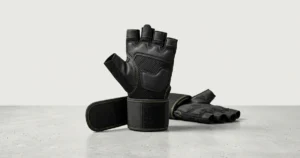
Heavy lifting in hot, humid gym conditions puts extra strain on grip strength. Sweaty palms plus heavy plates is a fast way to lose form on deadlifts, pull-ups, and rows. A solid pair of gym gloves and straps protects your grip, reduces callus buildup, and lets you push harder on pulling movements without your hands giving out before your muscles do. This is one of the most underrated categories in arabic equipment for fitness enthusiasts, because grip failure is the silent limiter on most upper-body and posterior-chain lifts.
Look for straps with breathable material given the climate, and gloves with reinforced palm padding that won’t break down after a few months of daily gym use.
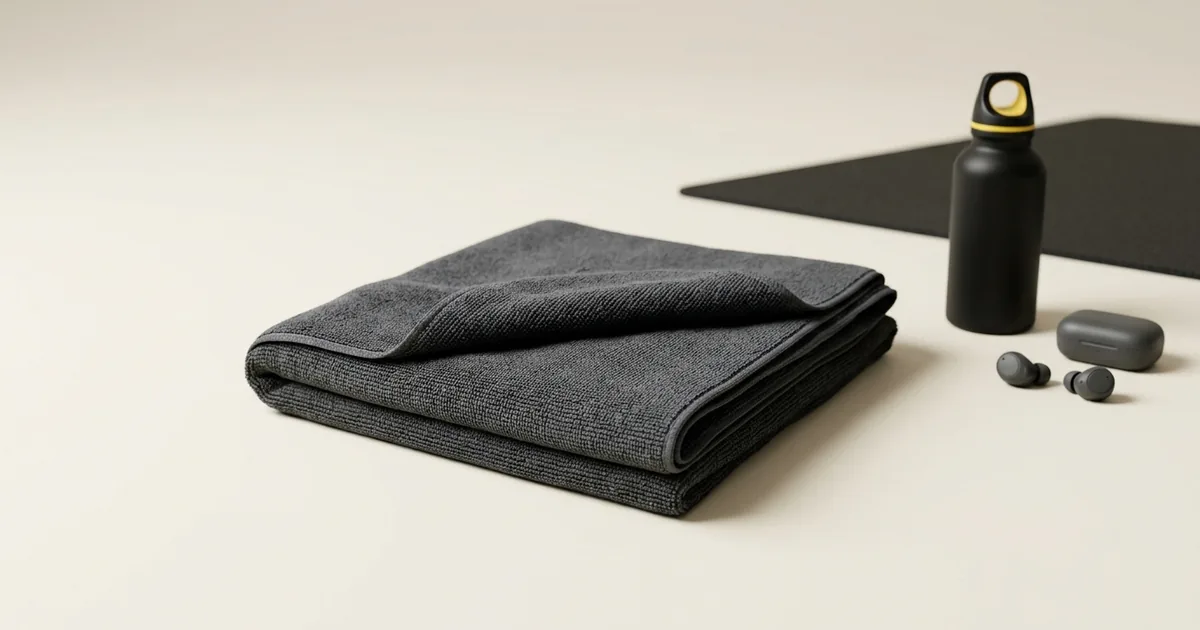
Commercial gyms across the UAE and KSA are busy, and shared bench space means hygiene matters more than most people admit. A dedicated gym bench towel with an anti-slip hood solves two problems at once: it keeps sweat off shared equipment, and the anti-slip hood keeps the towel in place during high-intensity sets instead of sliding off mid-rep. This is a small item that makes a noticeable difference in comfort and confidence during a session, especially in peak summer months when sweat volume goes up significantly.
Training across multiple locations in a hot climate means hydration and protein intake can’t depend on being near a kitchen. An electric protein shaker bottle removes the clumping problem of manual shakers and works whether you’re mixing a post-workout shake at the gym, at home, or in a hotel room before a flight. For fitness enthusiasts who track macros seriously, a reliable shaker isn’t a luxury, it’s part of the daily routine that keeps consistency intact when schedules get unpredictable.
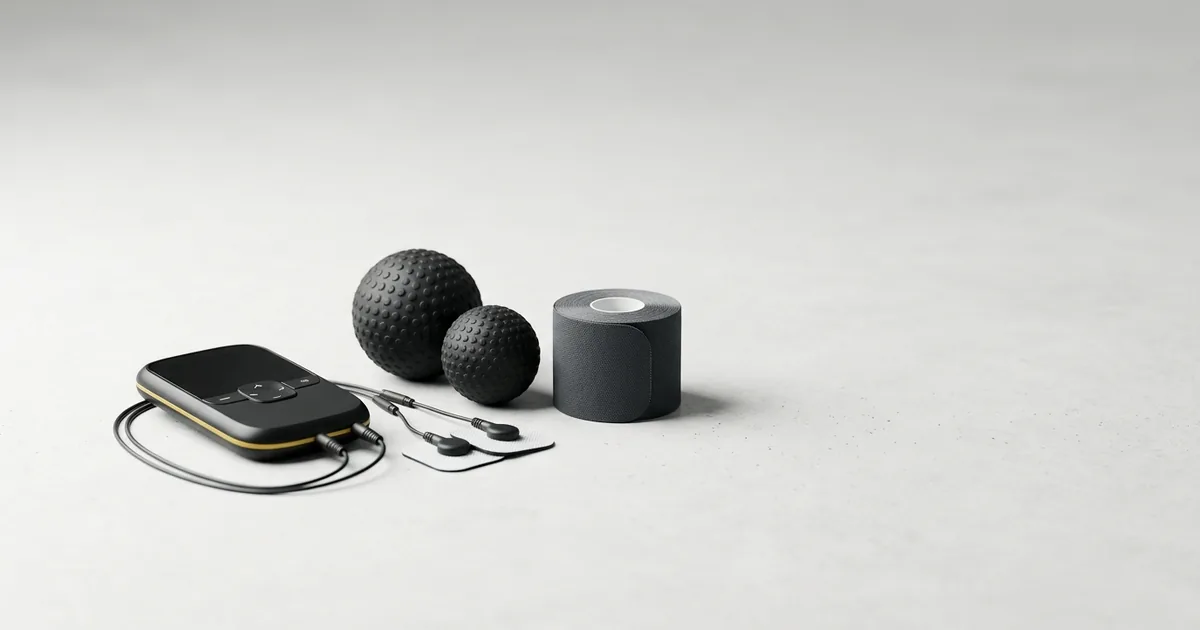
Recovery is where a lot of regional training routines fall short, mainly because people train hard but don’t budget time or tools for recovery. A vibration platform is a compact way to support circulation, reduce muscle tightness, and speed up recovery between sessions, without needing a large recovery room or spa-level setup. It fits in a home gym corner and gives fitness enthusiasts a practical way to manage the physical toll of training five or six days a week.
Training gear evolves fast, and new releases often solve problems older gear didn’t address well. It’s worth checking the new arrivals collection every few months rather than assuming your current setup is final. Regional buyers who stay current on gear tend to spend less over time, because updated designs usually last longer and perform better under heavy use than older, discontinued models.
Home training has become a permanent part of the fitness routine for a large share of UAE and KSA households, not a temporary pandemic habit. But most homes in the region don’t have a spare room to dedicate entirely to training. That means every piece of gear needs to justify its footprint.
You don’t need a complete commercial setup at home. You need a functional core: something for grip and resistance work, something for recovery, and something for hydration and nutrition timing. Layering in a vibration platform and a proper towel setup covers recovery and hygiene without needing racks or heavy stacks that eat floor space.
Wherever possible, choose gear that stores vertically or folds flat. This matters more in apartment-heavy cities like Dubai, Abu Dhabi, and Jeddah, where floor space is limited and shared living areas double as training zones in the evening.
Home gyms in garages or balconies deal with heat exposure that indoor commercial gyms don’t. Gear stored in these spaces needs to tolerate temperature swings without cracking, warping, or degrading. This is another reason portable, well-built gear outperforms cheaper alternatives that weren’t designed with Gulf heat in mind.
A well-packed gym bag reflects a well-planned training routine. For fitness enthusiasts who commute between work, gym, and home in cities where traffic and distance make double-tripping inconvenient, the bag has to carry everything needed for a full session without becoming unwieldy.
Keeping this kit consistent means you’re never scrambling to find gear before a session, and it removes one more excuse for skipping a workout on a busy day.
Roll rather than fold where possible, keep the shaker bottle in a side pocket separate from gear to avoid leaks, and store gloves and straps in a small mesh pouch so they don’t tangle with towels. Small organizational habits like this extend the life of your gear and make daily gym trips faster.
Business travel, Umrah trips, and regional weekend getaways are a constant part of life for a large segment of the UAE and KSA fitness community. Consistency breaks down fastest when travel is involved, usually because the right gear got left at home.
Most hotel gyms are inconsistent in quality. Some have full setups, others have a treadmill and two dumbbells. Carrying your own compact gear closes that gap. Grip straps and gloves work with whatever resistance is available, a shaker bottle keeps protein intake on schedule regardless of hotel restaurant hours, and a compact towel solves the hygiene question in gyms that don’t always stock clean ones.
When packing for a flight, prioritize items that pass security without issue and don’t add meaningful weight to carry-on luggage. Straps, gloves, and a shaker bottle all meet this bar easily. Bulkier recovery gear can stay home for short trips and get reserved for longer stays where a rental apartment or extended hotel stay makes it worth bringing.
Recovery habits are the first thing to slip while traveling, but they matter more, not less, given disrupted sleep and long flights. Simple bodyweight mobility work combined with whatever recovery tools you can pack keeps soreness and stiffness from derailing the trip or the training plan waiting when you get home.
Not all gear marketed to fitness enthusiasts in the region is built for the region. A lot of imported gear is designed for cooler, drier climates and simply doesn’t hold up to Gulf heat and humidity over time.
Thin stitching that frays within weeks, plastic components that discolor quickly under heat, and straps that lose elasticity after a handful of washes are all red flags. Cheap gear costs more long-term because it gets replaced two or three times over the life of one well-built product.
Buying from a supplier with local after-sales support matters, especially for anything with moving parts like a vibration platform. Fast replacement parts or support in AED pricing without cross-border shipping delays saves time and money if something needs servicing.
Pricing for arabic equipment for fitness enthusiasts varies widely depending on category, but a realistic budget breakdown helps set expectations before shopping.
The general rule for value in this market: pay for durability once rather than paying for cheap replacements repeatedly. Regional heat and heavy gym usage are hard on low-quality gear, and the AED saved upfront on a cheap product usually gets spent again within a year.
Fitness gear design keeps improving, particularly around materials that handle heat better and designs that pack smaller without losing function. Checking the latest arrivals periodically is a simple way to catch upgrades before your current gear wears out completely, rather than replacing items reactively after they fail mid-session.
For a fitness enthusiast training across gym, home, and travel settings in the UAE or KSA, a complete starter kit looks like this: grip gloves and straps for training days, an anti-slip bench towel for hygiene and comfort, an electric shaker bottle for consistent nutrition timing, and a vibration platform at home for recovery between sessions. This combination covers the four biggest friction points in regional training: grip failure, shared-equipment hygiene, inconsistent nutrition timing, and recovery gaps, all in gear that travels easily and holds up to daily use.
Arabic equipment for fitness enthusiasts in 2026 isn’t about a single product category, it’s about building a portable, climate-resistant kit that performs identically whether you’re at a commercial gym, training at home, or on the road. Prioritize durability over price alone, choose gear that solves a real friction point in your routine, and keep your kit current as better-designed options come to market. A well-chosen setup removes excuses and keeps training consistent no matter where you are in the UAE, KSA, or beyond.
Gear built for this region needs to handle high heat and humidity, work across multiple training locations, and fit into smaller home spaces. Portability, breathable materials, and heat-resistant construction matter more here than in cooler markets.
Yes. A functional core of grip gear, a recovery tool like a vibration platform, and hygiene essentials like an anti-slip bench towel covers most training needs without requiring a dedicated gym room.
A basic kit covering gloves, straps, a bench towel, and a shaker bottle is affordable and pays off quickly through daily use. A vibration platform is a larger one-time investment that replaces ongoing recovery costs over time.
Compact, carry-on friendly items work best: grip straps, gloves, and an electric shaker bottle. These pass airport security easily and adapt to inconsistent hotel gym setups without adding travel weight.
Quality gear typically lasts several months to a year with daily use, but check stitching, elasticity, and fabric wear regularly. Replace items showing fraying or reduced grip before they affect training safety.
Last updated: September 13, 2026 An outdoor gym is not a park bench and a pull-up bar anymore. In 2026,
آخر تحديث: 20 سبتمبر 2026 منشفة الجيم التي تلتصق بجسمك وتبقى مبللة طوال الحصة التدريبية ليست حلاً، بل مشكلة إضافية
Last updated: September 16, 2026 A single resistance band folds into a bag smaller than a water bottle and delivers