
Last updated: September 9, 2026
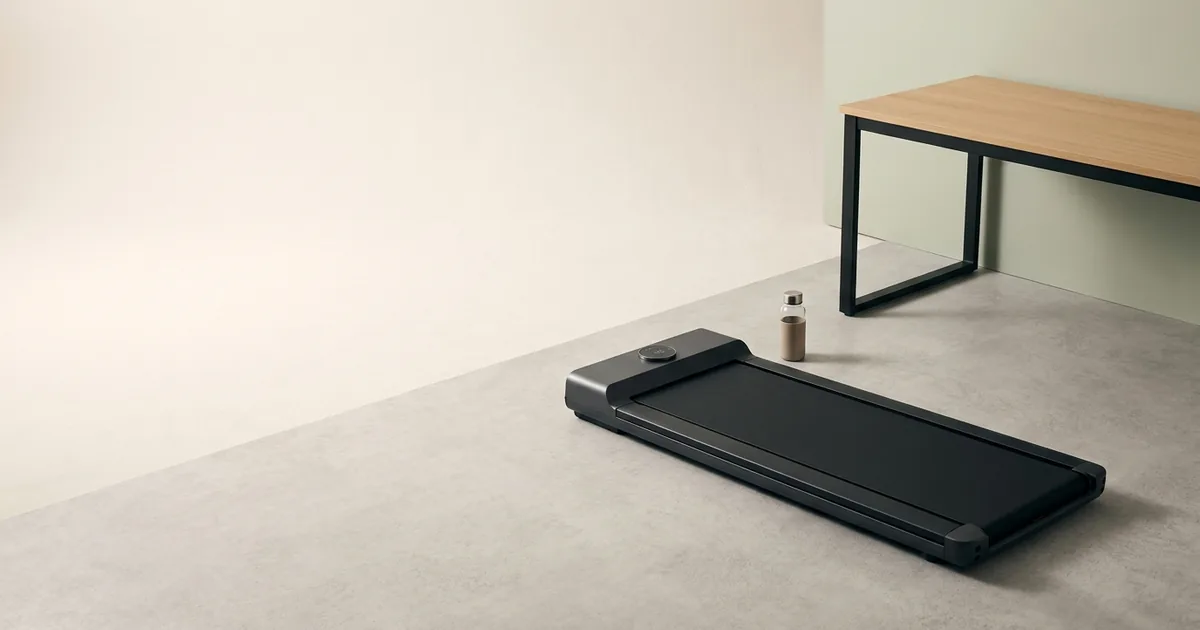
A walking pad solves a very specific problem: you want daily cardio without giving up a room, without a gym membership, and without noise complaints from the neighbour downstairs. In Dubai, Abu Dhabi, Riyadh, and Jeddah, where most fitness buyers live in apartments or shared villas, that combination matters more than any spec sheet. This guide breaks down exactly what to look for, what to skip, how to set one up safely, and how to actually use it, so your walking pad earns its shelf space instead of collecting dust under the bed.
Most residential buildings across Dubai Marina, Downtown, JVC, Riyadh’s northern districts, or Jeddah’s Corniche towers were not designed with home gyms in mind. Ceilings are standard height, floor space is priced by the square foot, and shared walls mean impact noise travels. A walking pad answers all three constraints at once. It’s flat, low-profile, and light enough for one person to lift and slide under a bed or sofa in under a minute.
There’s also the climate factor. Outdoor walking in Riyadh or Dubai between May and September is not realistic for most of the day. A walking pad turns your living room into a year-round walking track, independent of heat, humidity, or air quality outside. You get your steps in before a work call, during a podcast, or in front of the TV in the evening, regardless of what it’s doing outside at 45°C.
A walking pad is not a treadmill replacement for runners, and it’s not trying to be. Its job is to make low-impact, steady-state walking effortless to fit into a normal day. That distinction matters when you’re setting expectations.
Most health guidance points to 8,000-10,000 steps a day for general metabolic health. Very few people in the UAE hit that number through daily life alone, especially in car-dependent cities like Riyadh or Abu Dhabi. A walking pad under your desk or in front of a screen lets you close that gap passively, 20-30 minutes at a time, without blocking out a dedicated gym session.
Walking at 4-6 km/h is far gentler on knees and hips than running or high-impact HIIT. That makes a walking pad useful on days you’re recovering from a heavier gym session, managing an old injury, or simply want cardio that doesn’t leave you sore. It pairs naturally with active recovery tools, a few minutes on a vibration platform before or after a walk can loosen tight calves and improve circulation without adding fatigue.
Fat loss responds more to consistency than intensity. A walking pad removes almost every barrier to consistency, weather, traffic, gym opening hours, so it tends to get used far more often than equipment that requires leaving the house. Thirty minutes a day, five days a week, adds up to real weekly output that most people never sustain with an outdoor walking habit alone.
Before buying, it’s worth being clear-eyed about what you’re trading off against alternatives.
A full treadmill gives you higher top speeds, deeper incline range, and a sturdier frame for running. It also needs a permanent 1.5-2 square metre footprint, weighs considerably more, and costs more to ship and assemble in most parts of the UAE and KSA. If you don’t run and mainly want walking cardio, a walking pad gives you 80% of the benefit at a fraction of the space, weight, and price.
A beaded jump rope is the most portable cardio tool that exists, it fits in a carry-on and costs a fraction of a walking pad. But it’s high-impact, needs ceiling clearance, and isn’t something you can do for 30 minutes while on a video call. The two complement each other well, jump rope for short, intense bursts, walking pad for long, low-intensity sessions you can stack with work or screen time.
Outdoor walking is free and doesn’t need storage space, but in the UAE it’s seasonal. From October to April, walking the Corniche in Jeddah or the Dubai Marina walk is genuinely pleasant. From May to September, it’s a health risk during daylight hours. A walking pad gives you that same movement pattern indoors, year-round, at a fixed intensity you control.
Not all walking pads are built the same, and the differences matter more once the unit is in daily use rather than sitting in a showroom.
Look for a continuous duty motor rated at least 1.5 HP, ideally 2.0-2.5 HP if you plan to use it more than 30 minutes a day. A weaker motor overheats faster and shortens belt life. Speed range typically runs from 1 km/h up to 6-10 km/h on consumer walking pads, which comfortably covers walking and light jogging but isn’t meant for sprint work.
Belt width matters more than most buyers realise. Anything under 40cm feels cramped for anyone above average height or with a wider stride. Look for 42-45cm belt width and a stated weight capacity of at least 100-120kg, even if you weigh less, a higher-rated capacity usually signals a sturdier frame and motor overall.
This is the single most important spec for UAE and KSA apartment buyers. Quality walking pads run at 45-55 decibels, roughly the volume of a quiet conversation. Cheaper units can run louder, especially as the belt and rollers wear in. Where possible, check reviews specifically mentioning noise at higher speeds, since most listings only quote the quietest setting.
A genuinely foldable walking pad should collapse to roughly 20cm high and be liftable by one person, usually under 25kg total unit weight. Some models include wheels on the folded edge so you can roll it into a closet rather than lift it. If you live in a smaller flat in areas like JVC, Business Bay, or central Riyadh, this feature alone often decides which model gets bought.
Basic walking pads are flat. Mid-range and higher models add manual or automatic incline, typically 0-15%. Incline increases calorie burn and glute/calf engagement significantly without needing higher speed, which matters if your flat doesn’t have room to walk faster safely. It’s a genuinely worthwhile upgrade if your budget allows it.
Most walking pads pair with a phone app or come with a small handheld remote to change speed without breaking stride. App connectivity lets you log steps, distance, and calories over time, useful if you’re tracking progress toward a broader fitness goal rather than just “getting some steps in.” A simple LED display showing speed, time, distance, and calories is sufficient for most users, treat app syncing as a nice-to-have rather than a dealbreaker.
Getting the setup right prevents most of the problems people run into after buying.
Always plug your walking pad directly into a wall socket on its own circuit. Avoid extension leads shared with other high-draw appliances like kettles, microwaves, or air conditioning units, this is the most common reason a walking pad trips a breaker in UAE villas and apartments. If your unit came with a UK-style or EU-style plug, confirm it’s fitted with the correct UAE or KSA-compatible plug before first use, most reputable sellers ship units already adapted for local sockets.
Marble and tiled floors, common across the UAE and KSA, are hard and can transmit vibration to neighbours below. Placing a thin rubber mat under the walking pad reduces vibration transfer and protects the tiles from scuffing. Make sure the unit sits fully flat, an uneven floor can cause the belt to drift to one side over time.
Plan for roughly 140cm x 70cm of usable floor space while walking, with an additional 30-50cm of clear space behind the unit so you can step off safely if needed. If you’re using incline, check that the front edge doesn’t come close enough to a wall-mounted TV stand or shelf to catch when it rises.
If the goal is walking while working, position the pad so your laptop or monitor sits at a stable height, ideally on a stand rather than a low table, so you’re not hunching forward. A slight forward lean while typing and walking is normal, but prolonged hunching defeats the point of low-impact movement.
Owning the gear is the easy part. Using it consistently is where most people fall off, so build the routine around your actual day rather than an ideal one.
If you work from home or have flexible hours, aim for 2-3 walking sessions of 15-20 minutes spread across the day rather than one long session. Morning before emails, mid-afternoon slump, and post-dinner are the three windows most people find easiest to protect.
A 20-30 minute walk at 4-5 km/h in the evening, phone or tablet propped up, is one of the easiest habits to sustain long term. It’s low enough intensity that it doesn’t spike your heart rate before bed, but consistent enough to add real weekly volume.
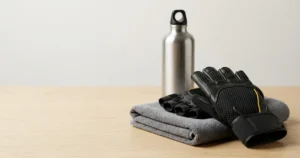
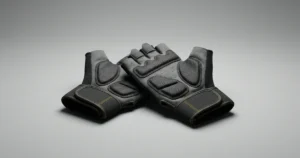
On days you train with weights, keep the walking pad session short, 10-15 minutes, as a warm-up or cool-down rather than a separate cardio block. Wearing proper gym gloves or wrist straps for your lifting session and then finishing with a short walk keeps the whole workout efficient without doubling your gym time.
Even low-impact walking builds up sweat over a 30-minute session, especially at higher inclines. Keep a microfiber workout towel nearby for your hands and neck, and wipe down the handlebars and display after each session, both for hygiene and to stop moisture getting into the electronics over time.
A walking pad works best as one piece of a small, flexible home setup rather than a standalone purchase.
Pairing walking sessions with a few minutes on a vibration platform helps with circulation and muscle recovery, particularly useful if you’re walking daily and want to keep calves and shins from tightening up over weeks of consistent use.
Rotate in short jump rope intervals using a beaded jump rope on days you want higher intensity without needing the walking pad’s full footprint set up. It’s also the more practical option to throw in a suitcase for travel, keeping your cardio habit alive in a hotel room in Riyadh, Jeddah, or anywhere else business or holiday travel takes you.
Home fitness gear improves quickly, quieter motors, better folding mechanisms, smarter displays. It’s worth checking the latest arrivals periodically if you’re deciding between a walking pad now or waiting for a newer model with features like auto-incline or app-based coaching.
Pricing across the UAE and KSA market varies widely depending on motor power, incline features, and brand. Entry-level flat walking pads typically start in the AED 800-1,200 range (roughly SAR 800-1,200), while mid-range units with incline and app connectivity sit closer to AED 1,500-2,500. Higher-end models with stronger motors, larger belts, and auto-incline can run AED 3,000 and above.
Motor strength, belt size, incline range, and build materials are the main cost drivers. Two walking pads that look identical in photos can differ significantly in noise level and motor lifespan, which usually correlates with price more than marketing copy suggests. Don’t chase the cheapest listing purely on price, a slightly higher upfront cost usually means a quieter, longer-lasting motor.
Most walking pads ship folded in a single box and require no tools to set up beyond unfolding and locking the frame, typically a five-minute job. Delivery timelines within Dubai, Abu Dhabi, Sharjah, Riyadh, and Jeddah are generally fast for locally-stocked items, with slower timelines for anything shipped in from overseas warehouses. If you need it quickly, ask specifically whether the unit is held in regional stock before ordering.
Check the warranty period on the motor separately from the frame, some sellers offer a shorter warranty on electronics than on the physical structure. A minimum 12-month motor warranty is a reasonable baseline to look for when comparing options in the UAE and KSA market.
A well-maintained walking pad can last several years of daily use. Neglect shortens that significantly.
Wipe the belt down weekly and check the manufacturer’s guidance on belt lubrication, most walking pads need a small amount of silicone lubricant applied every 2-3 months depending on usage frequency. A dry, unlubricated belt increases motor strain and noise over time.
Dust and fine sand are common in the UAE and KSA, even indoors, and can work into the rollers over months of use. Keep the unit away from open windows or balcony doors where possible, and vacuum around the base periodically to stop debris migrating under the belt.
Fold the unit fully after each session rather than leaving it flat under furniture long-term, this reduces dust buildup on the belt surface and keeps the folding hinge moving freely. If you’re storing it for an extended period, such as during travel, unplug it fully rather than leaving it on standby.
A walking pad earns its place in a UAE or KSA home when it matches how you actually live, tight on space, short on time, and dealing with a climate that pushes cardio indoors for half the year. Get the motor power, belt size, and noise level right, set it up on a dedicated socket with a stable floor, and build it into a routine around your existing day rather than a new one you have to force. Done right, it becomes the piece of gear you use most, not the one gathering dust in the corner.
First, unplug it and check that it’s on its own socket, not sharing a circuit with a kettle, AC unit, or heater. Walking pads with 1.5-2.5 HP motors draw a steady current, and shared extension boards are the most common cause of tripped breakers in UAE apartments. Use the manufacturer’s original power cable, plug directly into a wall socket, and avoid multi-plug adapters. If it still trips on a dedicated socket, the unit itself may have a faulty motor or PCB, and you should contact the seller for a warranty replacement rather than keep resetting the breaker.
Most foldable walking pads need roughly 140cm x 70cm of floor space when in use, and fold down to about 90cm x 70cm x 20cm for storage, small enough to slide under a bed, sofa, or into a closet. Always add 30-50cm of clearance behind the pad for safe stepping off, and check ceiling height if you plan to use an incline setting, since the front end lifts several centimetres higher.
For most small flats in the UAE and KSA, yes. A walking pad is lighter, foldable, quieter, and doesn’t need the 1.5-2 square metres of permanent floor space a full treadmill demands. The trade-off is top speed and incline range, treadmills go faster and steeper for running. If your goal is daily walking, step count, and light cardio rather than sprint training, a walking pad is the more practical fit for apartment living.
Yes. Adding even a 5-10% incline increases the muscular effort of each step, raising heart rate and calorie burn by roughly 20-30% compared to flat walking at the same speed, without needing to walk faster or add impact. It’s the most efficient way to intensify a walking pad session when you’re short on time or space to add speed.
Last updated: September 9, 2026 You have forty-five minutes between a 7am call and a board deck that needs finishing.
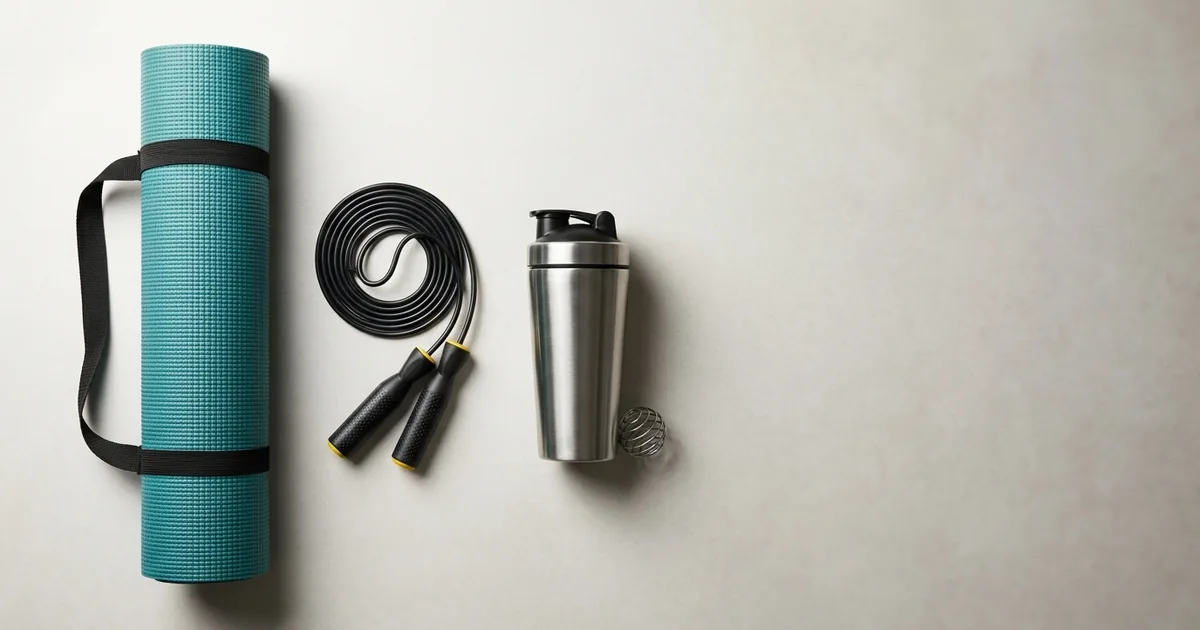
آخر تحديث: 9 سبتمبر 2026 إذا كنت تبحث عن ادوات التمارين الرياضية في المنزل التي تجعل التمرين اليومي أسهل بدون
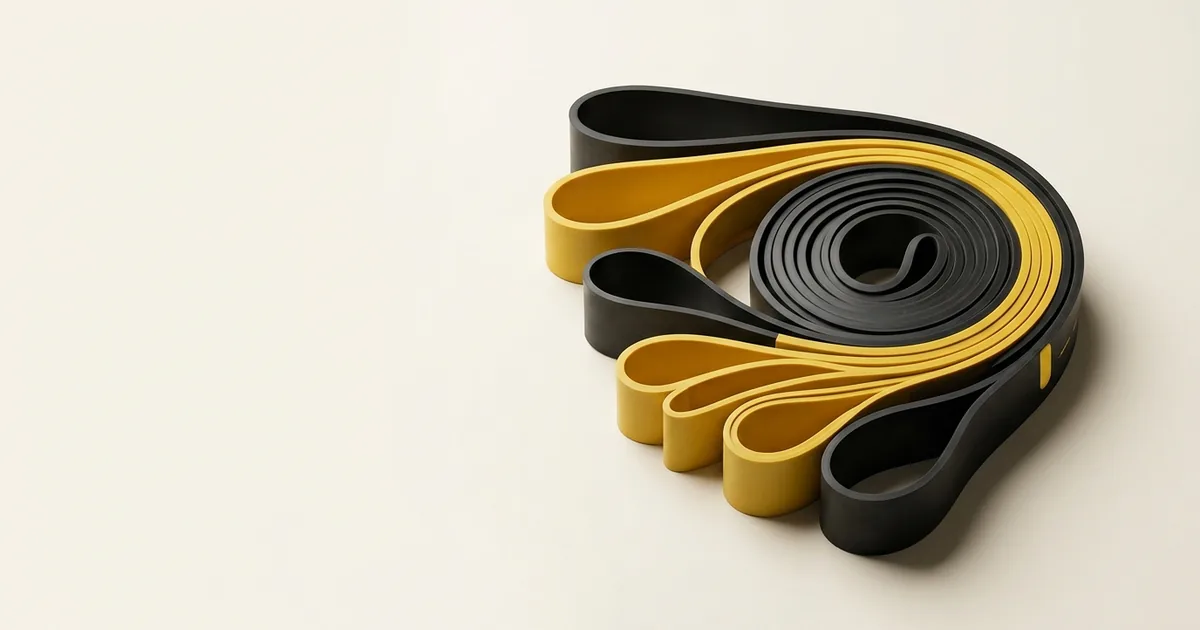
Last updated: September 6, 2026 A resistance band weighs less than a phone charger, fits in a laptop bag, and