
Last updated: August 12, 2026
Grip fails before muscles do. Deadlifts stall, pull-up sets end early, and rows turn into a fight against sweaty palms instead of the target muscle. The fix isn’t always more chalk or stronger forearms – it’s often the wrong pair of gloves standing between you and a solid hold. Knowing how to choose gym gloves for grip means understanding materials, palm construction, fit, and how your training style changes what ‘good grip’ actually means. This guide breaks down every factor that matters, so your next pair works with your hands instead of against them.
Grip is the connection point for almost every compound lift, pulling movement, and hanging exercise. If that connection is unstable, your body compensates in ways that reduce output and increase injury risk. A slipping bar during heavy rows forces the lower back to take on load it shouldn’t. A sweaty pull-up bar cuts a set short well before the back and arms are actually fatigued.
Gloves built for grip solve three problems at once: they absorb sweat, they add friction between skin and steel, and they reduce the pressure that raw metal or knurled bars put on the palm. Choose the wrong pair, though, and you get the opposite effect – a slick synthetic palm that slides more than bare skin would.
If any of this sounds familiar, the issue usually isn’t effort – it’s equipment choice. This is where learning how to choose gym gloves for grip starts paying off in every session.
Grip isn’t one property – it’s a combination of four separate factors working together. A glove can nail one and fail on the others, which is why so many people end up disappointed after buying based on looks or price alone.
This is the texture of the palm material itself. Silicone patches, textured synthetic leather, and rubberized grip dots all increase the coefficient of friction between your hand and the bar. Smooth, glossy synthetic panels look premium but often perform worse than a simple textured cotton-poly blend.
Friction disappears the moment sweat pools on the palm. A glove with poor breathability traps moisture instead of wicking it away, which defeats the purpose of wearing one in the first place. Ventilated backs, moisture-wicking liners, and breathable mesh panels all matter more than most buyers realize.
A glove that shifts, bunches, or leaves gaps between fingers and palm changes your contact point with the bar mid-set. Fit isn’t just comfort – it’s a grip variable. Loose gloves rotate on the hand under load, which feels identical to losing grip entirely.
Padding protects the palm from calluses and pressure points, but placed wrong, it can actually reduce grip by adding a soft, compressible layer between hand and bar. The best gloves place padding only where pressure concentrates – typically below the fingers and along the outer palm – while keeping the primary contact zone thin and grippy.
Not all glove materials are built equal, and marketing language rarely tells you what you’re actually gripping with. Here’s what performs and what underdelivers.
This is the current standard for performance gloves. It’s more breathable than genuine leather, holds texture well after repeated washing, and resists cracking. Look for a matte, slightly textured finish rather than a glossy one – shine usually signals lower friction.
Small silicone dots or patterned strips across the palm and fingers add mechanical grip that works even when the surface is slightly damp. This is one of the biggest upgrades over older cotton or leather-only designs, especially for pulling movements and kettlebell work.
Durable and naturally tacky when dry, but it stiffens over time, absorbs sweat rather than wicking it, and takes longer to dry between sessions. Better suited to occasional lifters than daily training.
Common in budget gloves. Breathable and flexible, but grip is minimal once the fabric dampens. Fine for light training or warm-ups, not ideal for max-effort pulling or pressing.
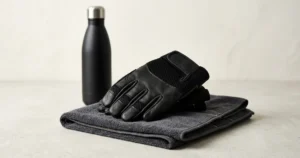
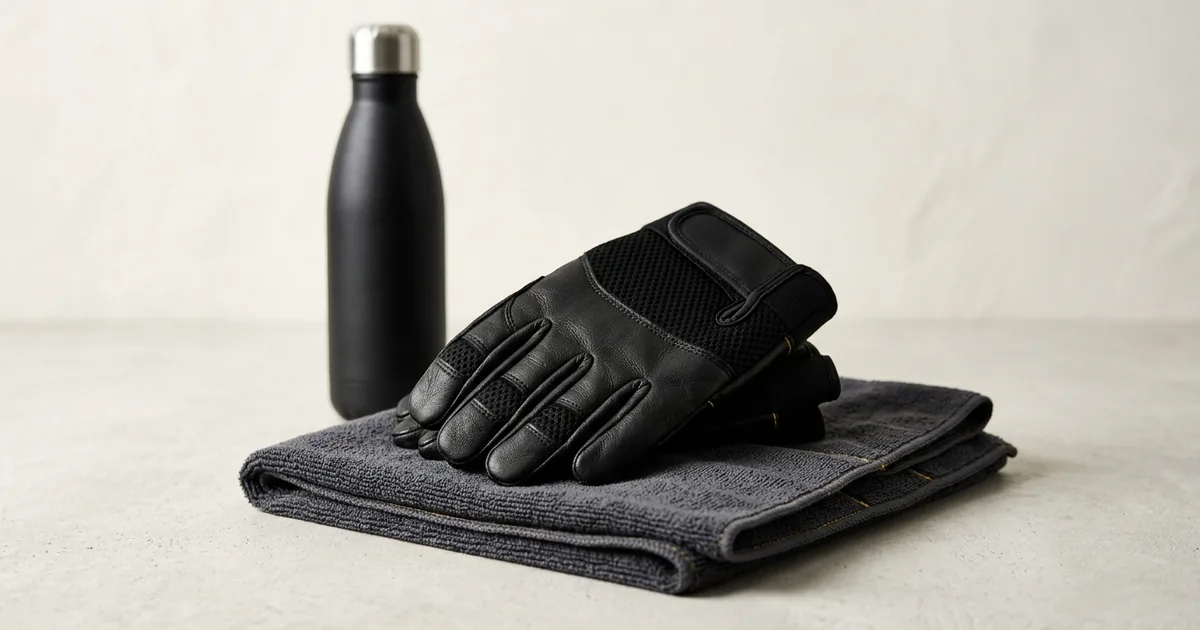
For heavy sweat days, pairing any glove material with a dedicated microfiber workout towel to wipe palms between sets extends grip life significantly – moisture buildup is the fastest way to kill friction regardless of glove quality.
Two gloves can use identical material and still perform completely differently based on how the palm panel is cut and stitched.
Extends grip material across the entire palm, including the heel of the hand. Best for barbell work, rows, and pressing movements where the whole palm makes contact.
Some gloves concentrate texture only at the fingers, leaving the palm smoother. This design suits lighter dumbbell work and machine exercises but underperforms on heavy pulls.
Higher-end designs separate the palm into a padded cushion zone and a thin, high-friction contact zone. This lets you keep protection without sacrificing bar feel, which matters most for deadlifts and pull-ups where direct contact affects control.
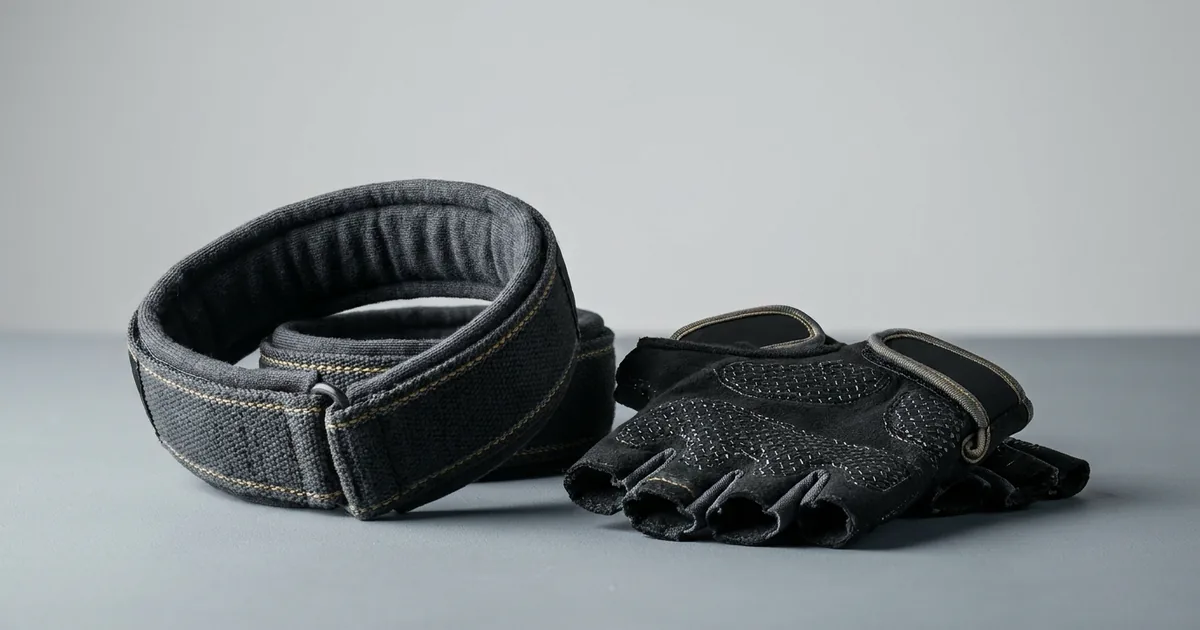
Full-finger gloves protect knuckles and offer more surface area for grip but reduce tactile feedback, which matters for Olympic lifts and dumbbell control. Half-finger and fingerless designs expose fingertips for better feel while still protecting the palm – the more popular choice for general strength training.
Sizing charts get ignored more than any other spec on a glove listing, yet fit affects grip more than material choice in many cases. A glove that’s too big creates loose fabric across the palm that bunches under load. Too tight, and it restricts blood flow and reduces the natural curl of the fingers around the bar.
Wrist stability indirectly affects grip performance. A glove with a weak or missing wrist closure lets the hand shift position under load, which changes how force transfers from forearm to bar. Look for:
Wider straps (4cm+) distribute pressure more evenly and stay secure through multiple sets without loosening.
Longer straps that wrap fully around the wrist offer more adjustability and support than short tabs that barely close the gap.
Some gloves integrate a semi-rigid wrist wrap for added stability during heavy pressing. This is useful for lifters who also train without separate wrist wraps but want extra support on bench and overhead work.
The right glove changes depending on what you’re actually training for. A general-purpose glove works fine for mixed sessions, but dedicated training benefits from a more specific choice.
Prioritize full palm coverage, moderate padding at pressure points, and a snug wrist strap. Grip texture should be aggressive enough to hold through heavy pulls without needing to re-grip mid-set.
Look for thinner, more flexible gloves that don’t restrict wrist mobility during kipping movements or box jumps. Breathability matters more here since sessions combine high heart rate work with grip-heavy stations.
Fingerless designs with reinforced palm padding work best. Since bar contact is constant and repetitive, durability of the grip surface matters as much as initial friction.
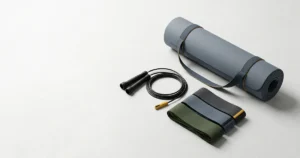
For at-home calisthenics setups, gloves paired with skill work like the beaded jump rope also benefit from grip-focused design, since rope handles rely on the same friction principles as barbells and pull-up bars.
Lightweight, breathable gloves without heavy padding work better here. Sessions that combine grip work with movement on a vibration plate or circuit stations don’t need maximum cushioning, just enough friction to hold handles and equipment securely through fast transitions.
Home training often means shorter warm-ups and less chalk on hand, so grip texture in the glove itself carries more weight. A durable, easy-to-wash pair that doesn’t need constant reapplication of chalk is the practical choice for a home setup.
Portability matters here more than anything else. Compact, lightweight gloves that pack flat without losing shape are worth prioritizing over bulkier padded designs built for a home rack.
Gloves aren’t the only grip solution, and understanding where they fit against alternatives helps clarify whether they’re the right choice for your training.
Chalk removes moisture and adds friction directly to skin, which many powerlifters prefer for maximal barbell contact. The downside is mess, gym restrictions in many commercial facilities, and no protection against callus tearing.
Less mess than powder chalk but still offers no palm protection and wears off faster during longer sets.
Straps wrap around the bar and wrist, transferring grip load to the strap rather than the hand. They’re excellent for grip-limited exercises like heavy rows or shrugs but remove the hand-strengthening benefit of holding the bar directly.
Gloves sit between the two – they protect skin, add friction, and don’t remove the hand’s natural engagement the way straps do. For lifters who want palm protection without fully offloading grip demand, gloves remain the more balanced option. Many serious lifters actually rotate between gloves and straps depending on the exercise, keeping both in a gym gloves and straps collection rather than committing to just one.
A sleek, all-black glove with a glossy synthetic palm often grips worse than a plainer design with textured silicone print. Always prioritize palm material over overall aesthetic.
A glove that traps heat and sweat defeats its own purpose within twenty minutes of training. Check for mesh panels or perforated backs before buying.
Too much padding reduces bar feel and can actually decrease grip security on barbell work. Too little offers no protection for high-rep pulling sessions. Match padding thickness to your primary training style rather than assuming more is always better.
A weak or narrow strap loosens mid-session, which shifts the entire glove and disrupts grip consistency. This is an easy detail to miss when comparing gloves online.
Sizing varies significantly between brands. A medium in one glove can fit like a small in another. Always check hand measurements against the specific chart provided rather than relying on past sizing experience.
Grip texture wears down over time, especially on gloves used for daily training. Knowing how to maintain them extends both lifespan and performance.
Hand wash with mild soap and cold water rather than machine washing, which can break down silicone grip prints and stitching. Air dry fully before the next session – packing away a damp glove encourages material breakdown and odor.
Training daily with a single pair accelerates wear on the grip surface. Rotating between two pairs allows each to dry fully between uses, which preserves texture and reduces bacterial buildup.
Keeping a microfiber towel nearby to wipe palms between heavy sets reduces sweat buildup inside the glove, which keeps grip texture performing closer to its original level for longer.
Once grip texture visibly smooths out, performance drops even if the glove still looks structurally fine. This is usually the point to replace rather than push another few months of use.
Bringing everything together, here’s a practical checklist to run through before buying.
Running through this list takes a few minutes but prevents the common cycle of buying, being disappointed, and replacing gloves every few months.
Gloves work best as part of a broader approach to grip and hand care rather than a standalone fix. Rotating grip demands across a session, using a towel to manage sweat, and incorporating grip-challenging tools like a jump rope all contribute to stronger, more durable hands over time. If you’re setting up a home or travel kit, browsing current new arrivals is a practical way to see the latest grip-focused gear before committing to a full setup.
Choosing the right gym gloves for grip comes down to a handful of concrete factors: palm material and texture, coverage and fit, wrist strap quality, and how well the design matches your actual training style. Skip the marketing language and check these details directly before buying. A well-chosen pair disappears into your training, holding through heavy pulls and long sets without needing constant adjustment. That’s the real test of a good grip glove, and now you know exactly what to look for before your next purchase.
Textured synthetic leather combined with silicone grip print on the palm and fingers offers the strongest, most consistent grip. Avoid glossy synthetic panels, which often perform worse than a plain textured fabric.
Gloves should fit snugly without restricting blood flow. A properly fitted glove has no excess fabric bunching at the palm when you make a fist, since loose material shifts under load and reduces grip stability.
Fingerless gloves are generally preferred for strength training since they expose fingertips for better bar feel while still protecting the palm. Full-finger gloves suit those who want extra knuckle protection or train in colder conditions.
Replace gloves once the grip texture visibly smooths out, padding stops springing back, or the wrist strap loses its hold. For daily training, this typically happens every three to six months depending on material quality and care.
Unlike lifting straps, gloves don’t offload grip demand from the hand, so they don’t significantly reduce grip strength gains. They mainly add friction and palm protection while keeping the hand fully engaged in the lift.
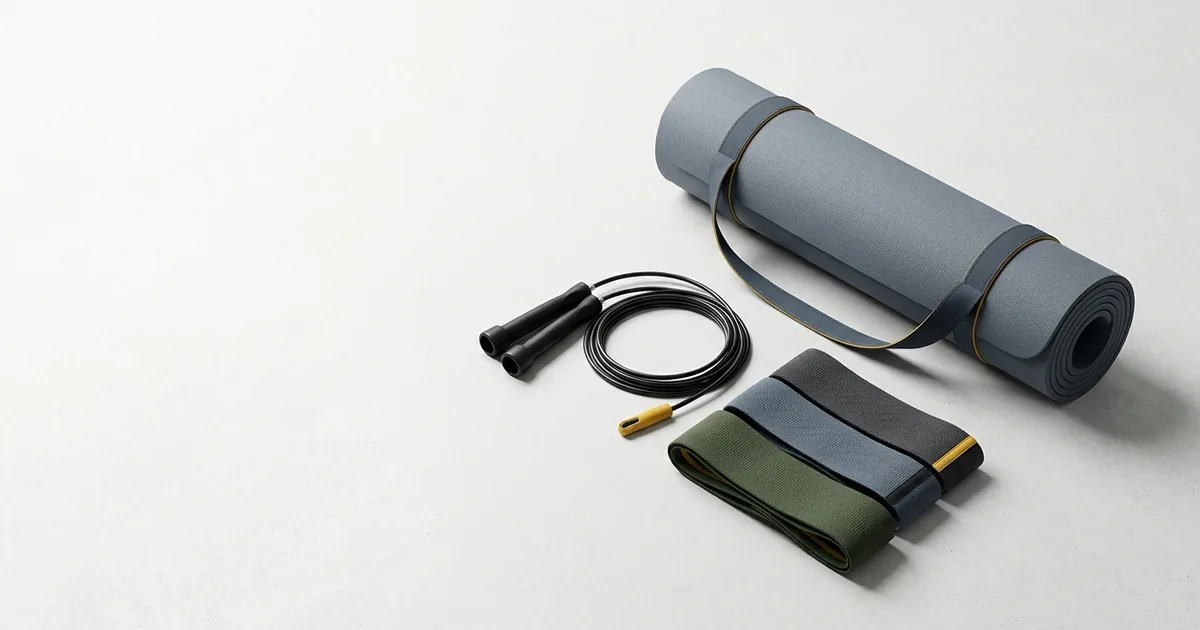
Last updated: September 27, 2026 A resistance band costs less than a single personal training session and fits in a
آخر تحديث: 27 سبتمبر 2026 مساحة غرفة النوم الإضافية أو زاوية من الصالة كافية لبناء روتين تمرين حقيقي، بشرط اختيار
Last updated: September 27, 2026 Typing “best gym near me” into your phone gives you a list ranked by distance,