
Last updated: August 12, 2026
A slippery yoga mat is not a design flaw. It is almost always a cleaning problem. The moment your palms start sliding in downward dog or your feet skate during a warrior pose, the culprit is usually a buildup of sweat, oil, dust, and the wrong cleaning product stripping away the surface texture that gives the mat its traction. Knowing how to clean a yoga mat without ruining the grip is the difference between a mat that lasts three years and one you replace every three months.
This guide breaks down exactly what damages grip, how to identify your mat material, and the correct cleaning routine for daily use, weekly maintenance, and deep restoration. It is written for the realities of training in the UAE and KSA, where heat, humidity, and dust are constant factors in how fast a mat wears out.
Grip is not just about the material a mat is made from. It is a surface condition that changes every time you sweat on it, store it wrong, or clean it with the wrong product. Three things accelerate grip loss:
Once grip starts to go, most people reach for stronger soap or more aggressive scrubbing, which almost always makes the problem worse. The fix is not stronger cleaning. It is correct cleaning.
Every cleaning method in this guide depends on knowing what your mat is made from. Using the wrong approach on the wrong material is the single biggest reason mats lose their grip prematurely.
PVC (polyvinyl chloride) mats are durable, affordable, and common in gyms and home setups across the UAE and KSA. They have a closed-cell surface, meaning sweat sits on top rather than absorbing in. This makes them easy to wipe clean but also more prone to a slick film if sweat is not removed regularly.
TPE (thermoplastic elastomer) is a lighter, more eco-friendly alternative to PVC. It has a slightly more open surface and reacts poorly to strong detergents, which can cause the material to degrade and lose its cushioning along with its grip.
Rubber mats offer some of the best grip available, particularly when damp, but they are sensitive to oil-based cleaners and direct sunlight. Rubber breaks down chemically when exposed to alcohol or citrus-based solvents, so cleaning choice matters even more here.
Cork is naturally antimicrobial and becomes grippier the more you sweat on it, which is the opposite of most materials. However, cork is porous and can absorb liquid cleaners if oversaturated, leading to mold risk in humid climates.
Many premium mats use a PU coating over a rubber or TPE base for maximum grip. This top layer is thin and easily damaged by scrubbing, abrasive sponges, or alcohol, which can peel or cloud the surface permanently.
Before getting into specific routines, these five rules apply to every mat material and every cleaning frequency.
This is the single most important habit for preserving grip long term. A quick wipe-down after every use prevents sweat and oil from settling into the mat’s texture.
Keeping a dedicated microfiber towel in your gym bag also protects the mat during the session itself. Laying a towel over high-sweat zones like the hand and foot placement areas reduces how much oil transfers into the mat surface in the first place, which means less cleaning is needed overall.
If you train five or more times a week, a light wipe-down is not enough. Sweat residue accumulates in layers even with daily cleaning, so a slightly more thorough clean once a week keeps the surface grip consistent.
Once a month, or whenever a mat starts to feel slightly tacky or dull despite regular cleaning, a deeper restoration clean helps reset the surface.
This monthly reset is particularly important in the UAE and KSA, where indoor humidity control and higher ambient sweat rates during training mean oils and salts build up faster than in cooler climates.
Most commercial mat sprays are fine, but many contain alcohol as a fast-drying agent, which is exactly what damages grip over time. These simple DIY recipes are safer for the surface coating on PVC, TPE, rubber, and PU mats.
Mix a few drops of a fragrance-free, alcohol-free castile soap into 500ml of water. This is gentle enough for daily use and effective at breaking down sweat and oil without stripping texture.
Combine one part white vinegar with four parts water for a natural disinfecting spray. Avoid this on cork mats, as the acidity can affect the natural finish, and always ventilate the room since the smell is strong until it dries.
Add 5 to 10 drops of tea tree oil to 500ml of water with a small amount of mild soap as an emulsifier. Tea tree oil has natural antibacterial properties and leaves a light, clean scent without the harshness of synthetic disinfectants.
This section deserves its own space because so much grip damage comes from well-intentioned but incorrect cleaning choices.
These evaporate quickly and feel effective, but alcohol strips the microtexture that creates grip. A mat cleaned repeatedly with alcohol wipes will feel progressively smoother and more slippery, even though it looks clean.
Standard dish soap is formulated to cut grease aggressively, which also means it strips the surface coating designed to create traction. It also tends to leave a residue that attracts more dust.
Unless the manufacturer specifically states the mat is machine washable, the spin cycle and agitation will warp the material, crack PU coatings, and in some cases cause the mat to delaminate into layers.
UV exposure degrades rubber and breaks down the adhesives used in multi-layer mats. Always dry in shade, even if it takes longer.
Anything with a rough texture will physically wear down the surface pattern that creates grip, essentially sanding it smoother over time.
Drying is where most people rush and undo all the benefits of a careful cleaning process. A mat that is rolled up while still damp traps moisture between layers, which leads to mildew, odor, and a slippery film that is difficult to remove.
If your mat has already lost some grip despite good habits, there are a few restoration techniques worth trying before replacing it entirely.
Mix coarse salt with a small amount of water to create a light paste. Gently rub this over the surface in the direction of the texture lines, then rinse thoroughly with a damp cloth. This can lift embedded oils that regular cleaning misses, though it should only be done occasionally, not as a regular routine.
For PVC and TPE mats, a stronger dilution of mild soap left to sit for two to three minutes before wiping can lift deeper residue than a quick pass. Always follow with a plain water wipe to remove all soap film.
Some mats, especially natural rubber and cork, actually improve in grip after several proper cleanings as the surface oils from manufacturing wear off. If a new mat feels slippery in the first few sessions, this is often normal and resolves within two to three weeks of consistent use and cleaning.
If a mat shows visible flaking, peeling of the top coating, permanent discoloration, or a persistent slick feel even after a deep clean and full dry cycle, the surface coating has likely broken down structurally. At that point, no cleaning method will restore grip, and it is time to invest in a new mat.
Cleaning correctly is half the equation. The other half is reducing how much residue builds up in the first place and storing the mat properly between uses.
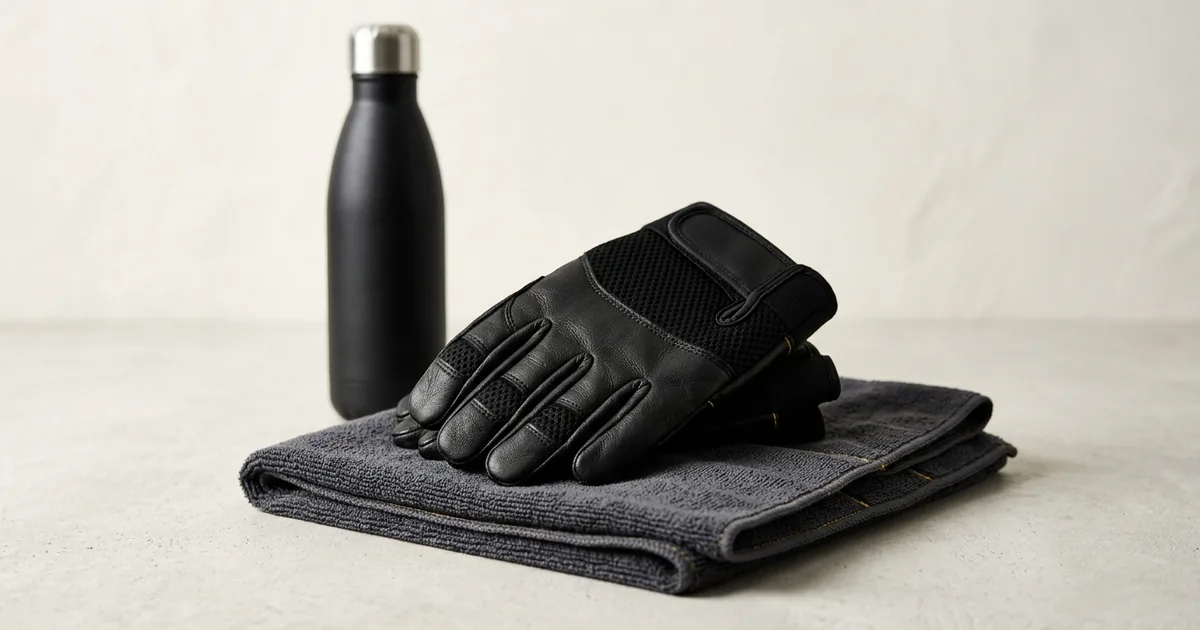
Placing a microfiber workout towel over the mat during hot yoga, intense flows, or humid outdoor sessions dramatically reduces how much sweat and oil reach the mat surface directly. This single habit can double the time between deep cleans.
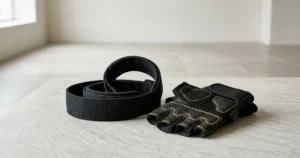
If your palms sweat heavily during strength-based yoga transitions or when combining mat work with resistance training, a pair of gym gloves or wrist straps can reduce direct oil transfer during specific movements, keeping the mat cleaner for longer between sessions.
For anyone training six or seven days a week, owning two mats and rotating between them allows each one a full drying and recovery period, extending the lifespan of both significantly compared to using a single mat daily without a break.
Since Rigid Fitness gear is built around training anywhere, the way you clean and maintain a mat should adapt slightly depending on where you use it most.
At home, you have full control over cleaning frequency and drying space. Pair mat maintenance with a broader home setup, for instance rounding out recovery days with a session on a vibration plate before or after mat-based mobility work, keeping both surfaces clean and residue-free since they are often used back-to-back on the same floor space.
Shared studio floors carry more dust, foot traffic residue, and shared airflow, meaning mats need a slightly more frequent wipe-down, ideally daily rather than every few sessions. Bringing your own microfiber towel and a small travel-size grip-safe spray keeps your gear consistent even when the studio floor is not.
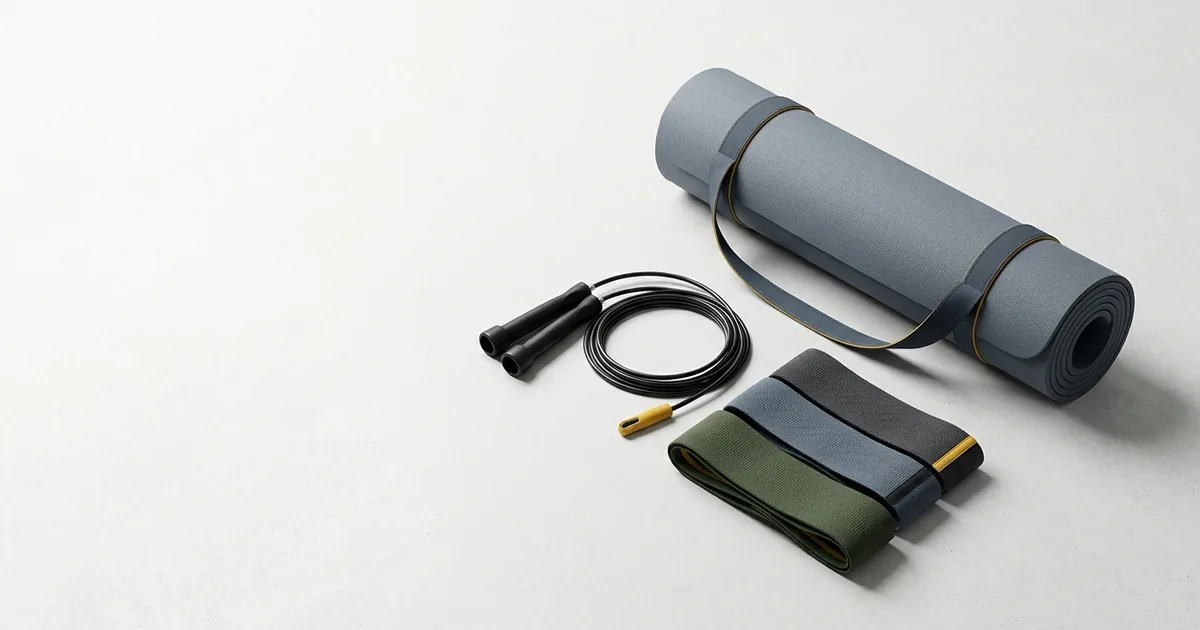
Travel mats face the toughest conditions: hotel room floors, outdoor terraces, sand, and inconsistent drying time. Always pack a microfiber towel to dry the mat before rolling it into a travel bag, since a damp mat sealed in a bag for a flight or a long drive is one of the fastest ways to develop mildew and permanent odor. If you are building a portable routine that includes cardio work, a travel-friendly jump rope pairs well with a compact mat, giving you a full warm-up and mobility session without needing gym-based gear.
A simple, dedicated kit makes consistent cleaning far more likely. A practical setup includes a spray bottle with a grip-safe solution, two microfiber towels rotated between wash cycles, and a drying rack or rail kept free specifically for gear. Keeping this kit alongside the rest of your training setup, including any accessories from the latest gear drops, makes mat maintenance a natural part of the routine rather than an occasional chore.
A yoga mat loses grip for one of three reasons: sweat and oil buildup, the wrong cleaning products, or improper drying and storage. Fixing all three is straightforward once you know your mat’s material and follow a consistent light-cleaning routine rather than reaching for harsh solutions after the damage is already done. Wipe it down after every session, deep clean weekly, avoid alcohol and bleach entirely, and always dry it flat in the shade before rolling. Do this consistently and a good mat will hold its grip for years, whether it is living on your home studio floor, traveling in a gym bag, or rolled out on a hotel room floor halfway through a trip.
Most baby wipes contain alcohol or fragrance additives that strip surface grip over time. If you need a quick fix mid-session, a plain, alcohol-free wipe is safer, but a microfiber towel with a mild grip-safe spray is always the better long-term choice.
Wipe it down after every session, deep clean once a week if you train regularly, and do a full restoration clean once a month. Frequent light cleaning prevents the buildup that eventually requires harsher methods.
This usually means soap residue is being left behind. Always follow a soap-based clean with a second wipe using only water to remove any film before letting the mat air dry fully.
Only if the manufacturer explicitly states it is machine washable. Most mats warp, crack, or delaminate from the spin cycle. Hand cleaning with a light spray and microfiber towel is the safer default for almost every mat material.
Sometimes. A salt scrub for rubber mats or an extended soap clean for PVC and TPE can lift embedded oils and restore some traction. If the surface coating is visibly peeling or flaking, cleaning will not fix it and the mat needs replacing.
Last updated: September 27, 2026 A resistance band costs less than a single personal training session and fits in a
آخر تحديث: 27 سبتمبر 2026 مساحة غرفة النوم الإضافية أو زاوية من الصالة كافية لبناء روتين تمرين حقيقي، بشرط اختيار
Last updated: September 27, 2026 Typing “best gym near me” into your phone gives you a list ranked by distance,