Last updated: August 2, 2026
Training with friends, family, or roommates at home cuts the excuse list in half. No commute, no waiting for a bench, no membership fee. But most people default to random burpees and call it a session. That is not a plan, it is a warm-up. This guide breaks down the best group exercises at home, how to structure them into real workouts, and what gear actually earns a spot in your living room, garage, or majlis.
Why Group Workouts at Home Work
Group training solves the biggest problem in home fitness: consistency. When someone else is waiting for you to show up, you show up. The energy of shared effort pushes intensity higher than solo sessions, and accountability replaces motivation on the days motivation runs low.
Home group workouts also remove the biggest barrier to starting, which is space and cost. You do not need a rack of dumbbells or a room full of stations. Bodyweight-based circuits, partner drills, and a handful of portable tools cover 90% of what a group needs to train hard.
The Core Benefits
- Higher intensity through shared pace and competition
- Lower cost than gym memberships for multiple people
- Flexible scheduling around home, travel, or shared living spaces
- Built-in accountability that solo training rarely provides
- Scalable for 2 people or 10, indoors or outdoors
What You Need Before You Start
Group workouts at home do not require a gym build-out. What they require is a system: enough space to move, a way to track time or reps, and gear that supports multiple people rotating through stations without waiting around.
Space Requirements
A living room, garage, rooftop, or villa courtyard all work. The minimum is enough floor space for a burpee and a lunge in any direction, roughly 2 meters per person. If you are running stations, multiply that by the number of stations you plan to set up.
Minimal Gear, Maximum Output
The goal is portable gear that moves with you, whether that is gym, home, or travel. A few tools cover almost every group format:
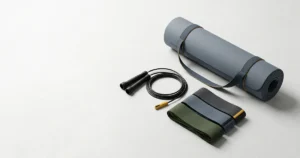
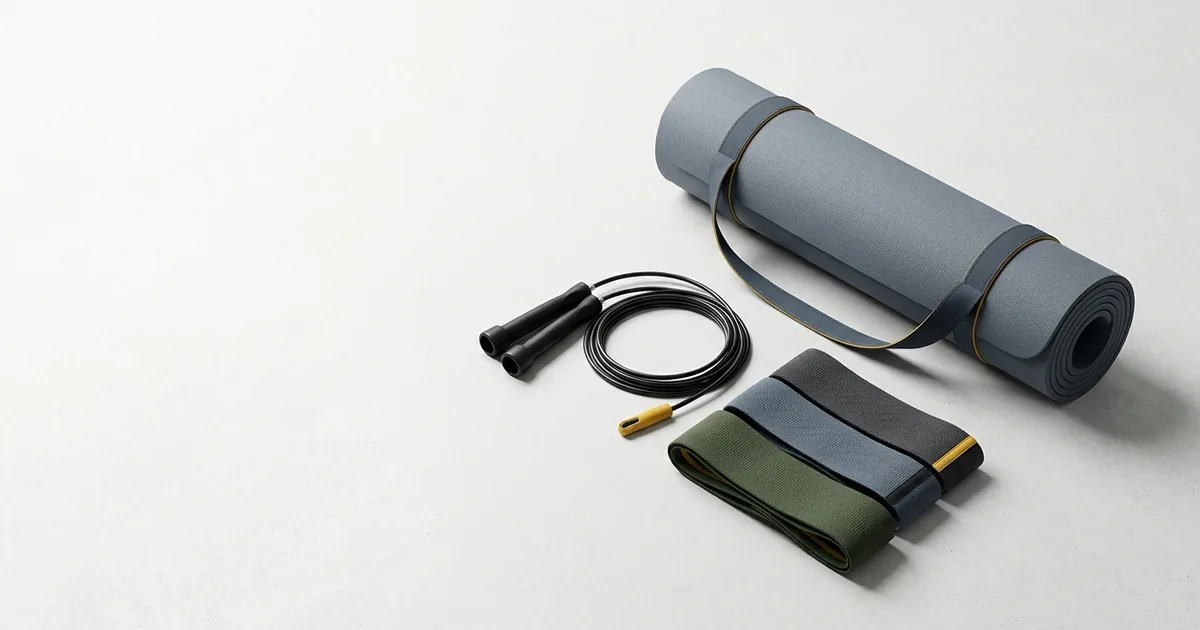
- A jump rope for cardio bursts and warm-ups. The beaded jump rope is tangle-free and adjustable, which matters when multiple people of different heights are rotating through the same rope.
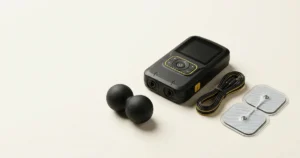
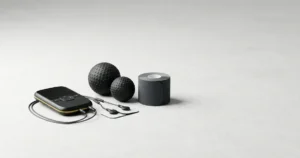
- A vibration plate for activation, mobility, and recovery segments between rounds. The vibration plate works well as a station in a circuit or a shared recovery tool after the main workout.
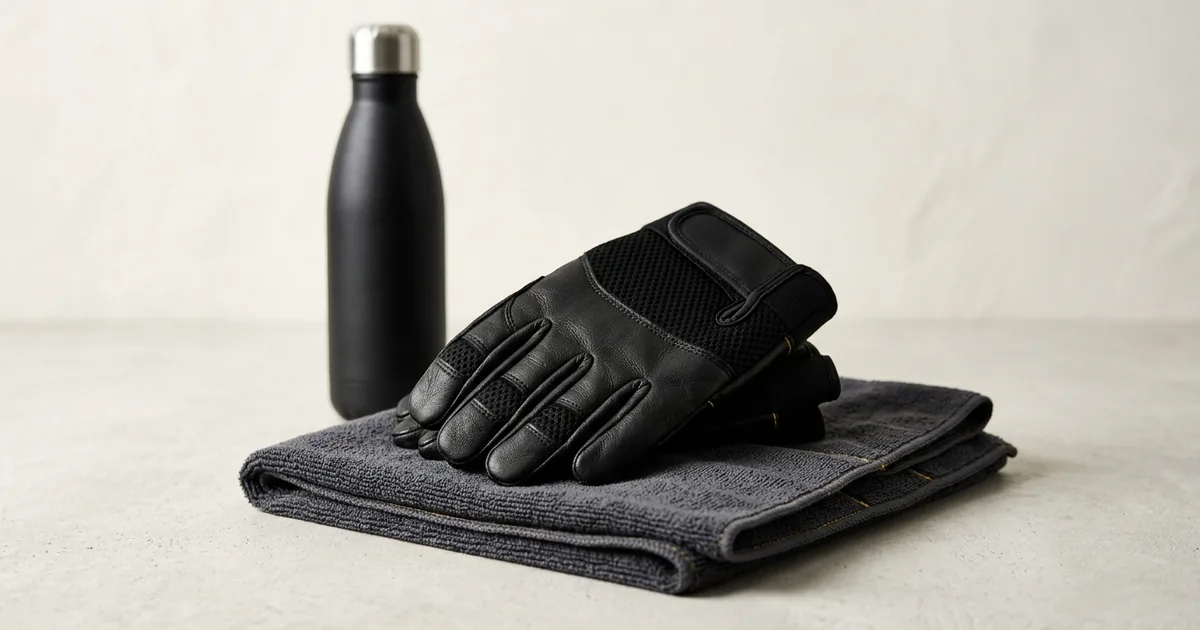
- Microfiber towels for every participant, non-negotiable in UAE and KSA heat. Microfiber workout towels dry fast and pack small, useful for home sessions and outdoor group training alike.
For a full lineup of compact, multi-user gear, check the fitness essentials collection. If you are setting up a dedicated home training corner, the new arrivals page covers the latest additions worth adding to a group setup.
The Best Group Exercises at Home
These exercises are chosen for one reason: they work in groups without a gym rack. They scale by intensity, not by adding heavy gear, and they keep everyone moving instead of standing around.
1. Partner Squat Holds
Two people face each other, hold a squat position, and pass a light object (a towel, a bottle, anything at hand) back and forth for a set time. The isometric hold builds leg endurance while the passing motion keeps both people engaged and accountable to the clock.
How to run it: 30-45 seconds per round, 3-4 rounds, 15 seconds rest between.
2. Mirror Burpees
One person leads a burpee variation, the group mirrors in real time. Rotate the leader every 30 seconds. This keeps intensity high because nobody wants to be the one who slows the group down, and it naturally teaches form since everyone is watching the leader.
3. Jump Rope Relay
Split into pairs or small teams. One person jumps rope for 60 seconds while the other rests or does a static hold (plank, wall sit). Swap. A beaded jump rope handles the wear of multiple users rotating through fast without tangling, which matters more than people expect once four or five people are sharing one rope.
4. Wall Sit Challenge
The whole group holds a wall sit at the same time. Last person standing (or sitting) sets the group record. Simple, zero gear, and brutally effective for building leg endurance and mental toughness as a team.
5. Partner-Resisted Lunges
One partner performs walking lunges while the other applies light resistance by holding both hands and gently pulling back. Switch after 10 lunges each direction. This adds resistance without any external gear, using bodyweight and tension alone.
6. Circuit Stations (4-6 Rounds)
Set up 4 to 6 stations around a room or courtyard. Each station runs for 40 seconds work, 20 seconds rest, then rotate. This is the backbone of most home group workouts because it scales to any group size and any fitness level, since each station can be adjusted individually.
Sample stations:
- Station 1: Jump rope intervals
- Station 2: Bodyweight squats or jump squats
- Station 3: Push-up variations
- Station 4: Plank holds or mountain climbers
- Station 5: Vibration plate activation (squats or calf raises on the plate)
- Station 6: High knees or lateral shuffles
7. Partner Plank Taps
Two people hold a plank facing each other and take turns tapping the other person’s shoulder. This forces core stability under a light balance challenge and keeps two people locked into the same rep count.
8. Group Tabata Rounds
20 seconds max effort, 10 seconds rest, 8 rounds, one exercise per Tabata block. Run it as a group with everyone doing the same movement (squat jumps, push-ups, high knees) so the shared suffering builds group cohesion and pace.
9. Sled-Free Sprint Shuttles
Mark two points 10-15 meters apart. Group runs shuttle sprints in waves of two or three, resting while others go. Works indoors in a long hallway or corridor, or outdoors in any open space.
10. Cool-Down Mobility Circuit
End every session with a shared mobility round: hip openers, shoulder rolls, hamstring stretches, and a few minutes on the vibration plate per person to speed up recovery. Groups often skip this, but it is what keeps people coming back the next day without soreness holding them back.
Sample Group Workout Routines
Structure turns a list of exercises into a real workout. Below are three ready-to-use formats depending on group size and fitness level.
Beginner Format: 20-Minute Foundation Circuit
- Warm-up: 3 minutes jump rope, rotating pairs
- Circuit (3 rounds): Squats, wall sit, plank, partner-resisted lunges – 30 seconds each, 15 seconds rest
- Cool-down: 5 minutes shared mobility, vibration plate rotation
Intermediate Format: 35-Minute Station Rotation
- Warm-up: 5 minutes jump rope relay
- 6-station circuit, 4 rounds, 40 seconds work / 20 seconds rest per station
- Finisher: Group Tabata, 8 rounds of squat jumps
- Cool-down: Mobility circuit with towel stretches
Advanced Format: 45-Minute High-Intensity Team Session
- Warm-up: 5 minutes dynamic stretching plus jump rope
- Mirror burpee ladder (rotate leader every 20 seconds, 5 minutes)
- 8-station circuit, 5 rounds, 45 seconds work / 15 seconds rest
- Sprint shuttles, 6 rounds
- Cool-down: extended mobility, vibration plate recovery per person
Tips for Running Effective Home Group Sessions
Set a Fixed Schedule
Groups fall apart when sessions are casual. Pick two or three fixed days a week and treat them like appointments. Consistency beats intensity when it comes to long-term results.
Rotate the Leader
Do not let one person always run the session. Rotating who leads the warm-up or picks the circuit keeps engagement high and prevents burnout in the person usually organizing everything.
Scale Individually, Train Together
Not everyone in the group will be at the same fitness level. Keep the format shared (same stations, same clock) but let individuals adjust reps, range of motion, or rest. The group structure stays intact even when effort levels differ.
Track Progress as a Group
Log wall sit times, plank durations, or circuit completion times. Seeing the group’s numbers improve over weeks is a stronger motivator than any single person’s individual log.
Keep Gear Shared and Simple
The more gear a group needs, the harder it is to actually run a session. Stick to items that work for multiple users back to back: a jump rope that will not tangle after five different people use it, a vibration plate that fits into a station rotation, and enough towels so nobody is waiting to wipe down before the next round.
Common Mistakes to Avoid
Overcomplicating the Warm-Up
A 15-minute warm-up before a 20-minute workout kills momentum. Keep warm-ups under 5 minutes and dynamic, not static stretching.
Ignoring Rest Ratios
Groups often push work time too high and rest time too low, which leads to form breakdown and injury risk. Stick to proven ratios (40:20 or 30:15) unless the group has a strong training base.
Skipping the Cool-Down
The first thing to get cut when a session runs long is the cool-down. This is backwards. A rushed cool-down leads to stiffness the next day, which lowers turnout for the next session.
Letting One Person Dominate the Pace
If the fittest person in the group sets every pace, others burn out or disengage. Use station formats and individual scaling rather than pure follow-the-leader for the entire session.
Building a Long-Term Home Group Training Habit
The best group exercises at home only work if the group keeps showing up. That means building a routine that is enjoyable enough to repeat, not just effective on paper. Rotate exercise formats every few weeks to prevent boredom, keep a shared gear setup that requires zero setup time, and track group milestones (total workouts completed, best circuit time) to keep momentum visible.
Home group training is not a downgrade from the gym, it is a different tool. It trades machines for movement variety and accountability, and it trades membership fees for a few pieces of gear that move with the group wherever they train, whether that is a living room in Dubai, a rooftop in Riyadh, or a hotel room on a trip.
Conclusion
Group workouts at home succeed when the format is simple, the gear is minimal, and the schedule is fixed. Circuits, partner drills, and shared cardio bursts cover everything a group needs to train hard without a single machine. Add a jump rope, a vibration plate, and a stack of towels, and the setup is complete. The rest comes down to showing up on the schedule and rotating the leader so nobody carries the group alone.
Frequently Asked Questions
What is the best group exercise to do at home with no gear?
Bodyweight circuits are the strongest no-gear option. Squats, push-ups, planks, wall sits, and burpees can all be run as a group circuit with just a timer. Rotating who leads each round keeps intensity and engagement high without needing any equipment.
How many people are needed for effective group workouts at home?
Two people is enough to start, since partner drills like resisted lunges and plank taps only need a pair. Circuit and station formats work best with four or more people, since larger groups can rotate through stations without long wait times.
What gear actually helps a home group workout?
Keep it minimal and portable. A jump rope for cardio bursts, a vibration plate for activation and recovery stations, and enough towels for every participant cover most group formats without adding bulk or setup time.
How long should a group workout at home last?
20 to 45 minutes covers most goals. Beginners should aim for 20-minute circuits, intermediate groups can handle 35-minute station rotations, and advanced groups can push to 45 minutes with sprint finishers and extended cool-downs.
How do you keep a home workout group consistent long-term?
Fix a set schedule of two or three sessions a week, rotate who leads the session, and track group progress like circuit completion times or wall sit records. Visible progress and shared accountability keep turnout high over months, not just weeks.
Gear That Earns Its Spot
The article names two tools that carry most group formats: a tangle-free rope for cardio bursts and a plate for activation and recovery. Kit everyone out with adjustable ropes so different heights can rotate through the same station without waiting.
Shop skipping ropes
Rope or Bands: Which Station First
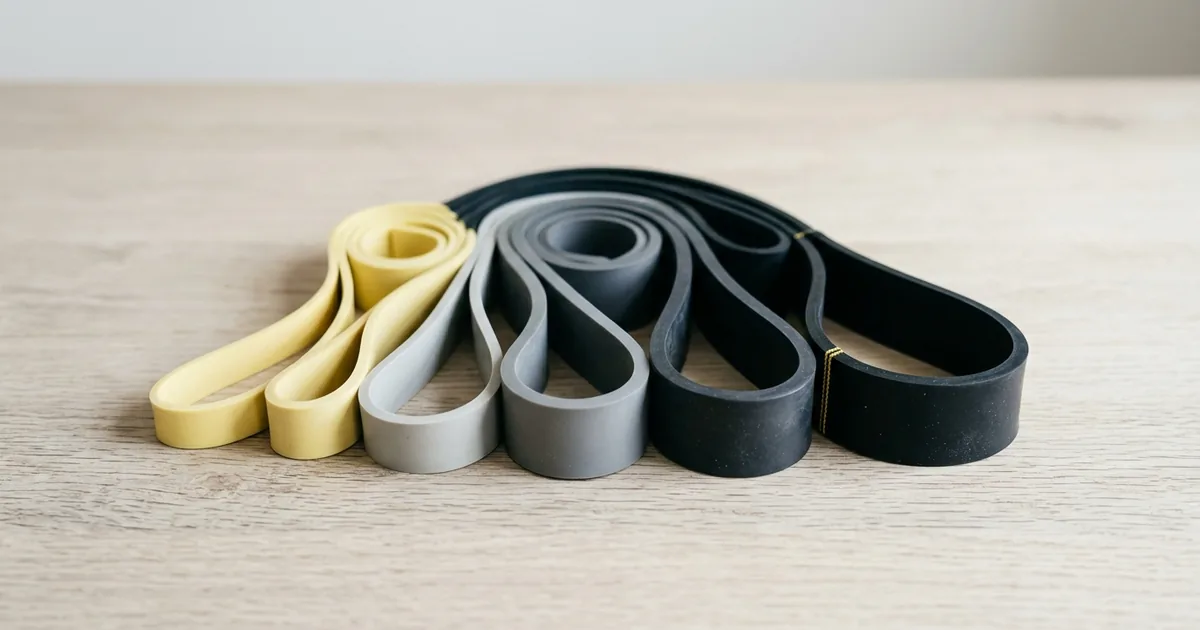
A jump rope drives cardio and warm-ups for any group size. Resistance bands cover strength stations and scale from beginner to advanced by swapping tension, which makes them the better second buy when your circuit needs more than cardio.
Shop resistance bands
Build Your Home Circuit
Portable gear for gym, home, or travel keeps your group training hard without a build-out. Add the vibration plate as a shared activation and recovery station.
Shop vibration plate