
Last updated: August 2, 2026
A workout routine in UAE only works if it survives real life here: 45C summers, long work hours, frequent travel, and gyms that are either premium and far or crowded during peak evening slots. The fix isn’t more motivation. It’s a routine built around three environments you actually live in – the gym, your apartment, and your suitcase – with gear that moves with you.
This guide breaks down a complete, no-fluff workout routine for UAE residents, whether you’re based in Dubai, Abu Dhabi, Sharjah, or commuting between cities for work. You’ll get weekly splits, home and travel alternatives, gear recommendations priced in AED, and the recovery habits that actually prevent burnout in this climate.
The UAE lifestyle creates specific obstacles that a generic fitness plan ignores. Understanding them is the first step to building a routine that sticks.
From May to September, outdoor running, cycling, or calisthenics in the park are off the table for most of the day. That pushes training indoors, either into a gym or your living room. A routine that assumes year-round outdoor access will collapse the moment summer hits.
Long commutes, late meetings, and shift patterns common in Dubai and Abu Dhabi mean the 6-8pm gym slot is often unusable. Peak-hour crowding at commercial gyms means waiting for equipment, which kills workout consistency fast.
Business travel, weekend trips to Oman or KSA, and regular visits home mean UAE residents lose gym access more often than the average fitness plan accounts for. Routines that only work inside a gym fall apart the moment you’re in a hotel room in Riyadh or Muscat.
New arrivals rebuild their fitness routine from scratch every time they relocate, wait for a gym membership to activate, or move apartments. A routine anchored to portable gear survives all of that.
Instead of picking one training location and hoping life doesn’t interfere, build your routine around three interchangeable environments: gym, home, and travel. Each session in your weekly split should have a home or travel substitute ready, so missing the gym never means missing the workout.
Use gym days for heavy compound lifts that need barbells, racks, or cable stations: squats, deadlifts, bench press, pull-ups, rows. This is where you build raw strength that’s harder to replicate at home.
Home days cover conditioning, mobility, core work, and strength work using compact gear. This is where a vibration plate earns its space, it delivers a full lower-body and core activation session in 15-20 minutes without needing a rack or bench, which matters in a Dubai apartment where floor space is limited.
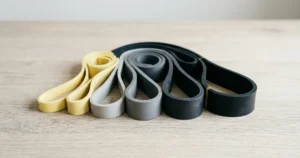
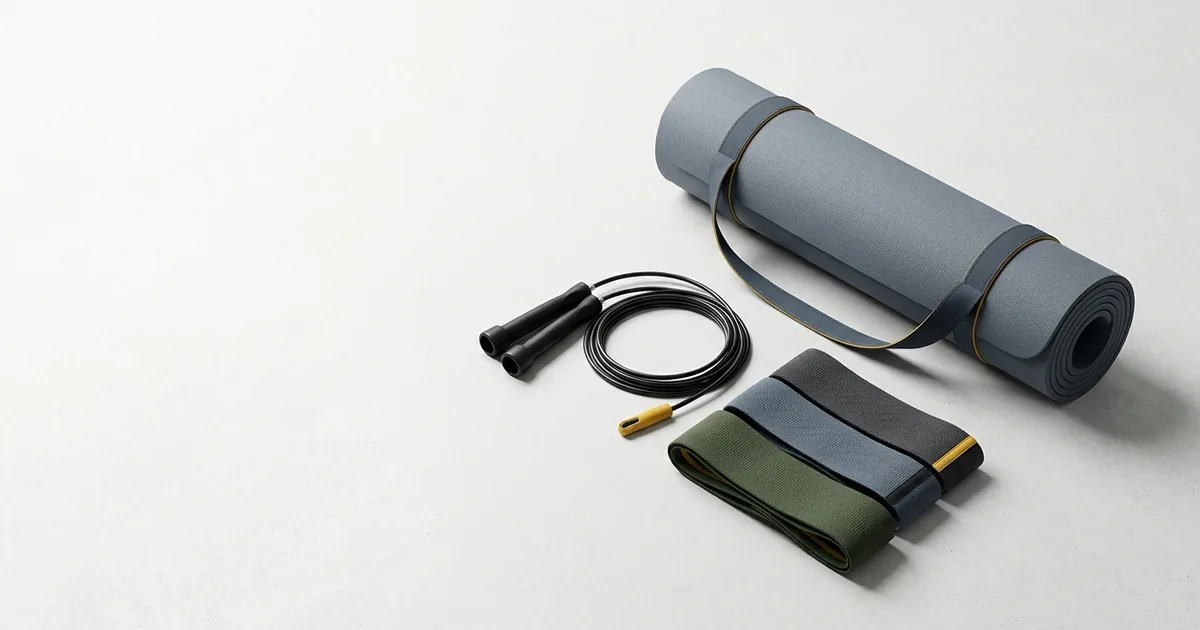
Travel days are about maintaining, not building. A resistance band, an adjustable jump rope, and 20 minutes is enough to keep your engine running between gym blocks. The goal isn’t progress on these days, it’s not losing what you built.
Below is a 5-day split designed for someone splitting time between a commercial gym, a home setup, and occasional travel. Adjust volume based on your current fitness level, but keep the structure.
This is where a vibration plate session pairs well with mobility work. Ten minutes of vibration plate squats and calf activation, followed by 15 minutes of stretching, keeps blood flow moving without adding fatigue before your next lifting day.
This is jump rope day. A 20-minute skipping session, structured as 30 seconds on, 30 seconds rest for 20 rounds, builds cardiovascular capacity without needing a treadmill. An adjustable, tangle-free beaded jump rope is the single most portable conditioning tool you can own, it fits in carry-on luggage and works on hotel room flooring, apartment balconies, or gym turf equally well.
Full rest or a light 30-minute walk in the cooler evening hours. In summer, this often means a walk inside a mall or a treadmill session instead of outdoors.
Most UAE homes, especially in Dubai and Abu Dhabi, are apartments with limited floor space and shared building gyms that get crowded. A home routine needs to work within a small footprint.
Browse the full range of compact home gear in the fitness essentials collection to build a setup that fits your space and budget in AED.
This circuit needs less than 2 square meters of floor space and no rack, bench, or barbell. It’s built for a spare room, a balcony, or a hotel suite.
UAE residents travel constantly, whether for work across the GCC or weekend trips to KSA, Oman, or further. A travel routine has one job: prevent a two-week trip from erasing two months of gym progress.
Fifteen minutes is enough to maintain conditioning and keep the habit alive. The goal on a business trip isn’t a personal best, it’s staying consistent enough that returning to your full routine takes zero ramp-up time.
Recovery is where most routines quietly fail. The UAE climate, combined with air-conditioned indoor training and long work hours, creates specific recovery needs that get ignored.
Indoor training in the UAE still runs hot due to humidity and limited airflow in home setups. Sweat loss during a 45-minute session can be significantly higher than the same workout in a cooler climate. Rehydrate with water and electrolytes, not just water, especially after conditioning days like jump rope circuits.
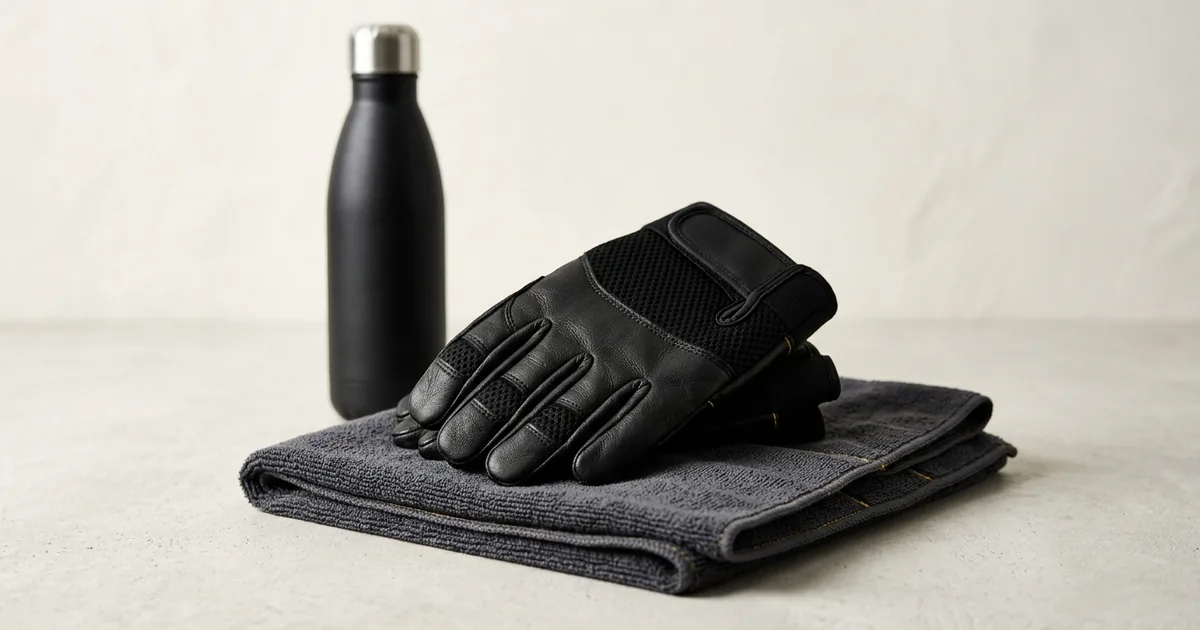
Quick sweat management keeps grip secure on equipment, prevents slipping during floor work, and matters for hygiene in shared gym spaces. A dedicated microfiber workout towel absorbs faster than cotton and dries quickly, useful whether you’re at a commercial gym, training at home, or packing for a trip.
Constant air conditioning changes sleep quality for many residents. Keep bedroom temperature consistent, avoid late caffeine, and treat 7-8 hours of sleep as part of the routine, not an afterthought. Under-recovered training in the UAE compounds faster because heat exposure during the day already adds baseline fatigue.
Ten minutes of stretching after conditioning days keeps joints mobile, especially for anyone sitting at a desk for 9+ hours, which describes most of the UAE’s office workforce. Pair this with a vibration plate session for a combined mobility and circulation routine that takes under 20 minutes total.
A workout routine in UAE needs to account for a food culture built around convenience, delivery apps, and long social dinners. None of that is a problem if the basics are handled.
Aim for a palm-sized protein source at each meal. UAE grocery access to chicken, fish, eggs, and dairy is excellent, so this is rarely a supply issue, it’s a planning issue. Meal-prepping two to three days at a time solves most of it.
If you train in the evening after work, eat a light meal 2-3 hours before and a proper meal after. If you train early morning, a small pre-workout snack like a banana or dates is enough given the shorter session length typical of before-work training.
Frequent café culture in Dubai and Abu Dhabi means sugary coffee drinks add up fast. This isn’t about cutting them out, it’s about accounting for them in your weekly intake so they don’t silently offset your training effort.
A routine that only works at a specific gym collapses the moment membership lapses, travel happens, or a summer heatwave changes your schedule. Build the home and travel layer from day one, not as a backup plan after you’ve already fallen off.
Training hard indoors without adjusting for the added heat load of the UAE climate leads to under-recovery. Increase hydration and slightly reduce volume during peak summer months rather than pushing the same program you’d run in a cooler country.
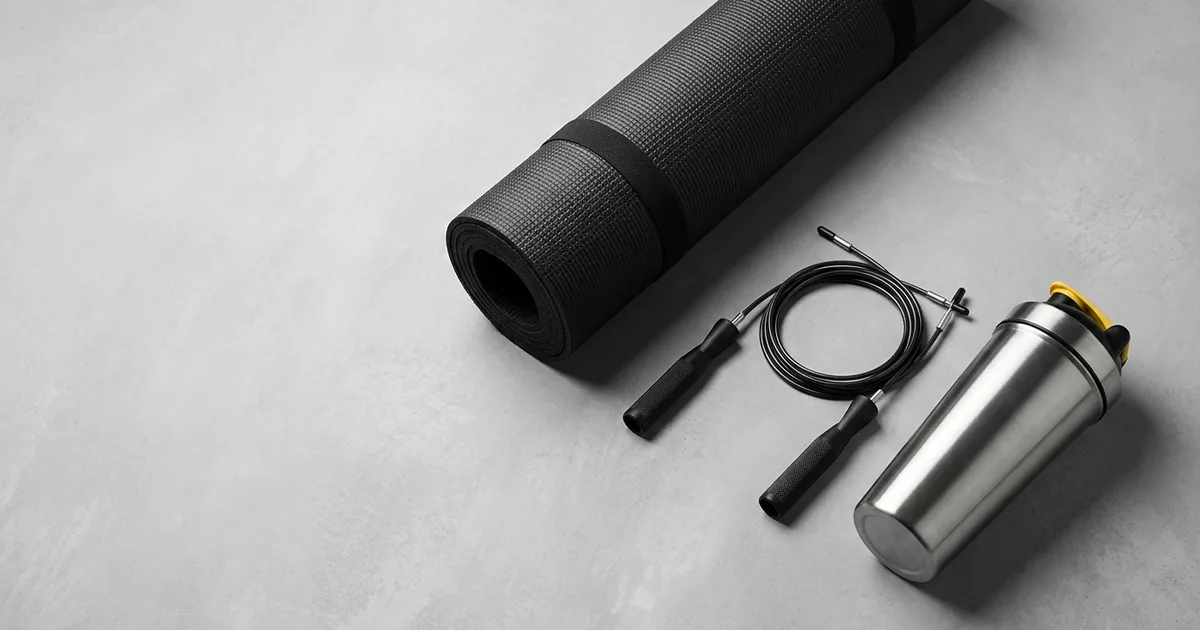
You don’t need a home gym. You need three to four pieces of gear that cover strength, cardio, and recovery. A vibration plate, a jump rope, resistance bands, and a good towel cover most of what a small-space routine needs.
Treating every day as a training day in a high-stress work environment leads to burnout faster in the UAE than in slower-paced markets. Build in at least one full rest day and one active recovery day every week.
Budget matters, and the good news is a complete home and travel setup doesn’t require a large investment. A vibration plate typically runs a few hundred AED and covers years of use across circulation, activation, and short conditioning sessions. An adjustable jump rope costs a fraction of that and remains the single best value item for portable cardio. Microfiber towels are a low-cost addition that solves a daily friction point in both gym and travel settings.
Check the new arrivals section regularly for the latest additions to the range, since gear gets added and refreshed based on what UAE and KSA customers are actually asking for.
Everything above applies just as directly to Riyadh, Jeddah, and other Saudi cities, where the same heat, travel patterns, and apartment-living realities exist. Pricing for the same gear in Saudi Arabia runs in SAR, and delivery timelines follow the same regional logistics that serve the wider GCC. The three-environment approach, gym, home, travel, works identically whether you’re based in Dubai or Riyadh.
A workout routine in UAE succeeds when it’s built for the life you actually have, not the life a generic fitness plan assumes. Structure your week around gym, home, and travel days, keep a small set of portable gear ready at all times, and treat recovery as part of the program rather than an extra. Consistency beats intensity here, and portable gear is what keeps consistency possible through summer heat, business travel, and packed work schedules.
Four to five training days works well for most people, split between strength, conditioning, and one active recovery day. This fits around typical UAE work schedules without burning out during peak summer heat.
Yes. A vibration plate, an adjustable jump rope, resistance bands, and a mat cover strength activation, cardio, and mobility work in under 2 square meters of space, ideal for Dubai and Abu Dhabi apartments.
Pack a jump rope, a resistance band, and a microfiber towel. A 15-minute hotel room circuit maintains conditioning so you don’t need to rebuild your fitness after every trip.
Yes. Indoor sessions still run hotter due to humidity, so increase hydration, slightly reduce volume during summer months, and prioritize recovery days more than you would in a cooler climate.
Yes. The gym, home, and travel structure applies the same way in Riyadh or Jeddah, with gear priced in SAR and delivered on similar regional timelines.
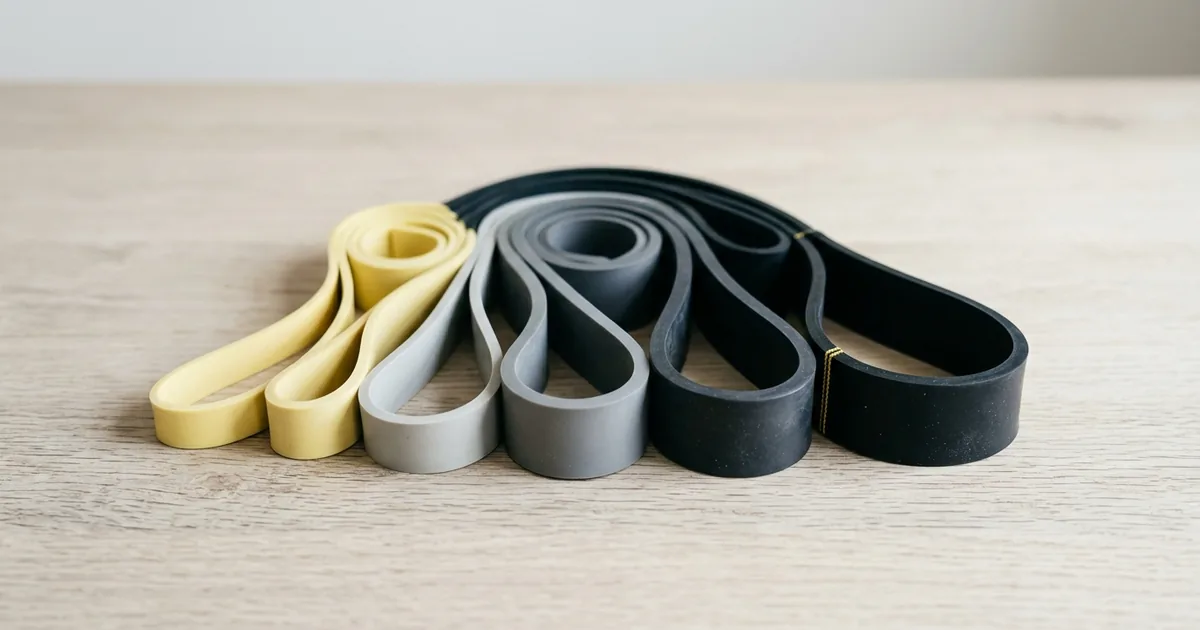
Last updated: September 27, 2026 A resistance band costs less than a single personal training session and fits in a
آخر تحديث: 27 سبتمبر 2026 مساحة غرفة النوم الإضافية أو زاوية من الصالة كافية لبناء روتين تمرين حقيقي، بشرط اختيار
Last updated: September 27, 2026 Typing “best gym near me” into your phone gives you a list ranked by distance,