
Last updated: July 29, 2026
If you searched ‘gym towel cotton on body,’ you’re probably comparing the classic cotton gym towel, the kind sold by lifestyle brands like Cotton On Body, against what you actually need for training. That search sits at an interesting crossroads: cotton is familiar and affordable, but it’s not always built for the way modern training happens, across a gym floor, a home setup, and a suitcase. This guide breaks down what a cotton gym towel really offers, where it falls short, and how to choose the right towel for your training style, whether you stick with cotton or move to a purpose-built microfiber alternative.
The phrase usually points to one of two things. First, a literal search for gym towels sold by Cotton On Body, an Australian activewear and accessories label known for casual, affordable gym basics. Second, a broader search for any cotton gym towel that performs well ‘on body,’ meaning against sweat, skin contact, and repeated use during a workout. Both searches lead to the same underlying question: is cotton the right fabric for a towel you’ll sweat into several times a week?
Cotton has been the default gym towel material for decades. It’s soft, cheap to produce, and easy to find in supermarkets, department stores, and activewear shops. But ‘default’ doesn’t always mean ‘best fit for your routine.’ Once you understand how cotton behaves under sweat, heat, and repeated washing, you can decide whether a classic cotton towel or a technical microfiber towel matches how and where you train.
Cotton towels are woven from natural plant fibers, usually 100% cotton or a cotton-polyester blend. The weave is typically a terry loop construction, the same structure used in bath towels. Loops of yarn stand up from the base fabric, creating surface area that traps moisture. This is why cotton towels feel plush and absorbent when you first pick them up.
GSM (grams per square meter) measures towel density. Cotton gym towels usually range from 300 to 500 GSM. Higher GSM means a thicker, heavier towel with more absorbency per wipe, but also more bulk and a longer dry time. Lower GSM cotton towels are thinner and dry faster, but they hold less sweat before you have to wring or reposition them.
Retail cotton gym towels typically come in three size categories:
Cotton feels good against skin right out of the pack. There’s no break-in period, no odd synthetic texture. For people who prioritize comfort over technical performance, this matters.
Cotton towels are everywhere, in supermarkets, pharmacies, and activewear stores, usually at a low AED price point. You don’t need a specialty fitness retailer to grab one on the way to a workout.
Most people grew up with cotton towels at home. There’s no learning curve, no new washing rules to remember, no unfamiliar fabric care instructions.
Cotton fibers absorb water into their core, which is great for a single wipe but bad for reuse. Once a cotton towel is damp, it stays damp for hours. If you train twice a day, or travel with one towel for multiple sessions, cotton becomes a liability, you’re stuffing a wet towel into a gym bag and hoping it doesn’t smell by the next use.
A 400 GSM cotton towel takes up real space in a gym bag or carry-on. For people who travel with a portable workout kit, that bulk competes with space needed for shoes, a jump rope, or resistance bands.
Because moisture sits inside the fiber rather than evaporating quickly, cotton towels are more prone to picking up a musty smell after a few uses, especially in humid climates like the UAE and KSA. That smell often lingers even after a wash if the towel wasn’t fully dried beforehand.
Thick cotton towels take longer to wash and dry properly, which means you need a bigger rotation of towels to always have a dry one ready. That’s more laundry, more storage, and more cost over time.
Since ‘gym towel cotton on body’ searches often lead people to compare cotton with newer synthetic options, here’s how the two stack up across the factors that matter most during actual training.
Cotton absorbs slowly but holds a lot of moisture once saturated. Microfiber absorbs faster per wipe, thanks to a much higher surface area from split fibers, and can hold several times its weight in water. For high-intensity intervals where you need quick wipes between sets, microfiber reacts faster.
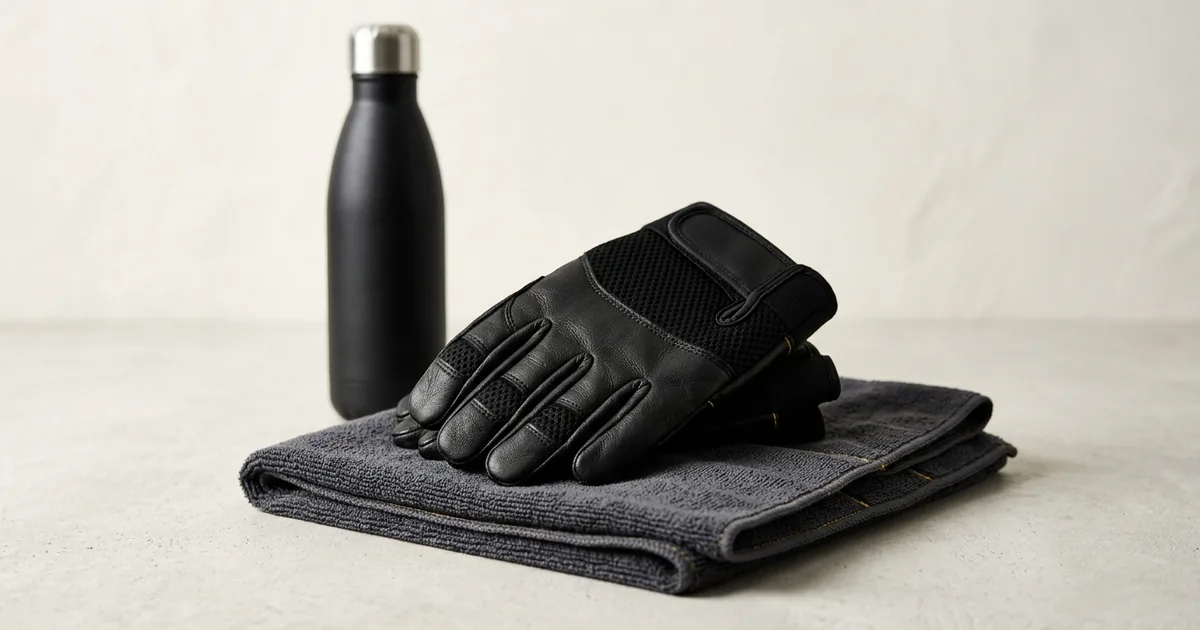
Cotton towels are noticeably heavier and bulkier for the same surface area. Microfiber towels compress into a fraction of the space, which matters if your gear needs to fit into a gym bag alongside shoes, a bottle, and other portable workout gear. This is a core reason Rigid Fitness built its microfiber workout towels specifically around the gym, home, and travel use case, not just the gym floor.
Because microfiber dries fast, bacteria and mildew have less time to grow between uses. Cotton, staying damp longer, gives odor-causing bacteria more opportunity to build up, especially if towels are left folded in a bag after a workout.
Cotton towels lose absorbency over time as fibers mat down and fabric softener residue builds up. Microfiber, when washed correctly without fabric softener, tends to hold its absorbency and quick-dry properties longer.
At a commercial gym, you’re wiping down benches, controlling sweat on your grip, and managing your own comfort between sets. A mid-size towel, cotton or microfiber, works here, but if you’re training back-to-back sessions or sharing a locker with wet gear, a fast-drying towel keeps things more manageable.
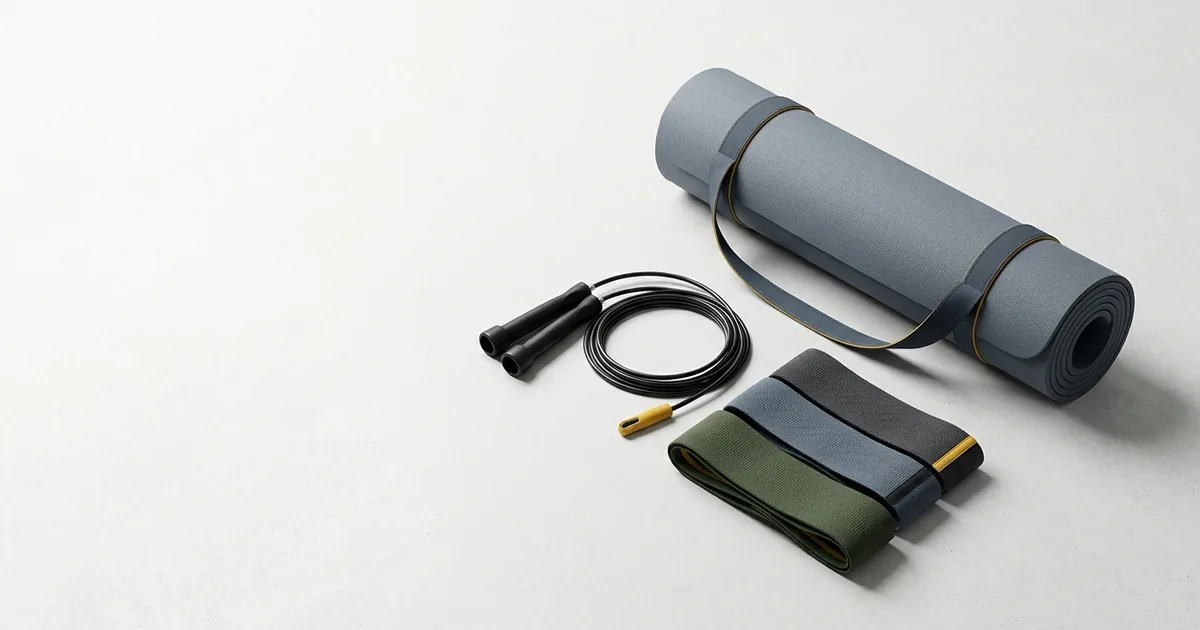
A gym towel is rarely the only piece of gear you’re carrying. Most people training across gym, home, and travel settings are also managing a jump rope, a mat, maybe a vibration plate for recovery days, and general fitness accessories. When you’re assembling a kit meant to move with you, weight and dry time on every item start to compound.
You can browse the current lineup of fitness essentials or check what’s new in new arrivals to build a kit that matches this gym, home, and travel approach without duplicating bulky gear you already own.
Best for quick face and neck wipes during strength training or short interval sessions. Easy to clip to a bag or bench, minimal bulk.
High-intensity interval training and heavy sweat sessions call for a towel you can wipe with frequently, meaning fast absorbency and quick dry matter more than surface area. Strength training with longer rest periods is more forgiving, a cotton towel’s slower absorbency isn’t as much of a problem when you’re not reaching for it every 30 seconds.
Wash cotton gym towels in warm water, avoid fabric softener since it coats fibers and reduces absorbency over time, and make sure they’re fully dried before storage to prevent mildew smell. Cotton towels benefit from a wash after every one or two uses if you’re training in hot, humid conditions.
A towel that feels great in the store but takes four hours to dry becomes a daily frustration once it’s part of your actual routine. Prioritize function over first-touch feel if you train often.
A cotton gym towel, whether from Cotton On Body or any other retailer, isn’t a bad choice, it’s soft, affordable, and familiar. But once you factor in dry time, weight, and how well it holds up across gym, home, and travel use, cotton starts to show its limits. If your training moves with you, between a commercial gym, a home setup, and the occasional trip, a fast-drying, compact towel solves problems cotton simply can’t. Build your kit around gear that keeps up with your schedule, not the other way around.
Cotton works fine for occasional or single daily sessions, but it dries slowly and can hold odor if you train more than once a day or don’t wash it frequently. For daily use, especially in humid climates, a fast-drying fabric holds up better between washes.
A mid-size towel around 40cm x 80cm is the most versatile choice. It’s large enough for general sweat control and wiping down surfaces, but compact enough to pack in a gym bag or carry-on without adding much bulk.
Cotton fibers absorb moisture deep into the fabric, so if the towel isn’t fully dried before its next use or before storage, bacteria builds up and causes a lingering smell. Fabric softener can also coat the fibers and trap odor over time, so it’s best avoided.
Microfiber absorbs sweat faster per wipe, dries in a fraction of the time, and packs lighter than cotton. It’s a better fit if you train more than once a day, travel with your gear, or want a towel that doesn’t add bulk to a gym bag.
Wash after every one or two uses if training in hot or humid conditions. Keeping two to three towels in rotation lets one dry and one stay clean and ready while another is in use, which reduces odor buildup and wear.
Last updated: September 27, 2026 A resistance band costs less than a single personal training session and fits in a
آخر تحديث: 27 سبتمبر 2026 مساحة غرفة النوم الإضافية أو زاوية من الصالة كافية لبناء روتين تمرين حقيقي، بشرط اختيار
Last updated: September 27, 2026 Typing “best gym near me” into your phone gives you a list ranked by distance,