Last updated: July 26, 2026
The protein powder vs whole food debate gets treated like a religious argument when it should be a math problem. One gram of protein from whey and one gram of protein from chicken breast do roughly the same job inside a muscle cell. The real question is not which one is ‘better’ in the abstract, it is which one fits your training schedule, your budget, and your ability to actually hit your daily protein number without skipping meals or choking down dry chicken at 11pm. This guide breaks down the science, the cost, and the practical logic so you can build a protein strategy instead of picking a side.
What Protein Powder Actually Is
Protein powder is an isolated or concentrated form of protein extracted from a source, usually milk (whey or casein), soy, pea, rice, or a blend of plant proteins. The extraction process strips away most of the fat, carbs, and fiber that normally come attached to that protein source, leaving a concentrated dose you can mix into water or milk in under a minute. A standard scoop delivers 20-30g of protein with minimal digestion effort, which is why it became the default post-workout tool for anyone training seriously.
Whey protein comes in three main forms. Concentrate keeps a small amount of lactose and fat, isolate strips most of it out and pushes protein content above 90%, and hydrolysate pre-breaks the protein chains for even faster absorption. Casein digests slowly and is often used before bed. Plant-based powders (pea, rice, hemp) are the go-to for dairy-free or vegan lifters, though they usually need to be blended to hit a complete amino acid profile.
What Counts as Whole Food Protein
Whole food protein is anything that hasn’t been processed into a powder or isolate: chicken, eggs, fish, beef, lentils, Greek yogurt, cottage cheese, tofu, and dairy. These sources deliver protein packaged with fiber, healthy fats, vitamins, and minerals that a powder simply cannot replicate. A 200g chicken breast gives you roughly 46g of protein along with B vitamins and zinc. A cup of lentils gives you 18g of protein plus 15g of fiber, something no protein shake will ever offer.
The tradeoff is time. Whole food requires shopping, cooking, and cleanup. It also digests slower, which is an advantage for satiety but a disadvantage when you need protein fast, like right after a heavy session at the gym or during a packed travel day.
The Real Difference: Speed vs Substance
Strip away the marketing and the entire protein powder vs whole food debate comes down to one tradeoff: speed versus substance. Powder wins on speed, convenience, and precision dosing. Whole food wins on nutrient density, satiety, and long-term dietary variety. Neither wins on muscle-building outcomes alone, because multiple studies tracking total daily protein intake show that once you hit your target grams per day, the source matters far less than people assume.
What actually matters more than the source is consistency. Someone who hits 140g of protein daily from whole food will out-build someone who inconsistently hits 90g from shakes. The debate should never distract from the real variable, which is total daily intake matched to your training volume.
Protein Powder vs Whole Food: Nutrient Comparison
Protein Quality and Absorption
Whey isolate has one of the highest biological values of any protein source, meaning your body absorbs and uses a very high percentage of what you consume. Whole eggs and dairy are close behind. Whole food sources like beef and chicken are excellent too, but they take longer to break down because of the fat and connective tissue surrounding the protein. This is why powder is favored immediately post-workout, when faster amino acid delivery to muscle tissue is the priority, while whole food is favored for meals spread across the day.
Micronutrients and Fiber
This is where whole food wins outright. A shake gives you protein and little else. A plate of grilled salmon, quinoa, and broccoli gives you protein, omega-3s, complex carbs, fiber, and a spread of micronutrients your body needs for recovery, hormone production, and gut health. Relying on powder for the majority of your daily protein intake, without whole food backing it up, is a fast way to end up with poor fiber intake and sluggish digestion.
Cost Per Gram of Protein
In the UAE and KSA, a standard 2kg tub of whey protein typically runs between AED 250 and AED 450, delivering around 60-65 servings of 25g protein each. That works out to roughly AED 4-7 per 25g of protein. Whole food protein costs vary widely: eggs and chicken thighs are among the cheapest sources, often landing under AED 3 per 25g of protein, while fish and lean cuts of beef can push past AED 8-10 per 25g. Bottom line, powder is not automatically cheaper, and budget-conscious lifters often do better stacking cheap whole food staples like eggs, chicken, and legumes, using powder only to fill gaps.
When Protein Powder Wins
Post-Workout Recovery Window
Right after training, your muscles are primed to absorb amino acids quickly. A shake gets 25-30g of fast-digesting protein into your system within minutes, no cooking, no waiting. This matters most after intense sessions, whether that’s a heavy lifting day or a high-output cardio block using something like a beaded jump rope for interval work. If you’re short on time and need recovery to start immediately, powder is the practical choice.
Travel and Busy Schedules
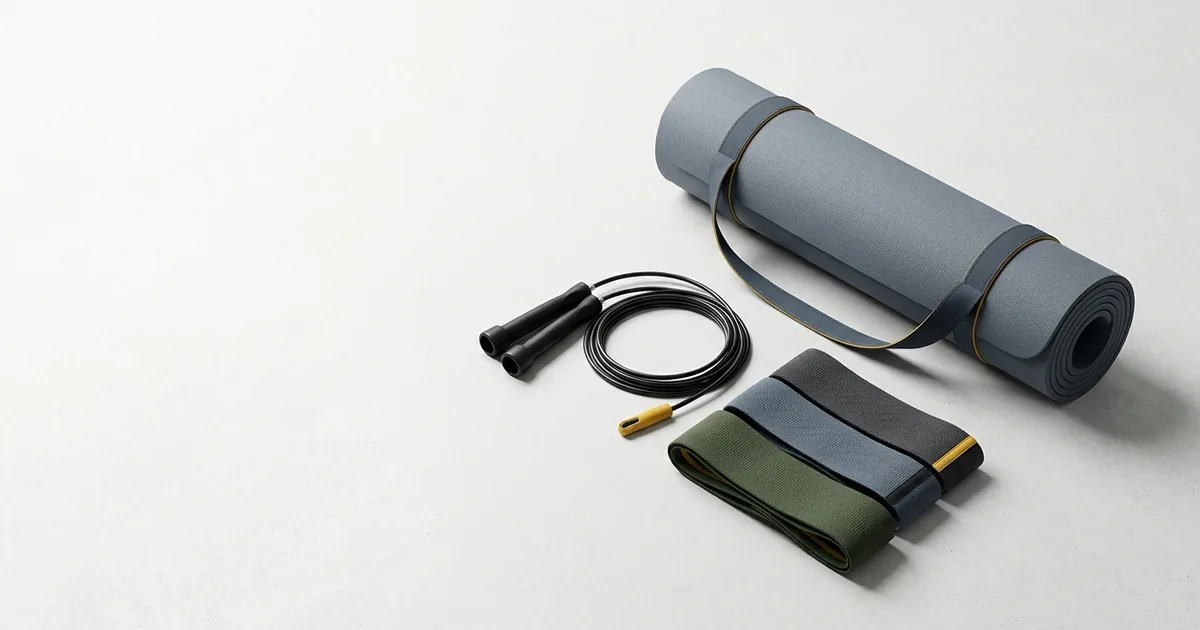
This is where powder earns its keep as part of a portable training setup. A shaker bottle and a scoop of powder fit in any bag, work in any hotel room, and require zero kitchen access. If your training gear is built around gym, home, and travel flexibility, protein powder fills the same role as compact gear that goes wherever you go. It’s the nutritional equivalent of gear from our new arrivals built for people who train outside a fixed gym schedule.
Hitting Daily Protein Targets
For lifters chasing 150-200g of protein a day, hitting that number from whole food alone often means five or six separate meals. Powder lets you close the gap without forcing down another chicken breast at 9pm. It’s a tool for precision, not a replacement for real meals.
When Whole Food Wins
Satiety and Weight Management
Whole food protein keeps you full longer because it takes more effort and time to digest, and it usually arrives with fiber and fat that slow gastric emptying. If you’re cutting calories and fighting hunger, a 200g chicken breast with vegetables will keep you satisfied far longer than a shake with the same protein content. This matters directly for anyone managing body composition, not just muscle gain.
Long-Term Health Markers
Whole food protein sources bring a wider nutrient spread that supports things a shake never will, gut microbiome health from fiber, omega-3s from fish, iron from red meat, and choline from eggs. Building a diet primarily around powder for years, without whole food variety, is not a sustainable long-term nutrition strategy no matter how convenient it is short-term.
Budget Meals at Home
Eggs, canned tuna, chicken thighs, lentils, and Greek yogurt remain some of the cheapest protein sources available in both UAE and KSA markets. For anyone training at home and managing costs carefully, whole food protein bought in bulk almost always beats the price-per-gram of premium protein powders.
The Hybrid Approach Rigid Fitness Recommends
Stop treating this as a binary choice. The strongest approach uses whole food as the foundation of your daily intake, roughly 70-80% of total protein, and reserves powder for the situations where speed and convenience actually matter: immediately post-workout, on travel days, or when you’re short one meal from hitting your target. This hybrid model gives you the nutrient density of real food and the precision of a measurable, fast-digesting supplement when you need it.
A practical daily structure looks like this: eggs or Greek yogurt at breakfast, a protein shake immediately after training, a whole food lunch built around chicken, fish, or legumes, and a whole food dinner. That single shake fills the exact gap where whole food is least practical, without letting powder dominate your diet.
Building Your Protein Strategy Around Training
Your protein intake should scale with what your training actually demands, not a generic number pulled from a supplement label. A heavy strength session breaks down more muscle tissue than a light mobility day, and recovery nutrition should reflect that. If your week includes vibration training for recovery and circulation, using a vibration plate on rest days, pair that lighter recovery day with a whole-food-heavy protein intake rather than another shake. On high-intensity training days, especially ones involving conditioning work like jump rope intervals, a post-session shake makes more sense because your body needs fast amino acid delivery immediately.
Recovery isn’t only nutritional. Wiping down and cooling off properly after a session matters too, and having a set of microfiber workout towels in your gym bag is a small detail that supports consistency, the same way meal prep supports consistent protein intake. Small logistics compound over months of training. If you’re assembling a full home or travel training setup, browse our fitness essentials range to build a kit that matches your actual training pattern instead of buying gear piecemeal.
Common Mistakes People Make
The most common mistake is replacing whole meals with shakes out of laziness rather than necessity. A shake is a tool for a specific gap, not a meal replacement strategy for every meal of the day. The second mistake is ignoring total daily protein while obsessing over source, someone hitting 80g a day from ‘clean’ whole food will build less muscle than someone hitting 160g a day from a mix of powder and food. The third mistake is buying premium, expensive protein powder while eating cheap, low-quality whole food elsewhere, undermining the entire diet with poor food choices around a good supplement. Fix the foundation first, then use powder to fine-tune the numbers.
Conclusion
Protein powder vs whole food isn’t a competition with one winner. Powder gives you speed, portability, and precision. Whole food gives you nutrient density, satiety, and long-term dietary quality. The strongest lifters use both, treating whole food as the base of their diet and powder as a targeted tool for the moments convenience actually matters, post-workout, on the road, or filling the last 20g of a daily target. Build your intake around your training schedule, not around brand loyalty to one method, and the results will follow.
Frequently Asked Questions
Is protein powder as effective as whole food for building muscle?
Yes, when total daily protein intake is equal. Muscle growth depends primarily on hitting your daily protein target consistently, not on whether that protein comes from a shake or a plate. The main practical difference is speed of digestion and the extra nutrients whole food provides.
How much protein powder should I have per day?
Most lifters do best limiting powder to 1-2 servings daily, roughly 25-50g, using it to fill gaps around training rather than replacing multiple whole food meals. The rest of your daily protein should come from whole food sources.
Is it cheaper to get protein from whole food or powder in the UAE?
It depends on the source. Whey protein typically costs AED 4-7 per 25g of protein. Cheap whole food sources like eggs and chicken thighs often cost less than that, while premium sources like fish and lean beef can cost more. Mixing both usually gives the best value.
Can I build muscle without ever using protein powder?
Yes. Powder is a convenience tool, not a requirement. As long as you consistently hit your daily protein target through whole food, muscle building outcomes will be comparable to someone using supplements.
When is the best time to use protein powder instead of whole food?
Immediately post-workout, when fast amino acid delivery matters most, and during travel or busy days when cooking a full meal isn’t practical. Outside of those windows, whole food should make up the bulk of your intake.