
Training after 45 is not about doing less. It is about doing the right things with the right gear. Joints recover slower, bone density needs active protection, and balance becomes a skill you have to train instead of something you take for granted. The workout gear for older women that actually works is low-impact, adjustable, portable, and built to support consistency, not punish the body for showing up. This guide breaks down exactly what to buy, what to skip, and how to build a routine around gear that fits a real life, a real home, and a real travel schedule.
At 25, you can get away with the wrong gear. A stiff resistance band, a bad grip, an unstable step platform, the body absorbs the error and moves on. After 45, that same error turns into a tweaked shoulder, a sore knee, or a missed week of training. The stakes are higher, so the selection process has to be sharper.
Cartilage thins with age. Repetitive high-impact movement, especially on hard surfaces, accelerates wear on knees, hips, and ankles. Gear that reduces impact while still delivering a real training stimulus is not a compromise, it is the smarter path to long-term consistency.
Bone density naturally declines after menopause. The best defense is not avoiding load, it is applying load correctly. Resistance-based gear that lets you control intensity safely is one of the most effective tools available for maintaining bone strength without risking injury.
Falls are one of the leading causes of injury in women over 50. Balance is trainable, but only if the gear you use challenges stability in a controlled way. Vibration-based training and single-leg work with light resistance are two of the most efficient ways to build this back.
Recovery is not just about rest days. It is about hydration, mobility work, and gear that supports the body between sessions instead of adding more stress to it. This is where recovery tools deserve as much attention as the gear used during the workout itself.
Not all fitness gear is designed with an aging body in mind. Most of it is designed for speed, aesthetics, or gym floor space, not for joint protection or long-term usability. Here is the checklist that actually matters.
Look for gear that lets you train the muscles without pounding the joints. Vibration platforms, resistance bands, and controlled cardio tools like jump ropes with adjustable intensity fall into this category. High-impact plyometric gear should be approached with caution or skipped entirely unless cleared by a professional.
Gear that offers a range, light to heavy, slow to fast, is more useful than gear locked to one setting. This matters because strength and tolerance can vary week to week depending on sleep, hormones, and recovery. A tool that adapts with you keeps you training instead of skipping sessions because the intensity is wrong.
Grip strength often declines with age, and joint pain in the hands and wrists is common. Gear with cushioned handles, non-slip surfaces, and a stable base reduces strain and makes every session safer.
Consistency beats intensity. Gear that folds, fits in a bag, or sets up in a small space removes the biggest excuse for skipping a session, whether at home, at the gym, or on the road. This is the entire philosophy behind portable workout gear, it goes where the training needs to happen.
Non-slip bases, secure locking mechanisms, and clear weight or intensity markings are not optional extras. They are the difference between gear that supports independent training and gear that requires supervision.
Below is a breakdown of the gear categories that deliver the most value for women training in their 40s, 50s, 60s, and beyond, organized by what they actually train.
Cardiovascular health does not require high-impact running or jumping. A vibration plate delivers a full-body stimulus while standing still, activating stabilizing muscles and supporting circulation and bone density without stressing the knees or hips. It is one of the most efficient tools for older women who want cardio and strength benefits without the joint cost of traditional cardio machines.
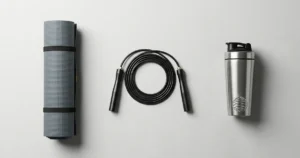
For women who want a more active cardio option, a beaded adjustable jump rope offers a controllable, low-impact way to build coordination and cardiovascular capacity. Because the length and intensity are adjustable, it can be scaled from a light warm-up to a genuine conditioning session, and it travels flat in any bag.
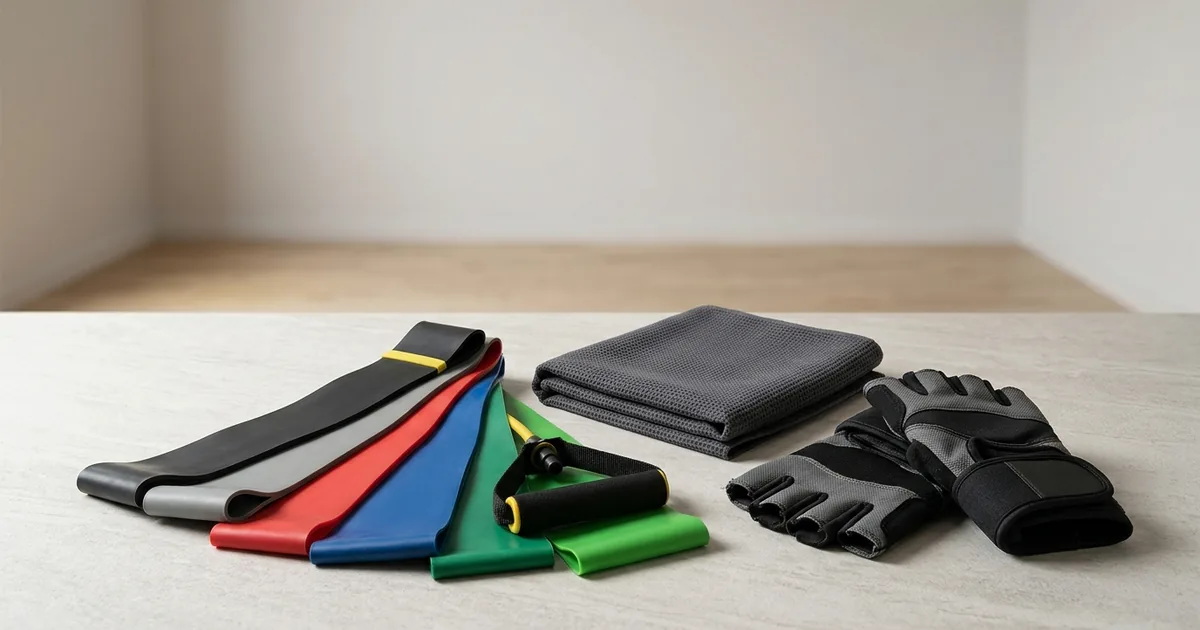
Strength training is the single most important category for women over 45. Muscle mass declines roughly 1 percent per year after 30, and resistance training is the primary tool to slow or reverse that trend. Look for:
The goal is progressive overload without the risk of heavy free weights on unstable joints. Start light, focus on form, and increase resistance only when the current level feels controlled and pain-free.
Balance pads, stability discs, and vibration platforms all train the small stabilizing muscles that prevent falls. A vibration plate in particular offers a seated or standing option, meaning it can be used even on days when standing balance work feels too demanding. This makes it one of the most versatile pieces of workout gear for older women who want to build stability at their own pace.
Recovery is where consistency is won or lost. A portable USB-C blender bottle makes it simple to prepare a protein shake or electrolyte mix immediately after training, supporting muscle repair and hydration without extra kitchen equipment or time. For women managing hormonal shifts, staying ahead of hydration and protein intake is one of the simplest ways to reduce next-day soreness and fatigue.
Soft tissue work becomes more important with age as muscles tighten and recover slower. A foam roller or massage ball used for 5 to 10 minutes post-workout can noticeably reduce stiffness and improve range of motion for the next session.
A home setup does not need a spare room or a serious budget. It needs a small footprint of gear that covers strength, cardio, balance, and recovery.
This setup fits in a closet or under a bed, costs a fraction of a gym membership over a year, and removes every excuse tied to travel time or class schedules. Browse the full range of compact, joint-friendly options in the fitness essentials collection.
A 2 by 2 meter area is enough for a vibration plate session, band work, and mobility drills. Choose gear that folds flat or stores upright, and avoid anything that requires permanent floor space unless it earns its place through daily use.
Instead of buying five cheap items, prioritize two or three durable pieces that will still perform after two years of regular use. A vibration plate or a quality resistance band set will outlast several rounds of budget alternatives, and the cost per session drops dramatically over time compared to studio classes.
Older women training consistently often move between three environments: a gym, a home space, and travel. The gear that works best changes slightly depending on where the session happens.
Use the gym’s heavier resistance options for supervised strength work, but bring personal gear like resistance bands or a jump rope for warm-ups and finishers. This reduces wait times for shared stations and keeps the warm-up consistent no matter which gym you visit.
This is where portable gear earns its value the most. A vibration plate replaces a large cardio machine, resistance bands replace a cable stack, and a foldable setup means the living room becomes a full training space in under two minutes.
Hotel gyms are inconsistent, and many hotel rooms don’t have space for a workout. A jump rope, a resistance band, and a portable blender bottle cover cardio, strength, and post-workout nutrition without checking a single extra bag. This is the exact reason portable workout gear for older women matters more than bulky home machines, it removes the excuse that travel breaks the routine.
This is a realistic four-day framework built entirely around portable, low-impact gear. Adjust volume and intensity based on current fitness level and always prioritize form over speed.
This framework covers strength, cardio, balance, and recovery in four sessions a week, all using gear that fits in a small bag or a corner of a room.
Trendy gear that looks good on social media is not always built for joint protection or adjustable intensity. Prioritize function first, design second.
Poor grip design leads to compensations in the wrist and shoulder, which can cause pain over time. Always check for cushioned, non-slip handles before buying resistance or cardio gear.
Fixed resistance bands or single-speed cardio tools limit progress. Adjustable gear allows training to evolve as strength and confidence build, without needing to buy replacements every few months.
Many women invest heavily in workout gear but skip recovery tools entirely. A foam roller and a reliable hydration system are just as important as the resistance bands or cardio gear used during the session.
Any gear used for balance or standing work, including vibration plates and step platforms, should have a wide, stable base. A wobbly platform does more harm than good for someone rebuilding balance and confidence.
Progress for older women should be measured in control, range of motion, and consistency, not just weight lifted or minutes trained.
Begin with shorter sessions using lighter resistance and focus on completing the full range of motion correctly. Add resistance only once 3 sets of 12 to 15 reps feel fully controlled.
If soreness lasts more than 48 hours or joint discomfort appears the next day, scale back intensity before scaling up again. Recovery quality is the real indicator of whether the current gear and load are appropriate.
Alternating between vibration plate sessions, resistance band work, and jump rope cardio prevents the body from adapting too quickly to one stimulus, keeping both strength and cardiovascular gains moving forward.
Every couple of months, reassess resistance levels, balance capability, and cardio tolerance. This is the point to increase band tension, extend jump rope intervals, or add standing balance challenges on the vibration plate.
Fitness gear designed specifically for joint protection and portability continues to improve. Newer releases often include better grip ergonomics, quieter vibration motors, and more compact folding designs. It is worth checking the latest arrivals periodically, since gear upgrades in this category tend to focus on exactly what older women need most, lower impact, better stability, and easier storage.
The right workout gear for older women is not about buying more, it is about buying smarter. Prioritize low-impact, adjustable, portable gear that protects joints, builds bone density, and supports balance, then build a simple routine around it that works at the gym, at home, and on the road. Consistency beats intensity every time, and gear that removes friction from training is the single best investment for staying strong, mobile, and independent for decades to come.
A vibration plate is one of the most effective low-impact options because it stimulates muscles and improves circulation and bone density without stressing the knees or hips. Resistance bands and adjustable jump ropes are also strong low-impact choices since intensity can be scaled to match current joint tolerance.
The core need, progressive resistance, stays the same, but older women benefit more from adjustable, controllable gear like bands and light dumbbells rather than heavy fixed-weight machines. Grip comfort, stability, and adjustable intensity matter more as recovery time and joint tolerance change with age.
Portable gear like resistance bands, adjustable jump ropes, and blender bottles typically range from budget-friendly to mid-range in AED, while a vibration plate is a higher one-time investment that replaces several pieces of cardio and balance gear. Pricing details for each product are listed on the Rigid Fitness product pages.
Yes. Standing on a vibration plate forces the small stabilizing muscles in the ankles, knees, and hips to engage continuously, which directly trains the balance systems most linked to fall risk. Starting with short, supported sessions and progressing to unsupported standing is a safe way to build this skill.
An adjustable jump rope, a set of resistance bands, and a portable USB-C blender bottle cover cardio, strength, and post-workout hydration without adding bulk to luggage. All three fold or pack flat and require no gym access to be effective.
Last updated: October 21, 2026 Sore legs the day before a big lift. Tight shoulders after three straight gym sessions.
Last updated: October 21, 2026 Most home gyms fail for the same reason: the gear doesn’t match the space, the
Last updated: October 18, 2026 Most people buy a gym towel the way they buy a phone charger, fast, cheap,