
Typing “fitness gyms near me KSA” into your phone usually means one of three things: you just moved to Riyadh, Jeddah, or Khobar and need a training base fast, your current gym membership is up for renewal and you’re not sure it’s worth it, or you’re tired of driving 25 minutes each way for a 45-minute session. This guide answers all three problems directly, with real cost ranges in AED, a breakdown of gym types across Saudi cities, and a practical plan for building a backup setup at home so your training never depends entirely on traffic, prayer-time closures, or a membership contract.
“Near me” searches are proximity-driven, but proximity alone doesn’t make a gym worth joining. Most people comparing fitness gyms near me KSA are really weighing four things: distance from home or work, monthly cost in AED or SAR, crowding during peak hours (typically 6-9 PM), and whether the gym actually has the gear they need without a 15-minute wait. A gym that’s 8 minutes away but packed solid every evening is often worse than one 15 minutes away with open floor space. Before you commit, it helps to separate the emotional pull of “closest option” from the practical reality of what keeps a routine consistent for months, not weeks.
Pricing varies heavily by city and gym tier, but here’s a realistic range converted to AED for planning purposes (note: gyms in KSA bill in SAR, figures below are approximate AED equivalents for comparison):
On top of membership, factor in transport cost and time. A 20-minute drive each way, four times a week, adds up to over 2.5 hours weekly just in commuting, before you’ve done a single rep. This is the hidden cost most people searching “fitness gyms near me KSA” don’t calculate until months in.
These dominate Riyadh, Jeddah, and Dammam. Expect wide strength floors, cardio rows, group classes, and sometimes a pool or sauna. Strength is choice and equipment volume; weakness is peak-hour crowding and impersonal coaching unless you pay extra for a trainer.
Growing fast in Jeddah’s northern districts and Riyadh’s Olaya and Hittin areas. These focus on functional training, HIIT, or strength cycles in small groups. Cost is higher but so is accountability and coaching quality.
An important category across KSA given cultural preferences. Availability is improving year over year but still concentrated in major districts. If you’re relying on a ladies-only gym, always confirm current opening hours around prayer times, as some centers pause operations briefly during Maghrib or Isha.
Common for expats living in gated compounds in Riyadh, Khobar, and Jeddah. Access is often included in housing costs, but the equipment on offer is basic, usually a handful of cardio machines and a light dumbbell rack, rarely enough for serious strength progression.
A newer category expanding in Riyadh and Jeddah, useful for shift workers or anyone training very early or very late. Fewer locations mean longer commutes, which brings back the same distance problem this whole search was meant to solve.
Saudi cities are large and traffic during evening rush hour (roughly 5-8 PM) can turn a 12-minute drive into 30. Combine that with the fact that most working professionals train in that same window, and you get packed gym floors right when you have the least patience to wait for a squat rack. This is the single biggest reason people abandon otherwise good memberships within three months. It’s not the gym’s fault or yours, it’s a scheduling collision that repeats every single day.
The fix isn’t necessarily quitting the gym. It’s building a small buffer at home so a crowded gym night or a bad traffic day doesn’t mean a skipped session entirely.
You don’t need a home gym to rival a commercial floor. You need enough portable gear to cover the days when getting to a gym isn’t realistic, and enough to keep momentum on rest-day mobility work or a hotel trip. A focused setup looks like this:
On days you can’t make it to the gym, or the day after a heavy leg session, a vibration plate gives you a fast way to activate muscles, improve circulation, and loosen up without adding fatigue. It folds into a small footprint, works in a living room or hotel room, and takes the pressure off needing a gym visit just to stay loose.
Cardio is the easiest training element to replace outside a gym. A beaded, tangle-free jump rope delivers a harder conditioning stimulus than a treadmill in a fraction of the space, adjusts to your height, and rolls up small enough for a gym bag or suitcase. Ten rounds of 60 seconds on, 30 seconds off will outwork most easy cardio sessions people do on a machine.
Simple gear gets skipped less than complicated gear. A set of quick-dry microfiber towels for gym bag, home sessions, and travel keeps hygiene and recovery routines consistent no matter where you train.
Beyond the three items above, browse the full fitness essentials range for resistance bands, mats, and grip tools that stack well with a gym membership rather than replace it. If you want to see what’s just landed, the new arrivals collection is worth a scan before you commit to a full home setup, newer releases often solve the space or noise problems older gear didn’t.
The most sustainable approach for people in Riyadh, Jeddah, or the Eastern Province isn’t choosing between a gym and a home setup, it’s running both. Use the gym for heavy compound lifts that need a rack, a bar, and plates. Use portable gear at home for the days traffic wins, for active recovery, and for travel weeks when you’re in Mecca, Medina, Abha, or outside the country entirely for work. This hybrid model removes the all-or-nothing pressure that kills most fitness routines within 90 days. Missing a gym day stops being a missed training day, it just becomes a home day instead.
This also solves a cost problem. If a hybrid setup means you can downgrade from a premium boutique membership to a mid-tier commercial gym because you’re covering conditioning and recovery at home, you can save AED 200-400 a month while training just as often, sometimes more often.
Once you’ve decided a gym membership is worth keeping alongside a home setup, use this checklist before signing anything:
Don’t tour a gym at 11 AM if you plan to train at 7 PM. Crowding, rack availability, and parking are completely different at peak hours. Walk in unannounced during the exact time slot you intend to use.
Ask specifically about freeze options for travel, cancellation notice periods, and whether the rate is locked or subject to increase. Many contracts in KSA auto-renew unless cancelled with 30 days’ written notice.
Some gyms close briefly for each prayer, others stay open with reduced staff. If you train around Maghrib or Isha, this detail changes your entire schedule.
A gym can look impressive on Instagram and still have three squat racks for 400 members. Check availability of the specific stations your program depends on, not just overall floor size.
In dense districts of Jeddah and Riyadh, parking alone can add 10 minutes to a gym visit. Factor this into your real commute time, not just driving distance.
Some memberships include a basic program design session, others charge separately for every trainer interaction. Know the real cost before you need it three weeks in.
The largest concentration of both commercial chains and boutique studios, particularly around Olaya, Hittin, and Al Nakheel. Traffic is the primary variable, evening commutes across the city can easily double in duration during peak hours. Gyms in newer developments tend to have more space per member than older central branches.
Strong boutique and small-group studio scene in the northern corniche districts. Coastal humidity makes indoor training more appealing for much of the year, which also means evening crowding is more pronounced than in drier inland cities.
Compound gyms are more common here due to the expat population tied to the oil and energy sector. Commercial gym density is lower than Riyadh or Jeddah, meaning fewer alternatives if your nearest gym is overcrowded, this is exactly the scenario where a home backup setup pays off fastest.
Gym access fluctuates seasonally around Hajj and Umrah periods when hotels and residential areas see heavy turnover. Travelers and residents alike benefit from portable gear that doesn’t depend on a fixed gym membership, particularly during peak pilgrimage months when commercial gyms can be fully booked or temporarily repurposed.
Business travel and religious travel are both common realities for people living in KSA, and both are common excuses for a training routine falling apart. A hotel room with floor space is enough for a full session if you’re carrying the right gear. A jump rope covers conditioning, a compact vibration plate covers recovery and activation before or after long flights or long prayers standing, and a microfiber towel keeps things practical in a shared bathroom. None of this replaces a gym long-term, but it keeps the habit alive between gym access points, which is often the difference between six months of consistent training and a routine that resets every time your schedule changes.
A realistic hybrid week for someone training four to five days looks like this:
This structure means only three gym visits are strictly necessary, cutting commute time nearly in half compared to a five-day gym-only plan, while total weekly training volume stays the same or higher.
A few clear signals suggest a gym near you isn’t actually serving your goals, regardless of how convenient the location is: you consistently wait more than five minutes for key equipment during your usual time slot, the membership cost has increased without added value, you’re skipping sessions specifically because of the commute rather than motivation, or the gym’s hours don’t reliably match your prayer-time schedule. Any one of these is a reason to either switch gyms or lean harder into a home-based backup plan.
Finding fitness gyms near me KSA searches solve part of the problem, proximity and price comparison matter, but they don’t solve the crowding, commute, and consistency issues that actually determine whether a membership gets used past month three. The most reliable setup for anyone training seriously in Riyadh, Jeddah, Khobar, or anywhere else in the Kingdom is a hybrid one: a gym for heavy compound work, and a small set of portable gear at home for conditioning, recovery, and travel days. That combination removes the excuses that traffic and crowded floors create, and keeps your training running on your schedule instead of the gym’s.
Budget commercial gyms typically run AED 150-300 per month, mid-tier chains AED 300-550, and premium boutique studios AED 600-1,200. Ladies-only centers fall across this same range depending on location and included classes.
Peak crowding typically runs 5-8 PM on weekdays. Training early morning or shifting one or two sessions per week to a home setup with a jump rope or vibration plate removes the pressure of competing for equipment during that window.
Policies vary by gym and city. Some close briefly for each prayer, others stay open with reduced staff. Always confirm current prayer-time hours directly with the specific location before relying on it for a fixed schedule.
Yes. A small setup, such as a vibration plate for recovery and a jump rope for conditioning, covers the days traffic, crowding, or travel make the gym impractical, keeping your routine consistent without needing a second membership.
Confirm cancellation notice period, freeze options for travel, prayer-time operating hours, and equipment availability during your actual training window, not just during a daytime tour.

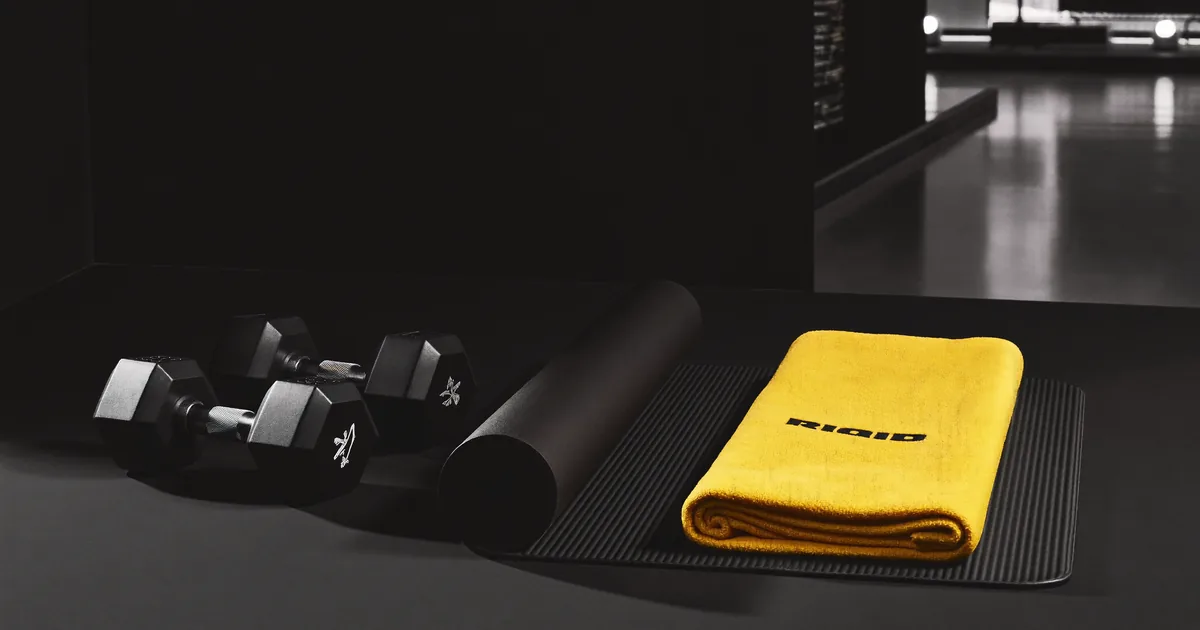
A workout towel that stays damp for hours is dead weight in your gym bag. In the heat and humidity
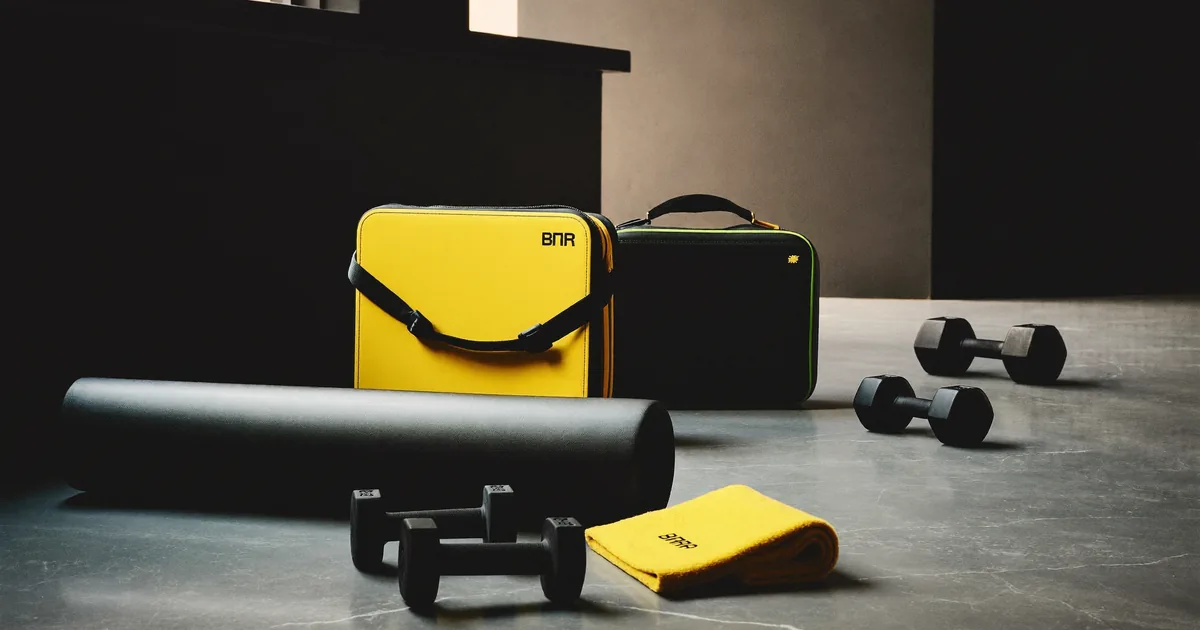
The UAE is not a country built for bulky home gyms. Apartments in Dubai Marina run small. Villas in Abu
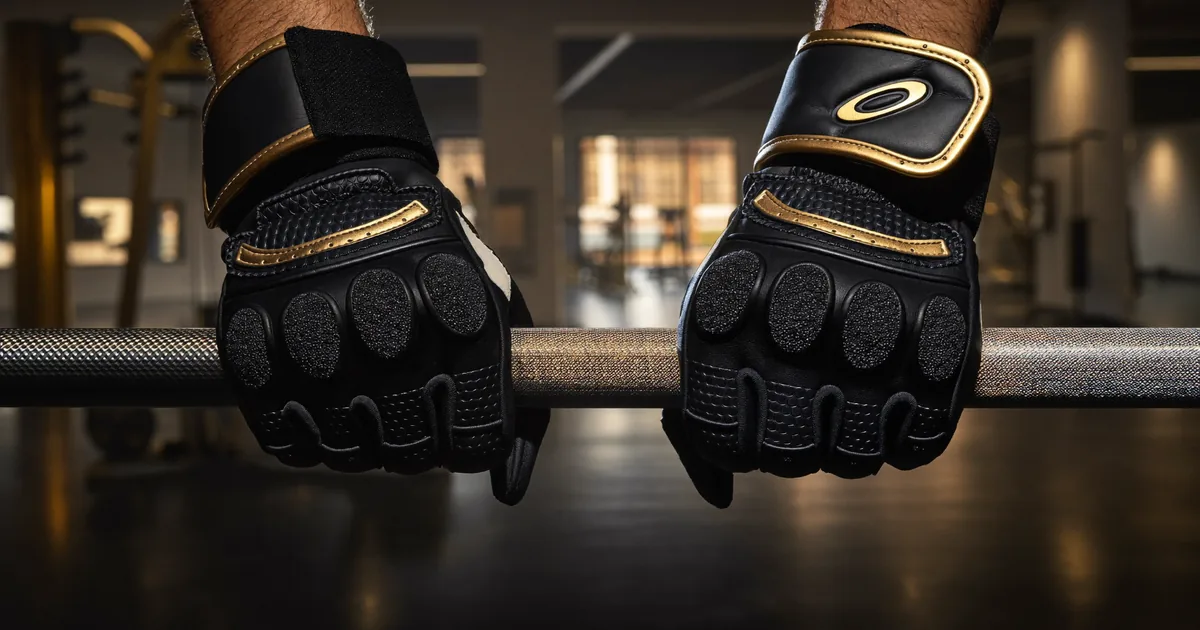
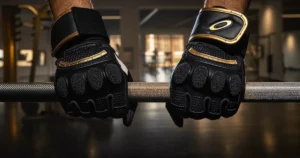
A slipping bar in the middle of a heavy set is not a technique problem, it is an equipment problem.