
Last updated: August 2, 2026
Grip fails before muscles do. That is the reality for most lifters, and it is why the question of what are the best training gloves for grip support matters more than most people admit. A slipping bar during a heavy deadlift, sweaty palms on the pull-up bar, or calluses tearing mid-set are not minor annoyances, they stop progress cold. The right training gloves solve this by adding friction, protecting skin, and stabilizing the wrist so your hands stop being the limiting factor in your workout.
This guide breaks down exactly what separates a good grip glove from a bad one, which types work best for which training style, and how to choose a pair that performs in the gym, at home, or packed in a travel bag.
Grip is the connection point between your body and every bar, handle, kettlebell, and rope you touch. When grip weakens, your brain reduces output everywhere else to protect against dropping the load. This means a session-ending grip failure is not just uncomfortable, it directly caps your strength gains, rep counts, and training intensity.
Training gloves built for grip support address three problems at once: friction loss from sweat, skin damage from repeated contact, and wrist instability under heavy load. Solve those three, and your sets get longer, your bar control improves, and your recovery between sessions is faster because you are not nursing torn palms.
Not every glove marketed for the gym actually improves grip. Some only look the part. Here is what to check before buying.
The palm is where grip lives. Look for gloves with textured silicone or rubberized padding across the palm and finger base, not just a flat piece of leather or fabric. Silicone grip patterns bite into the bar knurling and stay tacky even when hands sweat. Leather alone feels premium but slickens quickly under moisture, which defeats the purpose.
Padding thickness also matters. Too thin and you lose bar feel plus protection. Too thick and you lose the ability to close your hand fully around a barbell or pull-up bar, which actually weakens your grip strength over time. The best training gloves balance a thin, dense padding layer that protects skin without adding bulk between your palm and the bar.
Grip support is not only about the palm, it is about the whole hand-to-forearm chain. A glove with a wide, adjustable wrist strap locks the joint in a neutral position, which prevents the wrist from bending backward under heavy pressing or pulling loads. This stability translates directly into a firmer, more confident grip because your hand is not fighting to stabilize itself while also trying to hold the bar.
Look for a hook-and-loop strap that is at least 5cm wide and fully adjustable. Thin elastic bands that just slip over the wrist offer almost no real support.
A glove that traps heat and sweat becomes a liability fast. Mesh or perforated backing keeps hands cooler and drier during long sessions, which indirectly protects grip because dry skin holds friction better than wet skin. Fit should be snug but not restrictive, a loose glove bunches inside your palm and interferes with your grip on the bar, while an overly tight one cuts circulation and fatigues the hand faster.
Different training styles demand different glove designs. Choosing the wrong type is one of the most common mistakes lifters make.
Full-finger gloves cover the entire hand and are best suited for general gym training, dumbbell work, and machine-based exercises. They offer complete palm and finger protection, which is useful for beginners still building callus tolerance or for anyone training with an existing hand injury. The downside is reduced tactile feedback, since covering the fingertips can make it harder to feel small equipment like resistance bands or cable attachments.
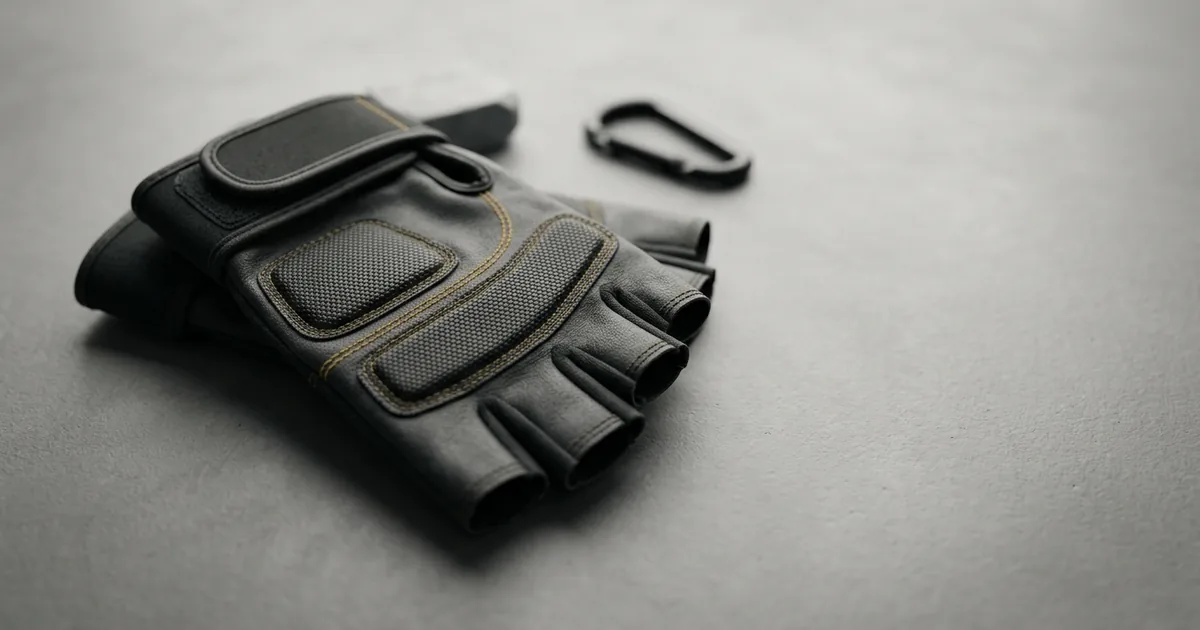
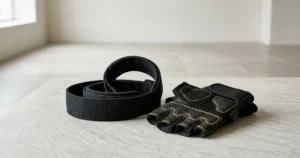
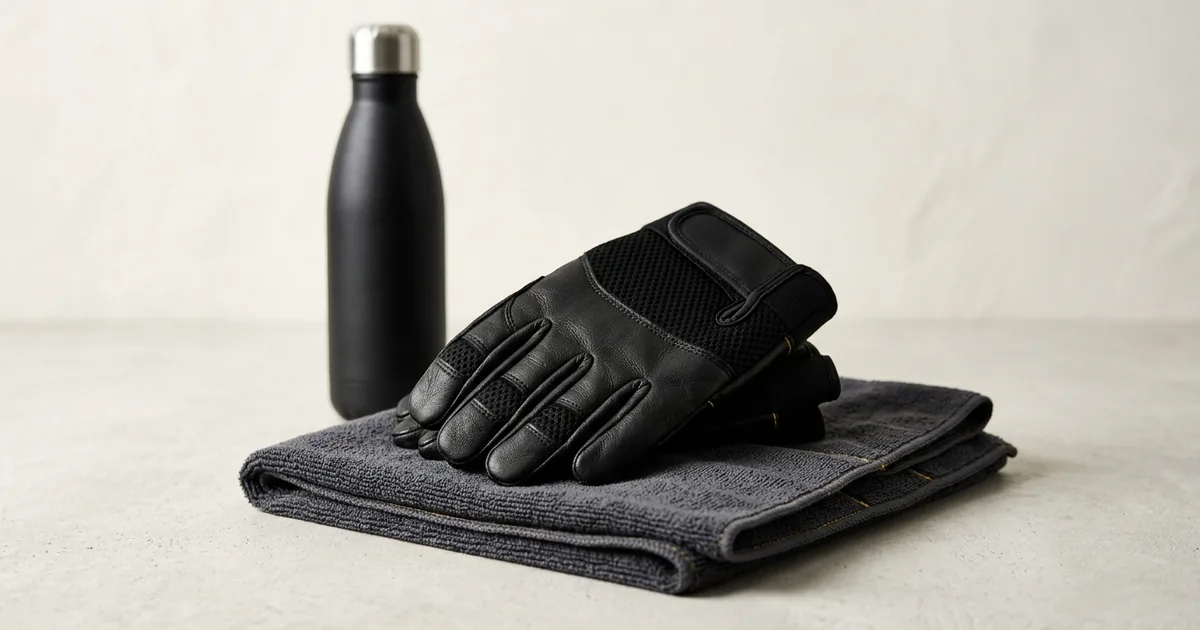
This is the most popular style for serious lifters, and for good reason. Fingerless gloves protect the palm, where calluses and tears actually happen, while leaving fingertips free for grip feedback and dexterity. They work well across weightlifting, functional training, and rope-based cardio work. If you are unsure where to start, a fingerless glove with a reinforced palm and wrist strap is the safest all-purpose choice.
Lifting grips are a minimalist alternative, usually just a padded strap that sits across the palm without covering the fingers or wrist. They are popular in CrossFit-style training because they are lightweight and allow full hand mobility for gymnastics movements like muscle-ups. However, they offer far less wrist support than a proper glove, so if wrist stability is a priority alongside grip, a glove with a strap is the stronger choice.
These combine a standard glove with an integrated, longer wrist wrap that winds around the joint multiple times. This design is built for heavy pressing and pulling work where both grip and joint protection are non-negotiable. They take slightly longer to put on and remove between sets, which is the only real tradeoff for the added support.
The right glove depends heavily on what you actually train. Here is how to match the type to your routine.
For deadlifts, rows, and heavy pulling movements, prioritize a half-finger glove with a wide wrist strap and dense silicone palm padding. The strap prevents wrist hyperextension under load, while the textured palm keeps the bar locked in place even as hands sweat through a heavy set. Avoid overly padded gloves here, since you need enough bar feel to sense when your grip is starting to slip.
Functional training mixes barbell work, gymnastics movements, and rope climbs, so gloves need to be flexible and low profile. Minimalist grips or thin fingerless gloves work best, since bulky gloves interfere with movements like pull-ups and rope work. Durability matters more here too, because the friction from rope and pull-up bar contact wears gear down faster than standard lifting.
If your training includes jump rope intervals, sled pushes, or rowing machine work, grip fatigue builds differently, it is more about repetitive motion than raw load. A lighter glove with good breathability and moderate padding prevents blister formation without adding bulk that slows your rope turnover speed. Pairing rope work with a properly adjustable rope, like the beaded jump rope, also reduces unnecessary hand strain since a tangle-free rope means fewer grip resets mid-set.
If you train across multiple locations, gym, home, or while traveling, portability and quick-dry material matter as much as grip performance. A compact, breathable glove that packs flat and dries fast between sessions fits naturally into a setup built around portable gear. This is the same logic behind equipping a home or travel routine with compact tools like a vibration plate for recovery and activation work between lifting days, gear that performs without demanding a dedicated space.
Sizing mistakes are the number one reason people think a good glove is uncomfortable. A properly fitted training glove should feel snug across the palm the moment you put it on, with no loose fabric bunching in your grip line. Fingers should reach close to the end of the glove without your fingertips being crushed or having excess material past the tip.
To measure your hand accurately, wrap a soft tape measure around the widest part of your palm, excluding the thumb, and match that measurement against the brand’s sizing chart rather than guessing based on shirt size. Hand width varies more between individuals than length does, so always size based on palm circumference first.
When trying gloves on, make a full fist and check for two things: does the palm padding stay in place without shifting, and does the wrist strap stay snug without digging into the joint. If either fails, size up or down before assuming the glove itself is poor quality.
Gloves solve friction and protection, but total grip performance depends on a few other factors most lifters overlook.
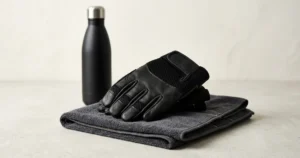
Even the best glove struggles against excess sweat pooling inside the palm. Keeping a microfiber workout towel nearby to wipe hands and bars between sets extends glove life and keeps grip friction consistent through an entire session, especially in warmer climates across the UAE and KSA where indoor gym temperatures can still push higher sweat output during heavy training blocks.
Some lifters combine light chalk use with gloves for maximum friction during max-effort lifts. If your gym allows chalk, a thin layer applied before gloving up can add extra tack for the heaviest sets of the day, particularly on deadlifts and heavy rows where grip is the first thing to fail.
Grip gear works best as part of a broader, portable training system rather than a standalone purchase. Pairing gloves with adjustable ropes, recovery tools, and compact strength gear creates a setup that moves with you between gym, home, and travel without losing training quality. Browsing a curated fitness essentials collection is a practical way to build that kind of setup gradually, adding pieces that solve specific problems like grip, recovery, or mobility rather than buying generic gear that does not fit your actual training style.
Grip performance degrades fast if gloves are not cared for properly. Sweat buildup breaks down silicone padding over time and creates bacterial buildup that shortens glove lifespan and creates odor issues.
After every session, let gloves air dry fully before storing them in a bag or drawer. Storing damp gloves in a closed gym bag is the fastest way to degrade the palm material and create bacterial growth. If your gloves have a removable liner or are machine washable, follow the manufacturer’s washing instructions exactly, since incorrect washing temperatures can crack silicone grip patterns.
Once a week, wipe down the palm surface with a damp cloth and mild soap to remove chalk residue, dead skin, and oil buildup that accumulates even with regular air drying. This keeps the textured grip surface working at full effectiveness instead of becoming smooth and slick over time.
Replace training gloves once the palm padding starts to feel smooth instead of textured, or once the wrist strap loses its ability to stay tight through a full session. Worn gloves that have lost their grip texture actually reduce friction compared to bare hands with proper chalk, so continuing to use them past this point works against your training rather than for it.
Even experienced lifters make avoidable errors when picking training gloves. Here are the most common ones.
A sleek design means nothing if the palm padding is thin fabric instead of textured silicone. Always check material specifications before purchase rather than judging gloves purely on appearance or brand name.
A narrow, weak wrist strap provides almost no real stability benefit. If wrist protection matters for your training, specifically check strap width and adjustability rather than assuming any strap is sufficient.
Sizing down to make a cheaper option fit, or sizing up because a smaller size sold out, both compromise grip performance. A glove that does not fit precisely will always underperform compared to a correctly sized pair, regardless of material quality.
Prioritizing padding thickness while ignoring ventilation leads to overheated, sweaty hands that lose grip faster than bare skin in some cases. Balance is always better than maximizing a single feature.
The best training gloves for grip support are not a single universal product, they are a decision based on what you actually train, how often, and in what environment. A powerlifter chasing heavy pulls needs different support than someone doing daily functional circuits or someone managing a home and travel routine with limited gear. Start by identifying your primary training style, then match glove type, palm material, and wrist support level to that specific demand rather than buying based on general popularity.
For lifters building or refreshing a full training setup, checking a store’s new arrivals section regularly is a practical habit, since grip gear and portable training tools get updated with better materials and designs over time, and staying current means your setup keeps improving alongside your training.
Grip failure is preventable, not inevitable. The right training gloves protect your palms, stabilize your wrists, and keep friction consistent through every set, which means more reps, heavier lifts, and faster recovery between sessions. Match glove type to your actual training style, size them correctly, maintain them properly, and pair them with complementary gear like adjustable ropes and recovery tools for a complete, portable setup that performs across gym, home, and travel. Once grip stops being the limiting factor, the rest of your training has room to actually progress.
For heavy lifting like deadlifts and rows, half-finger gloves with a wide, adjustable wrist strap and dense silicone palm padding perform best. The wrist strap prevents hyperextension under load, and the textured palm keeps the bar locked in place even when hands sweat.
Gloves do not increase raw grip strength on their own, but they improve grip performance by adding friction against the bar and protecting skin from tearing, which allows you to train longer and heavier without your hands failing first.
Fingerless gloves are the better all-purpose choice since they protect the palm while keeping fingertip feedback intact for dexterity. Full-finger gloves suit general gym use or anyone protecting an existing hand injury.
A correctly fitted glove feels snug across the palm with no bunching when you make a fist, and the wrist strap stays tight without digging into the joint. Measure palm circumference before buying rather than guessing based on general hand size.
Replace gloves once the palm padding feels smooth instead of textured or the wrist strap no longer stays tight through a full session. Worn padding reduces friction compared to fresh gloves and can actually work against your grip performance.
Last updated: September 27, 2026 A resistance band costs less than a single personal training session and fits in a
آخر تحديث: 27 سبتمبر 2026 مساحة غرفة النوم الإضافية أو زاوية من الصالة كافية لبناء روتين تمرين حقيقي، بشرط اختيار
Last updated: September 27, 2026 Typing “best gym near me” into your phone gives you a list ranked by distance,