A slipping bar in the middle of a heavy set is not a technique problem, it is an equipment problem. If your hands are sweating through a working set of deadlifts or your palms are sliding on the pull-up bar before your grip actually fails, the glove you are wearing is not doing its job. This guide breaks down what separates a genuinely grippy glove from a gimmick, how to match gloves to your training style, and how to keep them performing set after set.
Why Grip Matters More Than You Think
Grip is the connection point between your effort and the weight. Every row, pull, curl, and carry runs through your hands first. When grip fails early, the target muscle never gets the full stimulus it needs, and the set ends before it should. This is common in humid climates across the UAE and KSA, where indoor gym air conditioning does not always offset how quickly hands sweat during a heavy session.
A glove built for grip does three things at once. It absorbs moisture so your palm stays dry against the bar. It adds friction through its palm material so the bar does not roll in your hand. And it protects the skin so calluses and tears do not force you to end a session early. Miss any one of these and the glove becomes dead weight on your hands.
What Actually Makes a Glove Improve Grip
Not every padded glove on the shelf improves grip. Some actually reduce it by adding a slick, glossy palm surface that slides more than bare skin. Here is what to check before you buy.
Palm Material
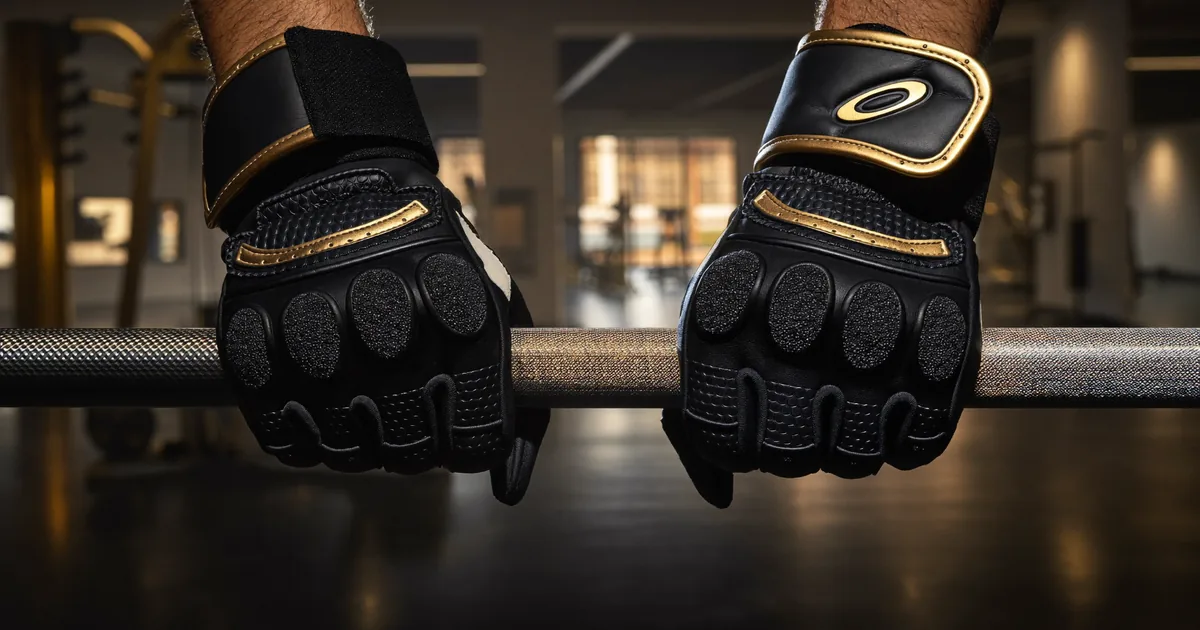
Leather and synthetic leather with a slightly textured finish outperform smooth neoprene or thin cotton blends. Look for a palm that has visible grain or a micro-textured coating. Silicone grip patterns embedded into the palm, often in a honeycomb or dot pattern, add real friction on knurled barbells and dumbbell handles. Avoid palms that feel plasticky and shiny straight out of the packaging, they tend to get worse, not better, once sweat is introduced.
Padding Placement and Thickness
Padding should sit exactly where the bar makes contact, across the base of the fingers and the heel of the palm. Too much padding across the whole hand reduces feel and bar awareness, which matters for lifts like cleans and snatches where you need to sense the bar path. Too little padding and calluses build up fast under heavy volume. A thin, dense pad beats a thick, soft one every time for grip-focused training.
Wrist Support and Closure
A glove that shifts mid-set is a glove that will cost you reps. Look for a wide wrist strap with a solid hook-and-loop closure, ideally adjustable enough to lock the glove tight without cutting circulation. For heavier pulling work, extra wrist wrap length adds joint support on top of grip, which matters when you are loading a barbell row or an overhead press close to your max.
Fit and Sizing
A glove that is too loose bunches at the palm exactly where you need flat, even contact with the bar. Too tight and your fingers go numb before the set is done. Measure your hand across the knuckles, not the wrist, and size to that. If you are between sizes, size down for gloves with a stretch panel and size up for rigid leather palms that will not break in easily.
Types of Gym Gloves for Grip
Different glove styles solve different grip problems. Picking the wrong category is the most common mistake lifters make.
Full-Finger Gloves
Full-finger gloves protect the entire hand and are best for high-volume machine work, cable stations, and general strength training where callus buildup across the fingers is the main concern. They reduce direct bar feel slightly, which makes them less ideal for Olympic lifting but excellent for chest press, lat pulldown, and cable row circuits.
Fingerless Gloves
Fingerless gloves are the standard choice for grip-focused lifters because they protect the palm while leaving the fingertips free for bar feel. This is the category most people mean when they search for the best gym gloves for grip. They work well across deadlifts, pull-ups, kettlebell work, and barbell rows, where fingertip sensitivity helps you control the bar path.
Weightlifting Straps vs Gloves
Straps and gloves solve different problems. Straps wrap around the bar and your wrist, effectively removing grip from the equation so you can overload the target muscle past your grip’s natural limit. This is useful for isolated back work like heavy rows or shrugs, but it does nothing to build grip strength and can become a crutch. Gloves, by contrast, improve grip without removing it entirely, which keeps your forearms and hands working. For most lifters, gloves are the better everyday choice, with straps reserved for specific max-effort pulling days.
Hybrid Grip Gloves
Some gloves now combine a short built-in strap with a padded, textured palm. These hybrids are worth considering if your training mixes heavy pulling days with general strength work, since they let you switch grip style without switching gear mid-session.
Best Gym Gloves for Grip by Training Style
The right glove depends heavily on what you actually train. Matching glove type to training style is where most buying decisions go wrong.
Powerlifting and Heavy Pulls
For squat, bench, and deadlift focused training, prioritize a durable leather palm with minimal padding at the fingers so you retain full bar feel on max attempts. A wide wrist strap adds stability under heavy loads. Fingerless styles dominate this category because fingertip control matters when you are chasing a personal best.
Bodybuilding and Hypertrophy Training
High-rep, high-volume training benefits from slightly more palm padding since you are putting more total sets through your hands each session. A textured silicone palm helps maintain grip through fatigue, especially on the last few reps of a drop set when your hands are sweating and your grip strength is fading fastest.
CrossFit and Functional Training
Mixed training that includes rope climbs, pull-ups, kettlebell swings, and barbell cycling needs a glove that is thin enough for rope work but grippy enough for barbell cycling. Fingerless gloves with a low-profile, textured palm and minimal bulk around the fingers work best here, since bulky padding gets in the way of rope grip and box jump landings.
Cardio, Rope Work, and HIIT
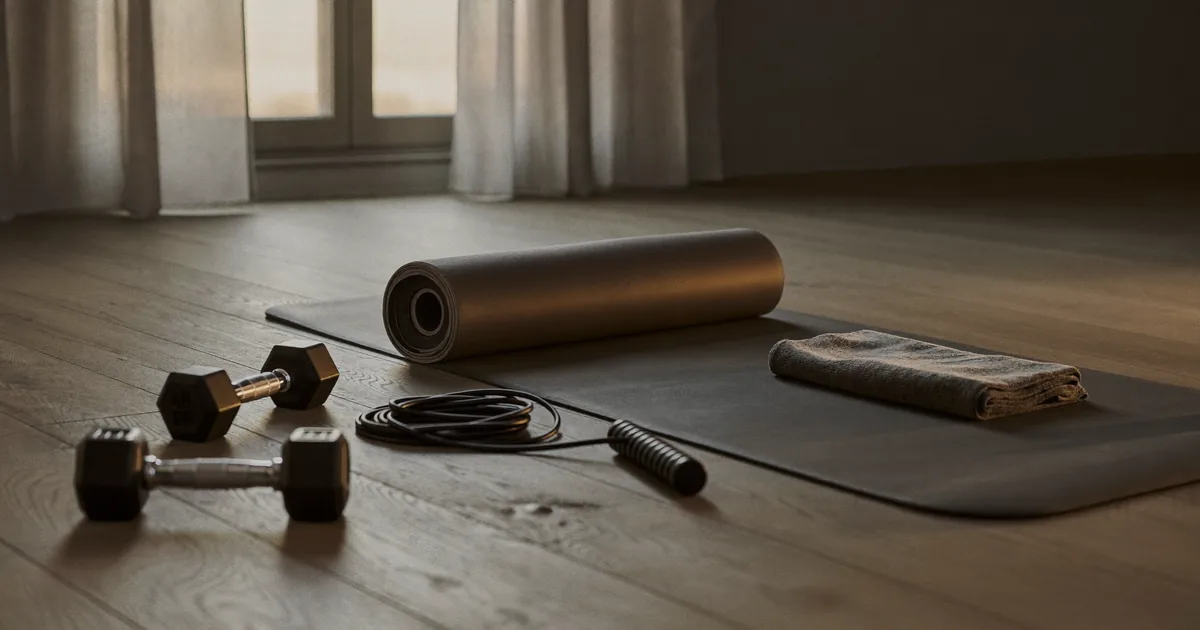
If your sessions include skipping intervals, battle ropes, or circuit stations, a lightweight glove with breathable backing matters more than heavy padding. Pairing grippy gloves with a quality adjustable jump rope reduces handle slip during fast-paced intervals, since a tangle-prone or poorly gripped rope handle will slow your cadence and break your rhythm mid-set.
How to Choose the Right Grip Glove for You
Start by identifying your primary training style from the categories above, then narrow down using these three checks before you commit to a purchase.
Test the Palm Texture
If you can test in person, run your fingers across the palm. It should feel slightly rough or tacky, never smooth or slick. Smooth palms will only get worse once sweat is added.
Check the Break-In Time
Leather gloves need a few sessions to mold to your hand. Synthetic and neoprene-blend gloves are grip-ready from the first session but tend to wear out faster under heavy, frequent use. Decide based on how often you train and how long you want the pair to last.
Match Size to Your Heaviest Lifts
Size gloves based on your max-effort lifts, not your lightest accessory work. A glove that fits well on light cable work but bunches under a heavy deadlift grip is the wrong size for your training as a whole.
Maintaining Your Grip and Gear
Even the best gym gloves for grip lose effectiveness if they are not cared for properly. Sweat buildup hardens leather, weakens stitching, and eventually turns a textured palm smooth. Wipe gloves down after every session and let them air dry fully before the next use, never store them damp inside a closed gym bag.
Keeping your hands and equipment dry mid-session also protects your grip. A microfiber workout towel at your station lets you wipe down your palms and the bar between heavy sets, which keeps both surfaces grippy instead of slick with sweat. This small habit extends glove life and keeps your grip consistent from your first set to your last.
Complementary Equipment for Better Grip and Performance
Grip strength does not live in isolation. Recovery, mobility, and total training volume all affect how your hands perform under load. A vibration plate session post-training can help loosen forearm tightness that builds up from heavy grip work, keeping your hands fresher for the next session. If you are building a full home or garage setup, browse the fitness essentials collection for gear that pairs well with grip training, from resistance bands to recovery tools. For the latest gear drops and updated glove models, check the new arrivals section regularly, since grip technology and palm materials continue to improve each season.
Conclusion
The best gym gloves for grip come down to three things: a textured palm that holds up under sweat, padding placed exactly where the bar makes contact, and a fit that stays locked through your heaviest sets. Match the glove type to your training style, break it in properly, and maintain it with basic care between sessions. Get this right and grip stops being the limiting factor in your training, letting every pull, press, and carry go the full distance it was meant to.
Frequently Asked Questions
Are fingerless or full-finger gloves better for grip?
Fingerless gloves are generally better for grip-focused training because they leave your fingertips free for bar feel while still protecting the palm. Full-finger gloves suit machine and cable work where fingertip sensitivity matters less.
Do gym gloves actually improve grip or just protect the hands?
A well-made glove does both. The right palm material, whether textured leather or silicone-dotted synthetic, adds real friction against the bar while also protecting skin from calluses and tears.
Should I use lifting straps instead of gloves?
Straps remove grip from the equation entirely, which is useful for isolated heavy pulling but does not build grip strength. Gloves improve grip while keeping your hands actively working, making them the better default choice for most training.
How often should I replace my grip gloves?
Replace them once the palm texture smooths out or padding compresses flat, usually every few months with regular training. Wiping them down after each session and letting them air dry extends their usable life.
What glove padding is best for deadlifts specifically?
Minimal, dense padding placed only at the base of the fingers works best for deadlifts. Too much padding reduces bar feel, which matters when you are pulling near your max.