
Last updated: October 14, 2026
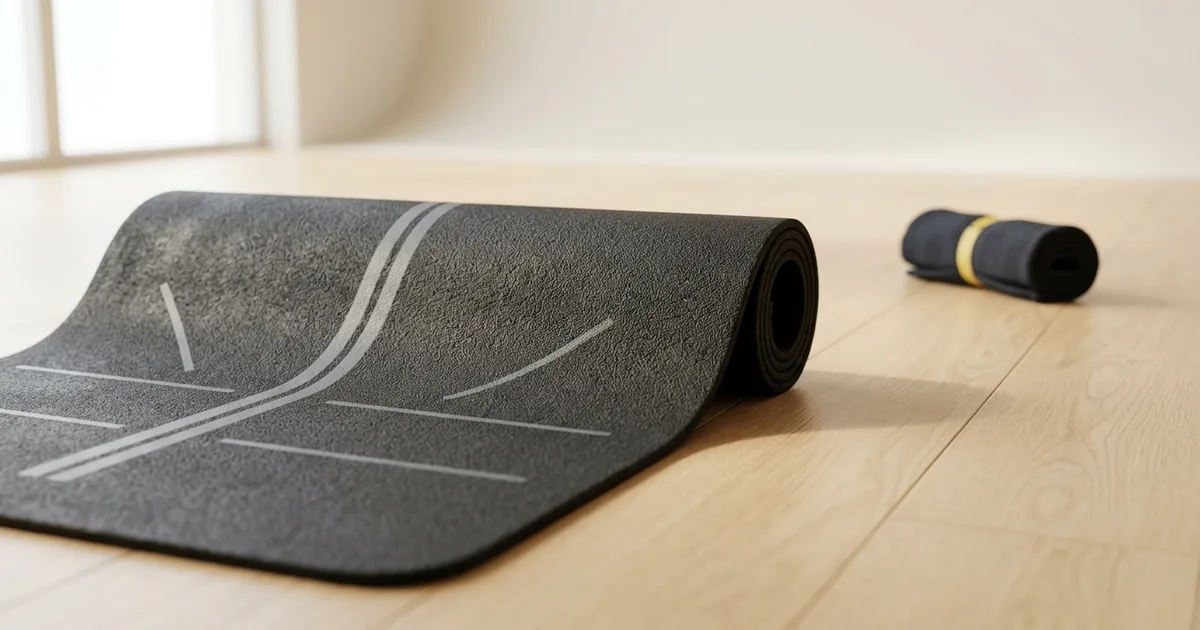
A fitness mat for home workouts is the single piece of gear that separates a serious training setup from a makeshift one. It protects your joints on hard tile or marble floors common across UAE and KSA homes, gives you a stable surface for strength and mobility work, and rolls up small enough to travel with you. Yet most buyers pick one based on color or price alone, then regret it within weeks when it slides, tears, or traps heat and sweat. This guide breaks down exactly what separates a mat that lasts years from one that ends up in the trash after a single hot summer season.
A fitness mat is not just padding. It is a functional training surface that affects your grip, your joint alignment, your balance, and even your motivation to train. The right mat does four jobs at once:
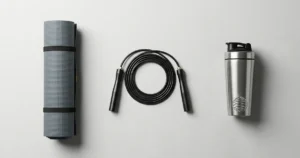
If you train with other portable gear like a beaded jump rope or do floor-based mobility work before lifting, the mat becomes the base layer of your entire routine, not an afterthought.
“Fitness mat” is a broad category. Picking the wrong type is the number one reason people end up unhappy with their purchase. Here is how the main categories differ in real use.
Typically 3mm to 6mm thick, yoga mats prioritize grip and ground feel over cushioning. They are ideal for standing poses, balance work, Pilates, and stretching where you need to feel the floor beneath your feet. They are not built for heavy impact work. Jumping lunges or box jump landings on a thin yoga mat will transfer most of the shock straight into your knees and ankles.
Ranging from 10mm to 20mm thick, these mats are designed for general home workouts, HIIT, bodyweight circuits, and floor-based strength training. The extra density absorbs impact from jump rope sessions, mountain climbers, and core work without feeling unstable underfoot. This is the category most home gym owners should default to.
Built from thin, foldable foam or TPE, travel mats fold into a flat rectangle instead of rolling into a bulky tube. They weigh under 1kg and slide into a suitcase or gym bag without eating up space. The trade-off is reduced cushioning, so they work best for stretching, mobility drills, and light bodyweight work rather than heavy impact training.
If you are building a dedicated home gym corner rather than a rollable mat setup, interlocking foam or rubber tiles cover a larger floor area permanently. They handle dropped dumbbells, kettlebells, and heavier impact better than a single rollable mat, but they are not portable in the same sense. Use these for a fixed home gym zone and keep a separate portable mat for travel.
Once you know which category fits your training style, the real decision comes down to five technical factors. Get these wrong and even a well-reviewed mat will underperform.
Thickness is a trade-off between cushioning and stability. Too thin and your joints absorb impact directly. Too thick and you lose balance during standing poses or single-leg work because your foot sinks unevenly into the foam.
The material determines density, durability, grip, and how the mat handles heat and sweat, which matters more in UAE and KSA than in cooler climates.
A mat that slides during a plank or a sweaty HIIT circuit is worse than no mat at all. Look for a textured, non-slip top surface and a rubberized base that stays put on tile, marble, or wooden flooring. If you train barefoot in humid conditions or after a session with a vibration platform, grip becomes even more important since sweat builds up faster during short, intense sessions.
Standard mats run around 173cm to 183cm long and 60cm to 66cm wide. If you are taller than 180cm, a standard-length mat will leave your head or feet hanging off during stretches and floor exercises. Extra-long mats (190cm plus) and extra-wide mats (80cm plus) exist specifically for taller users or for exercises that need lateral movement, like side planks or rolling patterns.
If the mat is part of a true portable workout gear kit, weight matters as much as thickness. A dense 20mm mat might weigh over 2.5kg, which is fine for a fixed home gym spot but inconvenient if you are packing it for a trip. For travel, prioritize foldable designs under 1.5kg that compress flat rather than rolling into a wide tube.
There is no single best fitness mat. The right choice depends entirely on what you actually do on it most weeks.
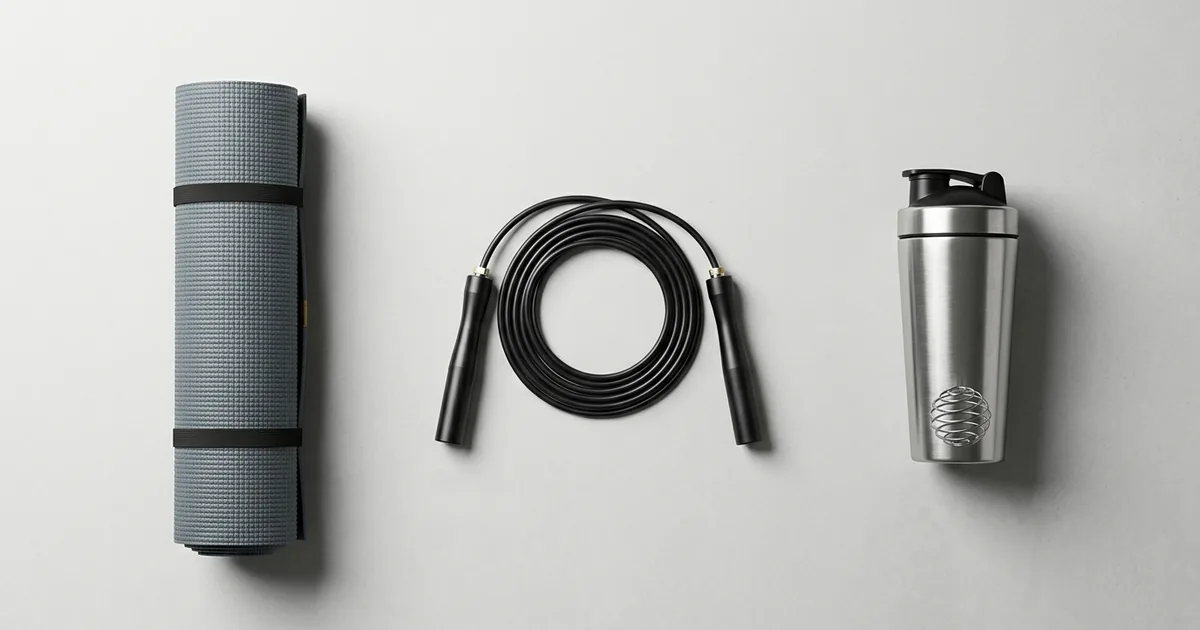
Choose a mat in the 10mm to 15mm range with strong grip on both sides. You will be moving fast between push-ups, burpees, and jump squats, often while sweating heavily. A textured, moisture-resistant top layer prevents slipping mid-set. Pair it with a jump rope for a complete floor-based conditioning setup that needs zero extra space.
Go thinner, 4mm to 6mm, with maximum grip and ground feel. Thick cushioning actually hurts balance poses because your standing foot sinks unevenly. Natural rubber or high-grip TPE mats perform best here, particularly for hot yoga sessions where sweat levels are high.
If you use the mat mainly for stretching before and after lifting, or for core work between sets, a mid-range 12mm to 15mm exercise mat is the practical choice. It is thick enough for comfortable floor contact during glute bridges and dead bugs, but not so thick that it destabilizes standing movements.
For foam rolling, static stretching, and breathing work, thickness matters less than surface area. A wider mat (80cm plus) gives you room to roll side to side without stepping off the edge onto a cold tile floor.
A fitness mat performs best as the foundation of a broader portable kit rather than a standalone purchase. Once your mat is sorted, a small number of additions turn it into a complete gym-home-travel system.
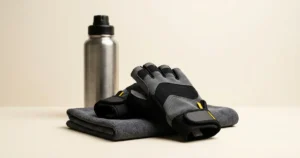
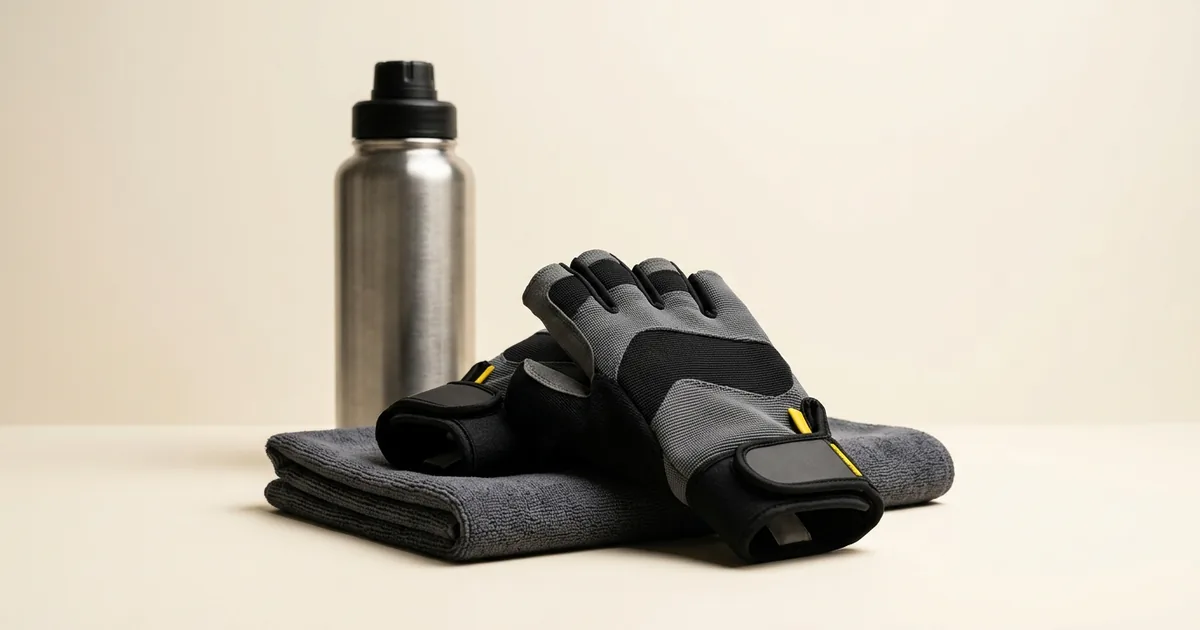
Long planks, mountain climbers, and floor-based pressing movements put repeated strain on wrists and palms. A pair of gym gloves or wrist straps protects your hands during high-rep floor sessions and improves grip security on sweaty mat surfaces.
Pairing mat work with a vibration platform session targets circulation, mobility, and muscle activation in short bursts, ideal for days when a full gym session is not realistic. Do your warm-up stretches on the mat, move to the platform for activation, then return to the mat for your main floor-based block.
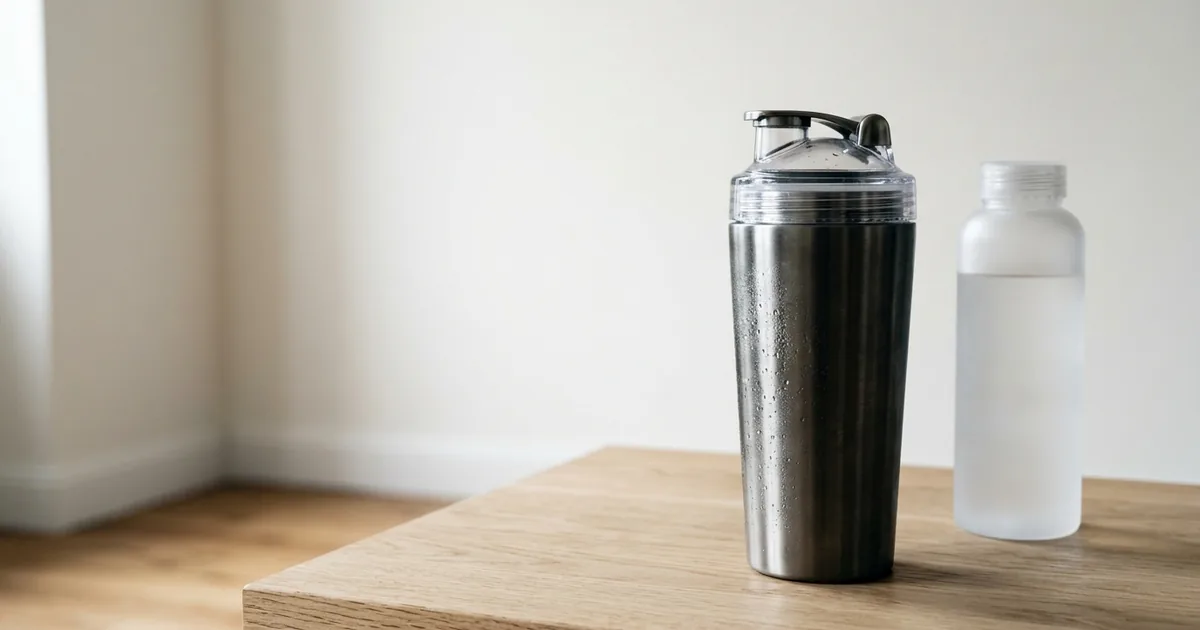
An intense mat-based circuit still demands proper post-workout nutrition. An electric protein shaker bottle makes it easy to mix a clean shake immediately after training, whether you finished your session at home, in the gym, or in a hotel room.
Portable gear evolves fast. Check the new arrivals section regularly to see the latest mat designs, folding formats, and material upgrades before committing to a purchase.
Training conditions in the Gulf differ from cooler climates in ways that directly affect mat choice.
Indoor temperatures during summer months, combined with less breathable flooring like marble or tile, mean sweat accumulates faster during home workouts. PVC mats can feel clammy under these conditions. TPE and open-cell NBR mats with sweat-resistant coatings perform noticeably better for daily training in warmer indoor environments.
Most homes and apartments across the region use tile, marble, or polished concrete rather than carpeted floors. This makes mat thickness more important than it would be in a carpeted home, since there is no underlying cushioning to compensate for a thin mat. Default to at least 10mm thickness if your home has hard flooring throughout.
Between business travel, weekend trips, and compact apartment living, storage space is often limited. A foldable travel mat or a slim roll-up design that fits in a wardrobe corner or under a bed is far more practical than a bulky gym-style mat for most residents training primarily at home.
If you occasionally train outdoors on grass, sand, or a balcony, choose a mat with a reinforced, puncture-resistant base layer. Standard thin yoga mats tear quickly against rough outdoor surfaces and small sand particles that work into the material over time.
A quality mat lasts two to three years or more with proper care. Neglect turns even a premium mat into a cracked, smelly liability within months.
Wipe down the surface with a damp cloth and a mild, non-alcohol-based cleaner after intense sessions. Harsh chemicals break down foam and rubber over time, causing cracking and reduced grip. Avoid soaking the mat, especially NBR types, as trapped moisture leads to a lingering odor.
Always let your mat air dry fully before rolling it up. Rolling a damp mat traps moisture inside, which breeds bacteria and causes a persistent smell that is difficult to remove later. Store rolled mats upright rather than flat to avoid permanent creasing.
If you train daily, consider rotating between two mats, a lighter travel mat for mobility days and a thicker exercise mat for high-impact sessions. This halves the wear rate on each mat and extends overall lifespan significantly.
UV exposure degrades foam and rubber materials faster, causing brittleness and fading. Store your mat away from direct sunlight, particularly important in regions with intense year-round sun exposure.
Avoid these recurring errors that lead to buyer’s remorse within the first few weeks of ownership.
If you are still unsure which fitness mat fits your situation, run through these three questions.
Primarily at home on hard flooring, go 10mm to 15mm. Primarily traveling, prioritize a foldable mat under 1.5kg. Primarily yoga or balance work, go thin and grippy at 4mm to 6mm.
High-impact HIIT and jump training need more cushioning than static stretching or strength accessory work.
Small apartments favor foldable or slim roll-up designs over bulky gym-style mats, regardless of how good the thicker option looks on paper.
The right fitness mat for home workouts is not the most expensive one or the thickest one, it is the one that matches your training style, your flooring, and your lifestyle across gym, home, and travel. Get the thickness, material, and grip right, and a single well-chosen mat becomes the base layer you build every session around for years. Pair it with the right portable gear, train on hard Gulf flooring without hesitation, and your home workouts will finally feel as stable and consistent as a gym floor.
For hard flooring common in UAE and KSA homes, choose a mat between 10mm and 15mm thick. This range provides enough cushioning for joints during floor exercises while keeping enough stability for standing movements.
A mid-range mat around 10mm to 12mm thick with a grippy top surface can handle both reasonably well. For dedicated daily yoga practice or intense daily HIIT, a specialized mat for each will perform noticeably better.
Choose a mat with a textured, non-slip base layer designed for hard flooring, keep the surface clean and dry before each session, and avoid thin, low-grip materials like basic PVC on polished tile or marble.
Foldable travel mats are built for portability and light use, such as stretching or mobility work. For daily high-impact home workouts, a thicker dedicated exercise mat will hold up better over time.
With proper cleaning, drying, and storage, a quality mat typically lasts two to three years. Replace it sooner if you notice cracking, a persistent odor despite cleaning, or reduced grip on the surface.

Last updated: October 14, 2026 75lbs sits at a specific, meaningful point in strength training. It is heavy enough to
Last updated: October 14, 2026 A dual protein shaker bottle solves one problem that a single-chamber shaker never could: carrying
Last updated: October 11, 2026 A rigid fitness centre is not a building. It is a personal performance system built