
Last updated: September 27, 2026
Typing “best gym near me” into your phone gives you a list ranked by distance, not by whether the place will actually get you results. Proximity matters, but it’s the least important factor once you dig into what separates a gym that builds real progress from one that just fills a Google Maps pin. This guide breaks down how to properly evaluate gyms in Dubai, Abu Dhabi, Riyadh, Jeddah or anywhere in the Gulf, and why the smartest lifters in 2026 don’t rely on a single gym at all. They build a hybrid setup that works whether they’re in a fully-loaded facility, their living room, or a hotel room three time zones away.
Rigid Fitness exists because of this exact gap. Portable workout gear for gym, home and travel means your training doesn’t collapse the day your gym closes early, your membership lapses, or your flight gets delayed. Let’s get into how to actually choose a gym near you, and how to make sure that choice never becomes your only option.
The phrase implies a simple answer: the closest gym with good reviews. But “best” is doing a lot of work in that sentence, and it means something different depending on your training goal, schedule and budget. A powerlifter’s idea of the best gym is a facility with a deep squat rack, bumper plates and zero crowding around 6pm. A busy professional’s idea of the best gym is one with a fast checkout, clean showers and a 24-hour access card. A beginner’s idea of the best gym is one that doesn’t feel intimidating.
Before you search for anything nearby, get specific about what you need. Write down your top three non-negotiables. Is it opening hours? Strength equipment variety? A short commute? Group classes? Price? Once you know your filters, location becomes one factor among five or six, not the only one.
Search results and map apps optimize for distance because that’s an easy variable to measure. It says nothing about crowding at peak hours, the condition of the gear, or whether the gym will renegotiate your contract fairly if you relocate. UAE and KSA cities are full of gyms that look identical from the outside, glass front, branded flooring, a few treadmills facing a screen, but the actual training experience inside varies wildly.
Here’s the trap: you pick the gym three minutes from your apartment because it’s convenient, sign a 12-month contract, and by month two you realize the squat rack is always occupied, the air conditioning barely works past 7pm, and the front desk takes two weeks to answer a billing question. Convenience got you in the door. It didn’t make the gym good.
Run every gym you’re considering through this checklist before signing anything. Most people skip this and pay for it later with a contract they can’t get out of.
A gym with 40 cardio machines and two squat racks is not built for strength training. Walk the floor and count how many stations exist for the lifts you actually do: squat, bench, deadlift, row, overhead press. If there’s one power rack for a facility of 300 members, expect to wait, especially between 6pm and 9pm on weekdays, the busiest window across Dubai and Riyadh gyms.
Visit at the time you’ll actually train, not during a quiet mid-morning tour. Gym staff will always show you the floor when it’s empty. If you train after work, go back at 7pm before committing. This single step eliminates more bad gym choices than any review site.
Check the condition of the benches, the grip tape on the dumbbells, whether the cable machines are properly lubricated, and if there’s a clear cleaning schedule posted. A gym that lets equipment degrade is a gym that will also let its service quality slide.
Read the cancellation policy before you read the price list. Some UAE gyms lock you into a 12-month contract with a steep early termination fee. Ask directly: what happens if I relocate to another emirate, get injured, or want to freeze my membership for a month of travel? A gym confident in its value will have flexible terms. One that doesn’t is betting on you forgetting to cancel.
A gym 25 minutes away that you’ll actually attend four times a week beats a gym 5 minutes away that you’ll skip because the vibe is off. But also calculate the real cost: fuel, parking, and time. In cities like Dubai or Jeddah, a daily 40-minute round trip adds up to over 170 hours a year, almost a full work week, just in transit.
If group classes or personal training matter to you, sit in on one class before signing. Watch how the coach corrects form, manages class size and paces the session. A packed class with no individual correction isn’t coaching, it’s crowd control.
Even the best gym near you has downtime. Renovation closures, public holiday hours, AC maintenance, or simply your own travel schedule will eventually take that gym out of the equation for days or weeks at a time. If your entire training system depends on one physical location, your consistency depends on that location’s uptime, not your own discipline.
This is where most people’s progress actually breaks down. Not from bad programming, but from a two-week gap when the gym was inaccessible and there was no fallback plan. The fix isn’t complicated: build a backup system that travels with you.
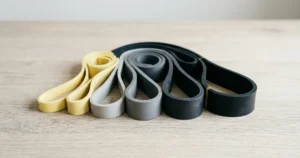
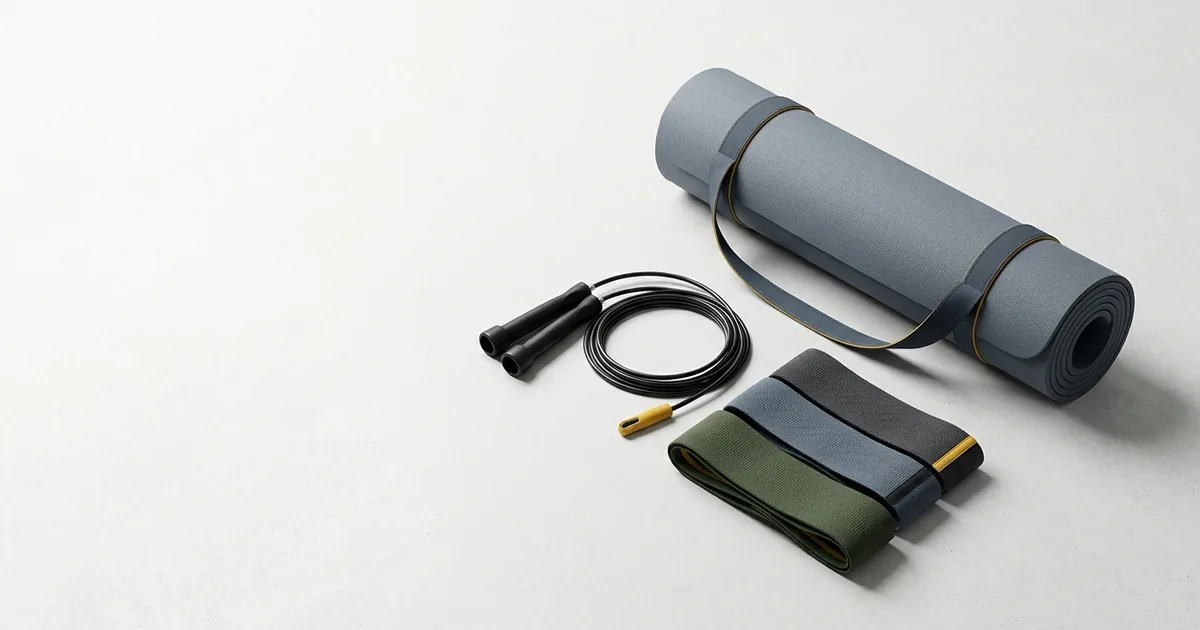
A backup gym doesn’t need to replicate a full facility. It needs to cover the handful of movement patterns that keep your strength and conditioning from sliding backward during a gap week. This is exactly the gap Rigid Fitness gear is designed to close, gear that works in a spare room, a hotel suite, or a compound gym with almost no free weights.
Portable gear removes every excuse tied to location. No commute, no membership freeze paperwork, no waiting for a rack. You train the moment you decide to, whether that’s 6am in your apartment before work or in a hotel room after a delayed flight. The volume and intensity won’t match a full barbell session, but it’s enough to protect strength, keep conditioning sharp and maintain the habit itself, which is often the hardest part to rebuild once lost.
The strongest approach isn’t choosing between a gym membership and home training. It’s running both, deliberately. Use the gym for the sessions that need heavy load, a squat rack, a bench, a cable stack, three to four times a week. Use your portable gear on the days the gym is inconvenient, closed, or simply skipped because of a packed schedule. This hybrid model means your total weekly training volume stops depending entirely on one location’s opening hours.
This split means missing the gym on any single day doesn’t derail the week. You simply shift a home session into that slot and keep moving.
Business travel and long weekends across the GCC are common, and hotel gyms are notoriously unreliable, sometimes it’s a single treadmill and a dusty dumbbell rack, sometimes it’s closed for renovation with zero notice. This is where a travel-ready kit earns its keep.
None of this replaces a heavy squat day, but it holds the line. Your conditioning stays sharp, your joints stay warm, and you walk back into your regular gym the following week without having lost the habit.
People obsess over finding the closest, shiniest gym and then undo half the benefit with poor recovery habits. Sleep, hydration and post-workout nutrition determine how much of your training actually converts into results, regardless of which gym you chose.
The 30 to 60 minute post-workout window is when your body is most primed to use protein for repair. Carrying a proper shaker, like an electric protein shaker bottle that blends without clumping, means you can mix a shake in your gym bag, your car, or your hotel room in under 20 seconds. No blender, no excuse to skip it.
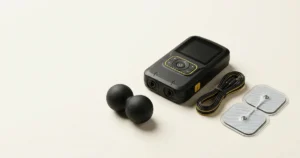
A rest day doesn’t mean zero movement. Light mobility work, a short walk, or ten minutes on a vibration platform can reduce soreness and keep blood flow to recovering muscle tissue. This matters more the older you get and the harder your gym sessions are, since recovery capacity doesn’t scale with training volume automatically.
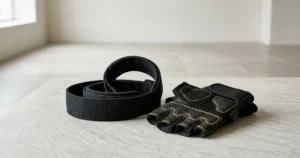
If you’re serious about never letting a closed gym or a bad travel week derail your training, put together a small, dedicated kit that lives in a gym bag or a corner of your home. It should cover conditioning, strength support, recovery and nutrition, four categories, four tools, nothing excessive.
Browse the newest additions to the range periodically. Portable fitness tools improve fast, and a small upgrade, like a quieter vibration motor or a better-balanced rope handle, can make a noticeable difference in how consistently you actually use the gear.
The best gym near you isn’t the one closest on the map, it’s the one that matches your training style, respects your schedule, and doesn’t lock you into bad terms. Run every option through a real checklist: equipment depth, peak-hour crowding, hygiene, contract flexibility and coaching quality. Then build a backup system with portable gear so no closure, relocation or travel week ever forces a break in your training. Gym, home or hotel room, the goal is the same: show up and do the work, wherever you are.
Visit at your actual training time, not during a quiet tour slot, check equipment depth for the lifts you do most, and read the cancellation policy before the price list. A gym confident in its value offers flexible terms and a trial session.
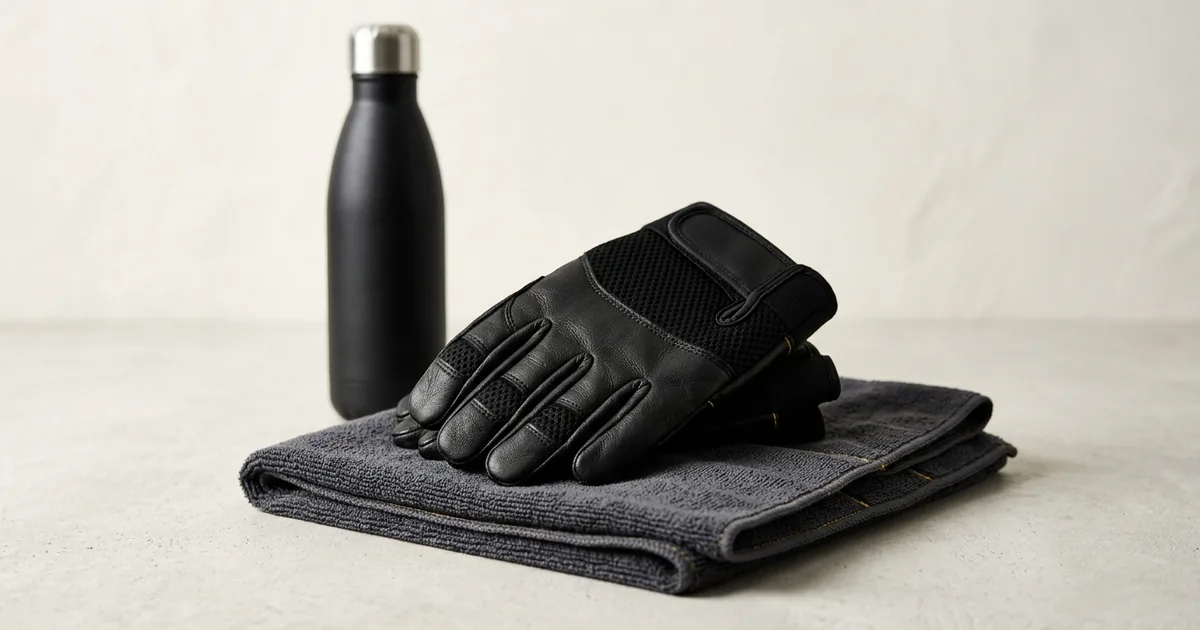
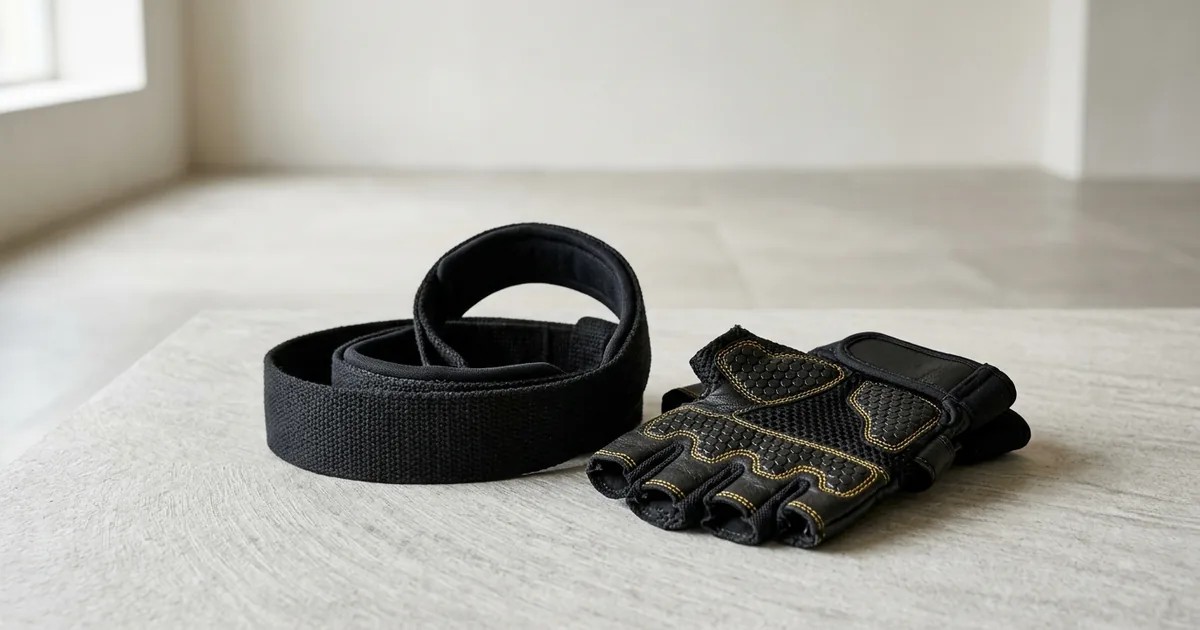
Keep a small portable kit, a jump rope, gloves and a protein shaker, so you can run a 20-minute conditioning and bodyweight session in a hotel room. It won’t replace a heavy gym day, but it protects your habit and conditioning until you’re back.
Yes. A hybrid approach, using your gym for heavy strength sessions and portable gear at home for conditioning and recovery days, keeps your total weekly training volume stable even when the gym isn’t accessible.
A jump rope for conditioning, a vibration platform for warm-ups and recovery, and a protein shaker for post-workout nutrition cover the biggest gaps on days you can’t make it to the gym.
Less than most people think. A slightly farther gym you’ll actually attend beats a nearby gym with a bad vibe or overcrowded peak hours. Calculate real commute cost over a year, then weigh it against equipment quality and schedule fit.
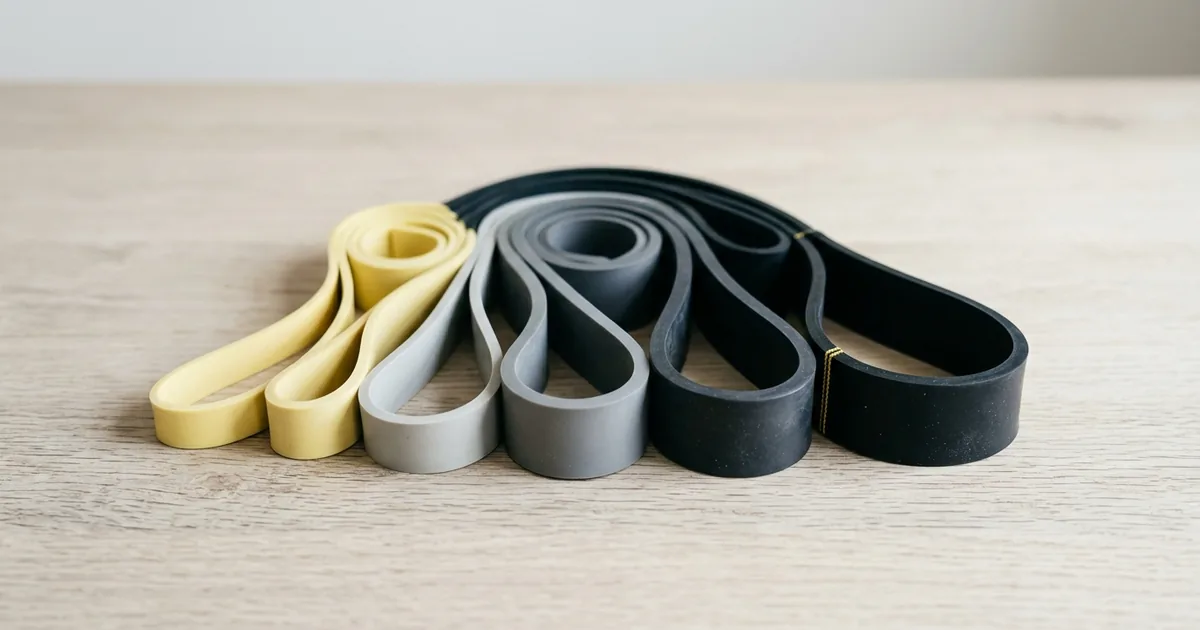
Last updated: September 27, 2026 A resistance band costs less than a single personal training session and fits in a
آخر تحديث: 27 سبتمبر 2026 مساحة غرفة النوم الإضافية أو زاوية من الصالة كافية لبناء روتين تمرين حقيقي، بشرط اختيار
Last updated: September 23, 2026 The question every serious lifter eventually asks is: what are the best gym gloves for