
Last updated: August 19, 2026
The wrong yoga mat will not ruin your practice overnight, but it will quietly sabotage it. Slipping hands in downward dog, knees bruising on a thin surface, a mat that curls at the edges during travel – these are not minor annoyances. They pull your attention away from breath and alignment and onto discomfort. Knowing how to choose a yoga mat for your practice means matching thickness, material, grip, and size to the way you actually train, not to whatever is on sale.
This guide breaks down every variable that matters, from PVC versus natural rubber to how mat choice shifts depending on whether you practice hot yoga in a Dubai studio, a slow flow at home in Riyadh, or vinyasa in a hotel room between flights.
A yoga mat is the only piece of gear that touches every part of your body during a session. Your palms, feet, knees, spine, and forehand all rest on it at some point. It has to grip when you sweat, cushion when you kneel, and stay flat when you balance. A mismatched mat forces micro-adjustments throughout a class, tension in the shoulders to compensate for sliding hands, shallow breath because a knee is aching against a hard floor. Choosing correctly removes these distractions entirely, letting the practice stay focused on movement and breath instead of survival on an unstable surface.
Mat choice also affects consistency. A mat that feels great in a cool, air-conditioned studio can become a liability in a heated room, and a mat built for daily home use may be too bulky to carry to a gym class or pack for a trip. This is why the decision needs to start with your practice pattern, not with price or color.
Thickness is the single biggest factor in how a mat feels underfoot, and it is where most buyers get it wrong. Thicker is not automatically better. It is a trade-off between cushioning and stability.
Thin mats are built for stability and portability first. They keep you close to the floor, which improves balance in standing poses and grounding in twists. They roll into a compact size, making them the obvious pick for travel yoga or for slipping into a gym bag alongside other gear. The downside is limited cushioning, so they are less forgiving on hard floors during kneeling or seated work. These suit experienced practitioners who prioritize stability over padding, and anyone who values a lightweight, packable option.
This is the default range for a reason. A 4mm to 5mm mat balances cushioning and ground connection well enough to work across styles, from vinyasa to restorative. It is dense enough to prevent knees or elbows from feeling the floor, yet thin enough to keep standing poses stable. If you only own one mat and practice a mix of styles at home and in studio classes, this range is the safest starting point.
Thick mats prioritize joint comfort. They suit people with sensitive knees, wrists, or lower backs, and they work well for restorative or yin yoga where poses are held for long periods on the floor. The trade-off is stability. Extra cushioning can make single-leg balances and inversions feel less secure, since the surface compresses unevenly under concentrated weight. Thick mats are also heavier and less practical to carry daily, so they work best as a dedicated home mat rather than a gym or travel option.
Material affects grip, durability, eco-impact, price, and how the mat feels against skin. Here is what each common option actually delivers.
PVC mats are the most widely available and typically the most affordable. They offer strong grip, good durability, and a cushioned feel that suits most beginners. They are not biodegradable, and some users are sensitive to the initial synthetic smell, which fades with airing out. If budget and durability are the priority over eco-credentials, PVC remains a reliable choice.
TPE is a middle-ground material, lighter than PVC, more eco-friendly, and still budget-friendly. It offers decent grip and cushioning but tends to wear faster than PVC or rubber under heavy daily use. TPE mats work well for people practicing a few times a week rather than daily, and for anyone wanting a lighter mat to carry between home and gym.
Natural rubber delivers the best grip on the market, especially once it warms up from body heat, which makes it a strong pick for sweaty or hot yoga sessions. It is biodegradable and generally more durable than PVC or TPE. The trade-offs are weight (rubber mats are heavier) and a natural rubber scent that some find strong initially. Rubber is not suitable for anyone with a latex allergy, so check the product description before buying.
Cork-topped mats (usually paired with a rubber base) have gained popularity because cork naturally becomes grippier as it absorbs moisture, meaning the sweatier your session gets, the better your traction. Cork is antimicrobial by nature, which helps with odor and hygiene over time. It is a firmer surface than foam-based mats, so it suits practitioners who prefer less cushioning and more direct ground feedback.
These are typically a rubber base with a soft microfiber or suede layer on top, designed to absorb sweat rather than let it pool on the surface. They perform exceptionally well in hot yoga because the top layer soaks up moisture as you sweat, keeping grip consistent through an entire heated class. They require more frequent washing than single-material mats since the fabric top holds moisture and oils.
Grip is where theory meets practice. A mat can look perfect on a product page and still slide the moment your hands sweat in a heated flow. Two things determine grip: surface texture and how the material responds to moisture.
Textured surfaces, raised patterns, ridges, or embossed dots increase friction and channel sweat away from contact points. Smooth-surface mats look sleek but often become slippery once moisture builds up. If you sweat heavily or practice in warm climates common across the UAE and KSA, prioritize textured or moisture-activated grip (like cork or natural rubber) over a smooth aesthetic finish.
Keeping a microfiber towel nearby also helps maintain grip mid-session. A quick wipe-down of hands, feet, or the mat surface between poses prevents slipping without breaking flow. A compact microfiber workout towel folds small enough to keep at the edge of your mat and absorbs sweat fast, which matters in both hot yoga and general strength sessions.
Standard yoga mats run around 173cm to 183cm long and 60cm to 66cm wide. This fits most practitioners comfortably, but height and practice style should guide the final decision.
If you are taller than 175cm, a standard mat may leave your hands or feet hanging off the edge during full extensions like downward dog or a long lunge. Extended-length mats (188cm to 200cm+) solve this and are worth the extra cost for taller practitioners. Width matters less for most people, but wider mats (66cm+) give more room for wide-legged poses and are useful if you practice styles with lateral movement.
Thickness and material both affect final rolled size and weight, which matters if you are commuting to a studio or gym. A thin PVC or TPE travel mat rolls small and weighs under a kilogram, while a thick natural rubber mat can weigh 2.5kg or more and take up significant bag space. Match the size decision to where the mat will actually live, on your home floor, in your gym bag, or in a suitcase.
Different styles of yoga put different demands on a mat. Matching your mat to your primary practice style improves the experience more than any single spec on its own.
Heavy sweat output demands moisture-responsive grip. Natural rubber, cork, or microfiber-top mats perform best here. Thickness should stay moderate (3mm to 5mm) since these styles involve fast transitions and standing balance, where too much cushioning reduces stability.
Poses are held for minutes at a time, often on knees or hips. A thicker mat (6mm+) reduces pressure points and makes long holds sustainable. Grip matters less here since movement is slow and controlled.
A standard 4mm to 5mm mat in PVC or TPE covers most needs. Balance stability and adequate cushioning without the bulk of a thick restorative mat.
Portability wins here. A thin, lightweight mat that rolls small and dries quickly after cleaning is more practical than a premium thick mat that takes up half a suitcase. This is where the portable-gear mindset matters most, your mat should move with you between a hotel room, a gym floor, and a living room without becoming a burden to carry.
Sustainability has become a real factor in mat selection, not just a marketing angle. Natural rubber and cork mats are biodegradable and made from renewable materials, making them the strongest eco-friendly choices currently available. TPE sits in the middle, more eco-conscious than PVC but not fully biodegradable. PVC remains the least sustainable option due to its synthetic composition and slow breakdown, though it often lasts longer before needing replacement, which offsets some of its environmental impact through extended use.
If sustainability is a priority, look for mats explicitly labeled as biodegradable, free of phthalates, and produced without heavy metals in the dye process. These details are usually listed in the product specifications rather than the marketing copy, so check before buying.
A mat’s lifespan depends on material, frequency of use, and how well it is maintained. PVC and natural rubber mats tend to last the longest under daily use, often two to five years with proper care. TPE mats show wear faster, typically within one to two years of regular practice. Microfiber-top mats need more frequent cleaning since the fabric layer holds sweat and oils, but the rubber base underneath usually outlasts the top layer.
Rolling your mat correctly (practice side facing out, not in) prevents premature creasing and cracking. Storing it flat or loosely rolled in a cool, dry space away from direct sunlight extends its life further, since UV exposure breaks down rubber and PVC over time.
The strongest yoga mats today are the ones that adapt to more than one environment. A single high-quality, mid-thickness mat with textured grip can move between a home practice space, a gym studio session, and a carry-on bag without needing a second or third mat for each setting. This is the same principle behind building a portable gear kit rather than a static one, gear that performs at home should be the same gear that performs when you travel or train at a gym.
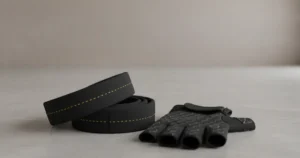
Pairing your mat with a few other portable pieces builds a complete, no-excuses setup. A portable blender bottle makes post-practice hydration or a quick protein shake possible whether you are at home or between gym sessions. For cross-training days that mix yoga with strength work, a set of gym gloves and straps protects grip during weighted movements without adding bulk to your bag. And if your routine includes warm-up or recovery work before yoga, a vibration platform is a compact addition that fits the same small-space, multi-use philosophy as a good travel mat.
For anyone building out a full home or travel setup from scratch, browsing the latest gear arrivals is a fast way to see what is currently in stock across mats and complementary pieces.
Yoga mat pricing in the UAE and KSA market generally falls into three tiers, and understanding what each tier delivers prevents overpaying or underbuying.
Basic PVC or thin foam mats. Adequate for occasional practice or absolute beginners testing out yoga before committing further. Grip and durability are limited, and these mats often need replacing within six to twelve months of regular use.
This tier covers most quality TPE mats and entry-level natural rubber or cork options. Grip, cushioning, and durability improve noticeably here, and this is where most consistent practitioners should be shopping.
Premium natural rubber, cork-top, and extended-length or extra-thick mats live in this range. These are built for daily use over multiple years, often with reinforced edges, alignment markings, and superior grip technology. Worth the investment if yoga is a core part of your weekly routine rather than an occasional session.
Several buying mistakes show up repeatedly, and avoiding them saves both money and frustration.
If you have the option to test a mat in person before purchasing, a few quick checks reveal a lot. Press your palm firmly into the surface and slide it slightly, this simulates the grip test under light pressure. Kneel on it and note how much give there is under your kneecap. Roll and unroll it once to check how quickly it lies flat, mats that curl stubbornly at the edges will be annoying in every session. Smell it, a strong chemical odor that does not fade after airing out for a day or two may indicate lower-quality PVC.
When shopping online, rely on verified specifications rather than marketing language alone. Check listed thickness in millimeters, material composition, and dimensions rather than descriptive terms like “extra cushioned” or “premium grip,” which are not standardized across brands.
If the number of variables feels overwhelming, simplify the decision with three questions. First, where will this mat live most of the time, home, gym, or a bag that travels between both? Second, what style of practice do you do most often, fast-paced flow, slow restorative work, or a mix of both? Third, how much do you sweat during a typical session? Answering these three questions alone will point you toward the right thickness range, the right material, and the right size without needing to compare every spec sheet available.
For most people who practice a mix of styles at home and occasionally in a studio or gym setting, a 4mm to 5mm natural rubber or TPE mat with textured grip covers the widest range of situations without major compromises. Specialize only once you know your practice well enough to feel the limitations of a general-purpose mat.
Learning how to choose a yoga mat for your practice comes down to matching four variables, thickness, material, grip, and size, to how and where you actually train. There is no single best mat, only the best mat for your body, your practice style, and your lifestyle. Start with a mid-range, moderate-thickness mat in a grippy material if you are unsure, then adjust toward thicker or thinner, heavier or more portable, once you understand what your practice actually demands. Get the mat right, and every session becomes about the practice itself, not about fighting the surface underneath you.
Wipe the mat down after every session with a damp microfiber cloth or a light mix of water and mild soap, focusing on hand and foot contact areas. For a deeper clean, use a diluted vinegar-water solution or a dedicated mat cleaner, spray it on, wipe with a cloth, then let the mat air dry fully before rolling it up. Avoid soaking rubber or cork mats since excess water can weaken the material over time.
There is no single best mat, only the best mat for your specific practice. Natural rubber or cork mats with textured grip are the strongest all-round choice for most practitioners because they balance grip, durability, and eco-friendliness. If you sweat heavily or practice hot yoga, a microfiber-top or cork mat performs better. If portability is your priority, a thin TPE or PVC travel mat is the better fit.
Choose based on four factors: thickness (3mm to 5mm for general use, thicker for restorative work, thinner for travel), material (natural rubber or cork for grip and durability, TPE for a lighter budget option, PVC for affordability), grip texture (textured or moisture-activated surfaces for sweaty practice), and size (extended length if you are taller than 175cm). Match these to your primary practice style and where the mat will be used most.
The side with more texture, grip pattern, or a slightly rougher finish is the practice side and should face up. Many mats have a smoother, denser underside designed to grip the floor and prevent sliding, while the top side is textured for hand and foot traction. If both sides look identical, either side can be used as the practice surface.
For a full wash, use lukewarm water with a small amount of mild, non-oil-based soap. Gently scrub the surface with a soft cloth or sponge, rinse thoroughly to remove all soap residue, then hang or lay the mat flat to air dry completely before folding or rolling it, since trapping moisture inside a rolled mat encourages mold and odor.
Standard mats run 173cm to 183cm, which fits most practitioners under 175cm tall. If you are taller, look for extended-length mats of 188cm to 200cm or more so your hands and feet stay fully supported during full extensions like downward dog or long lunges.
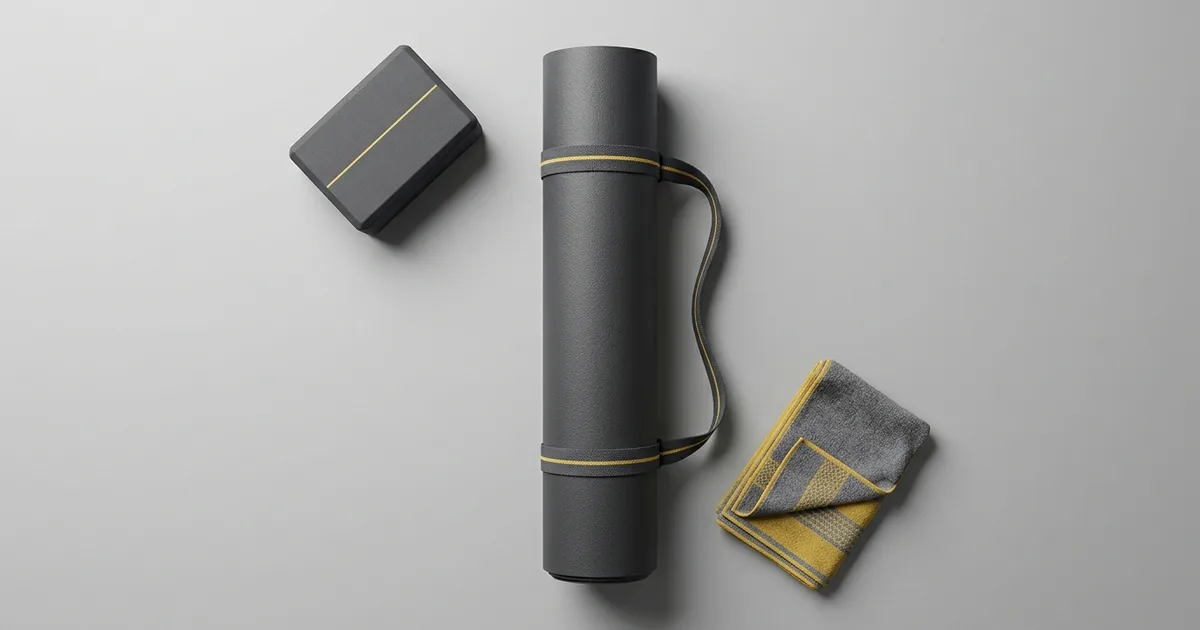
Last updated: August 19, 2026 Most people pick a yoga mat based on color or price and regret it within
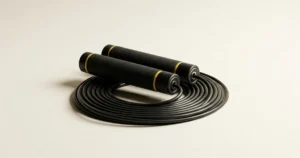
آخر تحديث: 19 أغسطس 2026 حبل القفز أداة صغيرة الحجم لكنها من أقوى وسائل حرق الدهون التي يمكن استخدامها في
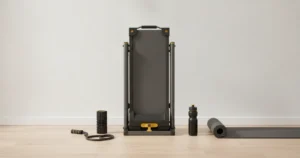
Last updated: August 19, 2026 A walking pad for home fitness UAE apartments is one of the few pieces of