

How to start working out after a long break is one of the most common questions people ask when they want to return to fitness but feel unsure, tired, or out of routine. Maybe you stopped exercising because of work, travel, injury, Ramadan, family responsibilities, low motivation, or simply because life became busy. Whatever the reason, the most important thing to know is this: you do not need to restart perfectly. You just need to restart safely.
Getting back into exercise after weeks, months, or even years away can feel challenging at first. Your stamina may feel lower, your muscles may get sore faster, and your old workout routine may feel harder than you remember. That is completely normal. Your body needs time to rebuild strength, endurance, mobility, and confidence.
The good news is that you can start again with simple home workouts, short sessions, and beginner-friendly equipment. This guide will show you how to start working out after a long break, what exercises to begin with, what mistakes to avoid, and how to create a realistic routine you can actually stick to.
Taking a break from exercise does not mean you failed. It means your routine changed. Many people stop training for a period of time because of a busy job, lifestyle changes, stress, illness, injury, travel, pregnancy, or lack of motivation.
When you return, your body may not respond the same way it did before. You may feel breathless faster, your muscles may feel weaker, and simple exercises may feel more intense. This happens because your body adapts to your current lifestyle. If you have been less active for a while, it will need time to adjust again.
The goal is not to punish yourself for stopping. The goal is to rebuild momentum step by step.
The best way to start working out after a long break is to begin slowly, choose simple exercises, and give your body time to adapt. Many beginners make the mistake of trying to return to their old routine immediately. They start with intense workouts, heavy weights, or long cardio sessions, then feel sore, exhausted, or discouraged.
Instead, start with short and manageable workouts. A 15-minute session is enough in the beginning. Once your body adjusts, you can increase your workout time, intensity, or frequency.
A safe restart should include:
If you have a medical condition, past injury, chest pain, dizziness, or long-term health concern, speak with a healthcare professional before starting a new exercise routine.
You do not need to train for one hour on your first day back. In fact, shorter workouts are usually better when you are restarting.
Begin with 15–20 minutes, 3 days per week. This gives your body enough activity to rebuild fitness without overwhelming your muscles and joints.
A simple first-week routine could look like this:
The goal during the first few weeks is consistency, not intensity. If you finish your workout feeling like you could do a little more, that is a good sign. It means you are training at a sustainable level.
Low-impact exercises are ideal when you are getting back into fitness because they are easier on your joints and muscles. They help you rebuild movement, coordination, and stamina without placing too much stress on the body.
Good beginner exercises include:
If you are exercising at home, start with movements that feel controlled and comfortable. You should feel challenged, but not in pain.
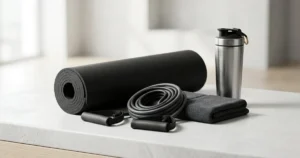
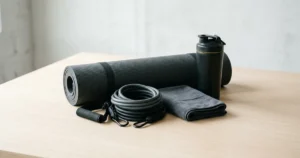
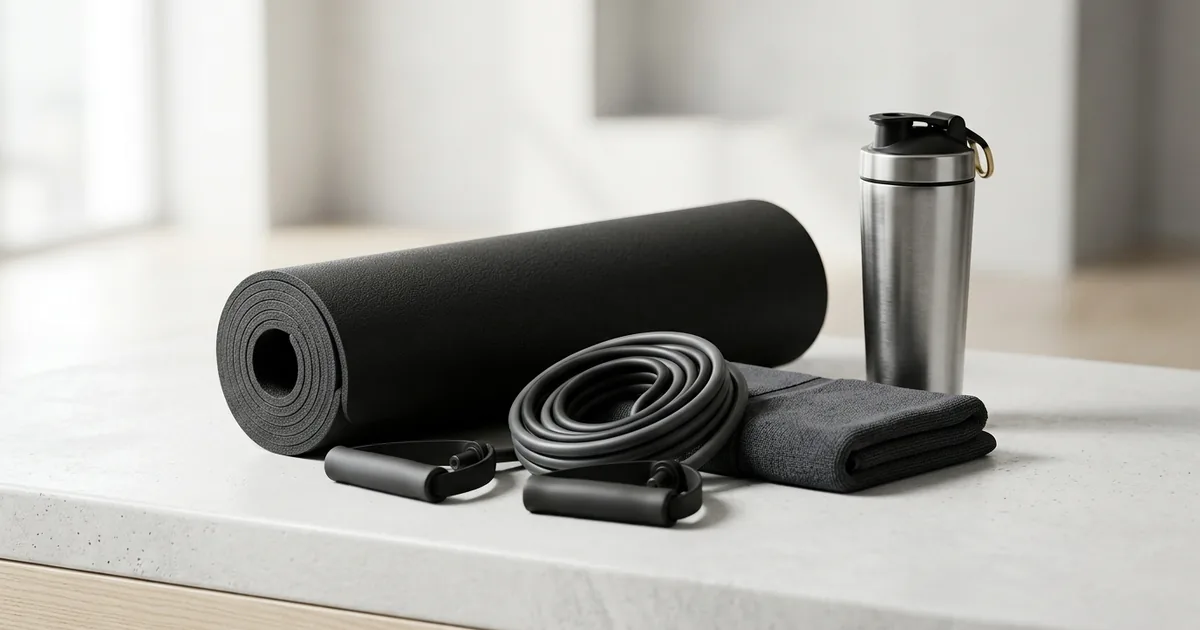
One of the easiest ways to restart fitness is by training at home. You do not need a full gym or large machines to begin. A few compact pieces of equipment can help you train your full body safely.
Useful home workout equipment includes:
For Rigid Fitness, this is a strong opportunity to naturally link to categories such as resistance bands, yoga and exercise mats, skipping ropes, recovery tools, gloves, and bottles.
A plan makes it easier to stay consistent. Without a plan, it is easy to do too much one day and then stop for the rest of the week.
Here is a simple 3-day beginner plan you can follow at home.
Start with a gentle warm-up for 5 minutes. March in place, move your arms, rotate your shoulders, and do a few bodyweight squats.
Workout:
Cool down with light stretching for your legs, chest, shoulders, and back.
This session should feel light to moderate. Do not push too hard in the beginning.
Workout:
If you feel comfortable, you can add short skipping rope intervals later, such as 20 seconds of skipping followed by 40 seconds of rest.
This day helps your body move better and recover from strength training.
Workout:
This type of session is great if you feel stiff after a long break from exercise.
When restarting fitness, warm-up and recovery are just as important as the workout itself. A warm-up prepares your joints, muscles, and heart rate for movement. Recovery helps your body repair and adapt.
Before every workout, spend 5 minutes warming up. You can do light marching, arm circles, bodyweight movements, or gentle mobility exercises.
After your workout, spend 5 minutes cooling down. Stretch the muscles you used and slow your breathing.
Recovery also includes:
Mild soreness is normal when you start again, but sharp pain is not. If something hurts in a way that feels unusual, stop and adjust the movement.
If you are wondering how to start working out after a long break without burning out, begin with 3 workouts per week. This gives your body training days and recovery days.
A good beginner schedule could be:
After 3–4 weeks, you can add a fourth day if your body feels ready. Over time, your goal can be to build toward a healthy weekly routine that includes both cardio and strength training.
Remember, you do not need to reach your final fitness goal immediately. Progress is built through repeated small actions.

The biggest mistake is trying to make up for lost time. Fitness does not work that way. If you push too hard in the first week, you may feel sore, tired, or discouraged.
Start small and build gradually.
Your old fitness level is not the starting point. Your current body is the starting point. Focus on what you can do today, not what you used to do months or years ago.
Rest days help your muscles recover and grow stronger. Training every day at the beginning can increase fatigue and make it harder to stay consistent.
Discomfort and effort are normal. Sharp pain, joint pain, dizziness, or chest discomfort are not. Stop if something feels wrong.
A simple plan keeps you focused. You do not need a complicated program. You only need a realistic routine you can repeat.
You do not need to buy everything at once. Start with essentials like a mat, resistance bands, and light weights. Upgrade later when you know your routine.
If you are restarting after a long break, choose equipment that is easy to use, compact, and beginner-friendly.
An exercise mat gives you a comfortable surface for stretching, core workouts, yoga, Pilates, and bodyweight exercises. It is one of the first items to buy for a home workout setup.
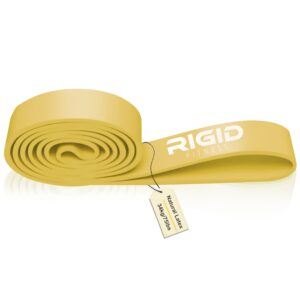
Resistance bands are excellent for beginners because they allow you to control the intensity. You can use them for upper body, lower body, mobility, warm-ups, and recovery exercises.
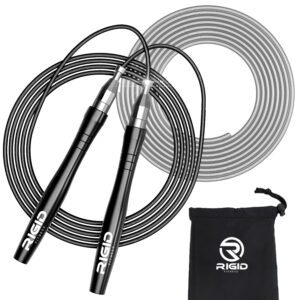
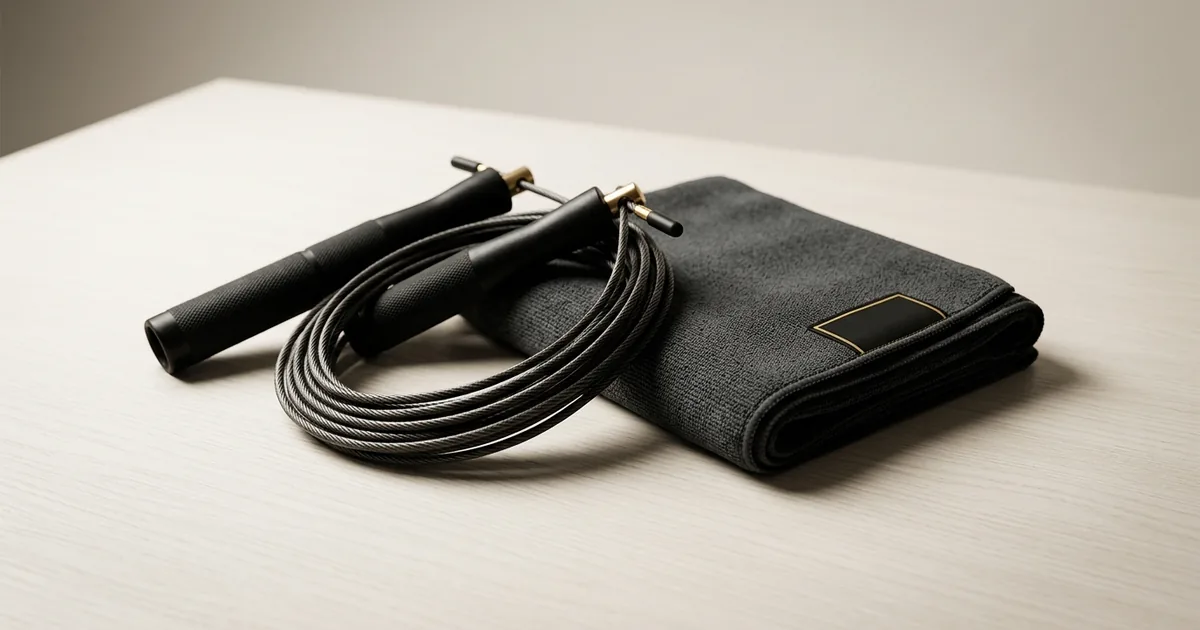
A skipping rope is a simple cardio tool, but it may feel intense if you are just restarting. Add it gradually after you have built basic stamina.
A foam roller can support recovery and mobility. It is useful if your legs, back, or shoulders feel tight after training.
Hydration matters, especially in the UAE and KSA climate. Keep water nearby during your home workouts and drink before and after exercise.
This plan is designed to help you rebuild gradually.
Goal: Build the habit.
Goal: Improve consistency.
Goal: Build strength and stamina.
Goal: Make exercise part of your lifestyle.
By the end of 4 weeks, you should feel more confident, more active, and more ready to continue.
Motivation is helpful, but it is not always reliable. Some days you will feel excited to train. Other days you may not. That is why your routine should be simple enough to follow even when motivation is low.
Try these tips:
The easier your routine is to start, the easier it is to maintain.
Start with short, low-impact workouts 3 days per week. Focus on walking, stretching, bodyweight exercises, and light resistance training. Increase slowly as your strength and stamina improve.
A good starting point is 3 days per week. This gives your body time to recover between sessions. After a few weeks, you can increase to 4 days if you feel ready.
The best workout is a simple full-body routine with low-impact movements. Start with squats, wall push-ups, glute bridges, resistance band rows, light walking, and stretching.
Both are useful. If you are a beginner, combine light cardio with simple strength training. For example, walk or march in place for 5 minutes, then do bodyweight or resistance band exercises.
It depends on your starting point, consistency, sleep, nutrition, and previous fitness level. Many people feel better within a few weeks, but rebuilding strength and stamina takes time. Focus on steady progress rather than quick results.
Yes. You can restart fitness at home with a mat, resistance bands, light dumbbells, and a simple weekly plan. Home workouts are ideal if you want privacy, convenience, and flexibility.
Learning how to start working out after a long break is not about doing the hardest workout possible. It is about building a safe, realistic routine that helps you feel stronger week by week.
Start with short sessions. Choose low-impact exercises. Use simple home equipment. Take rest days. Most importantly, be patient with yourself.
Your first goal is not perfection. Your first goal is to show up, move your body, and rebuild confidence. Once you do that consistently, your strength, energy, and fitness will follow.
Across six months of Google search data from this region, the clearest pattern is not about equipment at all. People
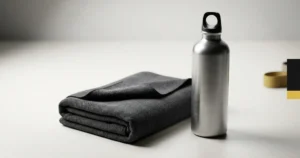
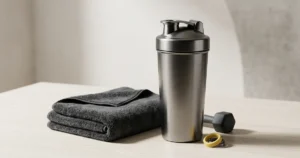
Last updated: July 26, 2026 A gym towel and bottle set is the most overlooked piece of portable workout gear
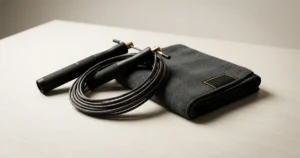
Last updated: July 26, 2026 A skipping rope costs less than a single gym session, fits in a gym bag,