
Last updated: November 1, 2026
A digital skipping rope with counter turns a basic cardio tool into a data-driven training device. It tracks jumps, time, and calories in real time, so you stop guessing and start progressing with numbers you can actually use. For anyone training across a gym, a home setup, or a hotel room while traveling, this small upgrade changes how consistently you train.
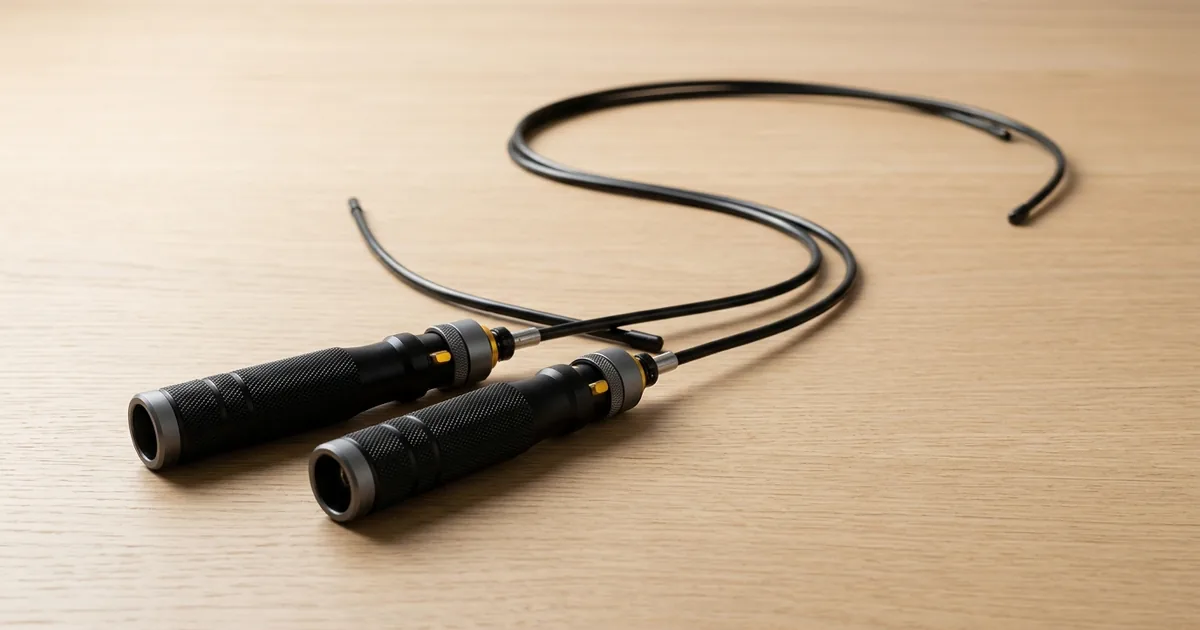
A digital skipping rope looks like a standard jump rope but has a built-in sensor, usually housed in one or both handles. That sensor detects rotation and sends the data to a small LCD screen on the handle. The screen typically shows jump count, workout duration, and an estimated calorie burn. Some models connect to a phone app for longer-term tracking, while others work entirely standalone with no app, no Bluetooth, and no charging cable required.
This is different from a plain beaded or PVC rope, which gives you movement but zero feedback. The digital version is built for people who train with purpose and want to see proof of the work, rep after rep, session after session.
Most digital skipping ropes use one of two sensor types:
The counter resets with a button press, and most displays update instantly, so you can glance down mid-set without breaking rhythm. Higher-end digital ropes also track your fastest round, longest streak without a miss, and total session calories based on your body weight input.
No handle-based counter is lab-grade accurate. Fast double-unders, very short ropes, or sloppy wrist form can cause the sensor to miss a count or add an extra one. Treat the number as a strong training reference, not a certified metric. For progress tracking over weeks and months, consistency of the device matters more than perfect precision on any single set.
A regular rope works fine for casual skipping, but it tells you nothing. A digital skipping rope with counter changes the training experience in a few concrete ways:
For home training especially, where there’s no coach watching the clock, a digital rope acts as a built-in accountability tool.
Not every digital skipping rope is built the same. Before you buy, check these details carefully.
Look for a large, easy-to-read LCD screen. If the numbers are tiny or the screen angle is awkward, you’ll end up squinting mid-set instead of training. Some models flip the display automatically depending on grip orientation, which is a small but useful detail.
Digital ropes come in three cable styles:
If your main use case is travel or a small apartment, a ropeless digital trainer is often the smarter pick over a cabled version.
A fixed-length cable rarely fits everyone in a household. Look for a digital rope with an adjustable cable, cut-to-size design, or a quick-clip system so each user can set it to their own height without buying a second unit.
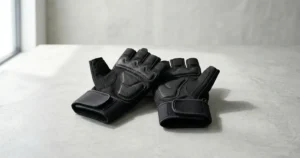
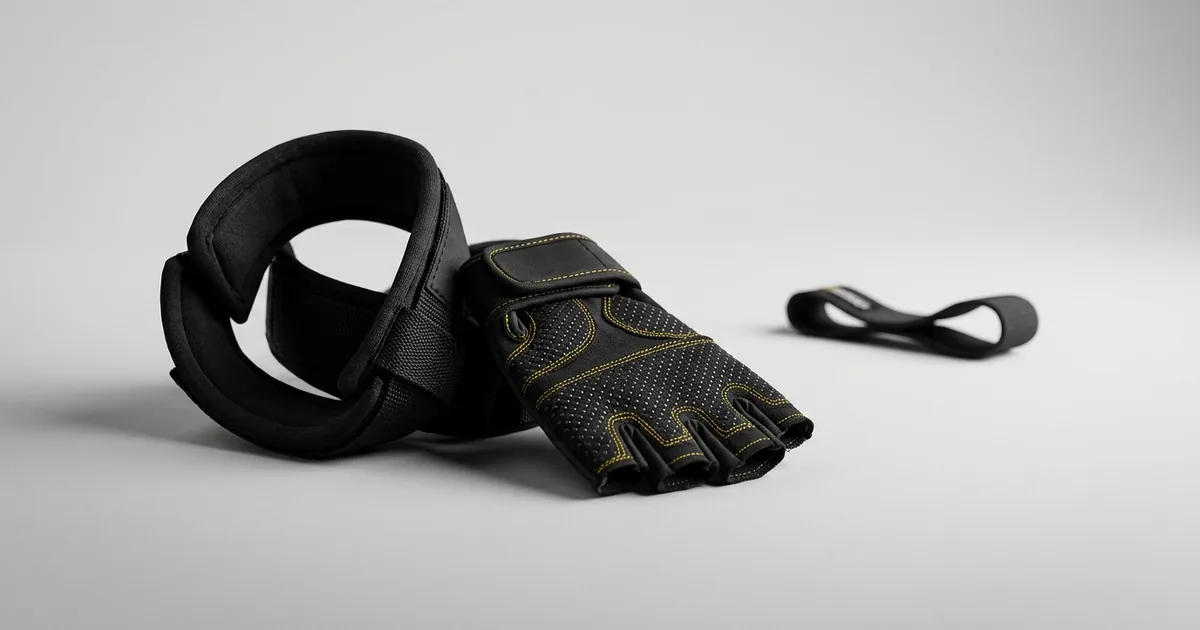
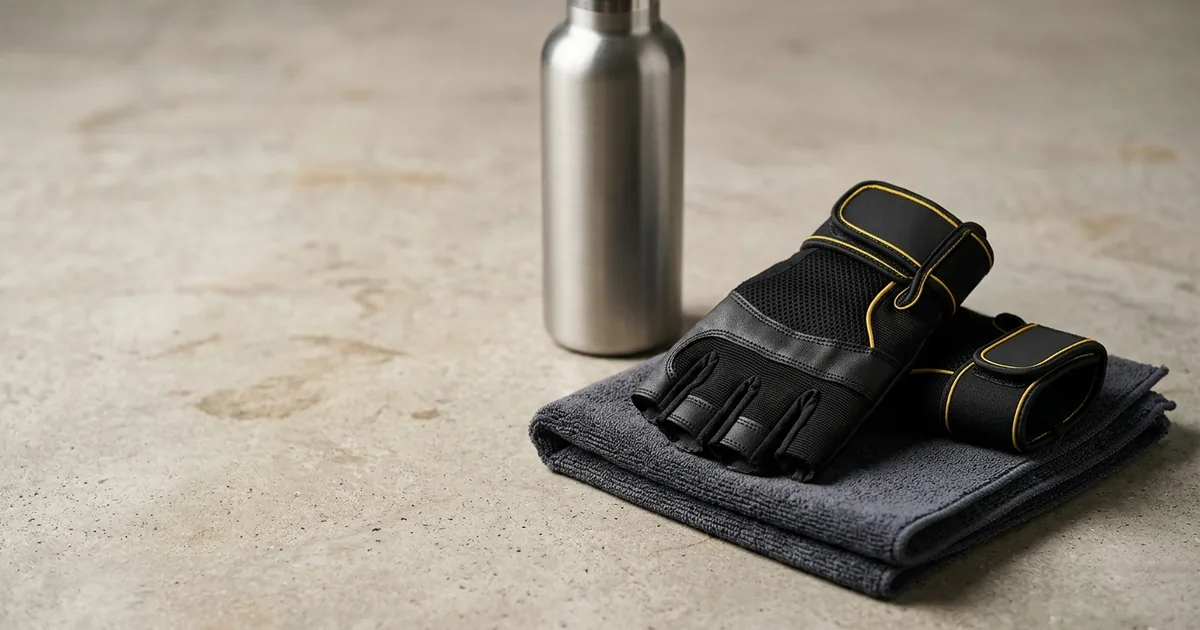
Heavier handles shift more of the workout into your forearms and shoulders, which some lifters want as extra conditioning volume. Lighter handles are better for speed and high-rep cardio. Either way, check for a non-slip, textured grip, since sweaty palms are a guarantee during longer sessions. Pairing the rope with a light pair of training gloves from the gym gloves and straps range can help maintain grip during long interval blocks, especially in humid conditions.
Most digital rope counters run on small coin-cell or AAA batteries that last for months of regular use. A handful of premium models are rechargeable via USB-C. For travel, replaceable batteries are usually more practical since you won’t always have a charger on hand.
Check the handle material (ABS plastic or aluminum are common), the bearing quality for cable rotation, and whether the cable is swappable if it wears out. A rope that lets you replace just the cable, not the whole unit, saves money long term.
Choosing the right rope depends on your training goal and your space.
| Type | Best For | Tracking | Space Needed |
|---|---|---|---|
| Digital Skipping Rope | Data-driven cardio, home and gym use | Jump count, time, calories | Standard ceiling height |
| Beaded Jump Rope | Beginners, double-unders, durability | None built-in | Standard ceiling height |
| Ropeless Digital Trainer | Travel, tight spaces, shared rooms | Jump count, time, calories | Minimal, no cable swing |
If you already prefer the weighted click and durability of a beaded, adjustable, tangle-free jump rope but want tracking too, some lifters keep both: the beaded rope for skill work like double-unders, and the digital rope for conditioning sessions where the numbers matter.
If you already train in a gym, a digital rope fills the gap between heavy lifting sets and dedicated cardio days. Five to ten minutes of tracked skipping before or after a session adds measurable conditioning volume without needing a treadmill or bike.
At home, a digital rope replaces an entire cardio corner. No treadmill footprint, no bike taking up a room corner, just a rope that packs into a drawer. It pairs well with short home HIIT circuits, and because it tracks data automatically, it keeps home training honest even without a coach present.
This is where a digital rope earns its keep the most. It weighs almost nothing, fits in any carry-on, and needs zero floor space beyond your own wingspan. For hotel rooms with low ceilings, switch to a ropeless digital trainer and get the same tracked workout with zero risk of hitting a ceiling fan or light fixture.
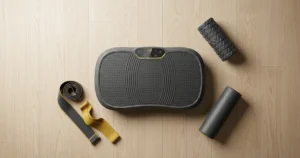
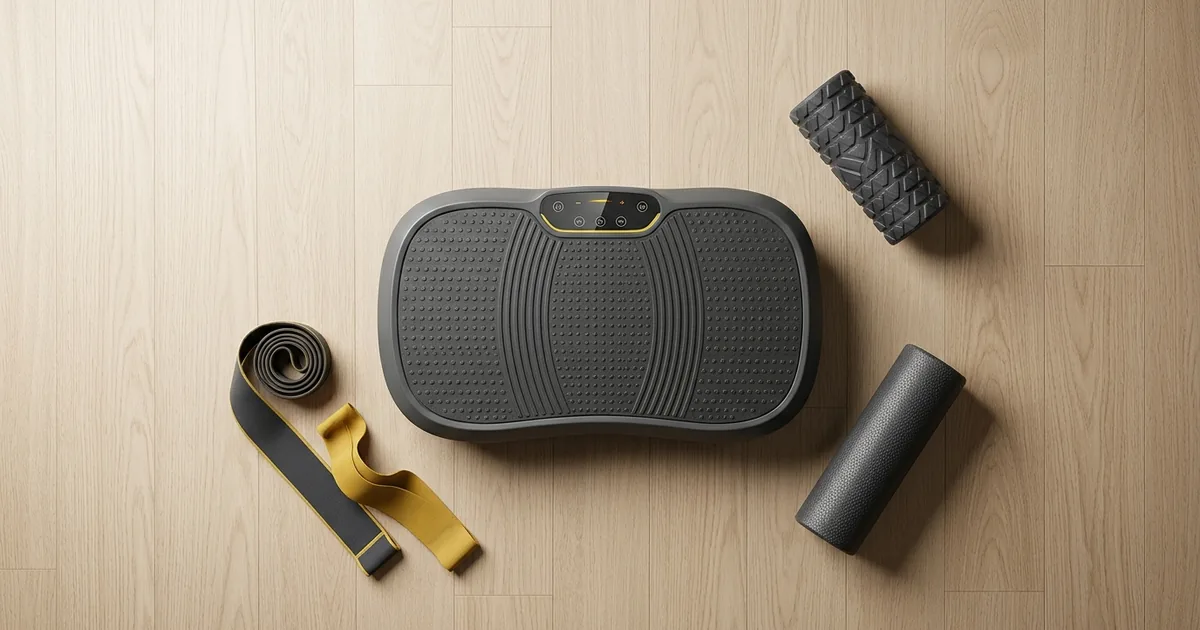
Jump rope work is high-impact on the calves and ankles. Spend 3-5 minutes on ankle circles, light bodyweight squats, and slow jumping in place before picking up the rope at full speed. If you have access to a vibration platform, a short pre-session round can help loosen the calves and lower legs before impact work begins.
Consistency beats intensity when it comes to skipping rope conditioning. A sample weekly structure:
Log your counter data each session, either manually or through a connected app, so you have a clear week-over-week record of total jumps, average pace, and calorie trend.
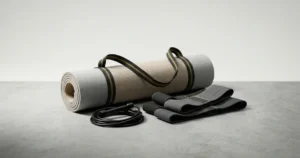
A digital rope works best as part of a small, portable training setup rather than in isolation.
A digital skipping rope has more moving parts than a plain rope, so a bit of care extends its lifespan considerably.
A rope that’s too long forces you to jump higher than necessary, wasting energy and increasing impact. Too short, and you’ll catch the cable on your feet constantly. Stand on the center of the cable and pull the handles up, they should reach roughly to your armpits for a standard fit.
Jumping on hard tile or concrete without a mat increases joint stress significantly. A thin rubber mat protects both your joints and your flooring, and also reduces noise, which matters in apartment settings.
It’s tempting to rush reps just to see the counter climb faster. Resist that urge. Clean form with a slightly lower count is far more valuable long-term than sloppy reps with an inflated number.
Jumping straight into fast intervals with cold ankles and calves is one of the fastest ways to pick up a minor strain. Always ease in.
Hotel rooms and low-ceiling home gyms are not built for full cable swings. Switch to a ropeless digital trainer in these settings rather than risking a hit to a light fixture or ceiling fan.
When shopping for a digital skipping rope locally, a few regional factors matter beyond the spec sheet.
Heat and humidity across the region mean sweat exposure is higher than average during outdoor or non-air-conditioned sessions. Prioritize handles with sealed battery compartments and corrosion-resistant contacts.
Entry-level digital skipping ropes with a basic counter and LCD display typically sit in a lower AED price bracket, while weighted cable or app-connected models sit higher. Ropeless digital trainers with dual sensors are usually priced in the mid-range. Always compare pricing in AED directly rather than converting from another currency, since import and distribution costs vary across the UAE and KSA markets.
If most of your training happens at home with a fixed training corner, a standard cabled digital rope with adjustable length covers most needs. If you travel often for work or regularly train in shared or tight spaces, prioritize a ropeless digital trainer even if it costs slightly more, since the flexibility pays off in consistency.
Electronic components mean there’s more that can go wrong compared to a plain rope. Buy from a seller that offers clear warranty terms and is reachable locally for support, rather than an unverifiable overseas listing with no return path.
A digital skipping rope with counter is one of the highest-value additions you can make to a portable training setup. It costs little, takes up almost no space, and turns a simple cardio tool into a tracked, measurable part of your program. Whether you’re training in a full gym, building out a home setup, or keeping fitness consistent on the road, the right digital rope keeps the numbers honest and the sessions efficient. Pick the cable type that matches your space, check the counter accuracy and build quality, and pair it with the right recovery and grip gear to get the most out of every session.
Handle-based sensors are accurate enough for training purposes but not lab-grade precise. Fast double-unders or short ropes can occasionally cause missed or extra counts. Use the number as a consistent training reference rather than an exact scientific measurement.
For cardio conditioning and jump count tracking, yes. A ropeless trainer removes the cable swing entirely, which makes it ideal for low-ceiling rooms and travel, though it won’t replicate the timing skill needed for double-unders the way a cabled rope does.
Stand on the center of the cable and pull the handles toward your armpits. If the handles reach roughly armpit height, the length is correct. Many digital ropes include an adjustable cable so you can fine-tune this at home.
For most people, yes. A tracked jump rope session can match the calorie output of a short treadmill or bike session while taking up a fraction of the space, making it a practical cardio replacement for home setups with limited room.
Wipe the handles after each session to prevent sweat buildup around the sensor opening, check battery contacts periodically for corrosion, and avoid storing the rope in direct sunlight or extreme heat, which can affect both the cable and the display.
Last updated: November 1, 2026 A slipping bar at rep six is not a strength problem. It is a gear
This page collects the most useful, checkable numbers on fitness, physical activity and health in the UAE and Saudi Arabia.
Last updated: October 28, 2026 A vibration plate workout for beginners works because it asks for less time and less