Last updated: November 1, 2026
A slipping bar at rep six is not a strength problem. It is a gear problem. If your hands give out before your muscles do, the rest of your training program is wasted on a weak link that costs you nothing to fix. The best gym gloves for grip exist for exactly this reason, to keep the bar locked in your hand so your back, legs, and shoulders can do the work they were trained to do.
This guide breaks down what actually makes a glove grip well, which type suits which lift, and how to pick a pair that works whether you train in a commercial gym in Dubai, a home setup in Riyadh, or out of a gym bag on the road.
Why Grip Strength Decides How Hard You Can Actually Train
Every pull, press, and carry runs through your hands first. Deadlifts, rows, pull-ups, and farmer’s carries all demand that your grip holds steady long enough for the target muscle to reach fatigue. When your palms sweat, callus, or slide on the knurling, you shorten the set before your prime movers are done working. That is lost volume, lost reps, and a lost adaptation signal.
A grip that fails early also changes your form. Lifters compensate by hooking the bar with bent wrists, shrugging early, or rushing the rep to beat the slip. That is how wrist strain and lower back tweaks creep in. Gloves built for grip are not a convenience item, they are part of your injury prevention setup.
What Makes a Glove Actually Grip Well
Not every glove with a padded palm performs under load. Grip quality comes down to four things: the palm material, the padding placement, the wrist closure, and how the glove handles sweat. Get these wrong and you end up with a glove that looks rugged but slides anyway.
Palm Material
Textured synthetic leather and silicone-printed palms outperform plain fabric by a wide margin. Look for raised silicone patterns across the high-contact zones, the base of the fingers and the heel of the palm. These patterns bite into the bar and resist slipping even when your hands sweat. Avoid gloves with smooth, flat palm fabric, they feel fine in the store and fail at rep eight.
Padding Placement and Thickness
Padding protects against callusing and absorbs pressure on pull-up bars and dumbbells, but too much of it kills your feel for the bar. The best gym gloves for grip use thin, strategically placed padding under the fingers and across the palm center, not a thick slab across the whole hand. If you cannot feel the texture of the bar through the glove, the padding is working against you.
Wrist Support and Closure
A loose glove rotates on your hand mid-set, which defeats the purpose of wearing one at all. A secure hook-and-loop wrist strap keeps the glove locked in place through heavy pulls and presses. For lifters who load heavy on deadlifts and overhead work, a slightly extended wrist wrap adds joint stability as a bonus, reducing hyperextension under load.
Breathability and Sweat Control
UAE and KSA gym floors run hot, and hand sweat is a constant variable, not an occasional one. Mesh paneling on the back of the hand keeps airflow moving, while a quick-dry inner lining stops the glove from staying damp between sessions. A glove that holds moisture breaks down faster and starts smelling within weeks.
Types of Gym Gloves for Grip, and Which Lifts They Suit
Grip gear is not one-size-fits-all. Match the glove type to the lift, not the other way around.
Full-Finger Gloves for Heavy Lifting
Full-finger gloves protect the entire hand and work best for bench press, overhead press, and heavy pulling where finger contact with the bar matters less than overall hand coverage. They are the safest choice for beginners building calluses for the first time.
Fingerless Gloves for Versatility
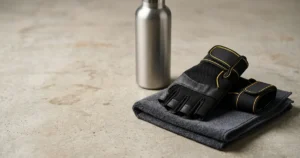
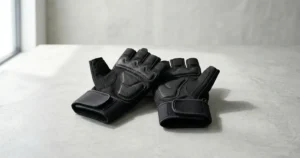
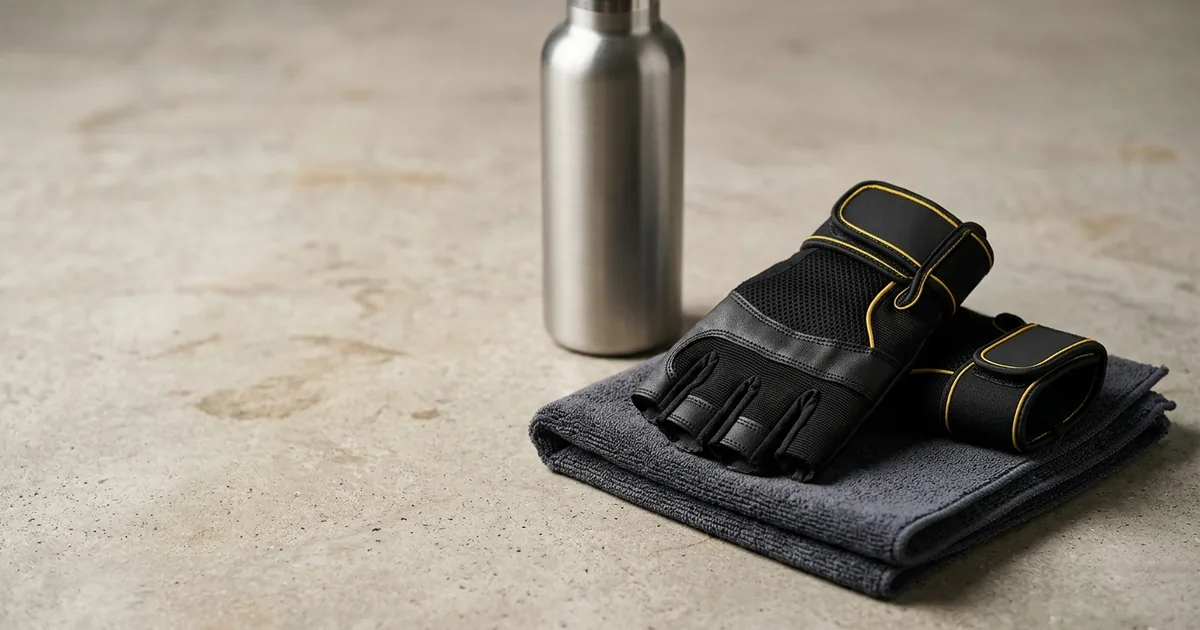
Fingerless gloves leave the fingertips exposed, giving you better feel for small equipment, cables, and dumbbells while still protecting the palm. This is the most popular format for general strength training because it balances grip feedback with protection. Most lifters who train across a mixed program, weights one day, kettlebells the next, land on fingerless as their daily driver.
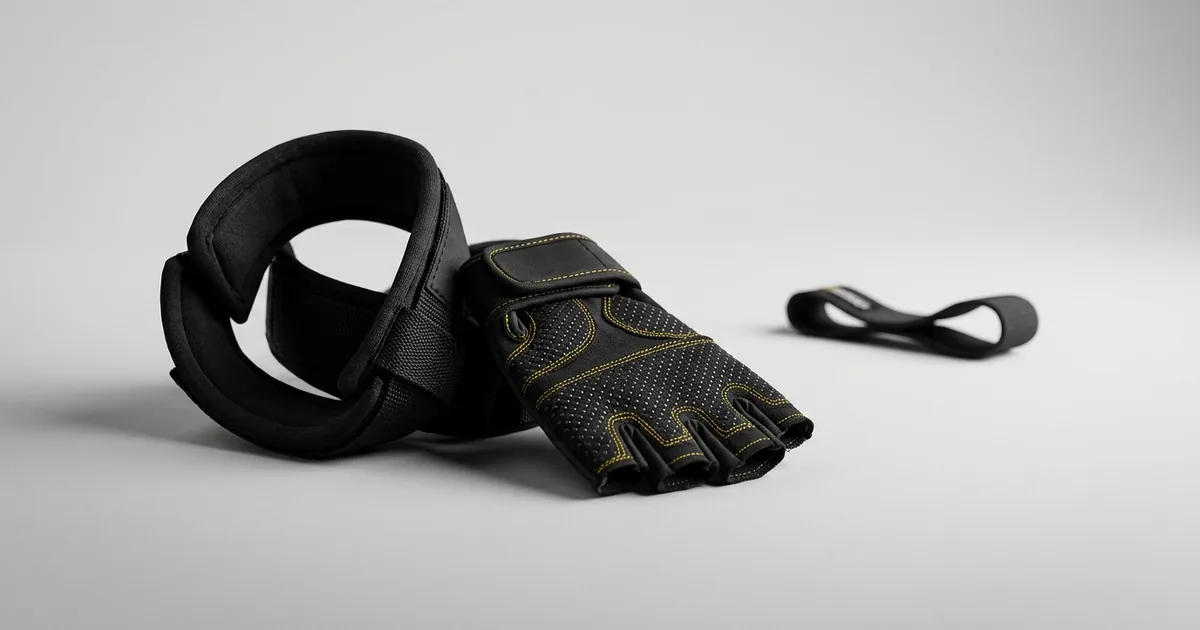
Weightlifting Gloves with Built-In Wrist Wraps
For heavy compound lifts, a glove with an integrated wrist wrap removes the need to carry separate wrist supports. This format suits lifters pushing near-maximal loads on squats, presses, and deadlifts who want joint stability without adding another item to their gym bag.
Grip Pads and Lifting Straps
Grip pads skip the glove entirely and sit in the palm, offering bar protection without covering the fingers. Lifting straps go further, wrapping around the bar itself to assist grip on heavy pulls like deadlifts and rows. These are tools for a different job, pure load assistance rather than all-around hand protection, and serious lifters often own both a glove and a set of straps for different training days. Browse a full range of grip gear built for this exact purpose in the gym gloves and straps collection.
How to Choose the Right Gym Gloves for Your Training Setup
The best glove on paper is not always the best glove for how you actually train. Match your choice to where and how you work out.
For Home Gym Lifters
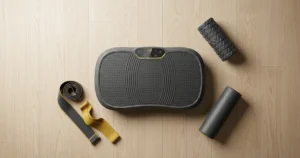
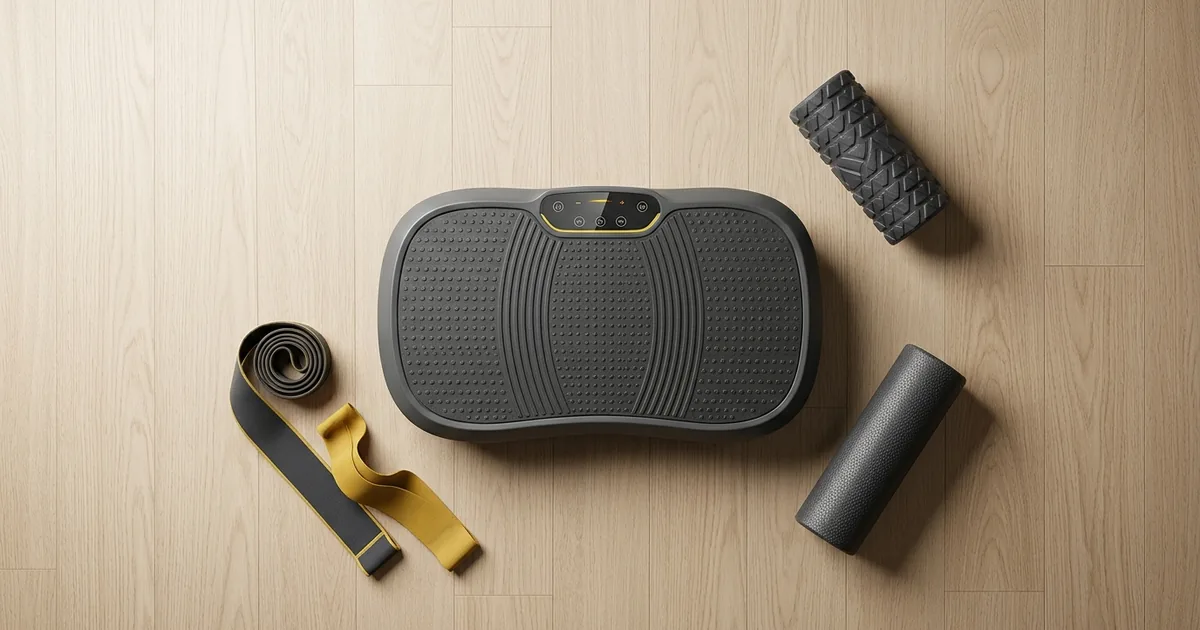
Training at home means fewer distractions but also less access to backup gear if something wears out mid-session. Choose a durable, multi-purpose glove that handles free weights, pull-up bars, and cardio work in one pair. If your home setup includes a vibration platform for recovery or activation work, pair your grip gloves with a short mobility routine before lifting to keep your hands and wrists warmed up.
For Gym-Goers in UAE and KSA Climate
Heat and humidity push sweat output higher than in cooler climates, which means breathability is not optional here. Prioritize mesh backing and a quick-dry palm lining, and keep a second pair rotating in your bag so you are never training in a damp glove from yesterday’s session.
For Travel and Portable Workouts
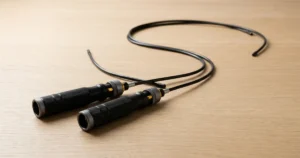
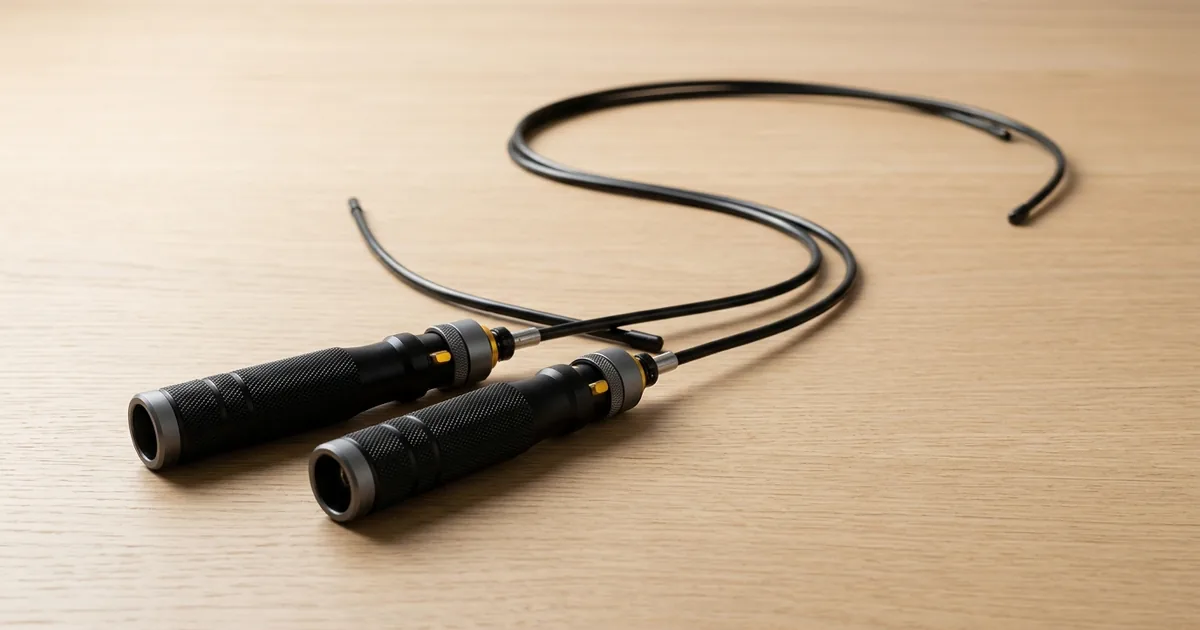
Portable training means hotel gyms, outdoor circuits, or a resistance band session in a small room. A lightweight, fingerless glove that folds flat in a bag is the practical choice. Pack it alongside other compact gear like a tangle-free jump rope for a full session that fits in a carry-on without adding bulk.
Gym Gloves vs Chalk vs Lifting Straps, What Actually Works
Lifters debate this constantly, and the honest answer is that each tool solves a different problem.
- Chalk dries sweat and increases friction directly on skin. It works well for competition lifting but makes a mess on gym equipment and is often restricted in commercial gyms.
- Gloves protect skin, reduce callusing, and give consistent grip without mess. They are the practical daily choice for most training environments, including home gyms and shared commercial spaces.
- Lifting straps are for pure load assistance on heavy pulls, they let your back and legs keep working after your forearms would otherwise fail first. They are not a substitute for grip training, they are a tool for specific heavy sets.
Most lifters benefit from owning gloves for daily training and straps for max-effort pulling days. Treat them as complementary gear, not competing choices.
Common Grip Mistakes That Ruin Your Lifts
Buying the Wrong Size
A glove that is too loose shifts and bunches at the palm, actually reducing your grip instead of improving it. Too tight, and it restricts blood flow and cuts your set short from discomfort rather than muscle fatigue. Size matters more than material here, a mediocre glove that fits perfectly will outperform a premium glove that is one size off.
Ignoring Wear Signs
Silicone palm prints wear smooth over months of heavy use, and a worn glove gives a false sense of grip while actually sliding under load. Check your palm texture every few weeks and replace gloves once the pattern flattens out.
Wearing Gloves for Everything
Gloves are not built for every movement. Olympic lifts like cleans and snatches require direct bar contact for the hook grip and fast hand transitions, and gloves get in the way here. Reserve gloves for pressing, pulling, and general strength work, and go bare-handed for technical Olympic movements.
Skipping Grip-Specific Warm-Up
Cold hands grip worse than warmed-up ones. A short warm-up on light carries or hangs before your working sets primes your forearms and improves how well any glove performs once you load up.
Caring for Your Gym Gloves So They Last
Grip gloves take abuse every session, chalk dust, sweat, bar knurling, and repeated gripping all wear down the materials faster than most training gear. A few habits extend their life significantly.
- Air dry after every session, never store damp gloves in a closed gym bag.
- Wipe the palm surface down weekly to clear built-up chalk or sweat residue that stiffens the material.
- Rotate between two pairs if you train more than four times a week, this gives each pair time to fully dry between sessions.
- Replace once the silicone grip pattern smooths out or the wrist strap loses its hold, a worn glove is worse than no glove at all.
Building a Complete Grip and Training Kit
Gloves perform best as part of a broader setup rather than as an isolated purchase. Pair your grip gear with a recovery routine, since forearm and hand fatigue respond well to proper post-session nutrition. Mixing a protein shake right after training supports the same hands and forearms you just worked hard, and a reliable electric protein shaker makes that step effortless between sets or on the way out of the gym. If you are refreshing your full kit for the year, check the latest gear arrivals to see what has just landed for strength, mobility, and recovery.
Conclusion
Grip failure is the easiest weak link to fix in any training program. The best gym gloves for grip combine a textured palm, smart padding placement, a secure wrist closure, and breathable materials that hold up to UAE and KSA training conditions. Match the glove type to your actual lifts, size it correctly, and rotate pairs so your gear always performs at its best. Fix the grip, and every other part of your training gets to work the way it should.
Frequently Asked Questions
What size gym gloves should I get?
Measure around your palm, excluding the thumb, at its widest point and match that to the brand’s sizing chart rather than guessing from shoe size or general hand feel. A correctly sized glove sits snug across the palm with no loose fabric bunching near the fingers, and the wrist strap should close with room to spare, not maxed out. If you are between sizes, size down for gloves and size up for straps, since gloves stretch slightly with wear while straps need full length to wrap securely.
Do gym gloves stop calluses?
Yes, a well-padded glove reduces friction between your skin and the bar, which is the main cause of callus buildup on the palm and finger base. Gloves will not remove calluses you already have, but consistent use prevents new ones from forming and stops existing calluses from cracking or tearing during heavy sessions. For full prevention, pair gloves with a light callus-smoothing routine between workouts rather than relying on gear alone.
Are fingerless or full-finger gloves better for grip?
Fingerless gloves give better tactile feedback for dumbbells, cables, and mixed training, while full-finger gloves offer more total hand protection for heavy barbell work. Neither is objectively better for grip itself, since both use the same palm materials, the choice comes down to how much finger sensitivity your training style requires.
Can I use lifting gloves instead of chalk?
For most commercial gym settings, yes. Gloves give consistent grip without the mess chalk leaves on bars and equipment, and many gyms restrict chalk use entirely. Competitive powerlifters still prefer chalk for maximal attempts since it creates direct skin-to-bar friction, but for general strength training gloves are the more practical daily option.
How often should I replace my gym gloves?
Replace gloves once the silicone grip pattern on the palm wears smooth or the wrist strap no longer holds securely, which typically happens between four and eight months for lifters training four or more times a week. Rotating two pairs extends the lifespan of each by giving the material time to fully dry and recover between sessions.