



A dedicated steps workout might sound like a contradiction when your entire professional life revolves around sitting in a chair, starring at a screen, from nine in the morning until five in the evening. For millions of modern professionals, the desk job is the cornerstone of their career, yet it is simultaneously the biggest obstacle to physical wellness.
The modern corporate environment wasn’t designed for movement; it was designed for efficiency, and unfortunately, that efficiency often involves prolonged immobility. You arrive at the office, sit. You work, sit. You eat lunch, sit. You attend meetings, sit. This cycle creates a sedentary reality where many individuals struggle to achieve even a fraction of the widely recommended 10,000 steps per day.
However, the “10,000 steps” benchmark, while popularized, is not arbitrary. It’s a target associated with significantly reduced risks of chronic diseases, including type 2 diabetes, cardiovascular disease, obesity, and even certain types of cancer. When you fall short of this goal consistently, the negative impacts accumulate silently, leading to what health professionals are now calling “sitting disease.” This isn’t a joke; it’s a global health crisis.
If you are a professional who spends the majority of your day chained to a desk, the prospect of hitting that 10k target might feel like an impossible addition to an already packed schedule. The conventional wisdom, go to the gym before work or wake up an hour earlier for a dedicated walking session, simply isn’t practical for everyone. The key isn’t to force an unrealistic schedule; the key is to integrate movement into the workday you already have.
Meeting your daily step goal while working a full-time desk job is not about major overhauls; it’s about micro-adjustments. It’s about leveraging every opportunity to move within the existing structure of your professional life. This guide will provide actionable, realistic strategies that transform your sedentary workday into a constant, low-intensity fitness opportunity, proving that you can succeed professionally without sacrificing your physical health.
Before we dive into the solutions, we must address the “why.” Why is prolonged sitting so dangerous, and why should you dedicate time to increasing your steps?
Prolonged immobility affects crucial metabolic processes. Studies show that when you sit for long periods, your body’s ability to manage glucose and fat diminishes. Enzyme activity, specifically lipase, which is responsible for breaking down fats, drops dramatically. This leads to higher blood sugar levels and an increased risk of type 2 diabetes and high cholesterol, even if you are otherwise relatively fit. When your muscles are inactive, they become less sensitive to insulin, further compounding metabolic issues.
“If you don’t use it, you lose it” applies perfectly to our musculoskeletal system. When you sit for eight hours, your gluteal muscles effectively switch off, leading to “gluteal amnesia.” Your hip flexors tighten, and your posture collapses, leading to lower back pain, neck strain, and a weakened core. The ergonomic setup that many offices boast often only mitigates, rather than solves, these issues.
Physical inactivity directly impacts mental clarity and emotional resilience. Moving significantly improves blood flow to the brain, which enhances cognitive function, focus, and creativity. Prolonged sitting is associated with higher levels of stress, anxiety, and a feeling of lethargy. A simple walking workout stimulates neurotransmitters that boost mood, offering a natural defense against professional burnout.
The easiest way to increase your steps is to find opportunities within your environment that require zero extra time or equipment.
Your workday movement begins before you even sit down.
The more water you drink, the more you have to move.
You need a mechanism for feedback and reminders.
The next step is to integrate walking into actual work activities.
This is one of the most effective strategies for high-volume steps.
Your lunch hour is your time.
If you are on the phone for any reason, you should be moving.
When you must be at your desk, you still don’t have to be immobile.
Standing is inherently better than sitting, as it keeps your core and leg muscles slightly engaged.
When a deadline looms and you cannot leave your screen, execute movement right there.
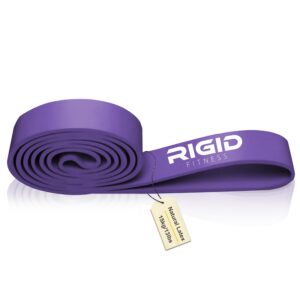
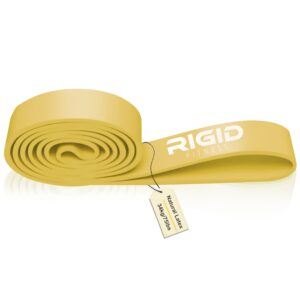
For the professional serious about meeting their step goal without sacrificing productive work time, investing in quality gear is non-negotiable. This is where products from specialists like Rigid Fitness make all the difference.
When your professional day ends, your goal is likely within reach, but you need to finalize it.
Your commute home is the final phase.
Turn the process into a competition.
Meeting a 10,000-step goal is a journey of consistency, not intensity. A dedicated steps workout is built through dozens of daily decisions. Here is how you can stack these strategies to build your perfect day.
| Time | Action | Potential Step Count |
| 8:30 AM | Park at the far end of the lot/Walk one extra block from transit | 750 |
| 9:00 AM | Use the stairs to go up 2 floors to the office | 150 |
| 10:00 AM | Pacing during morning 15-min conference call | 1200 |
| 10:45 AM | Walk to furthest water cooler and back | 300 |
| 12:00 PM | Dedicated 20-minute post-lunch walk | 2500 |
| 1:30 PM | 30 minutes of low-speed typing while on Walking Pad/Treadmill Desk | 2500 |
| 3:00 PM | 10-minute “Micro-Walk” to check the mailbox/visit distant colleague | 1000 |
| 4:30 PM | Pacing during final 15-min call of the day | 1200 |
| 5:00 PM | Take the stairs down | 150 |
| 5:15 PM | Walk back to car/public transit | 750 |
| 6:00 PM | 15-minute evening decompression walk | 1500 |
| — | DAILY TOTAL | 12,000 STEPS |
This plan doesn’t involve waking up early, going to the gym, or altering your output. It simply alters how you operate. By using the strategies outlined and integrating game-changing tools like an under-desk walking pad, you prove that a successful 9-to-5 career and optimal health are not mutually exclusive.
The choice is simple: continue being sedentary and accumulate risks, or embrace the strategy of micro-movement and accumulate steps, energy, and longevity. The choice, and the movement, is yours.
While 10,000 is a popular and motivating target, it is not a strict requirement for everyone. Studies show significant health benefits (reduced mortality risk, improved cardiovascular health) start accumulating much lower, often around 4,000 to 7,000 steps. If you are currently getting 2,000 steps, aiming for 5,000 is a fantastic and valuable starting point. Consistency is more important than hitting 10,000 arbitrarily.
You absolutely should split it up! Breaking your steps into smaller “movement snacks” throughout the day is actually better for managing blood sugar and metabolism than doing one long walk and remaining entirely sedentary the other 23 hours. Aim for a mix of short, 2-5 minute bursts every hour, combined with one or two longer, structured 15-20 minute walking workout sessions (like during lunch or right after work).
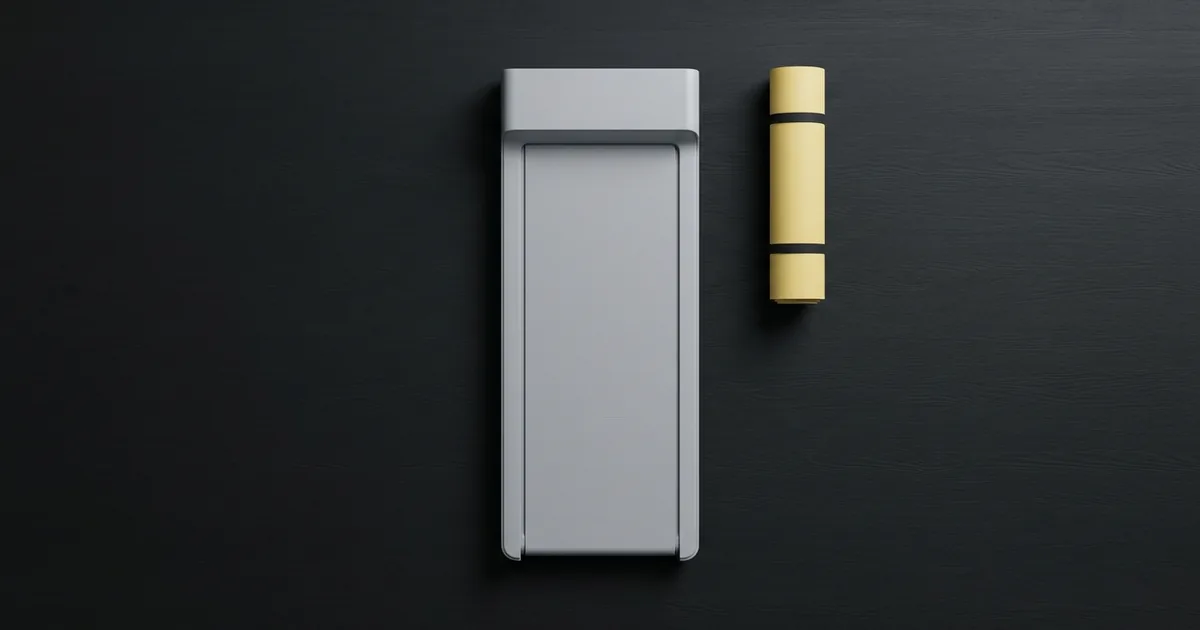
Under-desk walking pads (like those offered by Rigid Fitness) are designed for slow-speed use (usually capped around 6 km/h). When walking slowly (e.g., 2-3 km/h), most people find they can type, answer emails, and listen to conference calls without distraction after a brief adjustment period. They are also engineered to be relatively quiet, so they typically won’t disrupt colleagues in an open-office environment or be heard over a microphone. It is the ultimate passive steps workout.
Don’t worry; equipment is a “game changer,” not a requirement. Focus on the “Micro-Habits” (Phase 1) and “Professional Movement” (Phase 2) strategies that require zero permission. Commit fully to the “Furthest Station Rule” (water/bathroom), the “Stairs Initiative,” and the non-negotiable lunch-hour walking workout. Pacing during phone calls is also usually acceptable even in strict environments.
While standing is significantly better than sitting, as it engages your core and leg muscles slightly, it does not contribute to your step count. Standing helps combat “sitting disease,” but it cannot replace the cardiovascular and calorie-burning benefits of dynamic movement, which is why a dedicated walking workout is still necessary.
Last updated: October 4, 2026 A bad gym bottle costs you more than a few sips of water. It leaks
آخر تحديث: 4 أكتوبر 2026 أكثر خطأ يكرره من يعود إلى التمرين بعد انقطاع طويل هو محاولة استعادة نفس الأوزان
Last updated: October 4, 2026 If you’ve typed “best gym near me” into Google while sitting in Dubai Marina traffic