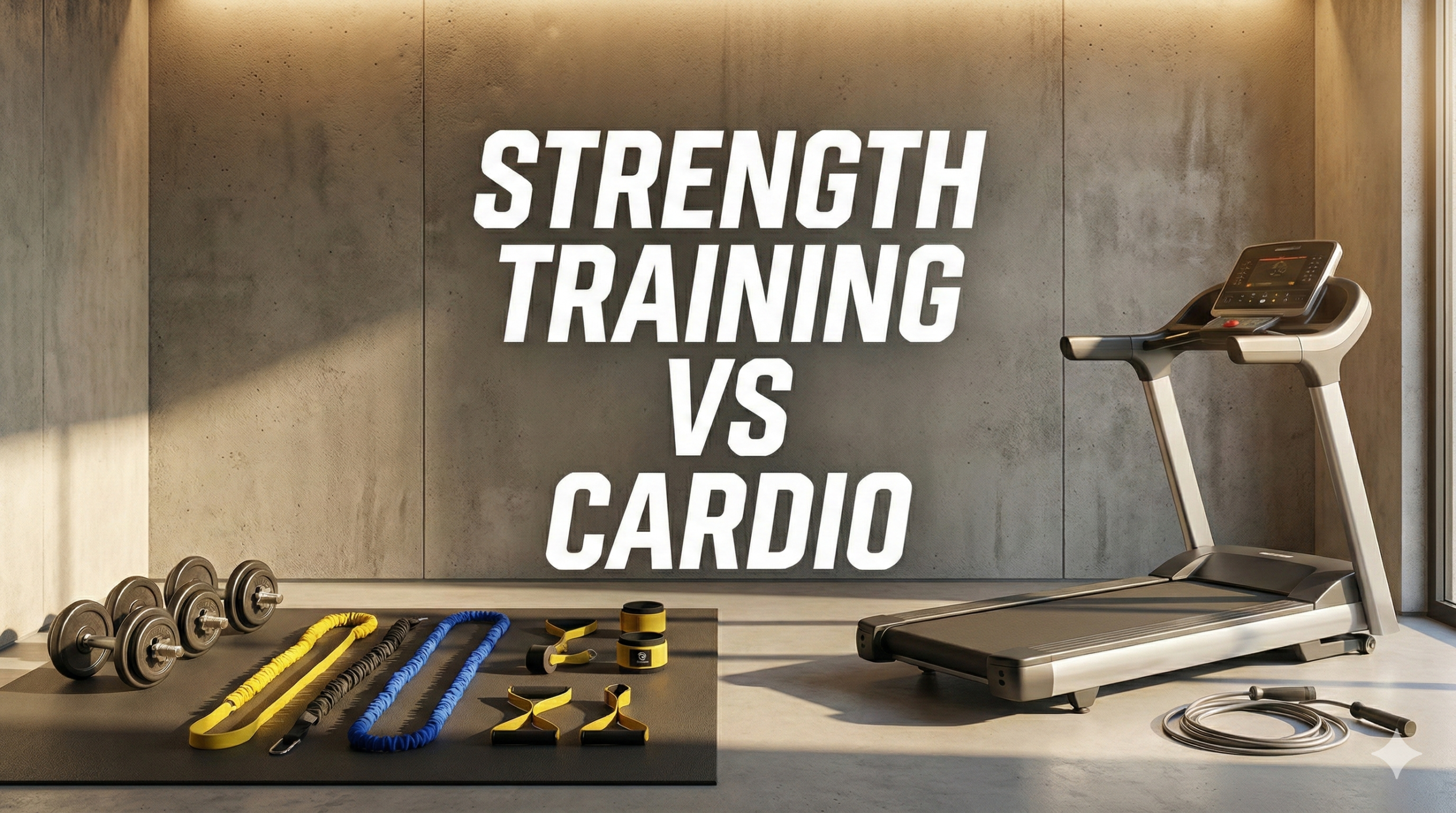
In the fast-paced, high-performance environment of the UAE, fitness isn’t just a hobby; it’s a lifestyle. When we talk about transforming physique and building resilience, one phrase dominates the conversation: strength training.
Whether you are throwing around heavy dumbbells in a commercial gym in Dubai Marina or perfecting your squat form in your home garage gym in Abu Dhabi, the goal is the same: get stronger, build muscle, and improve performance.
But what if the key to unlocking your next personal best isn’t adding another 5kg to the bar today, but rather what you do between your heavy lifting sessions?
Many dedicated lifters hit a plateau. They feel exhausted mid-workout, or their recovery takes too long. The missing piece of the puzzle often isn’t more strength work—it’s an optimized cardiovascular foundation that supports that strength work.
The “Strength Training” Paradox
It seems counterintuitive. Why should someone focused on maximal strength care about walking?
The answer lies in “Work Capacity.”
Think of your body like a high-performance sports car. Strength training is the massive engine that provides the horsepower. But your cardiovascular system is the fuel pump and the cooling system. If your heart (the pump) can’t efficiently deliver oxygen to your muscles between heavy sets, your performance drops. You can’t use all that horsepower you’ve built.
A strong aerobic base allows you to:
- Recover faster between sets.
- Recover faster between workout days.
- Handle more volume (more reps and sets) over time, which leads to more muscle growth.
The UAE Challenge: Time vs. Movement
We know we need cardio to support our lifts. But living in the UAE presents unique challenges. The intense heat for much of the year makes outdoor walking difficult. Furthermore, the hustle of corporate life means time is precious.
If you only have 60 minutes a day to train, you are going to prioritize the iron. Cardio gets skipped.
This leads to a common profile: someone who looks strong and can lift heavy, but gets winded walking up two flights of stairs. This lack of general conditioning eventually puts a hard ceiling on their strength gains.
The Solution: Active Recovery and NEAT
The goal isn’t to turn you into a marathon runner, which would detract from your strength gains. The goal is Active Recovery and increasing your NEAT (Non-Exercise Activity Thermogenesis—the calories you burn just moving around).
Low-intensity, steady-state movement increases blood flow to sore muscles, flushing out waste products and speeding up repair without causing further stress to the body.
But how do you fit this in without spending hours at the gym?
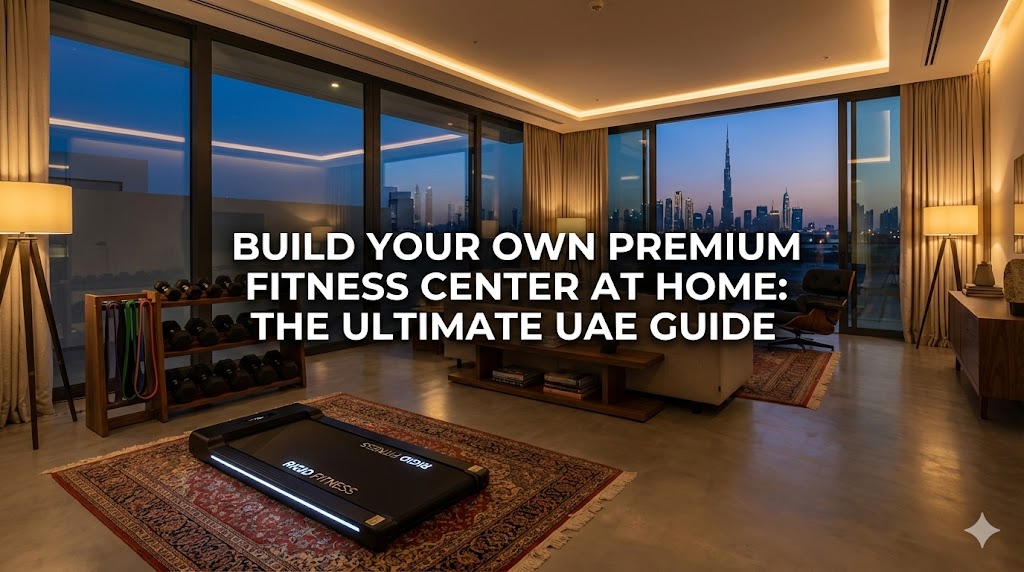
This is where smart home fitness solutions are changing the game for strength athletes. The modern solution isn’t a giant, clunky commercial treadmill taking up half your villa. It’s the rise of compact, efficient equipment geared toward busy professionals.
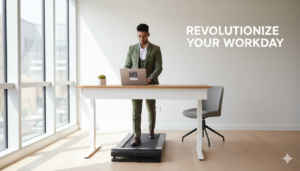
We are seeing a massive shift toward integrating movement into the workday using streamlined tools like mini treadmills designed for home use.
The Ultimate Strength Support Tool
Imagine getting your requisite 10,000 steps in—boosting your metabolism and aiding recovery—without ever leaving your apartment or even stopping your work.
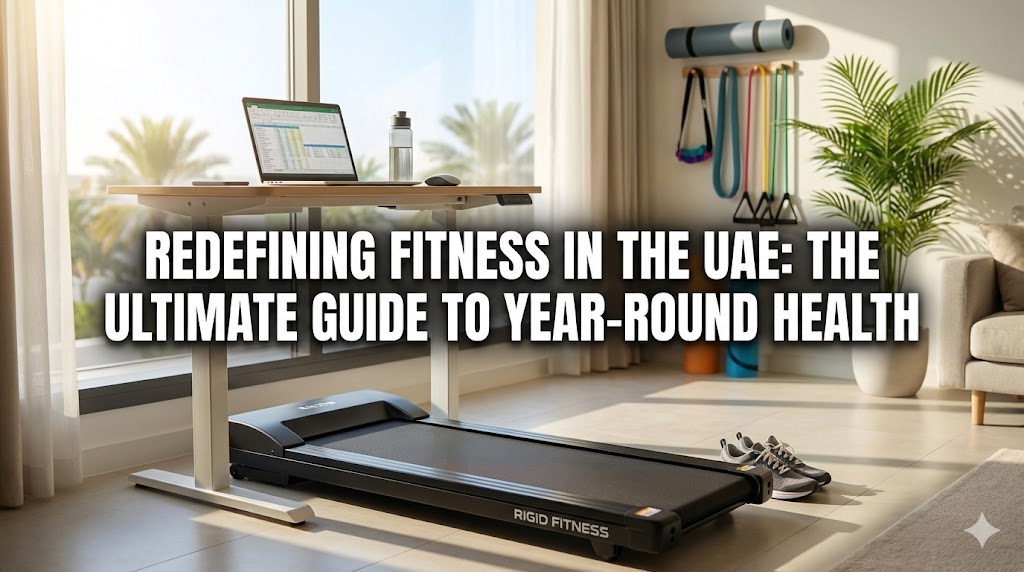
By utilizing equipment like the Incline Under Desk Treadmill Walking Pad, you turn sedentary time into active recovery time.
Here is why this is the ultimate secret weapon for strength training enthusiasts:
- Zero Impact Recovery: Walking on a high-quality pad is low impact. It won’t stress your joints after a heavy leg day.
- The Incline Advantage: A slight incline engages the posterior chain (glutes and hamstrings) gently, keeping them activated without fatiguing them.
- Time Efficiency: You don’t have to “go do cardio.” You do it while answering emails, watching Netflix, or taking conference calls.
It doesn’t replace your squat rack; it enhances everything you do in it.
Conclusion
True strength is holistic. It requires powerful muscles supported by a powerful heart. Don’t let a weak cardiovascular system be the bottleneck on your gains. By integrating smart, convenient movement into your day, you ensure that when it’s time to lift heavy, your body is ready for the challenge.
For more tips on optimizing your home setup for peak performance, check out our guide on Essential Home Gym Equipment for the UAE Lifter.
FAQ: Common Questions About Cardio and Strength
Q: Will doing cardio kill my strength gains? A: High-intensity, long-duration cardio (like training for a marathon) might compete with muscle gains. However, low-intensity, steady-state cardio—like walking on a walking pad for 30-45 minutes—actually helps gains by improving blood flow and recovery.
Q: Is walking really enough cardio if I lift heavy weights? A: Yes, absolutely. For a strength athlete, the primary goal of cardio is heart health and recovery, not endurance performance. Walking is the least stressful way to achieve this base level of conditioning without taxing your central nervous system.
Q: I don’t have space for a treadmill. What can I do? A: This is a common misconception. Modern equipment has evolved. Walking pads and mini-treadmills are designed specifically to be ultra-slim, easily sliding under a sofa or standing vertically in a closet when not in use. They are designed for modern apartments.
Q: How many steps should a strength athlete aim for daily? A: While 10,000 steps is a common general goal, for strength athletes, consistency is key. Aiming for 7,000–10,000 steps a day ensures your NEAT levels remain high, keeping you lean and keeping your recovery systems active outside of the gym.