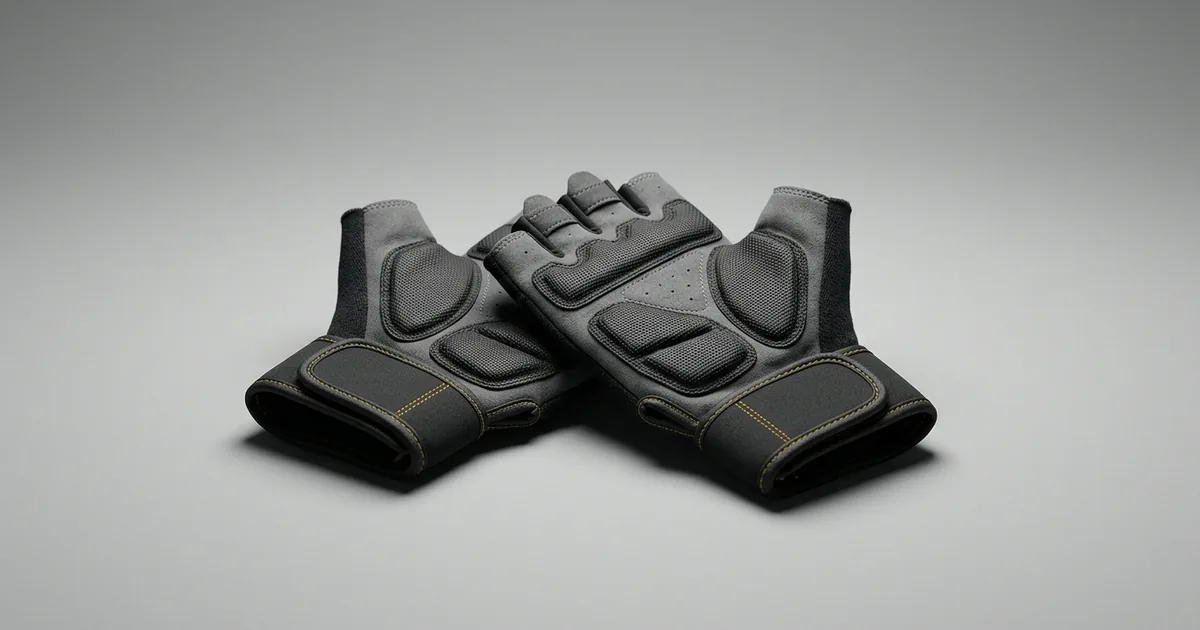
Designing a personal fitness area at home is one of the smartest decisions you can make today, and with the right Home Gym Equipment, you can easily transform any room into a powerful training zone. Whether you have a small corner or an entire spare room, setting up a workout space doesn’t have to be complicated. In fact, with a little planning and the right gear, you can build a space that encourages consistency, motivation, and long-term health.
At RIGID FITNESS, we believe your home should support your goals, not limit them. With smart planning, a few essential tools, and a functional layout, you can build a space that motivates you daily. From simple resistance bands to more advanced equipment, you can easily buy from Noon, and setting up a perfect home gym is achievable for every budget. This guide will walk you through everything, from planning your space to selecting the best equipment, so you can train effectively anytime.
Why a Dedicated Home Workout Space Matters
A dedicated workout space isn’t just about convenience. It helps you build consistency, reduces distractions, and creates a physical reminder of your goals. When you enter your designated workout area, your mind switches into “training mode,” making it easier to stay focused and motivated. Another major advantage is personalization. You choose the equipment, the layout, the lighting, and even the vibe. Whether you prefer a minimal setup or a full functional training zone, your home gym reflects your goals and lifestyle. Plus, investing in Home Gym Equipment saves money long-term by replacing gym memberships and travel expenses.
Step 1: Assess Your Space and Fitness Goals
Understanding Your Available Area: Before buying any Home Gym Equipment, you need to figure out how much room you actually have. This step helps prevent overcrowding and ensures your workouts remain safe and effective.
- Measure the dimensions of your space
- Consider ceiling height
- Identify natural light sources
- Check power outlet locations
Even a 5×5 ft area can be enough for basic workouts, while a larger room allows for advanced setups.
Evaluating Short-Term and Long-Term Fitness Targets
Ask yourself:
- Do you want strength, cardio, or mobility training?
- Are you planning a full-body routine?
- Do you prefer free weights or machines?
- Will your goals change over time?
Once you know your goals, choosing the right equipment becomes much easier.
Step 2: Choosing the Right Home Gym Equipment
One of the most important aspects of building a workout space is selecting proper Home Gym Equipment.
Essential Equipment for Beginners: These items are versatile and great for all fitness levels
- Dumbbells
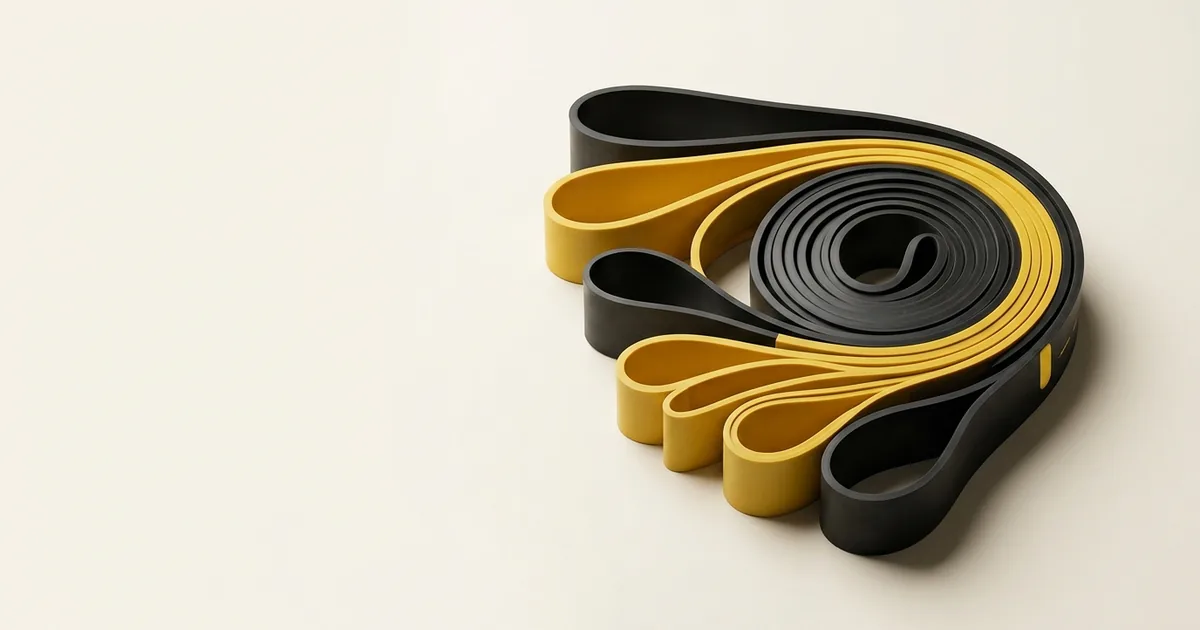
- Resistance bands
- Yoga mat
- Kettlebells
- Jump rope
Advanced Equipment for Strength and Cardio Training
For more serious workouts:
- Power rack
- Adjustable bench
- Barbell + plates
- Rowing machine
- Exercise bike
- Treadmill
Space-Saving Equipment Options
Perfect for apartments or small rooms:
- Foldable treadmills
- Adjustable dumbbells
- Wall-mounted racks
- Compact rowing machines
These tools help maintain functionality without consuming much space.
Step 3: Designing the Layout of Your Home Gym
Zoning Your Workout Space: Separate your gym into zones
- Strength area
- Cardio area
- Stretching / mobility area
- Storage corner
This approach makes the space feel organized and professional.
Safety and Movement Flow
Make sure:
- There is space to move freely
- Equipment is not blocking walkways
- Heavy equipment is positioned near the walls
- Mats are placed under machines to reduce noise
Step 4: Flooring, Lighting, and Ventilation
Choosing the Right Flooring Materials: A good gym floor protects your joints and equipment.
- Rubber flooring tiles
- EVA foam mats
- Vinyl sport flooring
Optimal Lighting Setup
Use:
- Bright LED ceiling lights
- Task lights for weight areas
- Natural light when possible
Improving Airflow and Ventilation
Tips:
- Install a ceiling fan
- Use an air purifier
- Keep windows open during workouts
Good airflow keeps you energized and prevents fatigue.
Step 5: Storage Solutions for Home Gym Equipment
Great for saving floor space:
- Wall hooks
- Vertical barbell holders
- Pegboards
Compact Storage for Small Spaces
Solutions include:
- Under-bench storage
- Foldable racks
- Multi-purpose baskets
Keeping your gym clean improves motivation and safety.
Step 6: Adding Technology and Smart Devices
Modern devices make training more effective:
- Smartwatches
- Fitness trackers
- Bluetooth heart-rate monitors
- Smart scales
Using Apps and Trackers
Apps help track performance, calories, and progress. Many equipment brands integrate directly with mobile apps.
Step 7: Creating Motivation and Aesthetics
Mirrors help monitor form and make the room feel larger. Music, Colors, and Atmosphere
Add:
- A strong playlist
- Inspiring colors
- Wall decals
- Plants for freshness
These small touches boost energy and mindset.
Choosing the Right Location for Your Home Gym
The first step is selecting the ideal space. You don’t need a huge room; a corner of your bedroom, a garage, a spare room, a balcony, or even a small living space can work. What matters most is accessibility and comfort. Consider ventilation, lighting, and noise levels. Natural light helps improve mood and focus, while proper airflow keeps your workouts comfortable. If you’re using weights or machines, ensure the floor is sturdy enough. A simple rubber mat can protect floors, reduce noise, and create a clearer workout boundary.
Beginner, Intermediate & Advanced Home Gym Setups
If you’re a beginner, start with simple tools such as resistance bands, a mat, and light dumbbells. These allow you to perform hundreds of exercises while mastering basic movements. Intermediate users can expand their collection with items like kettlebells, sliders, a bench, or a pull-up bar. These tools add variety and help you target different muscle groups more effectively. Advanced users can build a complete home gym by adding squat racks, barbells, cable systems, or heavy dumbbells. While this setup requires more space and investment, it turns your home into a fully functional training environment.
FAQs
Q1: Do I need expensive equipment for a home gym?
Ans: Not at all. You can start with affordable essentials like bands and dumbbells and expand gradually.
Q2: How much space do I need?
Ans: Even a small corner can work if organized properly. A yoga mat’s footprint is enough to begin.
Q3: Where can I buy home gym equipment?
Ans: Platforms like Noon offer a wide range of options for all budgets.
Q4: How do I stay motivated to work out at home?
Ans: Create a dedicated space, track your progress, and follow structured routines.
Q5: Is home training as effective as gym training?
Ans: Yes. With consistency, proper form, and the right equipment, home workouts can deliver incredible results.
Conclusion
Setting up a workout space at home is one of the smartest investments you can make for your health and lifestyle. Whether you choose a minimal setup or a fully equipped training zone, the right Home Gym Equipment can turn any corner of your home into a powerful fitness environment. At RIGID FITNESS, we encourage you to build a space that inspires consistency and supports your goals every single day. With budget-friendly tools available, it’s easier than ever to create a home gym that keeps you motivated, committed, and in control of your fitness journey.